
Brisbane and SEQ Vegetable Planting Calendar: What to Plant Now
The subtropical gardening guide built from deep local research. 109 plants, 12 monthly calendars, and growing advice specific to Brisbane, Gold Coast, and Sunshine Coast.
This is our Brisbane vegetable planting calendar, covering Brisbane, the Gold Coast, the Sunshine Coast, the Scenic Rim and Ipswich. It starts with what vegetables to plant now in Brisbane, then goes through the whole year, with sowing windows set for the subtropical climate of Brisbane and South East Queensland. Further down you will find a sowing chart for popular vegetables, local timing notes, frost dates by postcode and a season-by-season guide, all from the same data that runs the Planting Season app. SEQ runs on two seasons rather than four, so the season guide below is split into the warm, wet season and the cool, dry season.
Monthly Planting Calendar
SEQ runs on two seasons, not four. The warm, wet season (October to March) and the cool, dry season (April to September) determine what grows and when.
Want frost dates for your own postcode, not just the region? Try the Frost Lookup.
Month-by-month vegetable planting calendar for Brisbane
Every vegetable in our Brisbane calendar, grouped by the month you can sow or plant it. Each month links to its full page with herbs, fruit, spacing, harvest times and companions.
| Month | Vegetables to sow or plant | Count |
|---|---|---|
| January | Amaranth, Bitter Melon, Brazilian Spinach, Capsicum, Chilli, Cowpeas (Southern Peas), Cucumber, Edamame, Eggplant, Kang Kong (Water Spinach), Lablab, Lettuce, Lima (Butter) Beans, Malabar Spinach, Okra, Pigface, Pumpkin, Rockmelon, Silverbeet, Snake Beans, Spring Onion, Squash, Sweet Corn, Sweet Potato, Taro, Warrigal Greens, Water Chestnut, Watercress, Watermelon, Winged Beans, Zucchini | 31 |
| February | Amaranth, Beans (bush), Beetroot, Bitter Melon, Bok Choy, Brazilian Spinach, Broccoli, Cabbage, Capsicum, Carrot, Cauliflower, Celeriac, Chicory, Chilli, Collards, Cowpeas (Southern Peas), Cucumber, Edamame, Eggplant, Florence Fennel, Kale, Kang Kong (Water Spinach), Komatsuna, Lettuce, Malabar Spinach, Mibuna, Okra, Pigface, Pumpkin, Radicchio, Silverbeet, Snake Beans, Spring Onion, Squash, Sweet Corn, Sweet Potato, Taro, Tomato, Warrigal Greens, Watercress, Watermelon, Winged Beans, Wombok, Zucchini | 44 |
| March | Amaranth, Beans (bush), Beetroot, Bok Choy, Brazilian Spinach, Broad Beans, Broccoli, Broccolini, Cabbage, Carrot, Cauliflower, Celeriac, Celery, Chicory, Collards, Cowpeas (Southern Peas), Cucumber, Daikon, Endive, Fennel, Florence Fennel, Gai Lan, Garlic, Globe Artichoke, Good King Henry, Hamburg Parsley, Kale, Kang Kong (Water Spinach), Kohlrabi, Komatsuna, Leek, Lettuce, Mibuna, Mizuna, Mustard Greens, Onion, Peas, Pigface, Potato, Radicchio, Radish, Rocket, Salsify, Scarlet Runner Bean, Scorzonera, Shallot, Silverbeet, Snake Beans, Snow Peas, Sorrel, Spring Onion, Swede, Tatsoi, Tomato, Turnip, Warrigal Greens, Watercress, Wombok, Zucchini | 59 |
| April | Beans (bush), Beetroot, Bok Choy, Broad Beans, Broccoli, Broccolini, Cabbage, Carrot, Cauliflower, Celeriac, Celery, Chicory, Collards, Daikon, Endive, Fennel, Florence Fennel, Gai Lan, Garlic, Globe Artichoke, Good King Henry, Hamburg Parsley, Jerusalem Artichoke, Kale, Kohlrabi, Komatsuna, Leek, Lettuce, Mibuna, Mizuna, Mustard Greens, Onion, Parsnip, Peas, Potato, Radicchio, Radish, Rhubarb, Rocket, Salsify, Scarlet Runner Bean, Scorzonera, Shallot, Silverbeet, Snow Peas, Sorrel, Spinach, Spring Onion, Swede, Tatsoi, Tomato, Turnip, Watercress, Wombok | 54 |
| May | Beans (bush), Beetroot, Bok Choy, Broad Beans, Broccoli, Broccolini, Cabbage, Carrot, Celeriac, Celery, Chicory, Collards, Daikon, Endive, Fennel, Florence Fennel, Gai Lan, Garlic, Globe Artichoke, Good King Henry, Hamburg Parsley, Jerusalem Artichoke, Kale, Kohlrabi, Komatsuna, Leek, Lettuce, Mibuna, Mizuna, Mustard Greens, Onion, Parsnip, Peas, Potato, Radicchio, Radish, Rhubarb, Rocket, Salsify, Scorzonera, Shallot, Silverbeet, Snow Peas, Sorrel, Spinach, Spring Onion, Swede, Tatsoi, Turnip, Watercress, Wombok | 51 |
| June | Beetroot, Bok Choy, Broad Beans, Broccolini, Carrot, Celery, Chicory, Collards, Daikon, Endive, Fennel, Gai Lan, Good King Henry, Hamburg Parsley, Horseradish, Jerusalem Artichoke, Kale, Kohlrabi, Komatsuna, Leek, Lettuce, Mibuna, Mizuna, Mustard Greens, Onion, Parsnip, Peas, Potato, Radicchio, Radish, Rhubarb, Rocket, Salsify, Scorzonera, Shallot, Silverbeet, Snow Peas, Sorrel, Spinach, Spring Onion, Swede, Tatsoi, Turnip, Watercress, Wombok | 45 |
| July | Asparagus, Beetroot, Bok Choy, Broad Beans, Broccolini, Carrot, Celery, Collards, Daikon, Endive, Fennel, Gai Lan, Good King Henry, Horseradish, Jerusalem Artichoke, Kale, Kohlrabi, Komatsuna, Leek, Lettuce, Mibuna, Mizuna, Mustard Greens, Parsnip, Peas, Potato, Radish, Rhubarb, Rocket, Silverbeet, Snow Peas, Sorrel, Spinach, Spring Onion, Swede, Tatsoi, Turnip, Watercress, Wombok | 39 |
| August | Asparagus, Beans (bush), Beetroot, Bok Choy, Broccolini, Capsicum, Carrot, Chilli, Collards, Cucumber, Daikon, Eggplant, Endive, Fennel, Gai Lan, Ginger, Globe Artichoke, Good King Henry, Horseradish, Jerusalem Artichoke, Kale, Komatsuna, Lettuce, Mibuna, Mizuna, Mustard Greens, Peas, Potato, Pumpkin, Radish, Rocket, Silverbeet, Snow Peas, Sorrel, Spring Onion, Squash, Sweet Corn, Tatsoi, Tomatillo, Tomato, Turmeric, Turnip, Watercress, Zucchini | 44 |
| September | Amaranth, Asparagus, Beans (bush), Beetroot, Bitter Melon, Bok Choy, Brazilian Spinach, Capsicum, Carrot, Cassava, Chilli, Choko, Cowpeas (Southern Peas), Cucumber, Edamame, Eggplant, Gai Lan, Ginger, Globe Artichoke, Horseradish, Jicama (Yam Bean), Kang Kong (Water Spinach), Komatsuna, Lettuce, Lima (Butter) Beans, Luffa, Malabar Spinach, Mibuna, Mizuna, Mustard Greens, Okra, Peanuts, Pigface, Popcorn, Pumpkin, Quinoa, Radish, Rocket, Rockmelon, Rosella, Silverbeet, Snake Beans, Sorrel, Spring Onion, Squash, Sweet Corn, Sweet Potato, Taro, Tatsoi, Tomatillo, Tomato, Turmeric, Warrigal Greens, Watercress, Watermelon, Winged Beans, Zucchini | 57 |
| October | Amaranth, Beans (bush), Beetroot, Bitter Melon, Brazilian Spinach, Capsicum, Carrot, Cassava, Chilli, Choko, Cowpeas (Southern Peas), Cucumber, Edamame, Eggplant, Ginger, Jicama (Yam Bean), Kang Kong (Water Spinach), Lablab, Lettuce, Lima (Butter) Beans, Luffa, Malabar Spinach, Okra, Peanuts, Pigface, Popcorn, Pumpkin, Queensland Arrowroot, Quinoa, Rockmelon, Rosella, Silverbeet, Snake Beans, Sorghum, Spring Onion, Squash, Sweet Corn, Sweet Potato, Taro, Tomatillo, Turmeric, Warrigal Greens, Water Chestnut, Watercress, Watermelon, Winged Beans, Zucchini | 47 |
| November | Amaranth, Bitter Melon, Brazilian Spinach, Capsicum, Cassava, Chilli, Choko, Cowpeas (Southern Peas), Cucumber, Edamame, Eggplant, Ginger, Jicama (Yam Bean), Kang Kong (Water Spinach), Lablab, Lima (Butter) Beans, Luffa, Malabar Spinach, Okra, Peanuts, Pigface, Popcorn, Pumpkin, Queensland Arrowroot, Quinoa, Rockmelon, Rosella, Silverbeet, Snake Beans, Sorghum, Spring Onion, Squash, Sweet Corn, Sweet Potato, Taro, Tomatillo, Turmeric, Warrigal Greens, Water Chestnut, Watercress, Watermelon, Winged Beans, Zucchini | 43 |
| December | Amaranth, Bitter Melon, Brazilian Spinach, Capsicum, Chilli, Cowpeas (Southern Peas), Cucumber, Edamame, Eggplant, Kang Kong (Water Spinach), Lablab, Lima (Butter) Beans, Luffa, Malabar Spinach, Okra, Peanuts, Pigface, Popcorn, Pumpkin, Queensland Arrowroot, Rockmelon, Silverbeet, Snake Beans, Sorghum, Spring Onion, Squash, Sweet Corn, Sweet Potato, Taro, Warrigal Greens, Water Chestnut, Watercress, Watermelon, Winged Beans, Zucchini | 35 |
Brisbane vegetable sowing chart
33 popular crops, with the months you can sow or plant them in Brisbane. Shaded months are open sowing windows, and the last column spells them out. Seed started indoors or in trays counts as a sowing where our data says so.
| Crop | Jan | Feb | Mar | Apr | May | Jun | Jul | Aug | Sep | Oct | Nov | Dec | Sow or plant |
|---|---|---|---|---|---|---|---|---|---|---|---|---|---|
| Tomato | Feb to Apr and Aug to Sep | ||||||||||||
| Capsicum | Aug to Feb | ||||||||||||
| Chilli | Aug to Feb | ||||||||||||
| Eggplant | Aug to Feb | ||||||||||||
| Zucchini | Aug to Mar | ||||||||||||
| Cucumber | Aug to Mar | ||||||||||||
| Pumpkin | Aug to Feb | ||||||||||||
| Sweet Corn | Aug to Feb | ||||||||||||
| Beans (bush) | Feb to May and Aug to Oct | ||||||||||||
| Peas | Mar to Aug | ||||||||||||
| Snow Peas | Mar to Aug | ||||||||||||
| Broad Beans | Mar to Jul | ||||||||||||
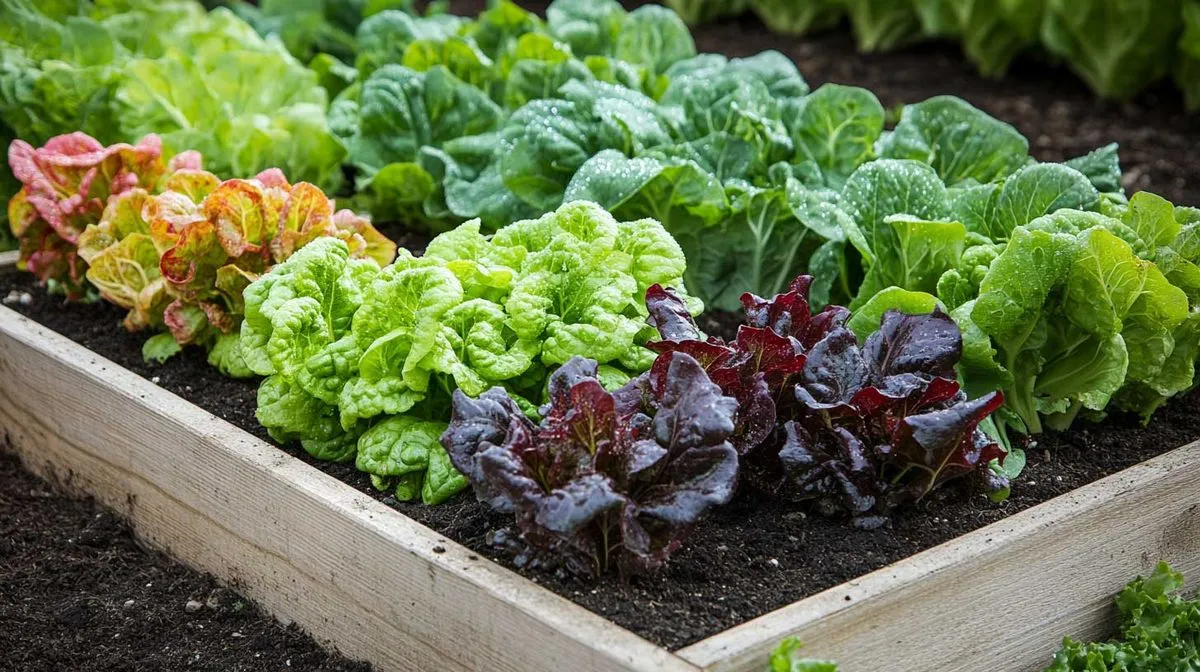
| Lettuce | Jan to Oct | ||||||||||||
| Spinach | Apr to Jul | ||||||||||||
| Silverbeet | all year | ||||||||||||
| Kale | Feb to Aug | ||||||||||||
| Bok Choy | Feb to Sep | ||||||||||||
| Broccoli | Feb to May | ||||||||||||
| Cabbage | Feb to May | ||||||||||||
| Cauliflower | Feb to Apr | ||||||||||||
| Carrot | Feb to Oct | ||||||||||||
| Beetroot | Feb to Oct | ||||||||||||
| Radish | Mar to Sep | ||||||||||||
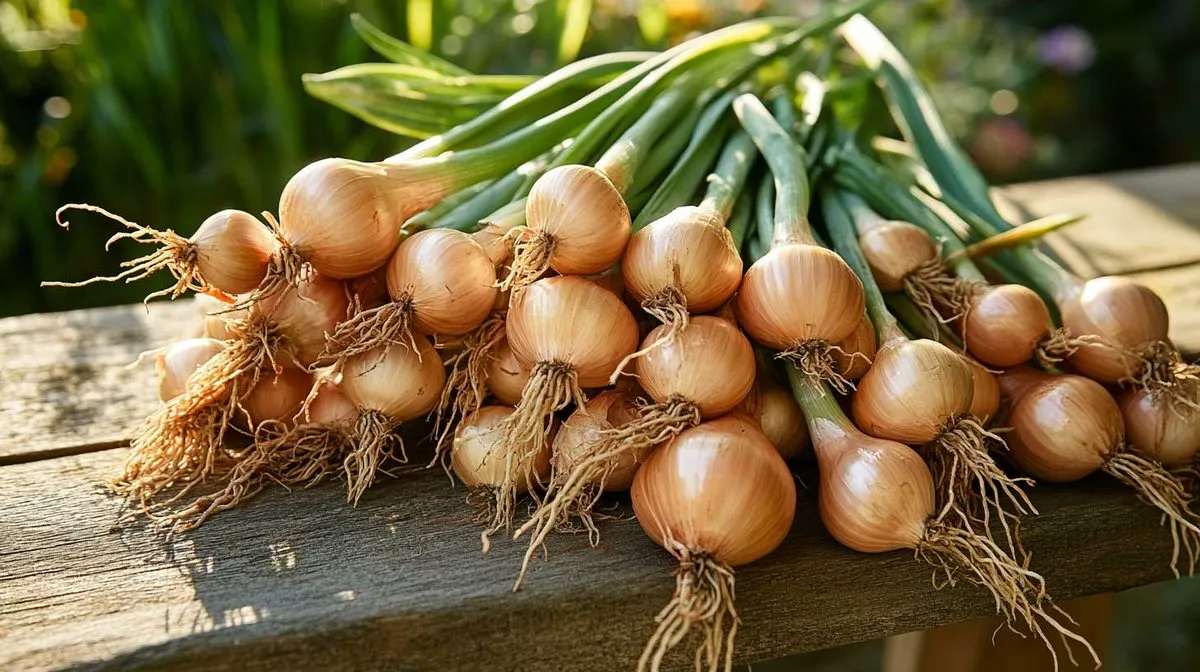
| Onion | Mar to Jun | ||||||||||||
| Garlic | Mar to May | ||||||||||||
| Leek | Mar to Jul | ||||||||||||
| Potato | Mar to Aug | ||||||||||||
| Sweet Potato | Sep to Feb | ||||||||||||
| Basil | Aug to Mar | ||||||||||||
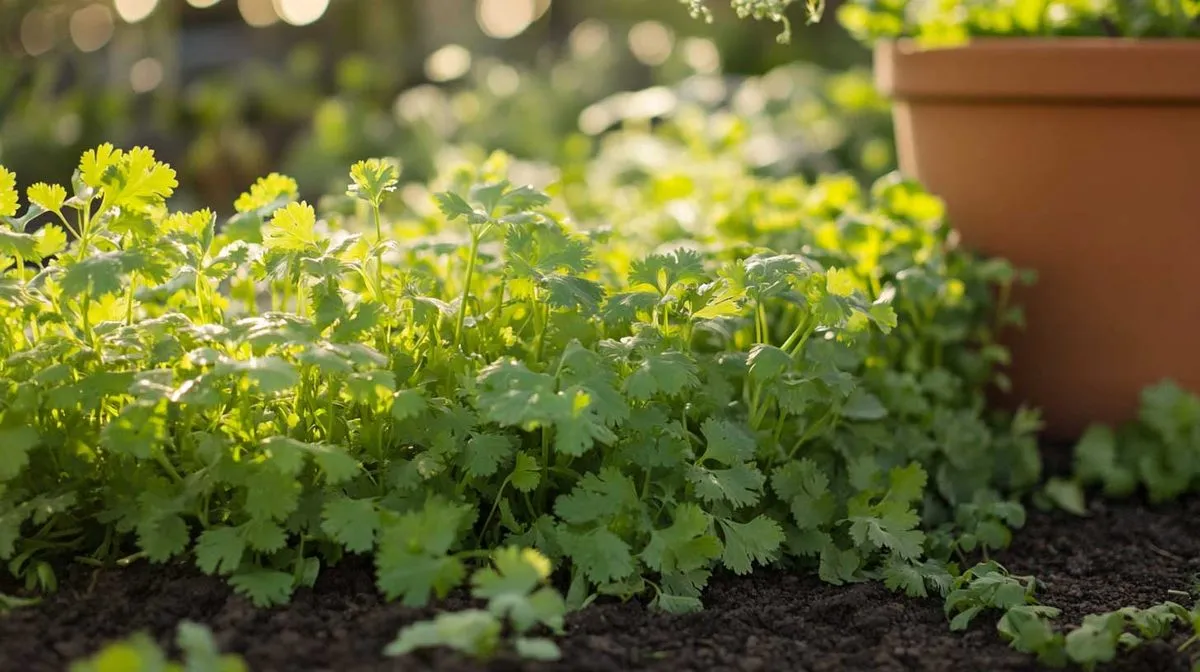
| Coriander | Mar to Aug | ||||||||||||
| Parsley | all year | ||||||||||||
| Strawberry | Mar to May | ||||||||||||
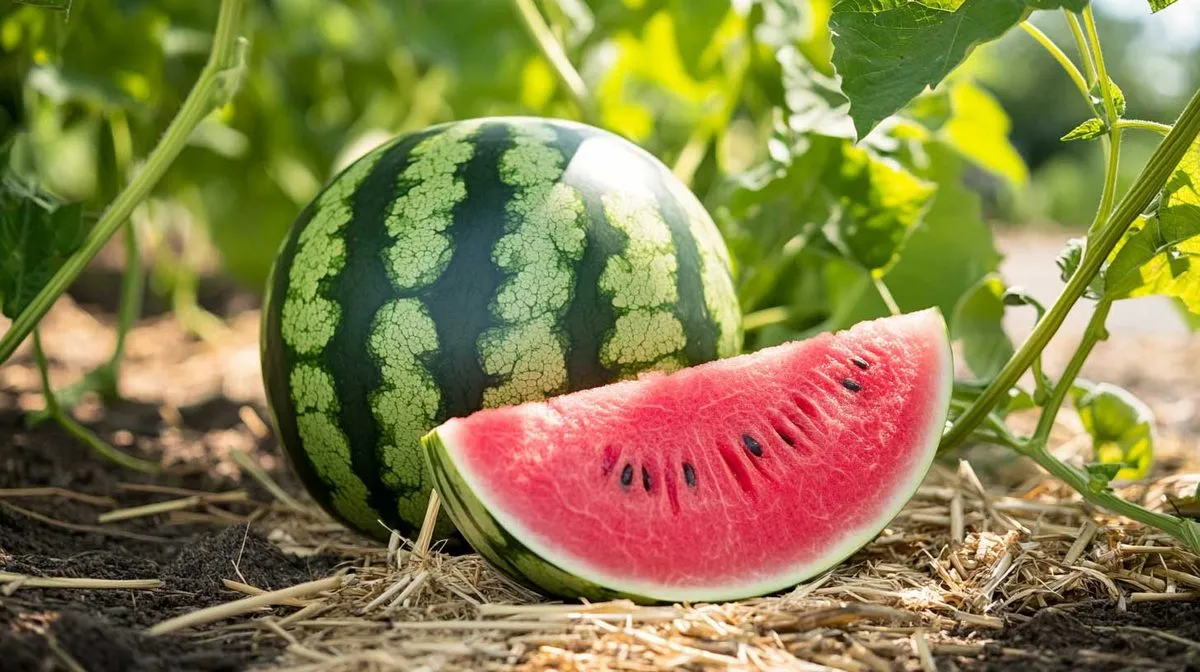
| Watermelon | Sep to Feb |
Plant Categories
Fruit Trees & Vines
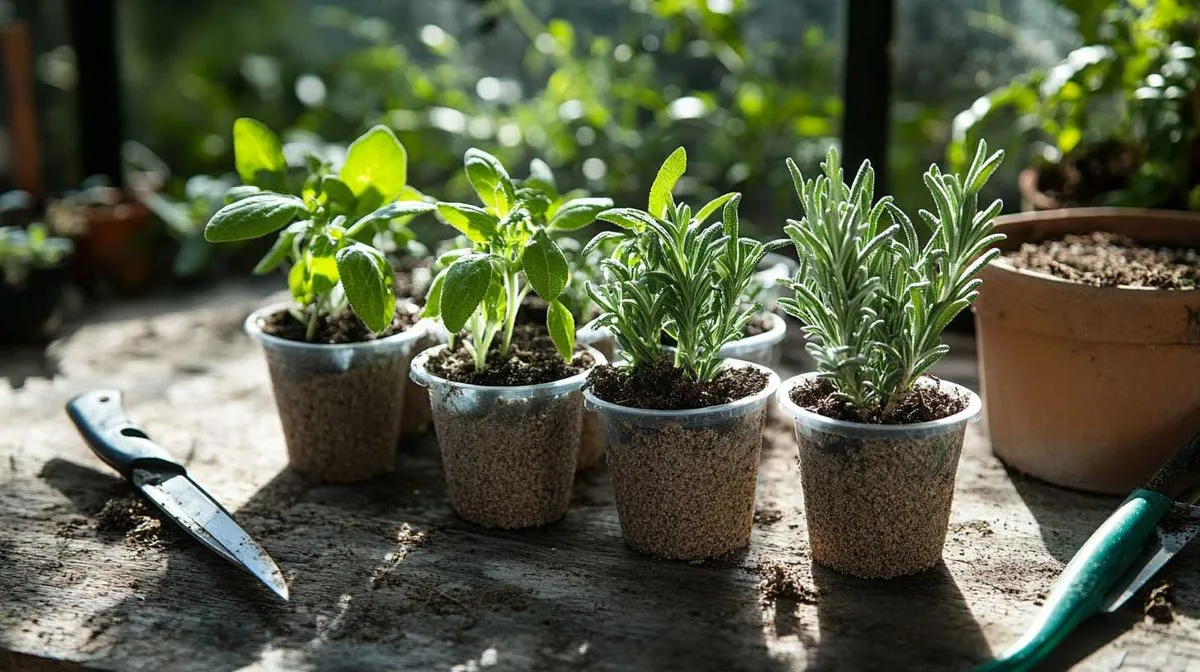
Herbs
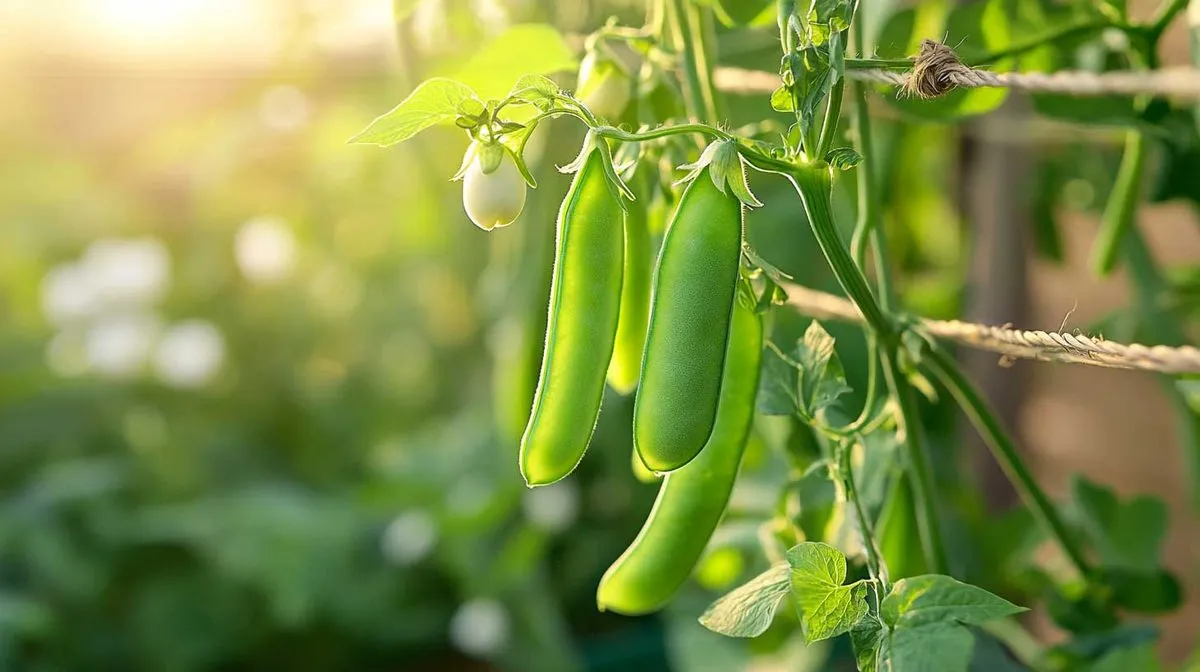
Fruiting Vegetables
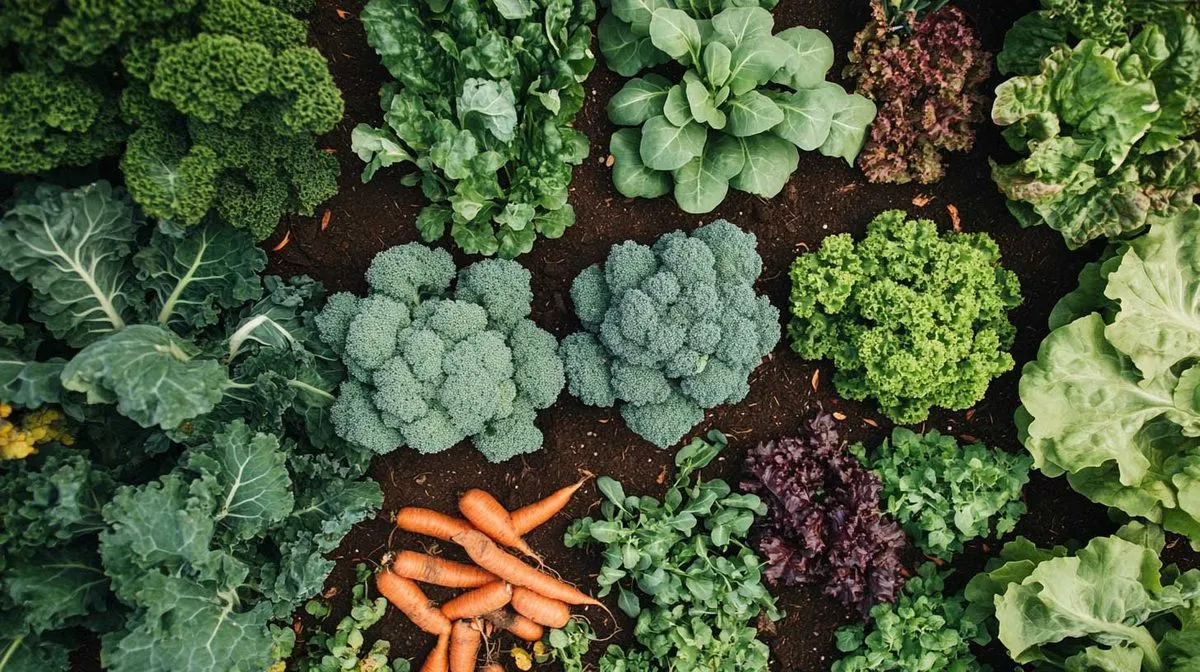
Leafy Greens
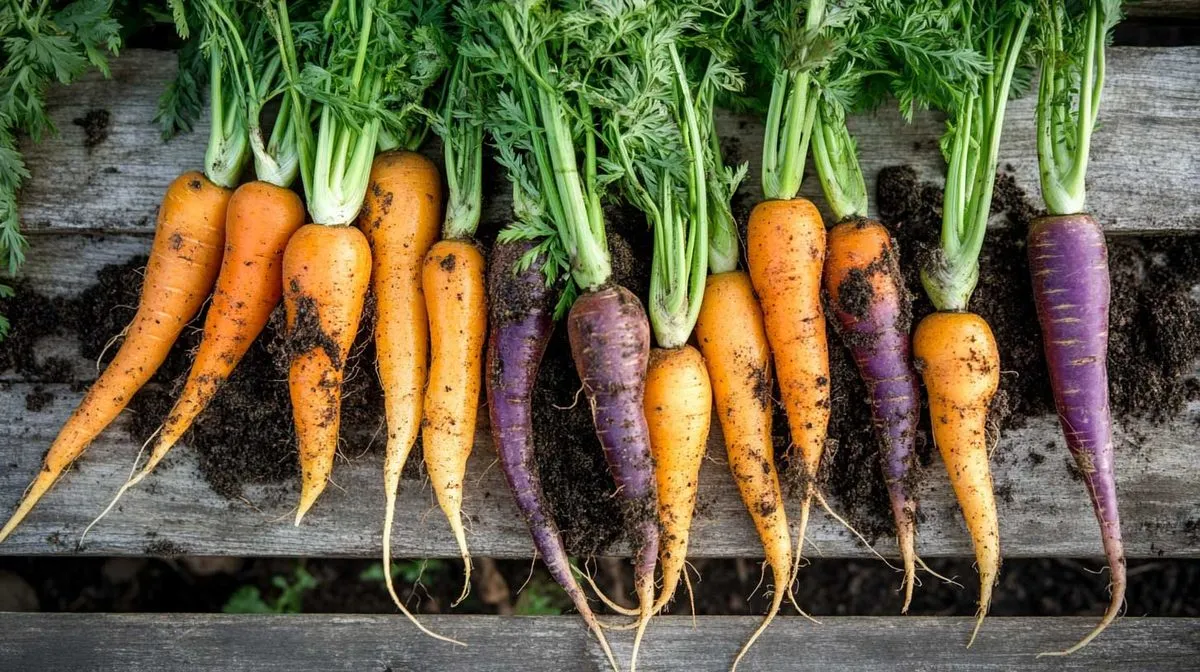
Root Vegetables
Brassicas
Companion Flowers
Why SEQ Needs Its Own Guide
Most Australian gardening advice is written for Melbourne or Sydney. Those cities have four distinct seasons with cold winters and mild summers. SEQ is different. Summers are hot and humid with heavy rainfall that brings fungal pressure and fruit fly. Winters are mild and dry, which is actually the best growing season for most vegetables.
A tomato planting guide written for Victoria will tell you to sow in spring. In SEQ, spring-sown tomatoes run straight into the brutal January humidity. The experienced SEQ approach: sow in February or August, dodging peak summer entirely.
Every recommendation in this guide is calibrated for the subtropical zone between Noosa and the NSW border, with notes for the 5 SEQ microclimates.
Frost dates and climate in Brisbane
South East Queensland has a subtropical climate, and our regional frost table lists it as effectively frost free, so the growing season runs all year. The calendar turns on the warm, wet season and the cool, dry season rather than on frost, and the cool, dry months are the main vegetable season.
Frost is local, so here is what the postcode records show for a few places across Brisbane and South East Queensland:
- Brisbane CBD (4000): no frost recorded in 2011 to 2020, so tender crops can go in whenever the calendar allows.
- Surfers Paradise (4217): no frost recorded in 2011 to 2020, so tender crops can go in whenever the calendar allows.
- Maroochydore (4558): no frost recorded in 2011 to 2020, so tender crops can go in whenever the calendar allows.
- Ipswich (4305): frost in 5 of the last 10 winters; typical last frost 17 July; safe for tender crops 9 years in 10 from 21 August; typical first frost 23 June; about 2 frosty mornings a year.
- Beaudesert (4285): frost in 7 of the last 10 winters; typical last frost 17 July; safe for tender crops 9 years in 10 from 17 August; typical first frost 27 June; about 2 frosty mornings a year.
Enter your own postcode in the Frost Lookup for your typical last and first frost. Postcode figures: SILO (Queensland Government), daily minimum temperatures 2011 to 2020, CC BY 4.0.
Brisbane planting seasons: a season-by-season guide
The calendar above, read by season. Counts and crop lists come straight from the Brisbane sowing windows, so they change only when our data changes.
The warm, wet season (October to March)
90 vegetables can be sown at some point in the warm, wet season. Sowing windows that open: in October, Lablab, Queensland Arrowroot, Sorghum and Water Chestnut; in January, Lettuce; in February, Tomato, Beans (bush), Kale, Bok Choy, Broccoli, Cabbage, Cauliflower, Carrot, Beetroot, Celeriac and 7 more; in March, Peas, Snow Peas, Broad Beans, Radish, Onion, Garlic, Leek, Potato, Broccolini, Celery and 19 more. Last chance before the season ends: October for Beans (bush), Lettuce, Carrot and Beetroot; November for Cassava, Choko, Ginger, Jicama (Yam Bean), Quinoa, Rosella, Tomatillo and Turmeric; December for Luffa, Peanuts, Popcorn, Queensland Arrowroot and Sorghum; January for Lablab, Lima (Butter) Beans, Rockmelon and Water Chestnut; February for Capsicum, Chilli, Eggplant, Pumpkin, Sweet Corn, Sweet Potato, Watermelon, Bitter Melon, Edamame, Malabar Spinach and 4 more. You can keep sowing Zucchini, Cucumber, Silverbeet, Amaranth, Brazilian Spinach, Cowpeas (Southern Peas), Kang Kong (Water Spinach), Pigface, Snake Beans, Spring Onion, Warrigal Greens and Watercress through every month of it.
The cool, dry season (April to September)
92 vegetables can be sown at some point in the cool, dry season. Sowing windows that open: in April, Spinach, Jerusalem Artichoke, Parsnip and Rhubarb; in June, Horseradish; in July, Asparagus; in August, Tomato, Capsicum, Chilli, Eggplant, Zucchini, Cucumber, Pumpkin, Sweet Corn, Beans (bush), Ginger and 4 more; in September, Sweet Potato, Watermelon, Amaranth, Bitter Melon, Brazilian Spinach, Cassava, Choko, Cowpeas (Southern Peas), Edamame, Jicama (Yam Bean) and 15 more. Last chance before the season ends: April for Tomato, Cauliflower and Scarlet Runner Bean; May for Beans (bush), Broccoli, Cabbage, Garlic, Celeriac, Florence Fennel and Globe Artichoke; June for Onion, Chicory, Hamburg Parsley, Radicchio, Salsify, Scorzonera and Shallot; July for Broad Beans, Spinach, Leek, Celery, Kohlrabi, Parsnip, Rhubarb, Swede and Wombok; August for Peas, Snow Peas, Kale, Potato, Broccolini, Collards, Daikon, Endive, Fennel, Good King Henry and 2 more. You can keep sowing Lettuce, Silverbeet, Bok Choy, Carrot, Beetroot, Radish, Gai Lan, Komatsuna, Mibuna, Mizuna, Mustard Greens, Rocket, Sorrel, Spring Onion and 2 more through every month of it. For more detail, see what to plant in winter in Brisbane and the best winter vegetables across Australia.
SEQ-Specific Guides
Guides written specifically for South East Queensland's subtropical conditions, humidity, and two-season growing calendar.
Two windows, fruit fly timing What to Plant in Winter
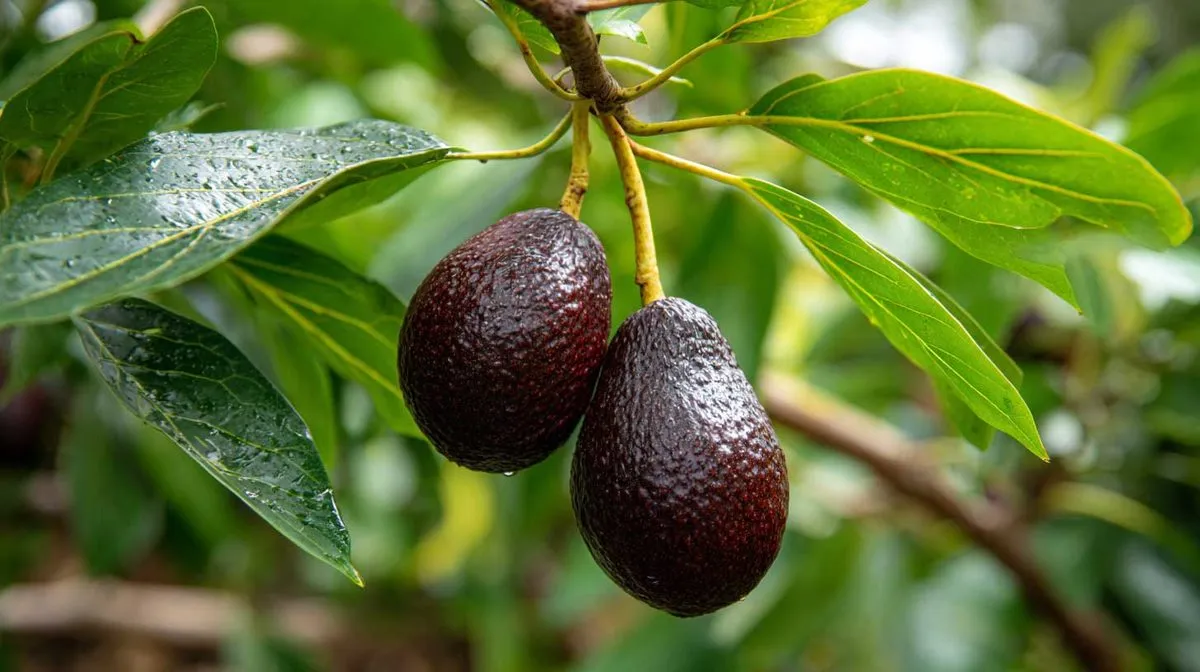
60+ crops for the best season Growing Subtropical Fruit
Mango, avocado, lychee, banana Start a Veggie Garden in SEQ
Clay soil, humidity, first crops Companion Planting for SEQ
Subtropical pairings and trap crops
Growing Guides
In-depth articles written for SEQ conditions, covering timing, varieties, and practical techniques that work in subtropical gardens.
National Guides
In-depth guides that adapt to your region. Select your region inside each guide.
Printable Planting Calendars
Free A4 landscape PDFs with every crop for each month, spacing, harvest days, companions, and sowing windows. Print one and stick it on the fridge.
Free Monthly Planting Calendar
Get a personalised email each month with what to plant, seasonal tips, and harvest reminders for your region.
We send one email per month. Unsubscribe any time.
Free to Start. Yours Forever.
Track all 200+ plants, unlimited garden beds, offline access, companion planting warnings. Free to start, then Pro from $4.99 a month (or $129 once for life).
See Pricing →Plan Your Garden with the Free App
Drag plants into beds, get sow reminders, and track your harvests. Works on phone, tablet, and desktop.
Open the App Free →Planting calendars for other Australian cities
Gardening somewhere else? Each region has its own sowing windows, frost dates and month pages. For a national overview, see what vegetables to plant now across Australia.
- Sydney vegetable planting calendar
Sydney & Coastal NSW: warm temperate, effectively frost free. - Northern Rivers vegetable planting calendar
Northern Rivers NSW: subtropical, effectively frost free. - Melbourne vegetable planting calendar
Melbourne & Victoria: cool temperate, frost window 10 September to 15 May. - Adelaide vegetable planting calendar
Adelaide & SA: Mediterranean, frost window 20 August to 1 June. - Perth vegetable planting calendar
Perth & WA: Mediterranean, effectively frost free. - Hobart vegetable planting calendar
Tasmania: cool temperate, frost window 5 October to 25 April. - Canberra vegetable planting calendar
Canberra & ACT: cool highlands, frost window 1 November to 10 April. - North Queensland vegetable planting calendar
North Queensland: tropical wet/dry, effectively frost free. - Darwin vegetable planting calendar
Darwin & Top End: tropical wet/dry, effectively frost free.
Frequently Asked Questions
What can I grow in South East Queensland?
South East Queensland's subtropical climate supports a huge range of edible plants year-round. You can grow tropical and temperate fruits, all common vegetables, Asian greens, herbs, microgreens, and mushrooms. The key is choosing the right crops for each season. Use the monthly guides above to see what to plant each month.
When is the best time to start a garden in Brisbane and SEQ?
Autumn (March to May) is the easiest time to start a vegetable garden in South East Queensland. The heat eases, rain is more reliable, and a huge range of crops can go in. But you can start any month of the year. Choose crops from the current month's planting list and you will be harvesting within weeks.
Is SEQ too hot to grow cool-climate vegetables?
You can grow many cool-climate crops in SEQ during the cooler months (March to August). Broccoli, cauliflower, peas, broad beans, lettuce, spinach, and beetroot all do well through winter. In summer, switch to heat-tolerant alternatives like kangkong, sweet potato, and snake beans.
What vegetables can I plant now in Brisbane?
It depends on the month. Going by our Brisbane calendar, in the warm, wet season (Oct to Mar) you can sow Capsicum, Chilli, Eggplant, Zucchini, Cucumber, Pumpkin and Sweet Corn; in the cool, dry season (Apr to Sep) you can sow Tomato, Beans (bush), Peas, Snow Peas, Broad Beans, Lettuce and Spinach. The What to plant in Brisbane now section at the top of this page always shows the current month, and each month page lists every crop.
When is the last frost in Brisbane?
South East Queensland is effectively frost free across the region. Postcode records for Brisbane CBD (4000) show no frost in 2011 to 2020. Check your own postcode with the Frost Lookup.
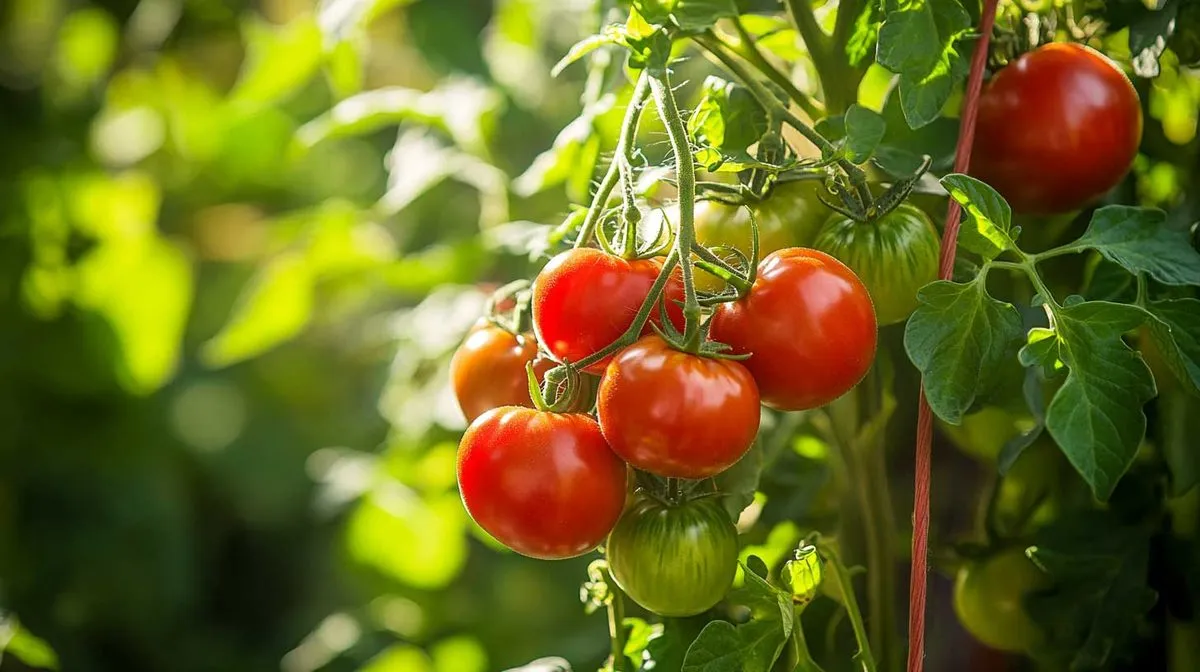
When should I plant tomatoes in Brisbane?
Our Brisbane calendar has tomatoes sown or planted February to April and August to September. More in when to plant tomatoes in Brisbane.
When should I plant potatoes in Brisbane?
Our Brisbane calendar has potatoes sown or planted March to August. More in how to grow potatoes.