How to Grow Coriander in Australia: Sowing, Pots and Bolting
Updated October 2026
Bolt prevention, succession sowing, and planting calendars for every region
Coriander is one of the most wanted herbs in Australian kitchens and one of the most frustrating to grow. It bolts to seed at the first hint of warm weather, leaving you with a tall, flowering plant instead of the leafy herb you wanted. The trick is variety selection, timing, and succession sowing.
This guide covers the best varieties for Australian conditions, how to delay bolting, and alternative plants that give a similar flavour in hot weather.
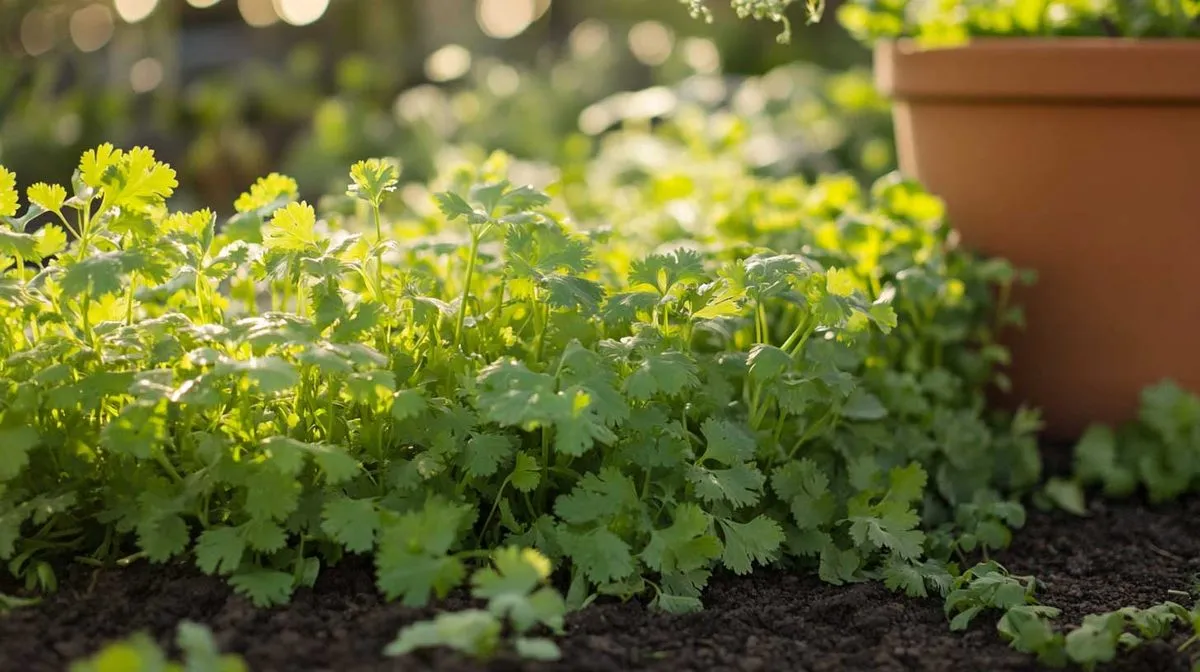
What it looks like as it grows


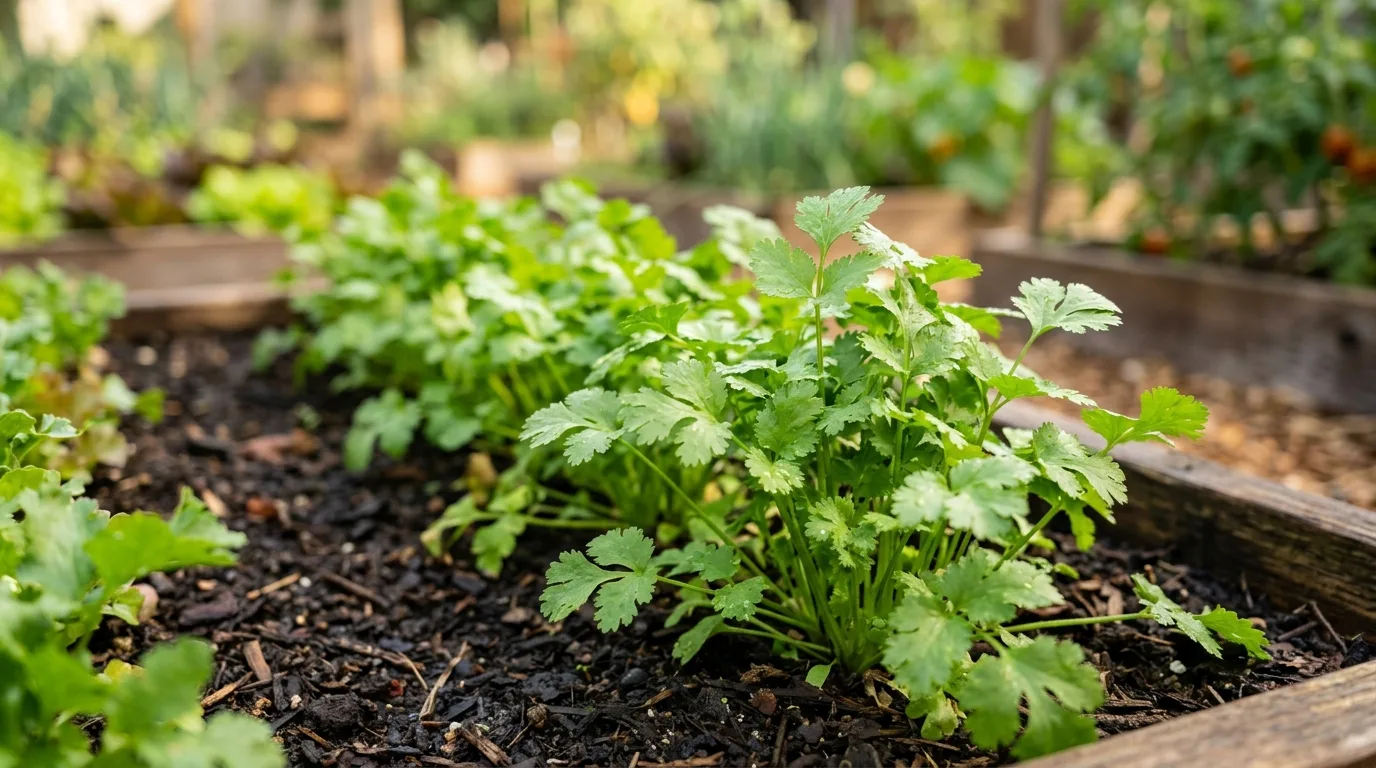
🌱 Plant profile: Coriander, with sowing times for your region, companion plants and common pests.
When to Plant Coriander in Your Region
Coriander is a cool-season herb in most of Australia, so its sowing window is the opposite of the summer crops. These are the sowing months for each region from our planting data. Each region links to its full vegetable planting calendar, and the Coriander plant page has spacing, companions and care notes for your region.
| Region | Sow seed | Local note |
|---|---|---|
| South East Queensland | March to August | |
| Northern Rivers NSW | March to August | |
| Sydney & Coastal NSW | March to August | |
| Melbourne & Victoria | March to September | Sow Mar to Sep. The cool Melbourne winter slows bolting, so the season runs a month longer than in the north. |
| Adelaide & SA | March to August | Avoid sowing Sep to Feb. Coriander bolts above 25°C and does best sown Mar to Aug. |
| Perth & WA | March to August | Avoid sowing Sep to Feb. Coriander bolts above 25°C and does best sown Mar to Aug. |
| Tasmania | September to March | Sow Sep to Mar. Cool summers mean far less bolting than the mainland. Coriander actually works here. |
| Canberra & ACT | February to April and September and October | Sow Feb to Apr or Sep to Oct. Bolts fast in summer heat; winter soil too cold to germinate. |
| North Queensland | May to September | Dry season main window May to Sep. Coriander bolts in wet season heat. |
| Darwin & Top End | May to September | Dry season main window May to Sep. Coriander bolts in wet season heat. |
Coriander Varieties
Slow Bolt
The best variety for Australian conditions. Bred specifically to resist bolting in warm weather. Produces more leaf growth before flowering than standard coriander. Your first choice for any planting.
Santo
Another slow-bolting variety with vigorous leaf production. Slightly larger leaves than Slow Bolt. Good for successive harvests. Popular with market gardeners for its reliability.
Vietnamese Coriander (Rau Ram)
Not true coriander but a perennial herb with a similar flavour. Thrives in heat and humidity. Grows in shade. The best coriander substitute for tropical and subtropical regions during summer.
Culantro (Sawtooth Coriander)
Tropical perennial with long, serrated leaves and intense coriander flavour. Handles heat and humidity far better than regular coriander. Common in Caribbean and Asian cooking.
Common Coriander
The standard variety, fast-growing but quick to bolt in any warmth. Best for cool-season growing (autumn to early spring). Good for seed production (the seeds are a spice in their own right).
How to Sow Coriander Seed
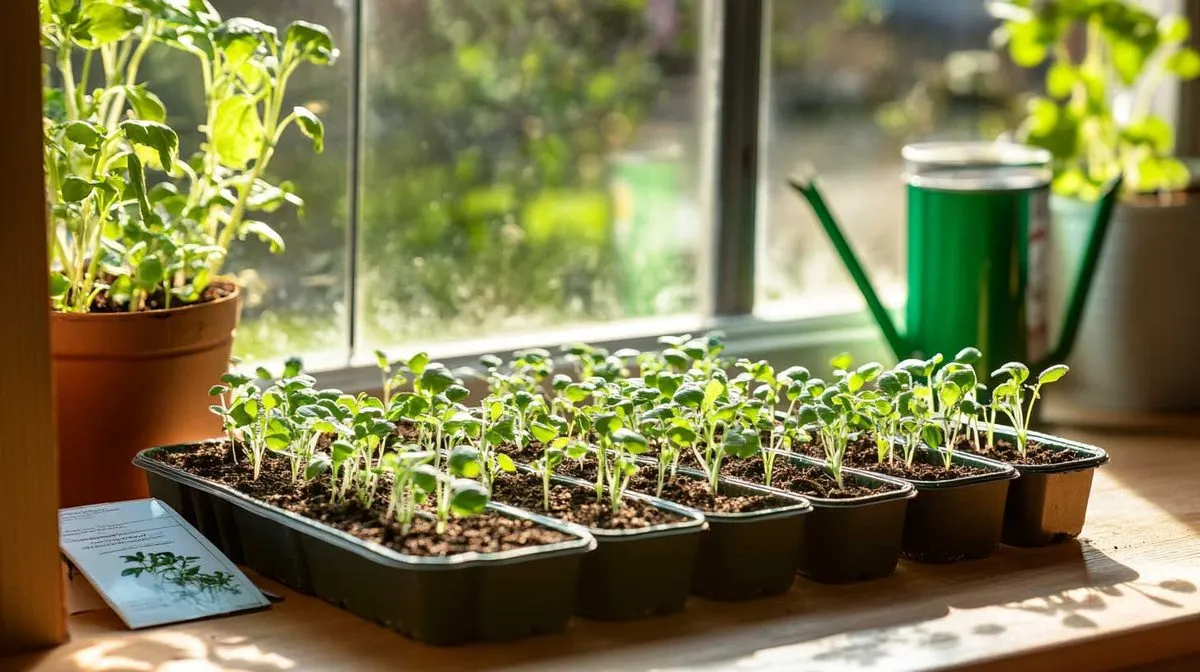
Coriander is easiest grown from seed sown where it is to grow, because it resents transplanting and plants that are moved bolt straight to flower. Here is how to sow it.
- Choose a spot in full sun to part shade with free-draining soil. Our plant data puts the ideal pH between 6 and 7, and a little afternoon shade lengthens the leafy stage in warm spells.
- Gently crush the round seeds to split them, then sow them about 1 cm deep.
- Keep the soil evenly moist. Seedlings appear in about 10 days when the soil is between 15 and 22°C.
- Thin the seedlings to about 15 cm apart so each plant has room to bulk up.
- Feed lightly with a balanced liquid feed. Too much nitrogen gives soft growth that bolts faster.
Bolt Prevention
Coriander bolts because it is an annual that wants to complete its lifecycle quickly. Heat, long days, and root disturbance all trigger bolting. Here is how to delay it:
- Grow slow-bolt varieties. Slow Bolt and Santo give you weeks more leaf production than common coriander
- Plant in the cooler months. Autumn through early spring is the main window in most regions
- Provide afternoon shade in warm weather. Morning sun and afternoon shade extends the leafy phase
- Sow direct, never transplant. Root disturbance triggers immediate bolting. Always sow seeds where they will grow
- Keep soil consistently moist. Dry stress is a major bolting trigger
- Harvest regularly. Frequent picking keeps plants in leaf-production mode
Succession Sowing
Even with slow-bolt varieties, individual coriander plants have a limited leafy lifespan. Succession sowing is essential for a continuous supply.
Sow a small patch every 2 to 3 weeks through your sowing window: March to August in most regions, March to September in Melbourne, February to April and again in September and October in Canberra, September to March in Tasmania, and May to September in the tropics. By the time one batch starts bolting, the next batch is ready to harvest.
Growing Coriander in Pots
Coriander is a good pot herb, and a pot makes it easy to move the plants into afternoon shade when a warm spell arrives. Use a pot at least 20 cm deep filled with a free-draining potting mix. Sow the seed straight into the pot rather than buying punnet seedlings, keep the mix evenly moist and feed lightly with a liquid feed. Sow a new pot every few weeks so one is always coming on as the last one bolts.
Coriander Alternatives for Hot Weather
When it's too hot for regular coriander, these plants give similar flavours and thrive in the heat:
- Vietnamese Coriander (Rau Ram): Perennial, loves heat and moisture, grows in shade. Similar flavour to coriander with a peppery edge.
- Culantro (Sawtooth Coriander): Tropical perennial with intense coriander flavour. Grows happily in humid conditions that would kill regular coriander.
- Papalo: Mexican herb with a coriander-citrus flavour. Annual that thrives in full summer heat.
Harvesting Coriander Leaves and Seed
Our plant data puts coriander at about 50 days from sowing to a good leaf harvest. Snip the outer leaves while the plants are young and lush, taking them from the base and leaving the centre to keep growing, and pick regularly, because frequent harvesting keeps the plants in leaf. Cut what you need before the plant bolts. Fresh coriander keeps for up to a week in the fridge with the stems in water and a bag over the top.
Once the plants flower, let a few go to seed. The flowers draw in hoverflies, bees and parasitic wasps, and the round seeds that follow are the coriander spice. Collect them once they have dried on the plant, and keep some to sow next season.
Good companions for coriander
Our companion data pairs coriander with spinach and dill, which like the same cool season and the same light, evenly moist soil, and suggests keeping it away from fennel. A few coriander plants left to flower among the vegetables also pull in the hoverflies and small wasps that hunt aphids. The companion planting chart has the pairings for every common vegetable and herb.
Common Problems
Immediate bolting
If coriander bolts within days of planting, the most likely cause is transplant shock or root disturbance. Always direct-sow coriander seeds. Never buy coriander seedlings in punnets.
Yellowing leaves
Usually caused by overwatering or poor drainage. Coriander needs moist but not waterlogged soil. Improve drainage or grow in raised beds.
Aphids
Green aphids cluster on coriander's soft leaves. Blast off with water or spray with soapy water. Severe infestations weaken plants and encourage bolting.
Frequently Asked Questions
When should I plant coriander in Australia?
Sow coriander in the cooler months. South East Queensland, the Northern Rivers, Sydney, Adelaide and Perth sow from March to August, and Melbourne from March to September. Canberra sows from February to April and again in September and October, and Tasmania's cool summers allow sowing from September to March. In the tropics, stick to the dry season from May to September. Avoid sowing in the heat of summer, when coriander bolts quickly.
Why does my coriander bolt so quickly?
Coriander is an annual that bolts in response to heat, long days, and root disturbance. Use slow-bolt varieties, sow direct (never transplant), water consistently, and grow in the cooler months. Succession sow every 2 to 3 weeks for continuous supply.
Is Vietnamese coriander the same as regular coriander?
No. Vietnamese coriander (Rau Ram) is a completely different plant but has a similar flavour. It is a perennial that thrives in heat and humidity, making it an excellent substitute when regular coriander bolts.
Can I grow coriander in pots?
Coriander grows well in pots at least 20 cm deep. Use good potting mix and keep it consistently moist. Place in morning sun with afternoon shade in warm weather. Sow seeds directly into the pot and do not transplant.
How long does coriander take to grow?
About 50 days from sowing to a good leaf harvest, according to our plant data. Seedlings appear in about 10 days when the soil is 15 to 22°C. Pick the outer leaves regularly and sow a fresh patch every 2 to 3 weeks for a steady supply.
How do I sow coriander seeds?
Gently crush the round seeds to split them, then sow them about 1 cm deep directly where they are to grow, in full sun to part shade. Keep the soil moist until the seedlings appear and thin them to about 15 cm apart. Do not transplant coriander, because disturbance makes it bolt.
Can I grow coriander in summer?
In most of mainland Australia, summer heat makes coriander bolt within weeks, and our data advises against sowing in the hot months. Tasmania is the exception, where cool summers allow sowing from September to March. Elsewhere, grow Vietnamese coriander or culantro in summer and go back to coriander in autumn.
See also: Coriander in the Plant Library
Plant profile
The coriander profile has sowing times for your region, companion plants and common pests.