How to Grow Lettuces in Australia: Sowing and Companion Plants
Updated October 2026
Cut-and-come-again technique, variety picks, and planting calendars for every region
Lettuce is the fastest salad crop you can grow. Some varieties are ready to pick just 4 weeks after sowing. It grows in garden beds, pots, window boxes, and even between taller crops. You can have fresh salad leaves within arm's reach of the kitchen all year round in most Australian climates.
This guide covers the best varieties, the cut-and-come-again technique, how to stop lettuce bolting in heat, and when to plant in your region.
What it looks like as it grows


🌱 Plant profile: Lettuce, with sowing times for your region, companion plants and common pests.
Which Lettuce, When?
Lettuce lives or dies by the weather. Pick the wrong type for the season and it bolts to seed and turns bitter; pick the right one and you have crisp leaves for weeks. Choose your season and climate and the selector tells you which types to grow, your bolt risk, and how often to sow.
When to Plant Lettuce in Your Region
Lettuce has a long sowing window in most regions, but not a year-round one. These are the sowing months for each region from our planting data. Each region links to its full vegetable planting calendar, and the Lettuce plant page has spacing, companions and care notes for your region.
| Region | Sow seed | Local note |
|---|---|---|
| South East Queensland | January to October | Sow Jan to Oct. Skip November and December, when the heat bolts lettuce. |
| Northern Rivers NSW | January to October | Sow Jan to Oct, as in South East Queensland. |
| Sydney & Coastal NSW | January to October | Sow Jan to Oct. April to September is the most reliable time; give summer sowings afternoon shade. |
| Melbourne & Victoria | March to September | Sow Mar to Sep, from autumn through winter into early spring. Melbourne's cool season is longer than Brisbane's. |
| Adelaide & SA | April to October | Mediterranean: avoid Dec to Feb heat. Sow Apr to Oct for autumn-winter harvest. Lettuce bolts above 25°C. |
| Perth & WA | April to October | Sow Apr to Oct. Late autumn heat spikes can bolt the earliest sowings, so give them steady water and some shade. |
| Tasmania | August to March | Sow Aug to Mar, succession every 2 to 3 weeks. Mild summers mean little bolting. Winter sowings need a cloche or cold frame. |
| Canberra & ACT | August to May | Sow Aug to May. Midwinter sowing fails in frozen soil; use a frame or wait for August. Succession sow every 2 to 3 weeks. |
| North Queensland | May to August | Dry season only. Sow May to Aug with afternoon shade. Bolts fast once build-up heat arrives from September. |
| Darwin & Top End | May to August | Dry season only. Sow May to Aug. Bolts quickly in wet season heat/humidity; needs shade cloth even in dry season in Darwin. |
Position and Soil
Lettuce likes full sun in the cooler months but appreciates afternoon shade once the weather warms. It is shallow-rooted and thrives in soil rich in organic matter that holds moisture without staying waterlogged. Dig through plenty of compost or well-rotted manure before planting.
Because lettuce grows fast, it needs steady access to water and nutrients. A bed that dries out or runs short of feed checks growth and pushes plants towards bolting. In hot regions, a spot that catches morning sun and afternoon shade extends the season noticeably.
Sowing
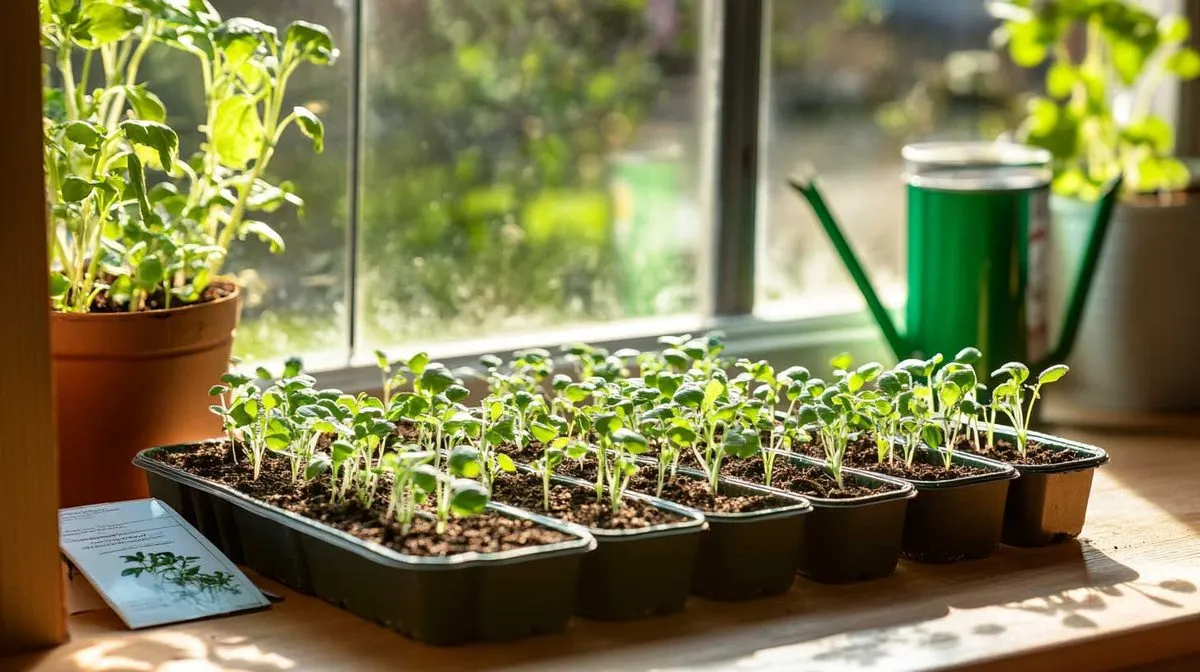
Lettuce seed is tiny and needs light to germinate, so barely cover it. Sow direct in shallow rows or raise seedlings in punnets and transplant when they have a few true leaves. Seed germinates best between 10 and 20 degrees; above about 25 degrees it can go dormant, so in hot weather sow in the cool of the evening and keep the surface damp.
The secret to a steady supply is succession: sow a short row or a punnet every 2 to 3 weeks rather than one big planting. By the time one batch slows, the next is ready to pick.
How to grow lettuces, step by step
- Prepare a bed or pot of fertile, moisture-holding soil with plenty of compost, in full sun for the cool months or with afternoon shade once it warms up.
- Sow the seed very shallow, about 5 mm deep or just pressed into the surface, because lettuce seed needs light to germinate.
- Keep the surface damp. Seedlings appear in about 10 days in cool soil, and germination stalls once the soil gets hot.
- Thin or transplant the seedlings to about 25 cm apart for heading types, or closer for loose-leaf types you will pick leaf by leaf.
- Water often and evenly and feed every couple of weeks with a liquid feed, because fast growth gives sweet, tender leaves.
- Sow again every 2 to 3 weeks so a new batch is always coming on.
Our plant data allows about 55 days from sowing to a full head, and loose-leaf types can be picked well before that.
Spacing
Space heading types like Iceberg, Cos, and butterhead about 25 to 30 cm apart so heads have room to fill. Loose-leaf types grown for cut-and-come-again can go closer, around 15 to 20 cm, or be sown thickly and thinned as you eat the thinnings. Good spacing keeps air moving, which cuts down fungal problems and slug damage.
Watering and Feeding
Keep the soil consistently moist. Lettuce is more than ninety per cent water, and any check from drying out makes it bitter and triggers bolting. Water in the morning so leaves dry through the day, which also leaves the soil drier at night when slugs feed.
Feed every couple of weeks with a liquid fertiliser or seaweed solution to keep growth fast and leaves tender. Slow-grown lettuce is tough and bitter; fast-grown lettuce is sweet and crisp. Mulch around plants to hold moisture and keep the roots cool.
Cut-and-Come-Again Technique
This method gives weeks of harvests from a single sowing. Instead of growing to full head size and pulling the whole plant, you pick individual outer leaves as you need them while the plant keeps growing from the centre.
- Start picking when leaves are 10 to 15 cm long
- Always leave at least 4 to 5 inner leaves so the plant can keep growing
- Cut leaves cleanly with scissors rather than tearing
- Oakleaf, Mignonette, and loose-leaf varieties work best for this method
Bolt Prevention
Bolting, where the plant sends up a flower stalk, makes lettuce bitter and inedible. Heat, long days, and drought stress are the triggers. To hold it off:
- Grow heat-tolerant types in the warm months (loose-leaf, Oakleaf, heat-tolerant Cos such as Great Lakes)
- Provide afternoon shade in hot regions
- Keep the soil consistently moist, since drought stress triggers bolting fast
- Harvest regularly to keep plants in leaf-production mode
- In the tropics, sow only in the dry season, from May to August. In South East Queensland, the Northern Rivers and Sydney, skip November and December and use heat-tolerant types for January and February sowings
Companion Planting Lettuce
Lettuce is an easy neighbour. It is small, quick and shallow-rooted, so it tucks in between slower crops, and our companion data pairs it with carrots, radish, onions, chives, strawberries and marigolds. Many other plants list lettuce as a good companion in our data as well, including beetroot, silverbeet, garlic, spring onions, rocket and snow peas.
- Carrots, radish and beetroot are root crops, so they share a bed with leafy lettuce well, and all three are listed as lettuce companions in our data.
- Onions, chives, garlic and spring onions pair with lettuce in both directions in our data.
- Strawberries and marigolds are listed as companions too, and make a good edging for a lettuce bed.
The one plant to keep apart is parsley, which our data lists as a poor companion for lettuce in both directions. The companion planting chart has the pairings for every common vegetable and herb.
Common Problems
Slugs and snails
The biggest pest for lettuce. They feed at night and can demolish seedlings overnight. Use iron-based pellets, beer traps, or copper tape around containers, and water in the morning so the soil is drier at night when they are active.
Aphids
Green or brown aphids hide in leaf folds. Blast them off with water or use a soapy water spray. Heavy infestations stunt growth and spread disease.
Tip burn
Brown edges on inner leaves, especially on Iceberg and heading types. Caused by a calcium shortfall linked to uneven watering. Water consistently and mulch to keep soil moisture even.
Bitterness and bolting
Brought on by heat, drought stress, and long days. Grow heat-tolerant types in warm weather, keep the water up, give afternoon shade, and pick before a flower stalk forms.
Harvest
Pick lettuce in the cool of the morning when leaves are crisp and full of water. For cut-and-come-again, take outer leaves and leave the centre to regrow. For heading types, cut the whole head at the base once it is firm and full. Harvest before the plant starts to elongate and bolt, as flavour turns bitter quickly once it does.
Varieties
| Variety | Type | Days to harvest | Notes |
|---|---|---|---|
| Cos (Romaine) | Upright heading | 55 to 70 | Crisp, sweet, the classic Caesar lettuce. Heat-tolerant strains suit warmer regions. Pick outer leaves early or wait for full heads. |
| Great Lakes | Crisphead (Iceberg) | 70 to 85 | The most heat-tolerant heading lettuce. Stands warm weather better than other Iceberg types. Crunchy, dense heads. |
| Butterhead | Loose heading | 45 to 60 | Soft, tender, buttery leaves. Best in the cooler months. Fast to mature but bolts quickly in heat. |
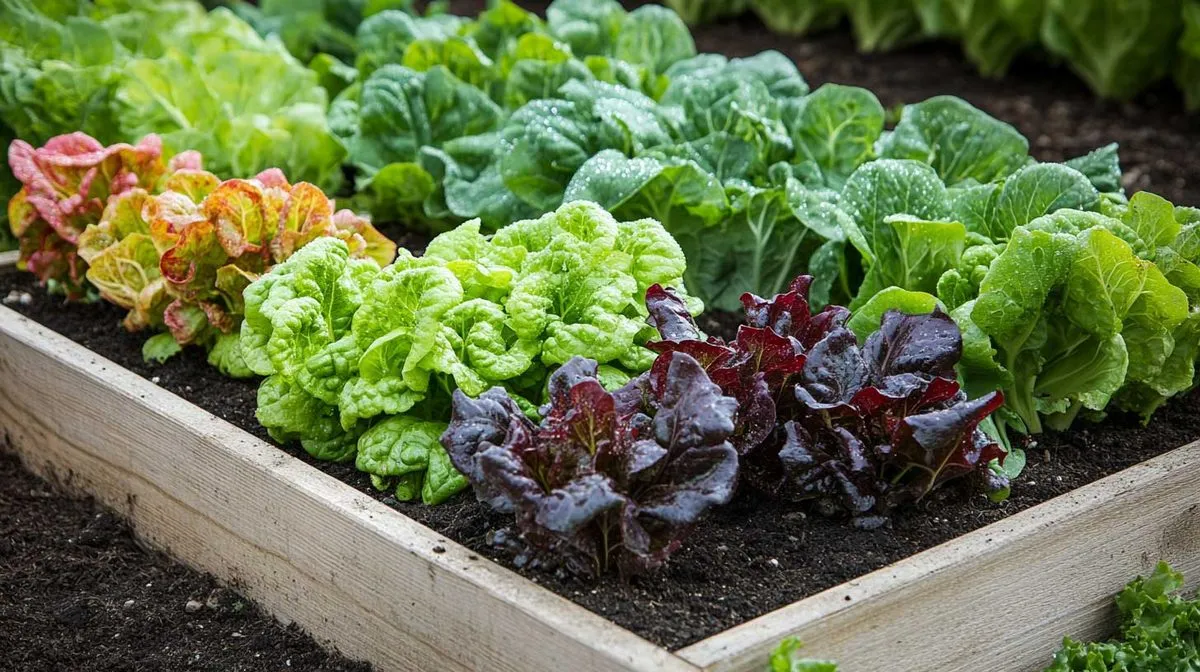
| Oakleaf | Loose-leaf | 40 to 55 | Lobed leaves in green or red. One of the best cut-and-come-again types and tolerates heat well. |
| Mignonette | Loose-leaf | 45 to 60 | Compact French heirloom with red-tinged leaves and fine flavour. Ideal for pots and tight spaces. |
| Iceberg | Crisphead | 70 to 85 | Dense, crunchy heads. Needs cool conditions to heart up. Best grown in autumn and spring in temperate zones. |
Frequently Asked Questions
When should I plant lettuce in Australia?
Lettuce has a long sowing window in most regions. South East Queensland, the Northern Rivers and Sydney sow from January to October, Melbourne from March to September, and Adelaide and Perth from April to October. Tasmania sows from August to March and Canberra from August to May. In North Queensland and Darwin, sow only in the dry season from May to August. Sow a fresh batch every 2 to 3 weeks for a steady supply.
How long does lettuce take to grow?
Loose-leaf varieties picked cut-and-come-again can start in 4 to 6 weeks. Full heads take 8 to 12 weeks depending on variety. Iceberg takes the longest at 10 to 12 weeks.
Why does my lettuce taste bitter?
Bitterness is caused by bolting (flowering) triggered by heat, long days, and drought stress. Grow heat-tolerant varieties in warm months, provide afternoon shade, water consistently, and harvest before the plant sends up a flower stalk.
Which lettuce is best for hot weather?
In heat, grow loose-leaf and heat-tolerant Cos types such as Great Lakes, Oakleaf, and Cos. Avoid butterhead and tight-heading types in summer, as they bolt and turn bitter fast. Pick young, give afternoon shade, and sow in the cool of the evening.
How do I get a steady supply of lettuce?
Sow a short row or punnet every 2 to 3 weeks rather than one big planting. By the time one batch is slowing down, the next is ready to pick. The cut-and-come-again method stretches each sowing even further.
Can I grow lettuce in pots?
Lettuce is excellent in pots, window boxes, and even colanders with drainage holes. Use a container at least 15 cm deep with good potting mix and keep it consistently moist. Mignonette and Oakleaf are ideal for containers.
What can I plant next to lettuce?
Our companion data pairs lettuce with carrots, radish, onions, chives, strawberries and marigolds, and beetroot, silverbeet, garlic, spring onions and snow peas list lettuce as a companion too. Keep it away from parsley.
What should you not plant with lettuce?
Parsley. Our companion data lists lettuce and parsley as poor companions in both directions, so grow them in separate beds or pots.
Can you grow lettuce in summer?
In Tasmania, yes: mild summers mean little bolting, and our calendar sows from August to March. Canberra also sows through summer. In South East Queensland, the Northern Rivers and Sydney, January and February sowings work with heat-tolerant types and afternoon shade. Melbourne, Adelaide and Perth are better off waiting for autumn, and the tropics sow only in the dry season.
See also: Lettuce in the Plant Library
Plant profile
The lettuce profile has sowing times for your region, companion plants and common pests.