How to Grow Perpetual Spinach
Updated June 2026
The toughest, most productive leafy green in any Australian garden. Cut it, and it comes back.
Perpetual spinach is the workhorse of Australian vegetable gardens. It's not true spinach (Spinacia oleracea), which bolts in heat and sulks in cold. Perpetual spinach is actually a variety of silverbeet (Beta vulgaris subsp. cicla) bred for tender, mild-flavoured leaves that taste and cook like spinach but grow far more reliably across Australian climates.
Plant it once and harvest for 6 to 12 months. It handles heat, survives light frost, tolerates poor soil, and produces a steady stream of leaves that you cut and it regrows. It's the closest thing to a set-and-forget leafy green.
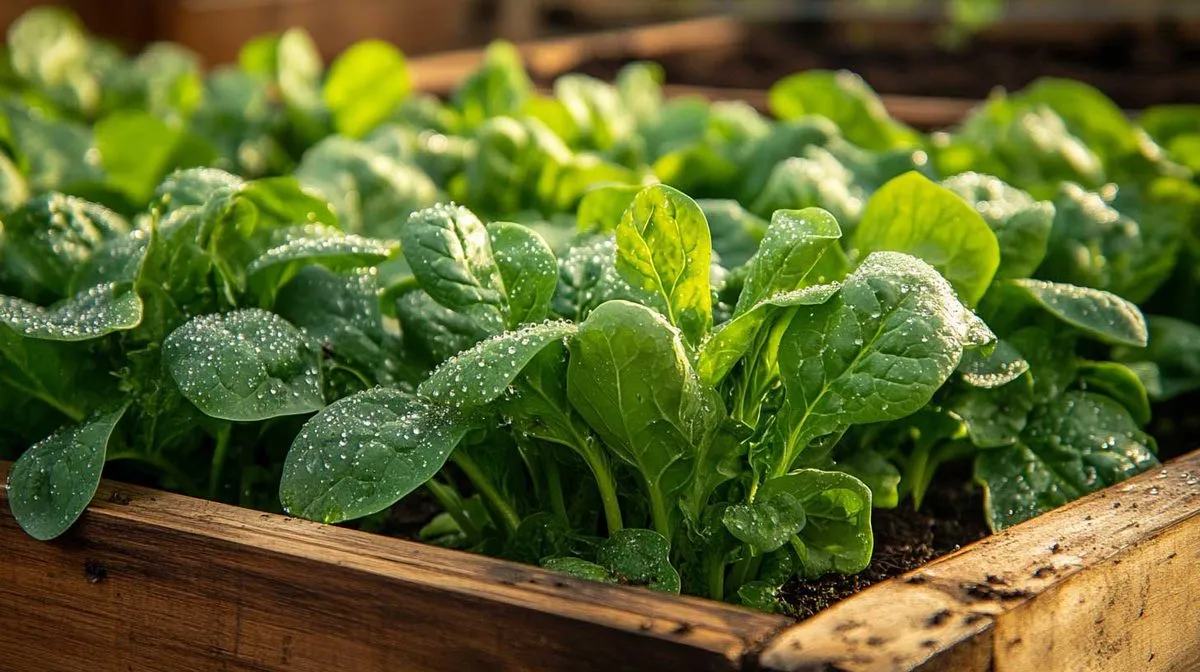
What it looks like as it grows


🌱 Plant profile: Spinach, with sowing times for your region, companion plants and common pests.
When to Plant Perpetual Spinach
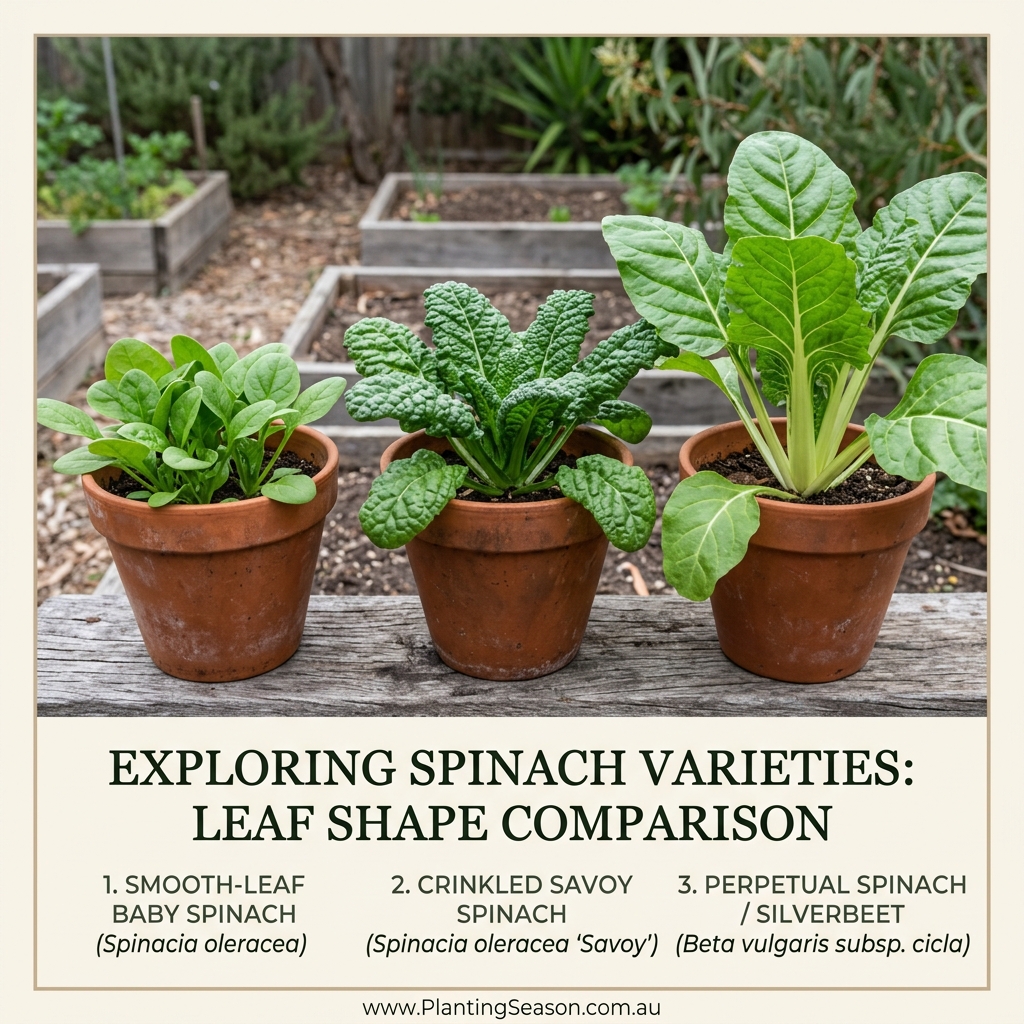
Perpetual spinach is remarkably adaptable. In subtropical regions, it grows almost year-round. In temperate regions, sow from early autumn through spring. It bolts less than true spinach in warm weather, though it still prefers the cooler months for peak leaf production.
Planting Method
- Sow seeds 2 cm deep, 10 cm apart. Rows 30 cm apart. Perpetual spinach seeds are actually clusters of seeds (like beetroot), so you'll get multiple seedlings per "seed." Thin to the strongest one per cluster.
- Soil: Tolerates most soils but performs best in rich, well-drained soil with compost dug through. pH 6.0 to 7.0.
- Position: Full sun in cooler regions. Part shade in subtropical and tropical regions, especially in summer.
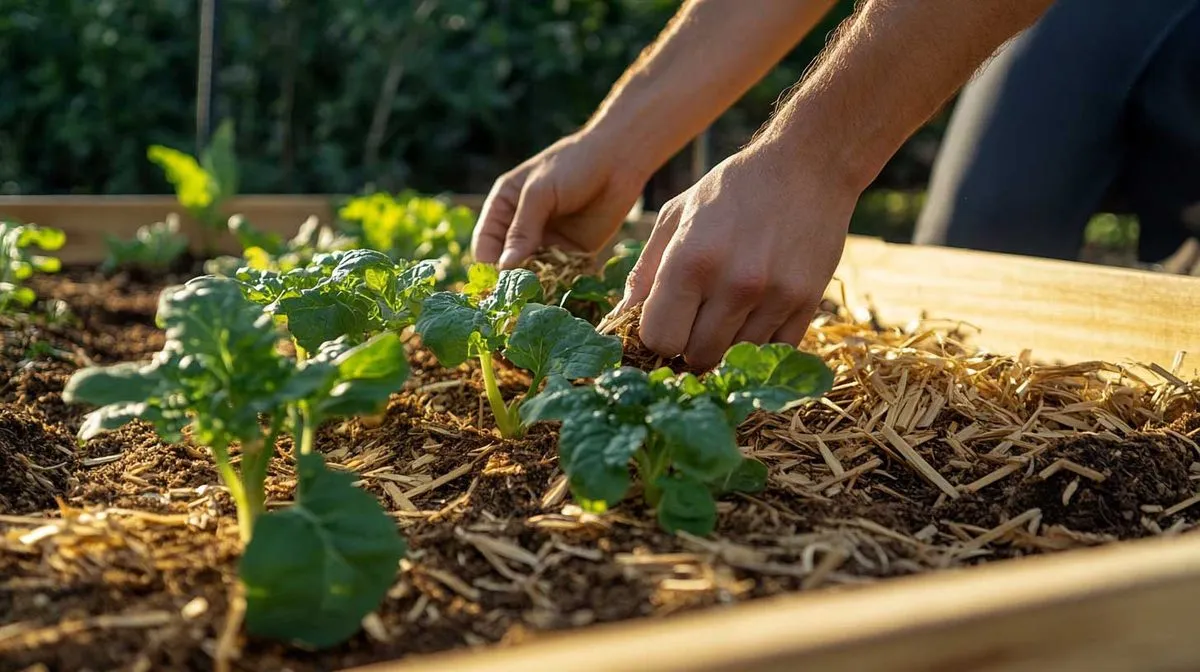
- Water: Regular, deep watering. Drought-stressed plants produce tough, bitter leaves. Mulch heavily to retain moisture.
Perpetual Spinach vs True Spinach vs Silverbeet
True spinach (Spinacia oleracea) is the classic salad spinach with small, smooth or crinkled leaves. It's delicious but bolts to seed quickly in warm weather and only produces for a few weeks before it's done. It suits cool-temperate regions in spring and autumn only.
Silverbeet (rainbow chard) has thick, prominent stems in white, yellow, red, or rainbow colours. The leaves are larger and coarser than perpetual spinach. It's very hardy but the texture is distinctly different from spinach.
Perpetual spinach is the middle ground. It has the thin, mild leaves of spinach on the tough, long-lived plant of silverbeet. Smaller stems than silverbeet, softer texture, and it goes far longer before bolting. If you want "spinach" in an Australian garden, this is the variety to grow.
Harvesting: Cut and Come Again
Start harvesting outer leaves when the plant has at least 8 to 10 leaves. Always cut from the outside, leaving the inner growing point intact. The plant will continuously produce new leaves from the centre.
Harvest every 5 to 7 days during active growing season. Use a sharp knife or scissors and cut the stem at the base. Don't tear leaves, which damages the plant and invites disease.
A single plant can produce for 6 to 12 months before it eventually bolts to seed. When it does bolt (sending up a tall flower stalk), pull it out and sow fresh seeds.
Companion Planting
Good companions: strawberries, peas, beans, cabbage, cauliflower, celery
Avoid: Other beet-family plants (beetroot, silverbeet) in the same bed, which share pests and diseases.
Common Problems
Leaf miner
White, winding trails inside leaves caused by tiny larvae. Remove affected leaves immediately and dispose of them (not in compost). Cover plants with fine mesh to prevent adult flies from laying eggs.
Slugs and snails
Love the tender young leaves, especially in damp weather. Use beer traps, copper tape around beds, or iron-based slug pellets (safe for pets and wildlife).
Bolting
Triggered by heat and long daylight hours. Perpetual spinach bolts far less than true spinach, but it will eventually flower. Harvest regularly, provide afternoon shade in hot regions, and sow replacement plants every 6 months to keep the supply continuous.
Using Perpetual Spinach in the Kitchen
Use perpetual spinach anywhere you'd use true spinach. It wilts quickly when sauteed (like all spinach), so start with a much larger volume than you think you need. Young leaves are excellent raw in salads. Older leaves are better cooked. The stems are tender enough to eat, unlike silverbeet stems that need separate cooking.
Frequently Asked Questions
What is perpetual spinach?
Perpetual spinach is a variety of silverbeet bred to produce tender, mild leaves similar to true spinach. Unlike true spinach, it doesn't bolt quickly in warm weather and produces continuously for 6 to 12 months. It's the best "spinach" for most Australian climates.
Is perpetual spinach the same as silverbeet?
They're related (both Beta vulgaris) but different. Perpetual spinach has thinner stems, smaller and more tender leaves, and a milder flavour closer to true spinach. Silverbeet has thick, prominent coloured stems and larger, coarser leaves.
How long does perpetual spinach produce?
A single plant produces for 6 to 12 months before eventually bolting to seed. Regular harvesting and afternoon shade in hot regions extends the productive life. Sow replacement plants every 6 months for continuous supply.
See also: Spinach in the Plant Library
Plant profile
The spinach profile has sowing times for your region, companion plants and common pests.