How to Grow Celery in Australia
Updated June 2026
Worth the patience. Homegrown celery has a depth of flavour supermarkets can't match.
Celery has a reputation as a difficult crop, and it's partly earned. It's slow to germinate, needs consistent moisture, and bolts in heat. But in the right Australian region with the right timing, celery is absolutely worth growing. The flavour of homegrown celery is so far beyond the watery, tasteless supermarket version that you'll wonder why you ever bought it.
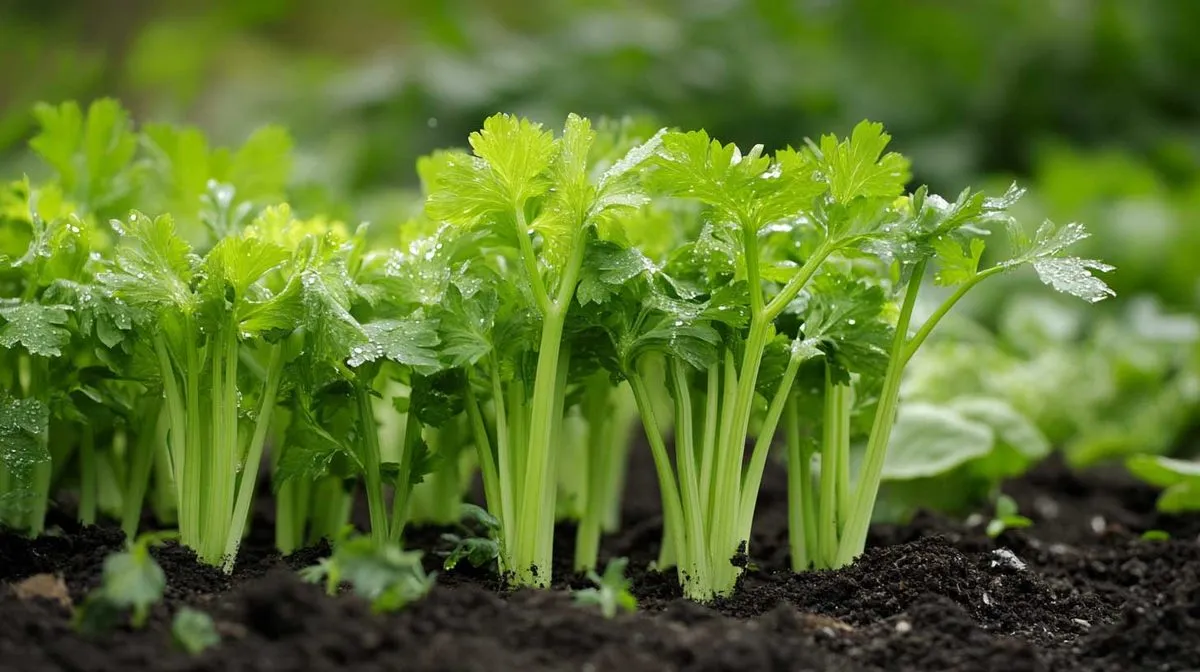
What it looks like as it grows


🌱 Plant profile: Celery, with sowing times for your region, companion plants and common pests.
When to Plant Celery
Celery needs a long, cool growing season (16 to 20 weeks from transplant to harvest). It bolts in heat and stalls in frost. In most of Australia, the window is autumn planting for winter harvest, or late winter planting for spring harvest.
Celery Varieties for Australia
Tall Utah
The standard green celery. Thick stalks, classic flavour. Needs blanching (see below) for mild, pale stems. 18 to 20 weeks to harvest.
Golden Self-Blanching
Pale yellow-green stalks that don't need blanching. Slightly milder flavour than Utah. A bit more compact, making it easier to grow in smaller spaces. 16 to 18 weeks.
Chinese Celery (Leaf Celery)
Thin, hollow stems with intensely flavoured leaves. Used in Asian cooking. Much easier to grow than stalk celery, tolerates more heat, and produces faster. If you've struggled with celery before, start here.
How to Grow Celery Step by Step
- Start seeds indoors. Celery seeds are tiny and germinate slowly (14 to 21 days). Sow on the surface of seed-raising mix and press gently. Don't cover. They need light to germinate. Keep moist and warm (18 to 22 degrees).
- Transplant at 8 to 10 weeks. When seedlings have 4 to 6 true leaves, harden off and transplant into the garden. Space 20 to 25 cm apart in rich, well-composted soil.
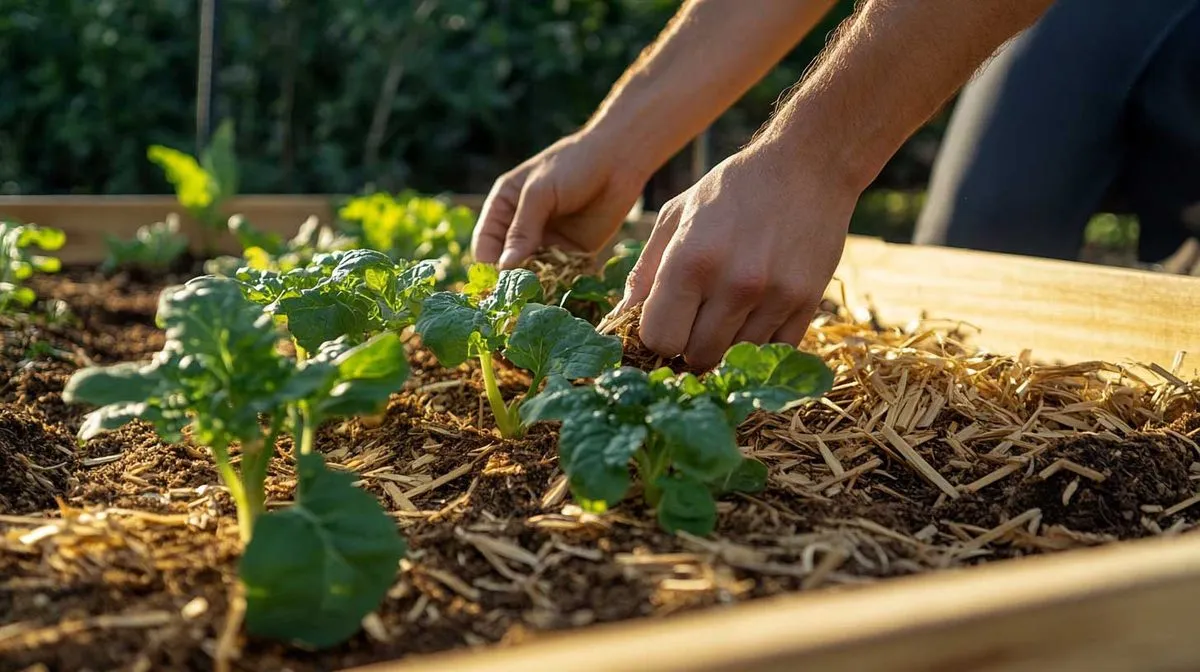
- Water heavily. Celery is 95% water and needs constant moisture. Mulch deeply and water at least every 2 days. Drip irrigation is ideal. Inconsistent watering causes tough, stringy, bitter stalks.
- Feed regularly. Apply liquid fertiliser (seaweed or fish emulsion) every 2 weeks. Celery is a heavy feeder and responds strongly to consistent nutrition.
- Blanch for mild flavour (optional). Wrap cardboard or newspaper around the stalks 2 to 3 weeks before harvest. This blocks sunlight, producing pale, tender, mild-tasting stems. Self-blanching varieties skip this step.
Common Problems
Bolting
Celery bolts (goes to seed) in response to heat or cold shock. Avoid planting too early in spring (late frost triggers bolting) or too late (summer heat triggers bolting). Consistent temperatures between 15 and 22 degrees are ideal.
Stringy, tough stalks
Caused by water stress, poor nutrition, or harvesting too late. Keep soil consistently moist, feed every 2 weeks, and harvest before the weather turns hot.
Septoria leaf spot
Brown spots on leaves that spread in wet conditions. Avoid overhead watering, remove affected leaves, and ensure good air circulation. Crop rotation helps prevent recurrence.
Harvesting
Harvest celery 16 to 20 weeks after transplanting. You can cut individual outer stalks as needed (the plant will continue producing from the centre), or harvest the whole plant by cutting at the base. Celery stores for 2 to 3 weeks in the fridge wrapped in foil.
Frequently Asked Questions
How long does celery take to grow?
Celery takes 16 to 20 weeks from transplanting to full harvest. Seeds take 14 to 21 days to germinate, and seedlings need 8 to 10 weeks before transplanting. Total time from seed to harvest is around 6 months.
When should I plant celery in Australia?
In subtropical regions, plant celery seedlings in March to April for a winter harvest. In temperate regions, plant in late August to September. Celery needs 16 to 20 weeks of cool weather between 15 and 22 degrees Celsius.
What are the best celery varieties?
Tall Utah is the classic stalk celery. Golden Self-Blanching is easier (no blanching needed). Chinese celery (leaf celery) is the most forgiving variety and great for beginners or hot climates.
See also: Celery in the Plant Library
Plant profile
The celery profile has sowing times for your region, companion plants and common pests.