How to Grow Basil in Australia
Updated June 2026
Pinching tips, variety picks, and planting calendars for every region
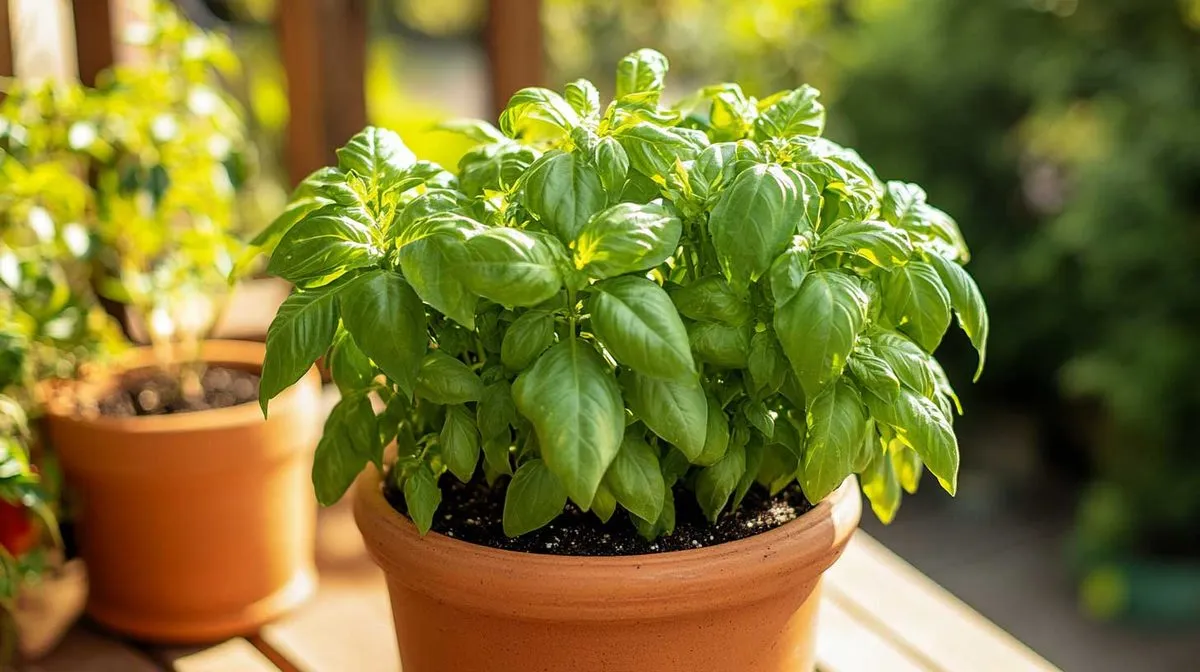
Basil is the essential summer herb. A few plants will supply your kitchen with fresh leaves for months, and it grows happily in garden beds, pots, and even windowsills. The key is warmth. Basil hates cold weather and will sulk or die if temperatures drop below 10 degrees Celsius.
This guide covers the best basil varieties for Australian gardens, when to plant in your region, and how to keep plants producing all season.
What it looks like as it grows


🌱 Plant profile: Basil, with sowing times for your region, companion plants and common pests.
When to Plant in Your Region
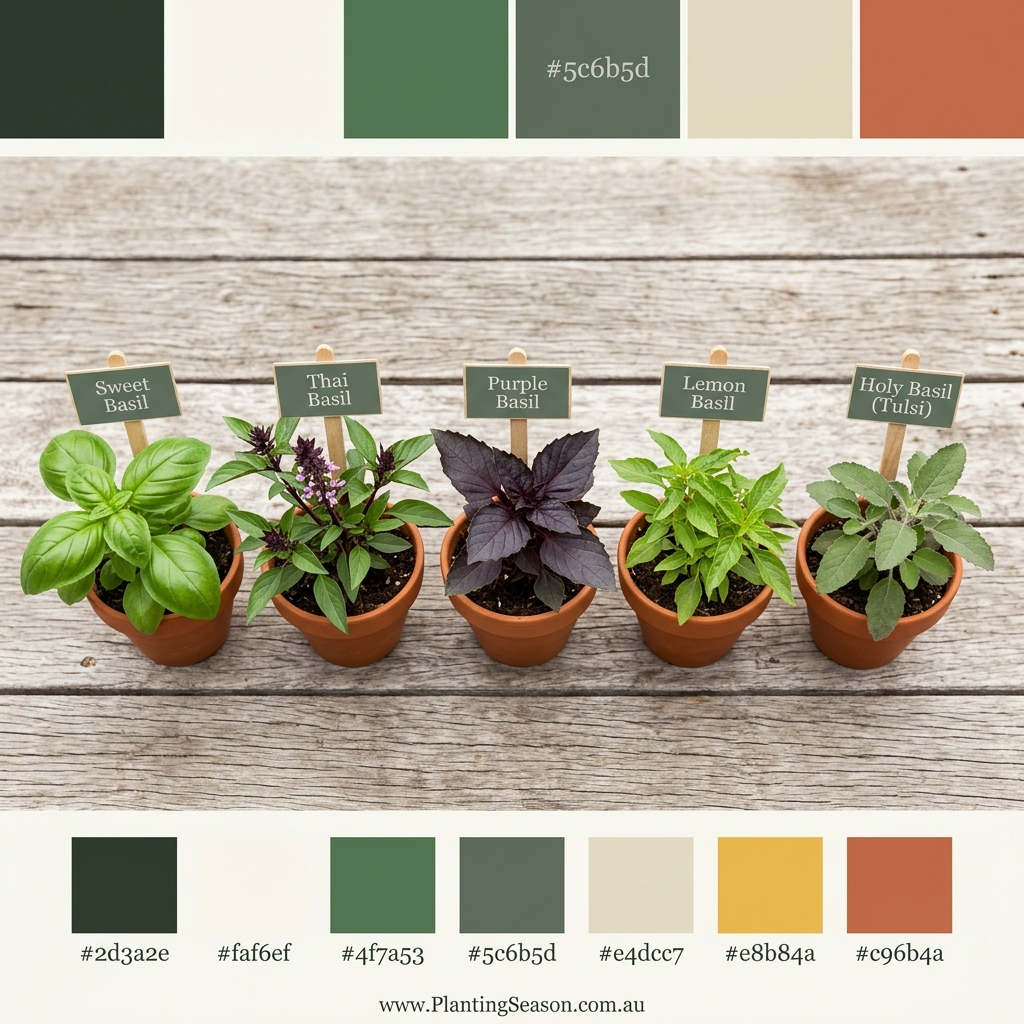
Sweet Genovese
The classic Italian basil. Large, aromatic leaves perfect for pesto, caprese, and pasta. The benchmark variety for flavour and the one most commonly grown in Australian gardens.
Thai Basil
Sturdy stems with smaller, pointed leaves and a distinctive anise-clove flavour. Essential for Thai and Vietnamese cooking. More heat-tolerant than Sweet Genovese and slower to bolt.
Purple Basil
Deep purple leaves with a slightly spicier flavour than sweet basil. Stunning in the garden and in salads. Grows a little slower than green varieties but handles warm conditions well.
Lemon Basil
Bright citrus aroma and flavour. Excellent in fish dishes, salads, and tea. Compact habit suits containers. Self-seeds readily in warm climates.
Greek Basil
Tiny leaves on a compact, bushy plant. Intense flavour concentrated in small leaves. Perfect for pots and windowsills. Naturally bushy habit means less pinching required.
Pinching Technique
Pinching is the single most important thing you can do for basil. Every time a stem grows 3 to 4 pairs of leaves, pinch or cut just above a leaf pair. This forces the plant to branch, doubling the number of growing tips. A regularly pinched basil plant becomes a dense, bushy mound that produces far more leaves than an unpinched one.
Bolt Prevention
Bolting (going to flower) is basil's biggest frustration. Hot weather, stress, and long days trigger flowering. To delay bolting:
- Pinch flower buds the moment you see them
- Water consistently. Drought stress triggers bolting
- Harvest regularly. Taking leaves encourages vegetative growth
- Succession sow every 4 to 6 weeks so you always have young plants coming on
Preserving Basil
Basil produces more than you can eat fresh during peak season. Here are the best ways to preserve it:
- Freeze in oil: Blend leaves with olive oil and freeze in ice cube trays. Drop cubes straight into cooking.
- Pesto: Classic basil pesto freezes brilliantly. Make batches and freeze in small containers.
- Drying: Hang bunches upside down in a warm, airy spot. Dried basil loses much of its flavour but still works in slow-cooked dishes.
Common Problems
Downy mildew
Yellow patches on top of leaves with grey-purple fuzz underneath. Worst in humid conditions with poor air circulation. Space plants well, water at soil level, and remove affected leaves immediately.
Aphids
Small green or black insects clustering on new growth. Blast off with a strong jet of water or spray with soapy water. Ladybirds are excellent natural predators.
Cold damage
Basil blackens and dies at the first hint of frost. Bring pots indoors when overnight temperatures drop below 10 degrees. In cool regions, treat basil as a summer annual.
Frequently Asked Questions
When should I plant basil in Australia?
Plant basil after all frost risk has passed and soil temperatures are above 18 degrees Celsius. In most regions, this means September to November for spring planting. Tropical regions can plant year-round. Check the calendar above for your specific region.
Why does my basil keep flowering?
Basil flowers in response to heat stress, drought, and long days. Pinch flower buds off as soon as they appear, water consistently, and harvest leaves regularly to keep plants in vegetative growth mode.
Can I grow basil indoors?
Basil grows indoors if it gets at least 6 hours of direct sunlight. A north-facing windowsill works best in Australia. Greek basil is the best variety for indoor growing because of its compact habit.
How do I make basil bushy?
Pinch the growing tip above a leaf pair once the stem has 3 to 4 pairs of leaves. This forces two new branches. Repeat every time new stems reach the same size. Regular harvesting has the same effect.
See also: Basil in the Plant Library
Plant profile
The basil profile has sowing times for your region, companion plants and common pests.