How to Grow Roma Tomatoes
Updated June 2026
The best paste tomato for Australian gardens. Meaty, flavourful, and built for sauce-making.
All our tomato guides: when to plant in your region, varieties and fixes.
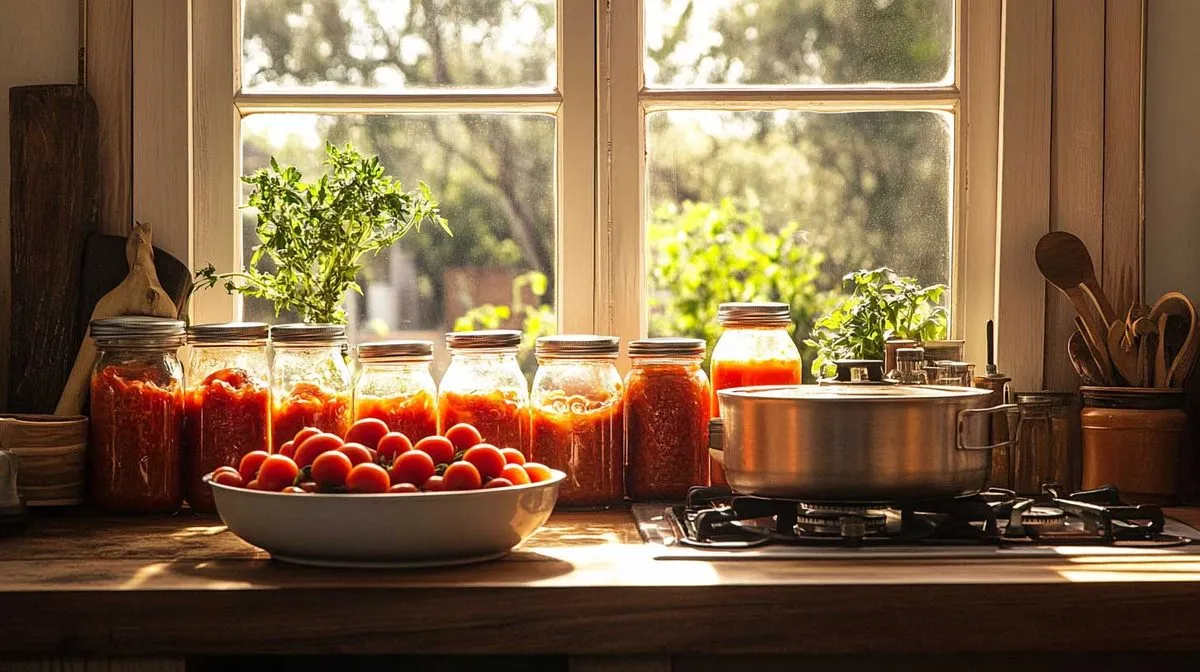
Roma tomatoes are the backbone of homemade pasta sauce, passata, and dried tomatoes. They're bred for thick, meaty flesh with few seeds and low water content, which is exactly what you want when you're cooking down tomatoes into something rich and concentrated. They also happen to be one of the more reliable tomato varieties for Australian conditions.
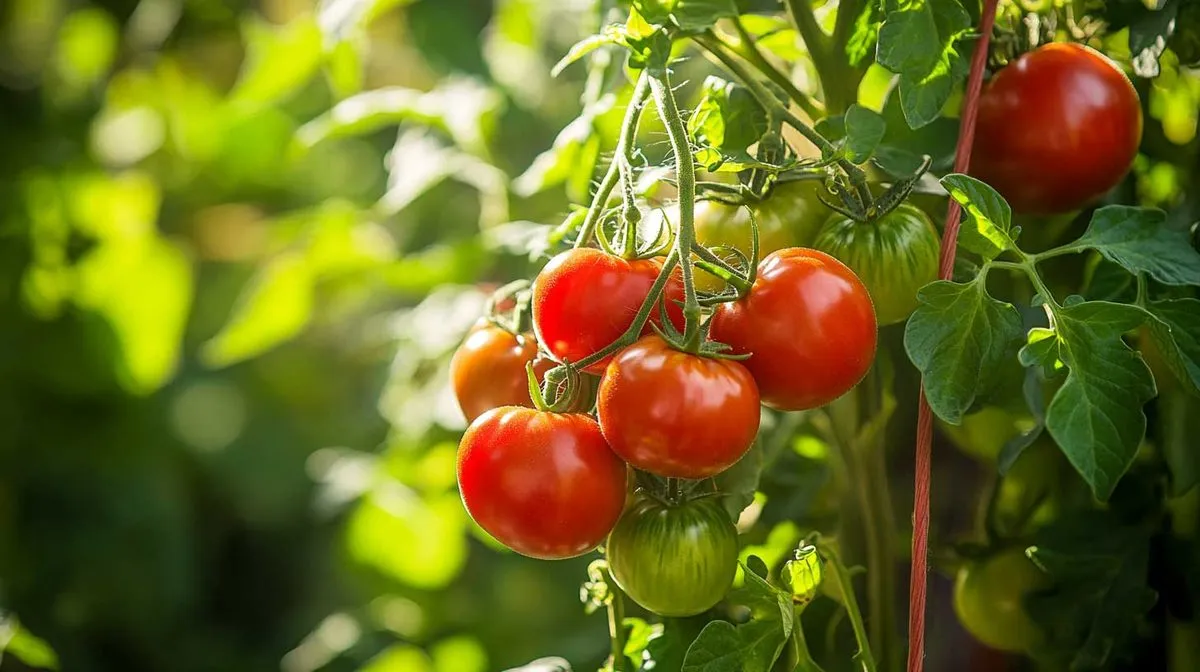
What it looks like as it grows


🌱 Plant profile: Tomato, with sowing times for your region, companion plants and common pests.
When to Plant Roma Tomatoes
Roma tomatoes are a warm-season crop that needs soil temperatures of at least 18 degrees for good germination. In subtropical regions, the best timing is an autumn sow (February to March) for a winter harvest that avoids peak humidity and fruit fly. In temperate regions, spring planting (September to November) for summer harvest is the standard window.
Roma Varieties
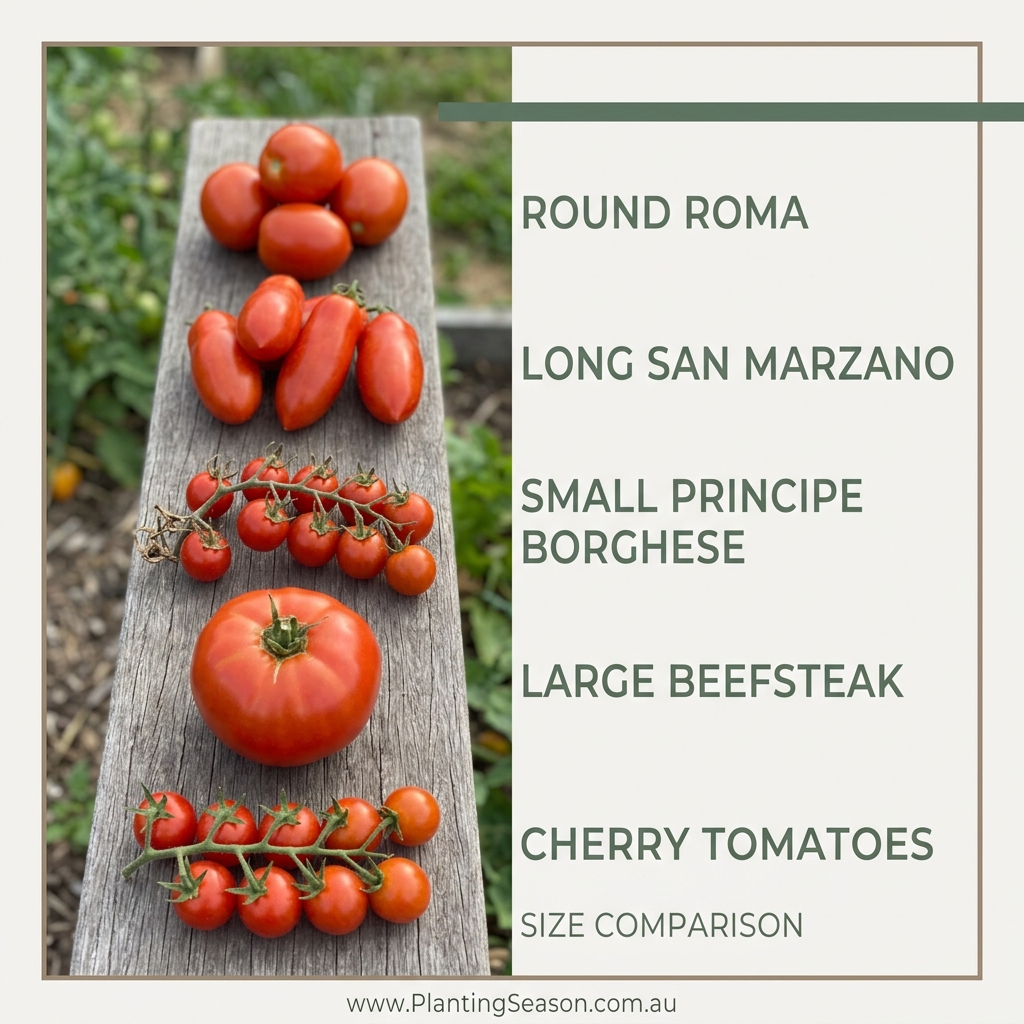
Roma VF
The standard Roma. Determinate (bush) habit reaching about 1 metre. Heavy producer of oval, red, meaty fruit. "VF" means resistant to Verticillium and Fusarium wilt. The most widely available variety in Australia.
San Marzano
The Italian heirloom considered the gold standard for pasta sauce. Longer, thinner fruit than Roma VF. Indeterminate (climbing) habit needing strong support. More susceptible to disease but superior flavour. Best in drier regions like Adelaide, Perth, and inland areas.
Principe Borghese
Small, grape-sized Roma ideal for drying. Determinate habit. Incredibly productive. The classic Italian sun-dried tomato variety. Works well in all Australian regions with enough sun.
Growing Roma Tomatoes
- Start seeds 6 to 8 weeks before transplanting. Sow 5 mm deep in seed-raising mix. Keep warm (20 to 25 degrees) and moist. Germination takes 7 to 14 days.
- Transplant after last frost risk. Harden seedlings off over a week, then plant into rich, well-composted soil. Bury the stem up to the first set of true leaves. Tomatoes grow roots from buried stems.
- Space 50 to 60 cm apart. Roma VF is compact. San Marzano needs more room and a sturdy stake or cage.
- Mulch, water at the base, feed fortnightly. Consistent watering prevents blossom end rot (the most common Roma problem). Feed with a potassium-rich fertiliser once flowers appear.
Common Problems
Blossom end rot
Dark, sunken patch on the bottom of developing fruit. Not a disease but a calcium uptake problem caused by inconsistent watering. Water deeply and regularly. Mulch to keep soil moisture even. The fruit is still edible if you cut off the affected portion.
Fruit fly (subtropical and tropical regions)
The biggest threat to tomatoes in warm Australia. Use exclusion netting during peak fruit fly months (November to February). Protein-based lures around the perimeter help reduce adult populations.
Blight
Early blight causes brown spots on lower leaves. Late blight causes dark, water-soaked patches that spread rapidly. Remove affected foliage. Avoid overhead watering. Copper-based sprays help prevent (not cure) blight. Roma VF has better disease resistance than heirloom varieties.
Harvesting for Sauce
For the best sauce, let Roma tomatoes ripen fully on the vine until deep red and slightly soft. Pick a large batch at once for a sauce-making session. A single Roma VF plant produces 3 to 5 kg of fruit over the season. Ten plants give you enough for a year's worth of passata.
Frequently Asked Questions
What is the best Roma tomato variety?
Roma VF is the most reliable for Australian conditions. It resists Verticillium and Fusarium wilt and produces heavy yields. San Marzano has superior flavour for sauce but is more disease-prone. Principe Borghese is best for drying.
How many Roma tomato plants do I need for sauce?
Each Roma VF plant produces 3 to 5 kg of fruit. Ten plants give you roughly 30 to 50 kg, enough for 15 to 25 litres of passata. That's a year's supply for most households.
Why do my Roma tomatoes have black bottoms?
Blossom end rot. It's caused by inconsistent watering that prevents calcium uptake. Water deeply and regularly, mulch well, and avoid letting soil dry out between waterings. The fruit is still edible above the affected area.
See also: Tomato in the Plant Library
Plant profile
The tomato profile has sowing times for your region, companion plants and common pests.