How to Build a Raised Garden Bed
Updated June 2026
The easiest way to start a productive vegetable garden, whatever your soil or space
A raised garden bed solves almost every problem beginner gardeners face. Bad soil? Doesn't matter, you fill the bed with good soil. Bad drainage? The raised structure drains naturally. Bad back? Build it higher. Weeds? Far fewer, because you control what goes in.
This guide covers everything from choosing materials to filling the bed with the right soil mix for growing vegetables in Australia.
Not sure whether a raised bed, a wicking bed or planting in the ground suits you? Our raised beds and wicking beds guide compares them by region.
Why Raised Beds Work Better
Raised beds warm up faster in spring (important in Melbourne, Hobart, and Canberra), drain better in wet seasons (critical in SEQ, Northern Rivers, and Darwin), and give you complete control over soil quality. You're not fighting your native soil. You're replacing it with exactly what vegetables need.
They also create defined growing spaces that are easier to manage. You know exactly where to water, where to mulch, and where to add compost. There's no sprawl, no wasted effort, and you can walk around all four sides without stepping on and compacting the soil.
Choosing the Right Size
Width: No wider than 1.2 metres. You need to reach the centre from either side without stepping into the bed. If the bed sits against a fence or wall, keep it under 60 cm wide so you can reach the back.
Length: Whatever suits your space. Standard lengths are 1.8, 2.4, or 3 metres. Longer beds may need internal bracing to stop the sides bowing outward under the weight of wet soil.
Height: Minimum 20 cm for most vegetables. 30 cm gives deeper root crops (carrots, potatoes) room to develop. 40 to 60 cm is ideal if you want to reduce bending. For wheelchair access, build to 75 to 80 cm.
Materials: What to Use
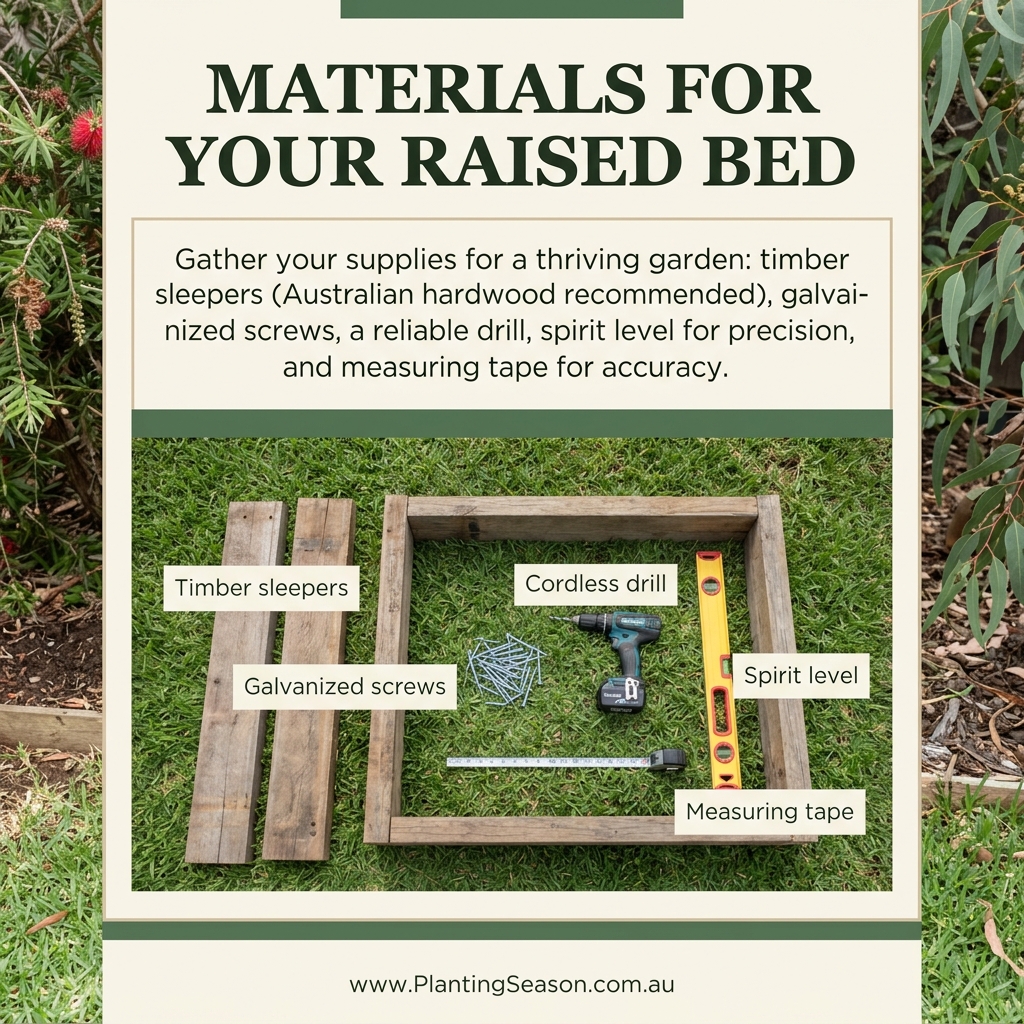
Hardwood timber
The most popular choice. Use untreated hardwood sleepers or planks (spotted gum, ironbark, or similar). Naturally rot-resistant and food-safe. Lasts 8 to 15 years depending on the timber and climate. Cost: moderate. Avoid CCA-treated pine (the green-treated timber), which contains arsenic and chromium. ACQ-treated pine is a safer alternative if hardwood is too expensive.
Corrugated steel (Colorbond or zincalume)
Very durable, clean-looking, and available in colours that match your house. Heats up in direct sun which can cook roots near the edges in hot climates. Line the inside with a layer of mulch or shade cloth if you're in a hot region. Lasts 20+ years.
Concrete blocks or besser blocks
Cheap, permanent, and easy to stack. No tools needed beyond a level. The rough texture isn't for everyone, but they're incredibly functional. You can render or paint them if appearance matters. Essentially permanent.
Recycled materials
Old bathtubs, wine barrels, stock troughs, and similar containers work well as raised beds. Make sure they have drainage holes. Avoid tyres (chemicals leach into soil) and anything that held toxic chemicals.
Step-by-Step Build (Timber Bed)
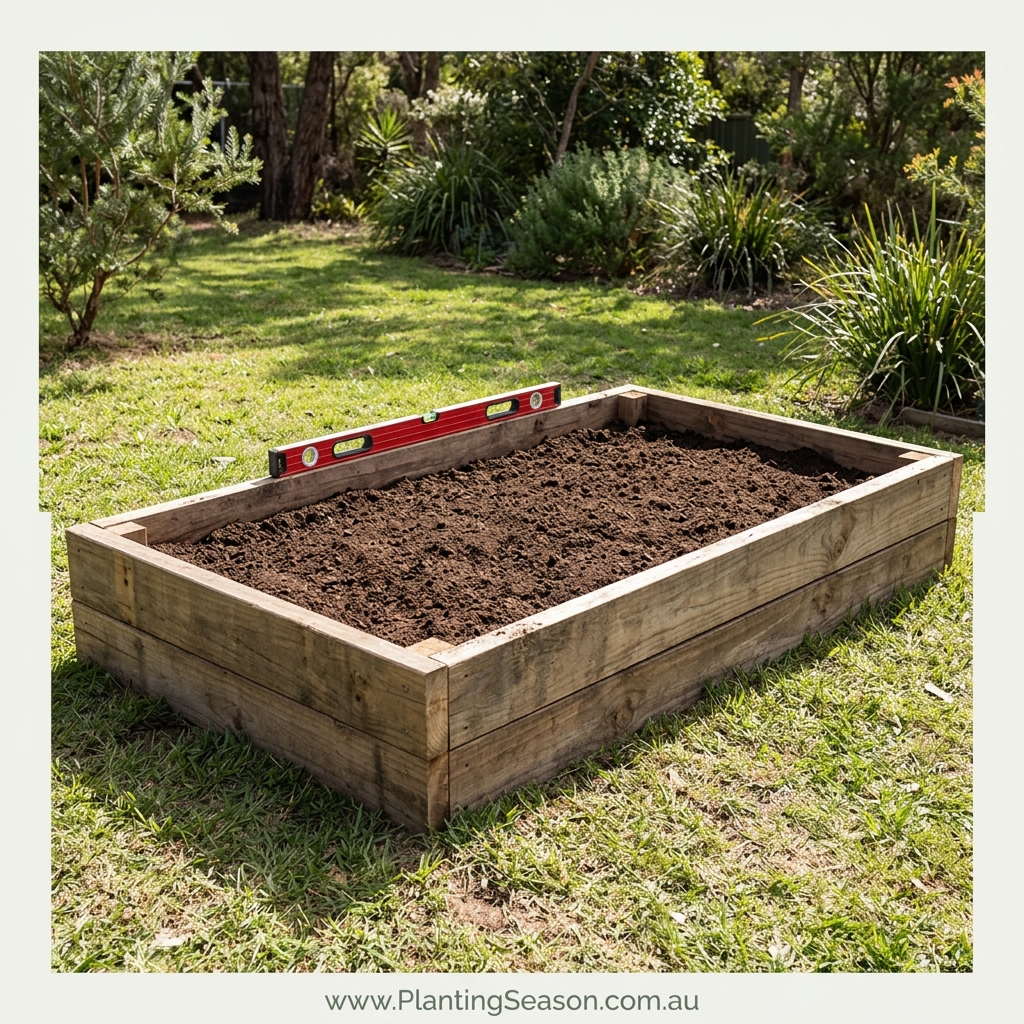
- Mark out the bed. Use string and stakes to define the exact footprint. Check it's level using a spirit level on a straight board.
- Level the ground. Remove turf or vegetation. If the ground slopes, dig the high side down so the frame sits level. A bed that isn't level will have one end deeper than the other, causing uneven watering.
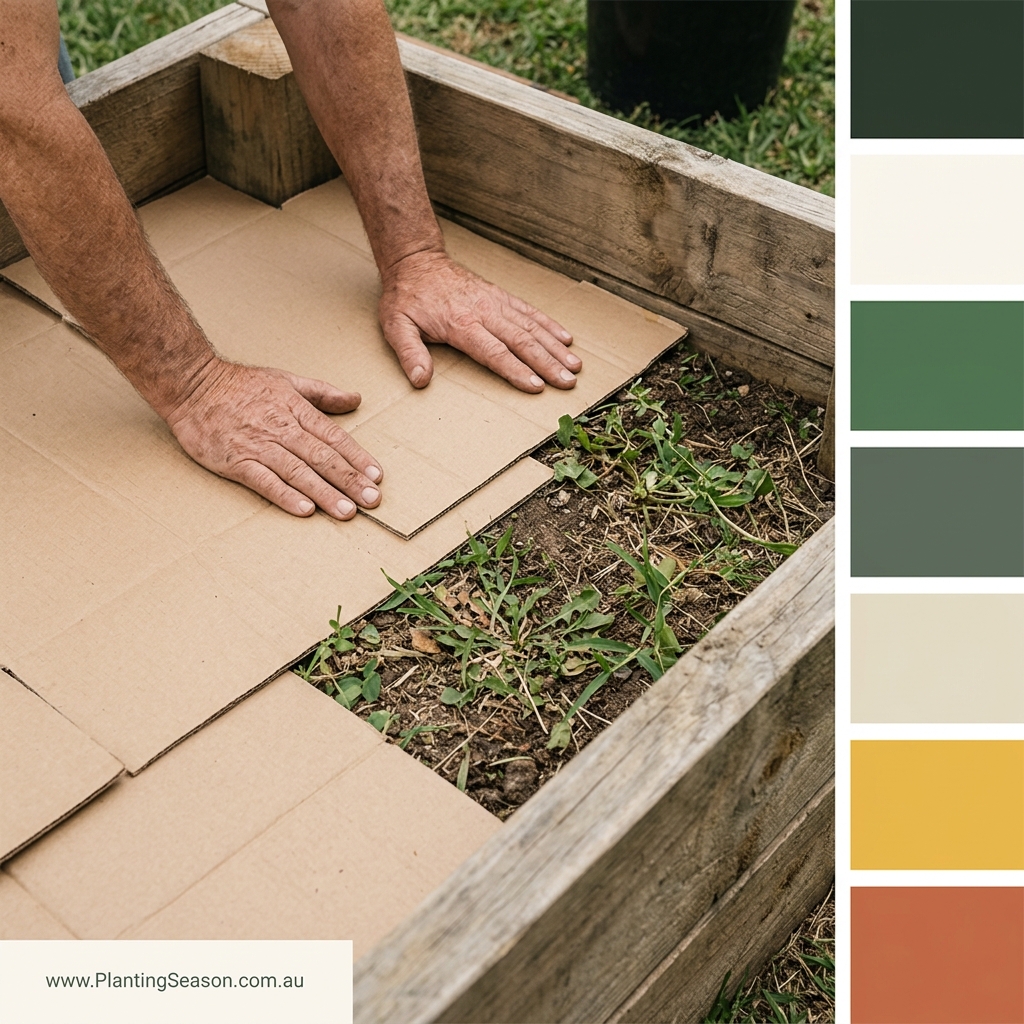
- Lay weed mat (optional). Line the bottom with landscaping fabric to stop weeds and grass growing up through the bed. Not essential but makes maintenance easier.
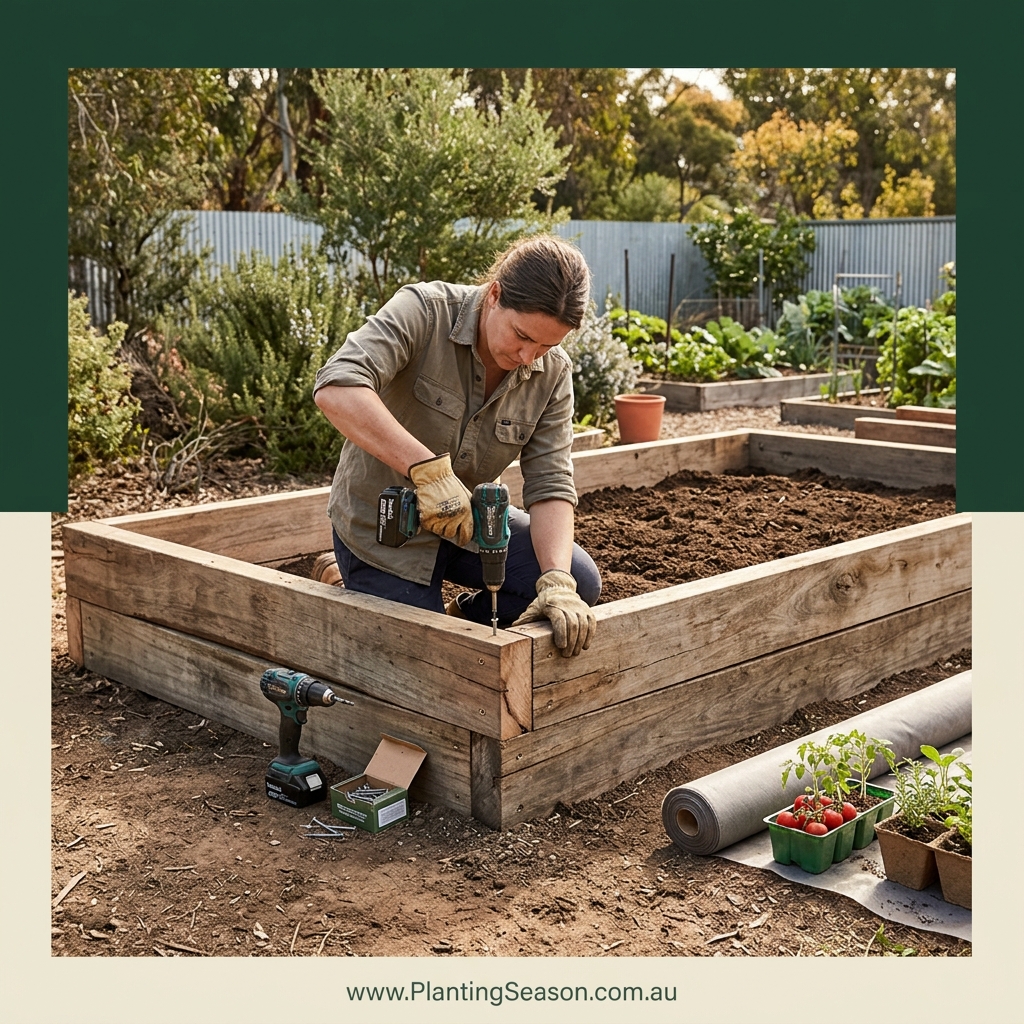
- Assemble the frame. Use 150 x 50 mm hardwood for a 30 cm bed (two boards stacked) or 200 x 50 mm for a single-board 20 cm bed. Screw into corner stakes (50 x 50 mm posts driven into the ground). Use stainless or galvanised screws.
- Line with plastic (optional). Staple builder's plastic to the inside walls to slow timber rot from constant soil contact. Leave the bottom open for drainage.
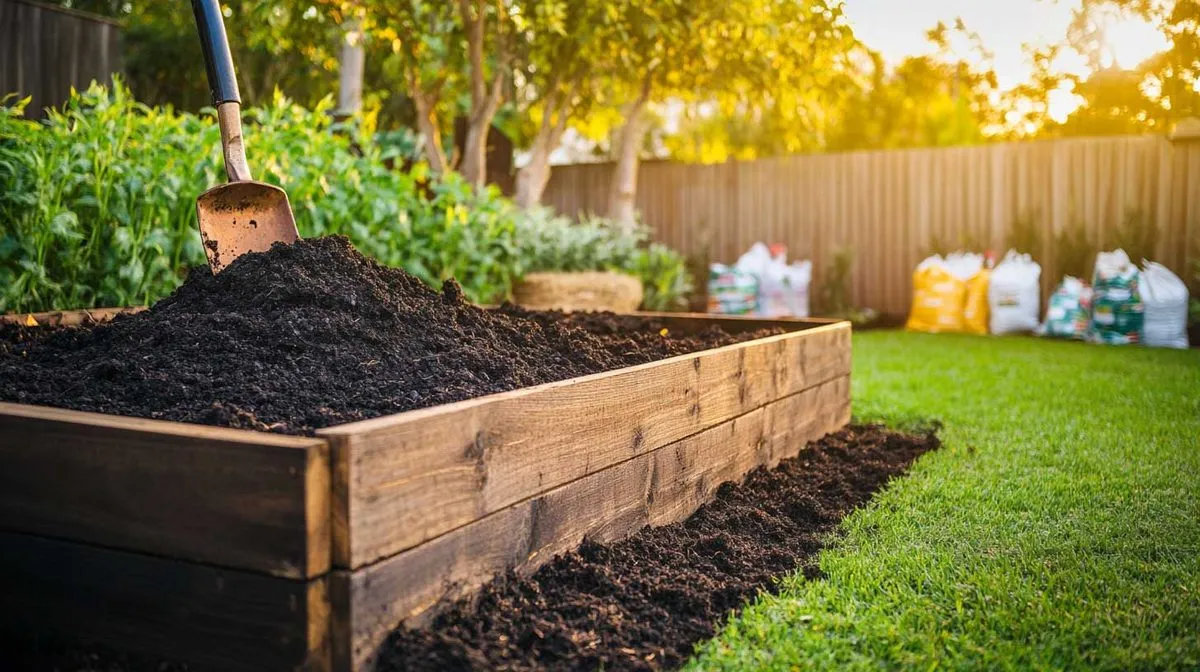
- Fill with soil. See the soil section below.
The Best Soil Mix for Raised Beds
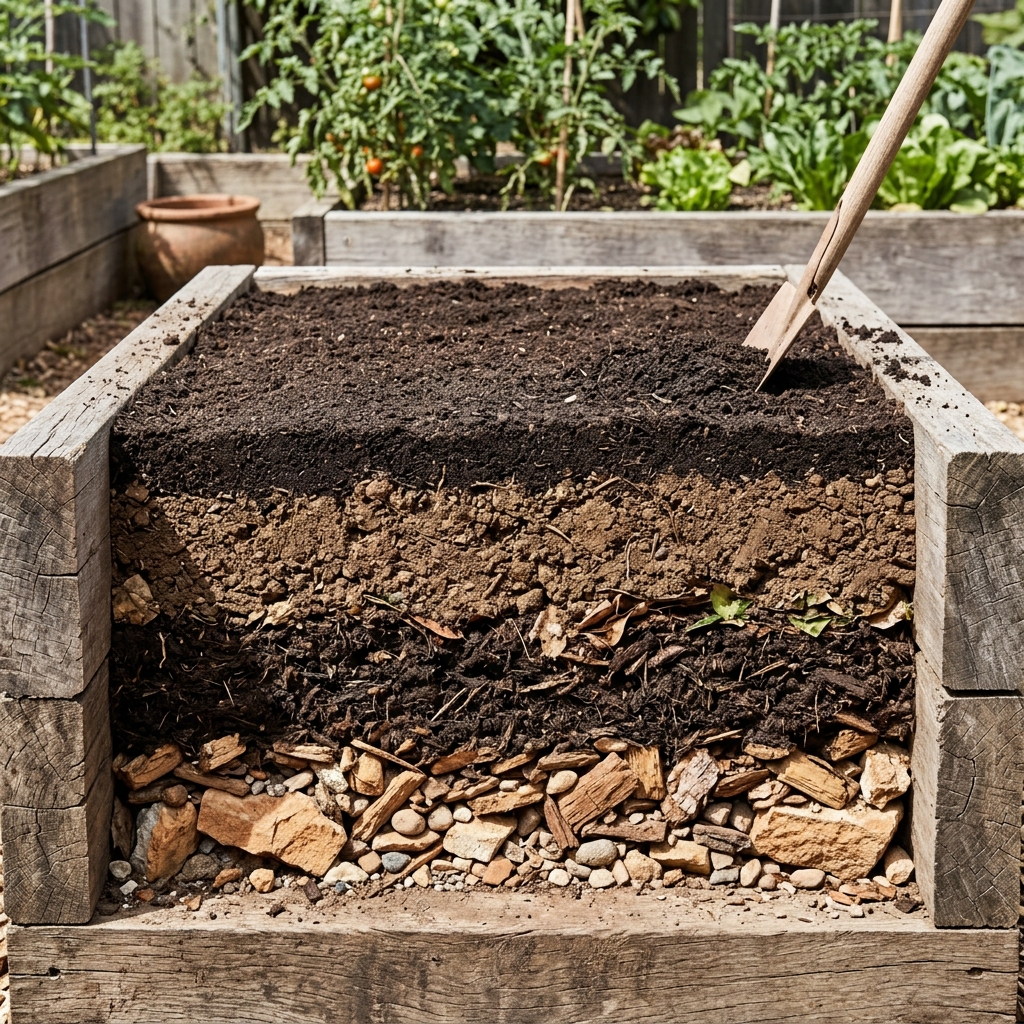
Don't fill a raised bed with pure potting mix (too expensive and drains too fast) or pure garden soil (too heavy and compacts). The best mix for vegetable growing in Australia is:
50% quality garden soil or loam (buy in bulk from a landscape supplier, not bags)
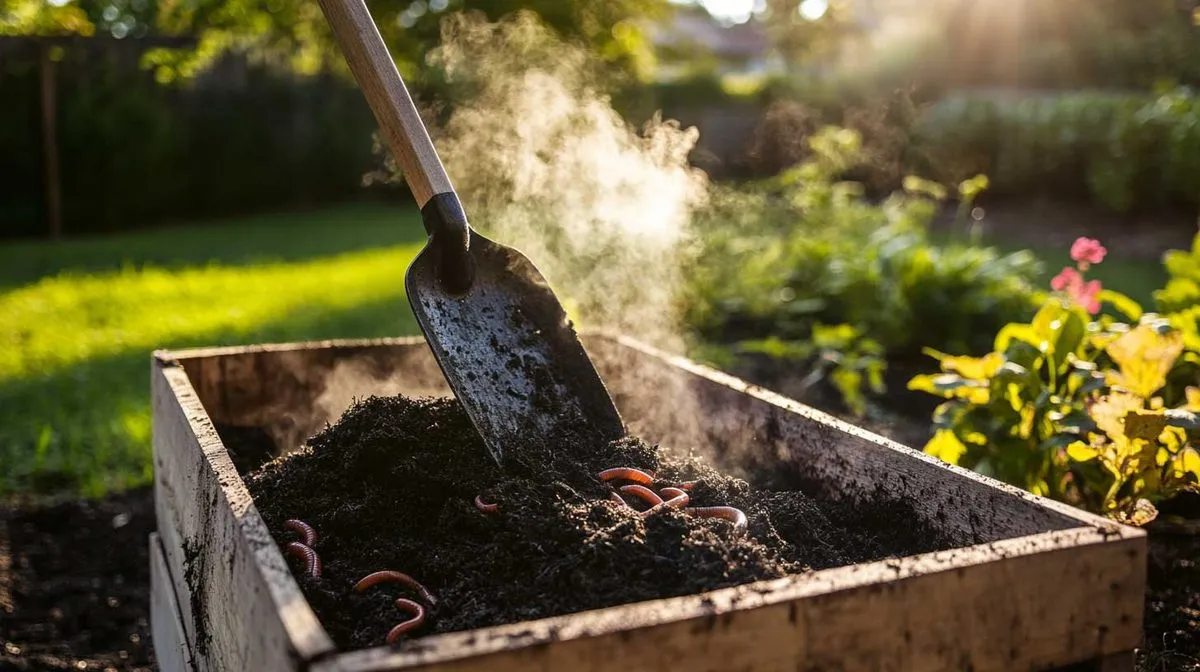
30% compost (aged, screened compost from a landscape supplier or your own bin)
20% coarse sand or perlite (improves drainage in the mix)
For a standard bed (2.4 m x 1.2 m x 30 cm deep) you'll need roughly 0.85 cubic metres of fill. Order from a landscape supplier in bulk. It's dramatically cheaper than buying bags from a hardware store.
Positioning Your Bed
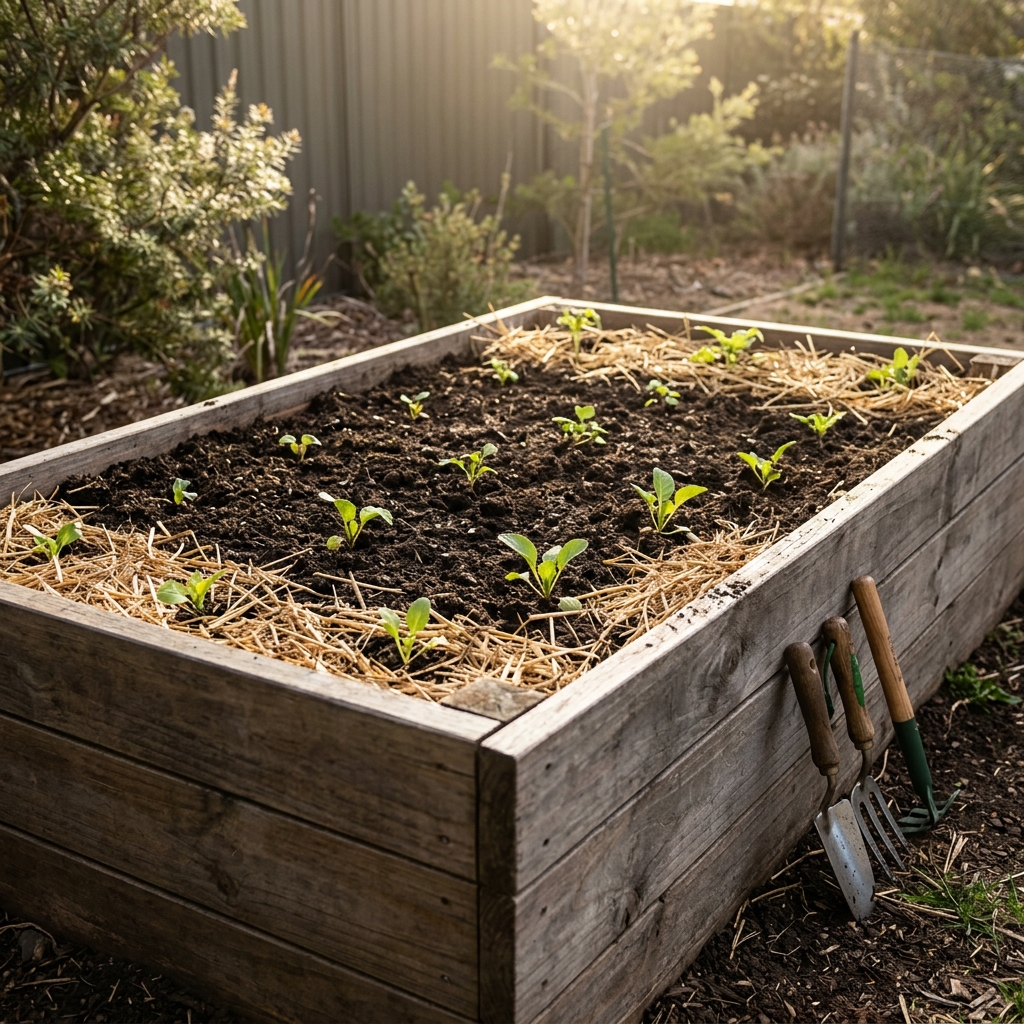
Sun: Most vegetables need 6 to 8 hours of direct sunlight. Orient the long side of your bed north-south so both sides get equal sun throughout the day. Avoid positions under trees (root competition and shade) or next to tall fences on the northern side.
Water access: Place beds within easy hose reach. If you're building multiple beds, run a drip irrigation line from the start. Retrofitting irrigation is always harder than installing it during the build.
Access: Leave at least 50 cm between beds for walking and wheelbarrow access. If you need wheelchair access, leave 90 cm minimum.
What to Plant First
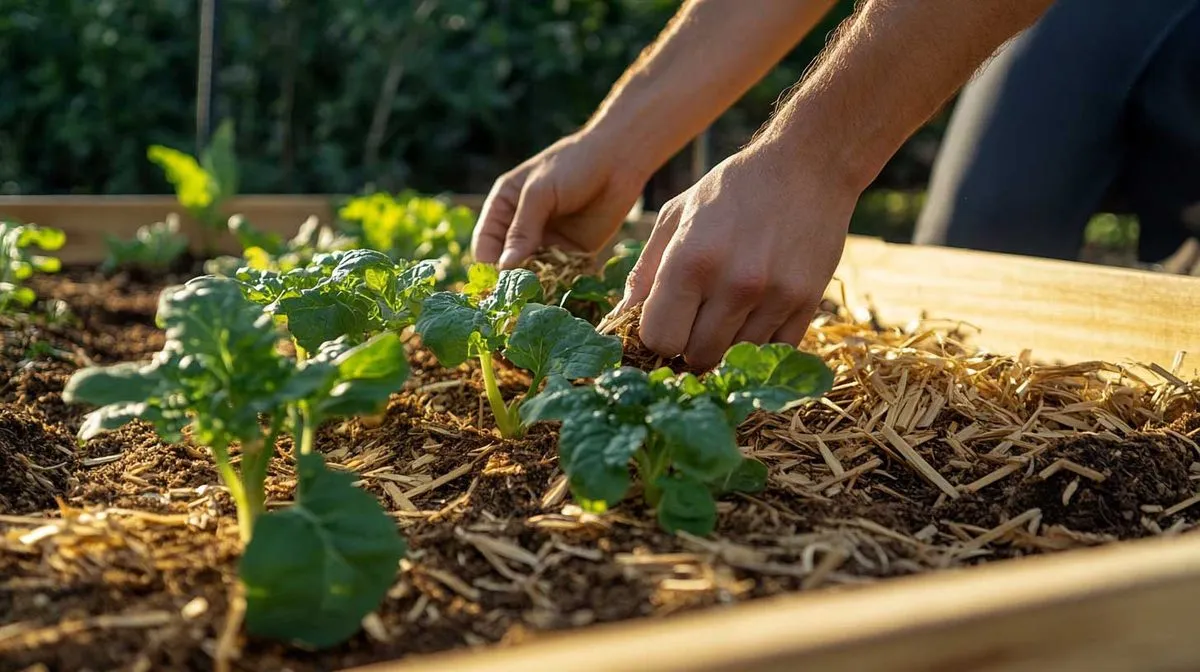
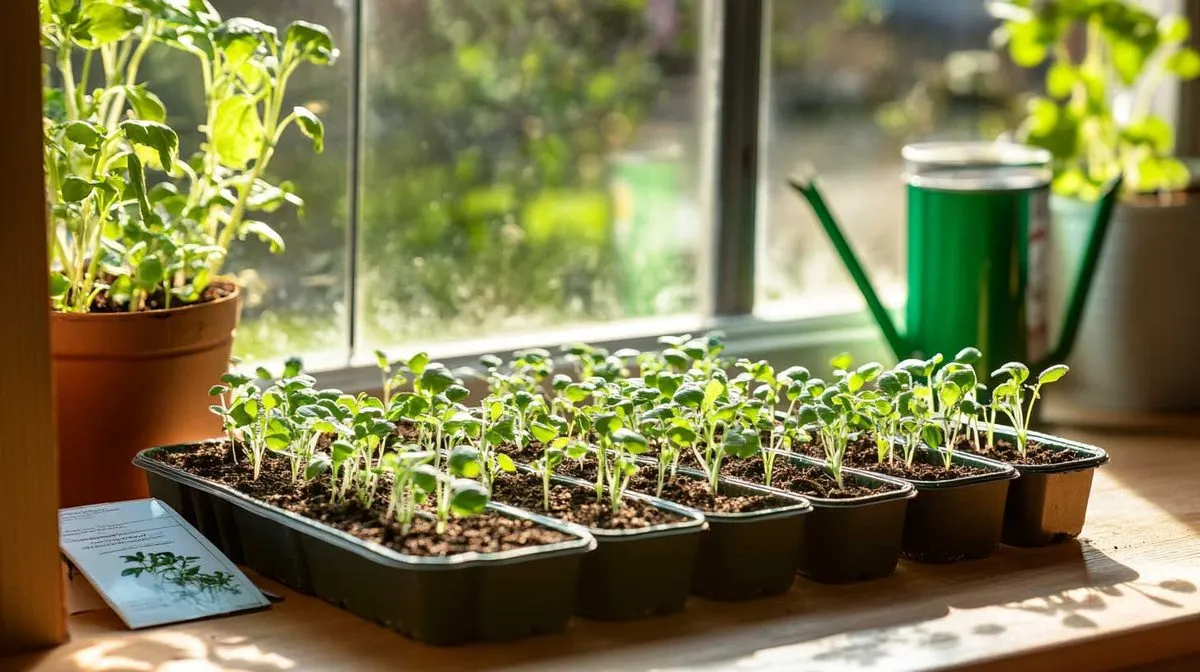
New raised beds are perfect for almost any vegetable. The fresh soil is loose, fertile, and free of pests and diseases. Start with easy wins that will give you a fast harvest and build your confidence: lettuce, radish, herbs, beans, and spinach.
Frequently Asked Questions
How deep should a raised garden bed be?
Minimum 20 cm for most vegetables. 30 cm is ideal for deeper-rooted crops like carrots and potatoes. 40 to 60 cm reduces bending. For wheelchair access, build to 75 to 80 cm.
What is the best wood for a raised garden bed?
Untreated Australian hardwood (spotted gum, ironbark) is the best choice. It's naturally rot-resistant and food-safe, lasting 8 to 15 years. Avoid CCA-treated pine (contains arsenic). ACQ-treated pine is a safer budget option.
How much soil do I need for a raised bed?
For a standard 2.4 m x 1.2 m x 30 cm bed, you need roughly 0.85 cubic metres of soil mix. Use 50% garden soil, 30% compost, and 20% coarse sand. Buy in bulk from a landscape supplier for the best value.
Should I line a raised garden bed?
Line the bottom with landscape fabric to suppress weeds (optional but helpful). Line the inside walls with builder's plastic to slow timber rot (recommended for timber beds). Leave the bottom open for drainage.