How to Grow Capsicum From Seed in Australia: Sowing to Harvest
Updated October 2026
A climate sowing selector, variety picks, ripening tips, and the fixes for common problems.
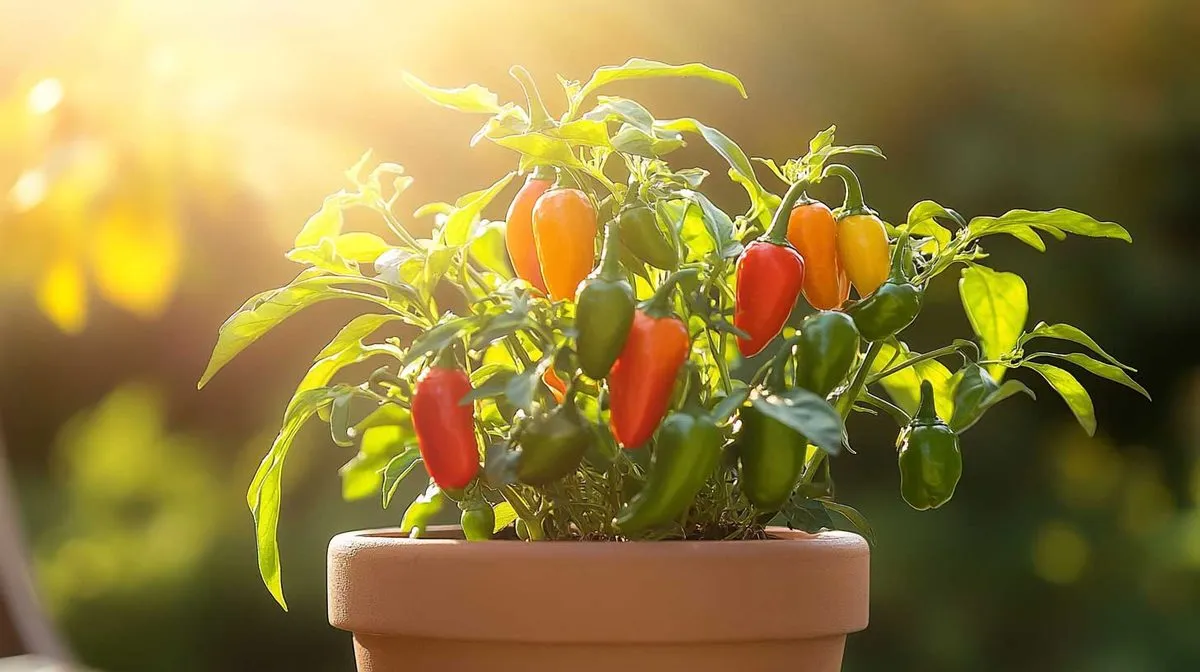
Capsicums are a rewarding warm-season crop that produce colourful, crunchy fruit from a surprisingly compact plant. They need a long warm growing season and a little patience, but the payoff is far better flavour than shop-bought fruit. Home-grown capsicums left to ripen fully on the plant are genuinely sweet.
The trick in Australia is matching your sowing to your climate. A Darwin grower and a Hobart grower are months apart, and the difference between starting indoors and direct sowing is what separates a good crop from a stalled one. Use the selector below to see what your climate calls for, then read on for varieties, ripening, and how to dodge blossom end rot.
Climate sowing selector
Pick your climate to see when and how to sow capsicum where you garden.
What it looks like as it grows


🌱 Plant profile: Capsicum, with sowing times for your region, companion plants and common pests.
When to Plant Capsicum in Your Region
Capsicum seed needs warmth, so most regions start it indoors and transplant once nights are warm, while the tropics grow it as a dry season crop. These are the sowing months for each region from our planting data. Each region links to its full vegetable planting calendar, and the Capsicum plant page has spacing, companions and care notes for your region.
| Region | Sow seed | Local note |
|---|---|---|
| South East Queensland | August to February | Sow Aug to Feb. Sweet Banana copes well with the summer heat. |
| Northern Rivers NSW | September to February | Sow Sep to Feb. In the hinterland, push spring sowing 1 to 2 weeks later than Brisbane. |
| Sydney & Coastal NSW | July to November | Sow Jul to Nov, starting seed indoors, and transplant Sep to Oct after the last frost once the soil reaches 18°C. |
| Melbourne & Victoria | October to December | Sow or plant out Oct to Dec once frost has passed, or buy seedlings. Fruit matures from February onwards. |
| Adelaide & SA | August to October | Sow Aug to Sep indoors with warmth, Oct in trays outside. Transplant Oct to Nov once frost has passed so fruit sets before the worst heat. |
| Perth & WA | July to September | Sow Jul to Sep, indoors 8 to 10 weeks ahead of planting out, and transplant Sep to Oct. Avoid sowing Dec to Feb. |
| Tasmania | September and October | Marginal. Sow indoors with bottom heat Sep to Oct, then plant out after the last frost in early October against a warm wall or in a greenhouse. Outdoors expect a light late crop. |
| Canberra & ACT | October and November | Start seed indoors with warmth in October, then plant out after the last frost in early November. Needs a long warm season; choose early maturing varieties. |
| North Queensland | April to August | Dry season crop. Bowen grows most of the national winter capsicum, planted Apr to Aug. Wet season planting invites fruit rot and fungal disease. |
| Darwin & Top End | April to July | Dry season crop. Sow Apr to Jul. Sowings from Aug to Feb run into the build up and monsoon and fail. |
Position & soil
Capsicums want the warmest, sunniest spot you have, with at least 6 to 8 hours of direct sun a day. Choose a sheltered position out of strong wind, which can snap the brittle branches once they carry fruit.
- Soil should be rich, free-draining, and slightly acidic to neutral (pH 6.0 to 7.0).
- Dig through plenty of well-rotted compost or aged manure before planting.
- In cooler regions, growing against a warm north-facing wall or in a pot that warms quickly will lift ripening rates noticeably.
- Avoid beds where you grew tomatoes, eggplant, or potatoes last season, as they share soil diseases.
How to Grow Capsicum From Seed
Capsicum is grown from seed in much the same way as chilli, and starting your own seed opens up far more varieties than the punnet rack. The seed needs warmth to germinate: our plant data gives a range of 20 to 30°C and about 14 days to sprout in that warmth. In most regions the seed is started in punnets indoors and the seedlings are transplanted once the weather has settled, while in the tropics the soil is warm enough that an indoor start is rarely needed.
Planting capsicum seeds step by step
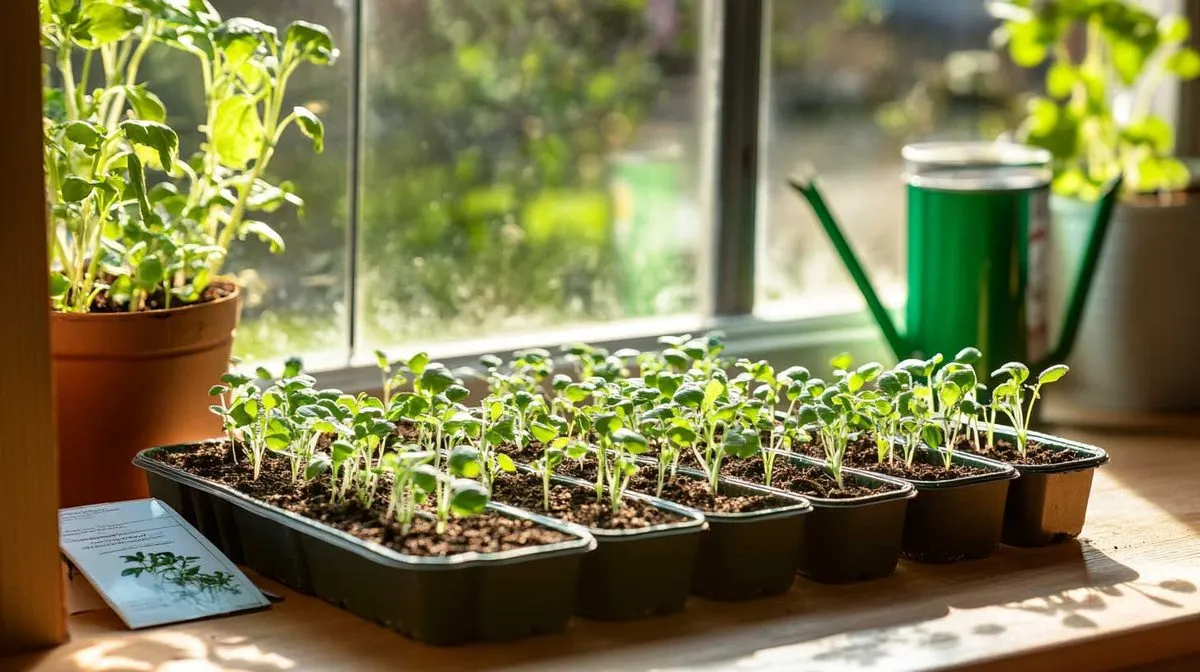
- Start seeds indoors 8 to 10 weeks before transplanting. Capsicums germinate slowly and need warm soil around 22 to 28 degrees C. A heat mat or warm windowsill speeds things up.
- Sow seed about 5 mm deep in trays or small pots of seed-raising mix. Expect germination in 10 to 21 days.
- Transplant only after all frost risk has passed and overnight temperatures sit reliably above 15 degrees C. Cold nights stunt growth and delay fruiting.
- Harden off seedlings over a week, moving them outdoors for longer each day before planting out.
- In-ground or pot: capsicums do well either way. A pot of at least 30 cm across with free-draining mix suits balconies and cooler climates because it warms faster than garden soil.
Once the seedlings have been hardened off, plant them about 45 cm apart, water them in and stake each one early, because a fruit-laden stem bends and snaps. Our regional calendars give the planting-out months: Sydney and Perth transplant in September and October, Adelaide in October and November once frost has passed, Tasmania after the last frost in early October against a warm wall or in a greenhouse, and Canberra after the last frost in early November.
Spacing
Space plants 40 to 50 cm apart in rows about 60 cm apart. Capsicums grow into compact bushes roughly 60 cm tall, so they need good air circulation but not as much room as tomatoes. Stake each plant or use a small cage, since heavy fruit can snap branches.
Watering & feeding
- Water deeply and evenly. Consistent moisture is the single biggest factor in avoiding blossom end rot.
- Mulch heavily with straw or sugarcane to hold moisture and steady the soil temperature.
- Feed fortnightly once flowering begins with a potassium-rich fertiliser such as tomato food.
- Go easy on nitrogen. Too much pushes leafy growth at the expense of fruit and can trigger flower drop.
Pollination
Capsicums are self-fertile, so each flower can set fruit on its own without a second plant. A gentle daily shake of the plant, or a light breeze, helps move pollen within each flower and improves fruit set. The bigger risk is heat-related flower drop: when day temperatures climb above 35 degrees C or night temperatures fall below 15 degrees C, flowers often drop before they set. Steady warmth matters far more than attracting pollinators.
Common problems
Blossom end rot
Dark, sunken patches on the bottom of the fruit. This is a calcium issue in the developing fruit, almost always caused by inconsistent watering rather than a lack of calcium in the soil. Water deeply and evenly, mulch well, and avoid high-nitrogen feeds. Remove affected fruit so the plant redirects energy to healthy ones. Capsicums are more prone to this than tomatoes.
Flower drop
Flowers fall off without setting fruit when nights drop below 15 degrees C or days climb above 35 degrees C, or when the plant has had too much nitrogen. Be patient through temperature extremes and provide afternoon shade in heatwaves.
Sunscald
White or pale leathery patches on fruit exposed to harsh direct sun. The fruit is still edible. Keep good leaf cover by not over-pruning, and use light shade cloth in extreme heat.
Aphids
Clusters on new growth and under leaves. Spray with soapy water or neem oil, and encourage ladybirds and lacewings as natural predators.
Harvest & ripening
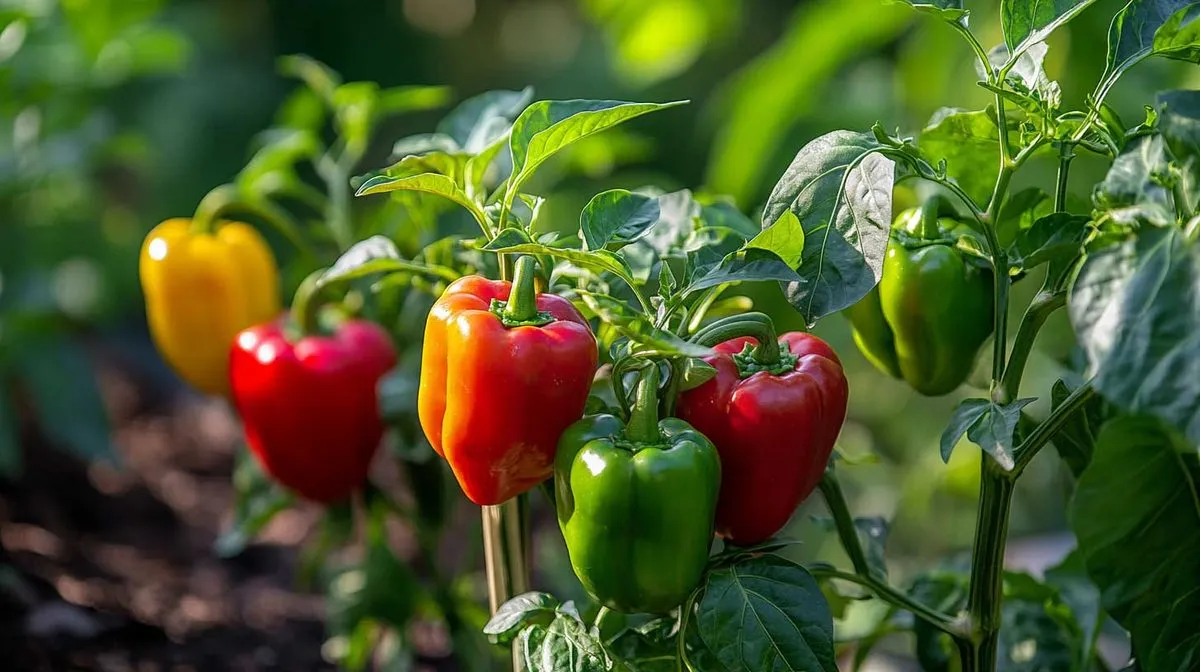
All capsicums start green and change colour as they ripen, so a green capsicum is simply an unripe one. Leaving fruit on the plant to fully colour up (red, yellow, orange, or brown) develops far more sweetness, flavour, and vitamin C.
Our plant data allows about 100 days, a little over three months, from planting to harvest, and a healthy plant gives 6 to 12 fruit. In Melbourne, our calendar expects fruit to mature from February onwards.
- First green fruit is ready 10 to 14 weeks after transplanting.
- Full ripening takes another 3 to 4 weeks of warm weather once fruit reaches full size.
- Pick the first few fruit green to encourage the plant to keep producing.
- Cut fruit with secateurs rather than pulling, which can tear branches.
- In cooler regions, remove late-season flowers so the plant ripens existing fruit before autumn.
Best varieties for Australian gardens
| Variety | Type | Best for |
|---|---|---|
| California Wonder | Blocky green-to-red bell | The classic all-rounder. Thick walls, sweet when fully ripe, reliable in all warm regions. |
| Mini Sweet | Snack-sized red, orange, yellow | Prolific on compact plants and quick to ripen. Great for pots and lunchboxes. |
| Bullhorn | Long tapered sweet pepper | Thick, sweet flesh that ripens green to red. Excellent roasted or stuffed. |
| Sweet Banana | Pale yellow to red | Mild, early, and very productive. A smart pick for cooler regions that ripens faster than bells. |
| Chocolate Beauty | Brown bell | Rich, sweet flavour and an unusual colour for salads. Ripens reliably in warm conditions. |
Sowing by season
Australia spans the tropics to cool highlands, so timing varies widely. Sydney sows from July to November and Perth from July to September, transplanting in September and October. Adelaide sows from August to October and transplants in October and November, and Melbourne sows or plants out from October to December. South East Queensland sows from August to February and the Northern Rivers from September to February. Tropical regions plant in the dry season, from April to August in North Queensland and April to July in Darwin. Tasmania and Canberra need an indoor start with bottom heat and a sheltered, warm spot to ripen fruit before autumn. The table and selector above give the detail for your region.
Frequently Asked Questions
When should I plant capsicum in Australia?
Start seed with warmth and transplant once overnight temperatures are reliably above 15 degrees C. Sydney sows from July to November and Perth from July to September, transplanting in September and October. Adelaide sows from August to October, Melbourne from October to December, Tasmania in September and October and Canberra in October and November. South East Queensland sows from August to February and the Northern Rivers from September to February. In the tropics, plant in the dry season: April to August in North Queensland and April to July in Darwin.
How long do capsicums take to grow?
Capsicums take 10 to 14 weeks from transplanting to the first harvest of green fruit. Add another 3 to 4 weeks for fruit to fully ripen to colour. Start seeds early to make the most of the warm season.
Why are my capsicums not turning red?
Capsicums need warmth and time to ripen fully. Green fruit takes 3 to 4 weeks of warm weather to turn red. In cooler regions choose early-maturing varieties and remove late-season flowers to focus energy on ripening existing fruit.
What causes blossom end rot on capsicums?
Inconsistent watering is the main cause. The dark sunken patches on the bottom of fruit happen when the plant cannot move enough calcium to developing fruit. Water deeply and evenly, mulch well, and avoid over-fertilising with nitrogen.
Do capsicums need a second plant to pollinate?
No. Capsicums are self-fertile, so each flower can set fruit on its own. A gentle daily shake or a light breeze helps move pollen. In very hot or very cold weather flowers can drop before they set, so steady warmth matters more than a pollinator.
Can I grow capsicum in a pot?
Yes. Capsicums grow well in a pot of at least 30 cm across with free-draining mix. Pots warm up faster than garden soil, which suits cooler regions, but they dry out quicker so water consistently to avoid blossom end rot.
Why are the flowers falling off my capsicum?
Flower drop is usually caused by night temperatures below 15 degrees C or day temperatures above 35 degrees C, and sometimes by too much nitrogen. Be patient through temperature extremes and feed with a potassium-rich fertiliser once flowering begins.
How do you grow capsicum from seed?
Sow the seed about 5 mm deep in punnets of seed-raising mix and keep it at 20 to 30°C, on a heat mat or in a warm spot. Seedlings appear in about two weeks. Grow them on in good light, harden them off over a week and plant out about 45 cm apart in full sun once nights stay above 15 degrees C.
How long do capsicum seeds take to germinate?
About 14 days at 20 to 30°C, according to our plant data, and anywhere from 10 to 21 days depending on warmth. Cold mix slows germination badly, so use a heat mat or the warmest spot in the house.
When should I start capsicum seeds indoors?
About 8 to 10 weeks before you plan to plant out. In Perth and Sydney that means sowing from July for planting out in September and October. Tasmania sows indoors with bottom heat in September and October, and Canberra in October, planting out after the last frost.
See also: Capsicum in the Plant Library
Plant profile
The capsicum profile has sowing times for your region, companion plants and common pests.