How to Grow Chilli From Seed in Australia: Growing Chillies
Updated October 2026
Heat ratings, drying methods, and variety picks for every region
Chillies are one of the most rewarding crops you can grow at home. A single plant produces dozens of fruit over a long season, and the range of heat levels and flavours is enormous. From mild jalapenos to face-melting ghost peppers, there is a chilli for every palate. They also grow brilliantly in pots, making them perfect for balconies and small spaces.
This guide covers the best chilli varieties for Australian gardens, heat ratings explained, drying methods, and when to plant in your region.
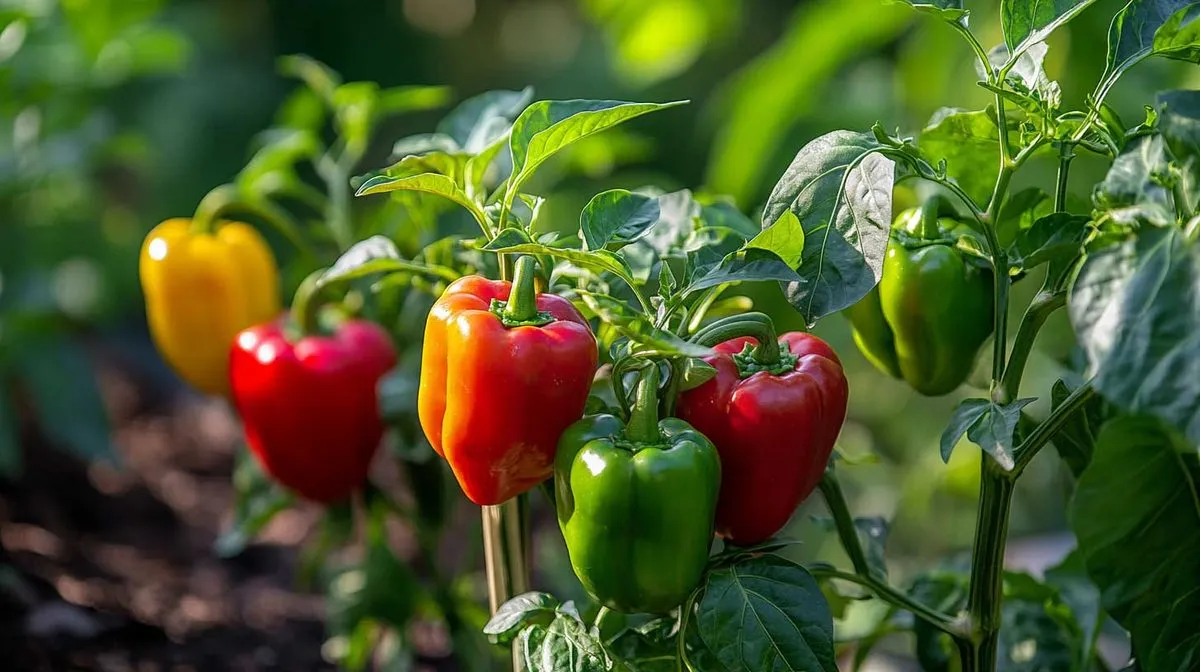
What it looks like as it grows


🌱 Plant profile: Chilli, with sowing times for your region, companion plants and common pests.
When to Plant Chilli in Your Region
Chilli seed needs real warmth, so it is started indoors in cooler regions and sown in the dry season in the tropics. These are the sowing months for each region from our planting data. Each region links to its full vegetable planting calendar, and the Chilli plant page has spacing, companions and care notes for your region.
| Region | Sow seed | Local note |
|---|---|---|
| South East Queensland | August to February | Sow Aug to Feb. Thai birds eye chilli is perennial here and self-seeds. |
| Northern Rivers NSW | September to February | Sow Sep to Feb, as for capsicum. In the hinterland, push spring sowing a week or two later than Brisbane. |
| Sydney & Coastal NSW | July to November | Start seed indoors from July and transplant Sep to Oct once the soil warms. Sowing continues to November. |
| Melbourne & Victoria | October to December | Sow Oct to Dec once frost risk has passed. The fruiting window is shorter than in Brisbane, so sow early in the window. |
| Adelaide & SA | August to October | Sow Aug to Sep indoors with warmth, Oct outside. Transplant after frost. Long warm autumns ripen late fruit well. |
| Perth & WA | August and September | Sow Aug to Sep so plants are established before summer. Dec to Feb heat stresses flowering, and growth stops once nights cool from April. |
| Tasmania | September and October | Marginal. Sow indoors with heat Sep to Oct and plant out after the last frost in early October. Greenhouse or the hottest wall in the garden; compact early types only. |
| Canberra & ACT | October and November | Start seed indoors with warmth in October, then plant out after the last frost in early November. Choose quick varieties so fruit ripens before the April frosts. |
| North Queensland | April to September | Sow Apr to Sep in the dry. Perennial in the tropics; established bushes carry through the wet season and crop for years. |
| Darwin & Top End | April to August | Dry season sowing Apr to Aug. Perennial once established and may carry through the wet under cover. Avoid build up sowings. |
Chilli Varieties
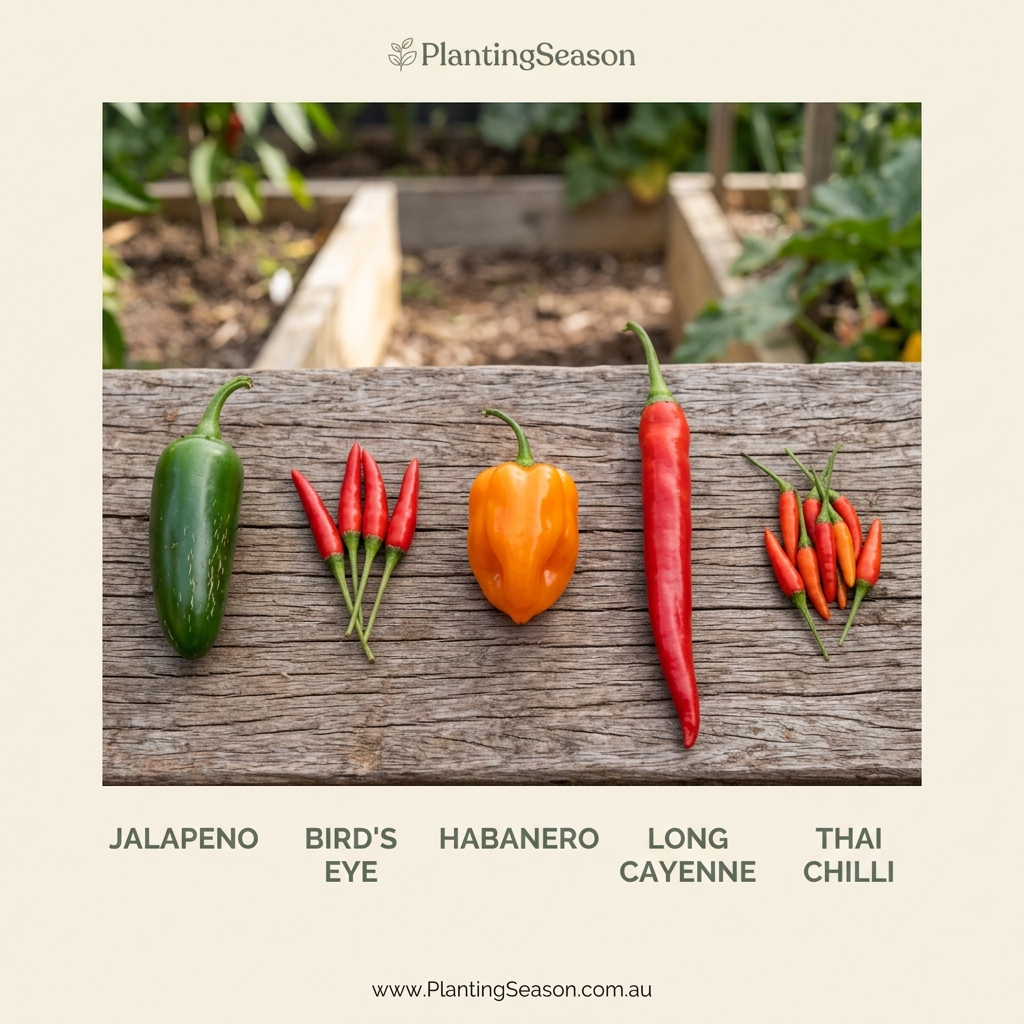
Birds Eye
Small, fiery chillies that grow upright on compact plants. 50,000 to 100,000 Scoville units. A staple in Thai and Vietnamese cooking. Very productive and suits pots. Prolific in warm and tropical climates.
Cayenne
Long, thin red chillies with moderate heat (30,000 to 50,000 Scoville). Excellent fresh, dried, or ground into cayenne pepper. Reliable producer in all warm regions. Plants grow to about 60 cm tall.
Habanero
Lantern-shaped chillies with intense, fruity heat (100,000 to 350,000 Scoville). Not just hot, they have a distinctive tropical flavour. Need a long, warm season. Best in subtropical and tropical regions.
Jalapeno
Thick-walled, medium-heat chilli (2,500 to 8,000 Scoville). Versatile in the kitchen: fresh, pickled, smoked (chipotle), or stuffed. Compact plants produce heavily. Good for beginners because the heat is manageable.
Ghost Pepper (Bhut Jolokia)
Extremely hot chilli (1,000,000+ Scoville). Not for the faint-hearted. Needs a long, very warm season to ripen fully. Grow as a challenge crop in warm climates. Handle with gloves.
Heat Ratings: The Scoville Scale
Chilli heat is measured in Scoville Heat Units (SHU). Here is a rough guide:
- Mild (0 to 5,000 SHU): Banana pepper, Anaheim
- Medium (5,000 to 50,000 SHU): Jalapeno, Cayenne
- Hot (50,000 to 350,000 SHU): Birds Eye, Habanero
- Extreme (350,000+ SHU): Ghost Pepper, Carolina Reaper
Heat level is affected by growing conditions. Stressing plants slightly (less water, more sun) tends to increase heat. Well-watered plants in rich soil produce milder fruit.
Drying Methods
Chillies preserve brilliantly by drying. Dried chillies last for a year or more and can be ground into flakes or powder.
- Air drying: Thread chillies on a string through the stems and hang in a warm, dry, well-ventilated spot. Takes 2 to 4 weeks. Works best with thin-walled varieties (Cayenne, Birds Eye).
- Oven drying: Spread chillies on a baking tray and dry at the lowest oven setting (50 to 70 degrees) for 6 to 8 hours with the door slightly open. Check regularly.
- Dehydrator: The most reliable method. Set to 55 degrees and dry for 8 to 12 hours. Even thick-walled chillies (Jalapeno, Habanero) dry perfectly.
- Smoking: Smoke-drying jalapenos creates chipotles, which have a rich, smoky heat. Use a cold-smoking setup for best results.
How to Grow Chilli From Seed
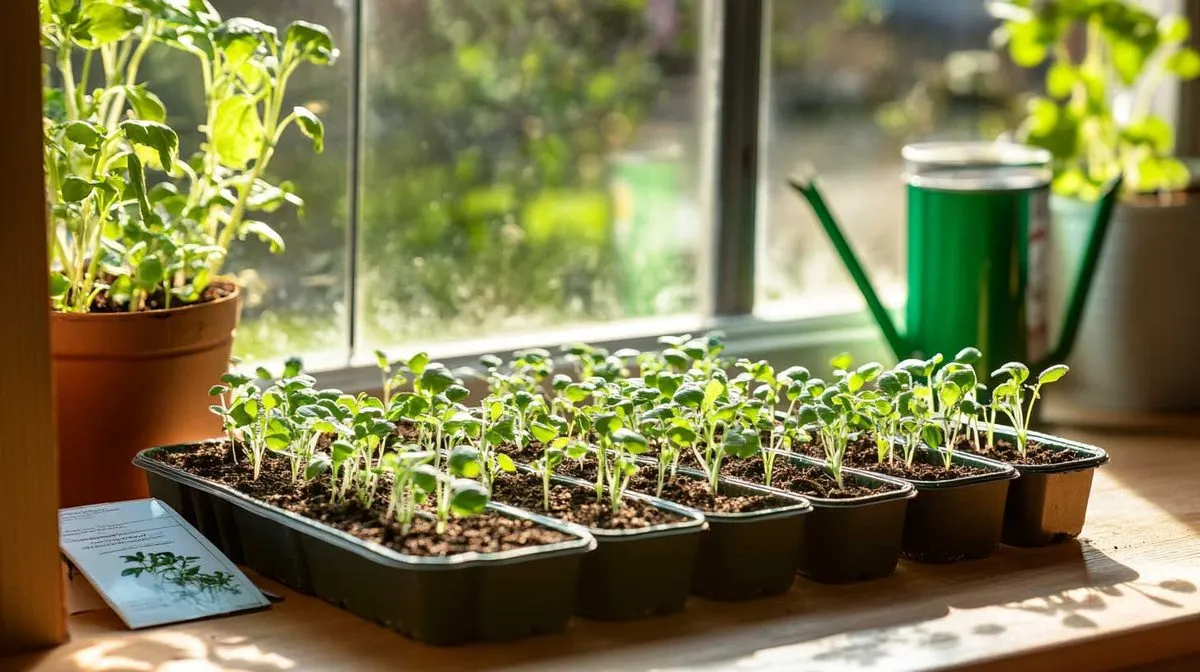
Chillies are almost always grown from seed, and raising your own gives you far more varieties to choose from than a punnet rack. The seed is slow and needs real warmth, so it is usually started in punnets indoors and transplanted once the weather settles. Our plant data gives a germination range of 22 to 30°C and about 14 days to sprout in that warmth. In cool mix it takes much longer.
- Time it for your region. Sow in the months shown in the table above. In Sydney, Adelaide, Tasmania and Canberra our calendars start the seed indoors with warmth and plant out after the last frost.
- Sow shallow. Sow the seed about 5 mm deep in punnets or small pots of seed-raising mix, and label each variety.
- Keep it warm. A heat mat or the warmest spot in the house makes the difference. Keep the mix just moist, never soggy, and expect seedlings in about two weeks.
- Grow on in bright light. Move the seedlings into full light as soon as they emerge so they stay sturdy, and pot them up into their own pots once they are big enough to handle.
- Plant out when nights are warm. Transplant once overnight temperatures are reliably above 15 degrees, about 45 cm apart in full sun.
Planting out and growing chillies
- Start seeds indoors 8 to 10 weeks before transplanting. Chillies are slow to germinate and need warmth (25 to 30 degrees for best results). Use a heat mat or warm spot.
- Transplant after all frost risk has passed. Wait until overnight temperatures are reliably above 15 degrees.
- Plant in full sun. Chillies need at least 6 to 8 hours of direct sun for good fruit production.
- Space plants about 45 cm apart. Chillies are compact plants that do not need as much room as tomatoes.
- Feed fortnightly once flowering begins with a potassium-rich liquid fertiliser. Too much nitrogen produces leaves at the expense of fruit.
- Water consistently. Even moisture prevents blossom end rot and flower drop. Slight under-watering increases heat levels.
Common Problems
Flower drop
Flowers falling without setting fruit. Caused by temperatures below 15 degrees or above 35 degrees, or by too much nitrogen fertiliser. Wait for temperatures to stabilise.
Aphids
Cluster on new growth and can spread viruses. Spray with soapy water or neem oil. Encourage ladybirds as natural predators.
Blossom end rot
Dark, sunken patches on the base of fruit. Same cause as in capsicums: inconsistent watering. Water evenly and mulch to maintain soil moisture.
Growing Chilli Plants in Pots
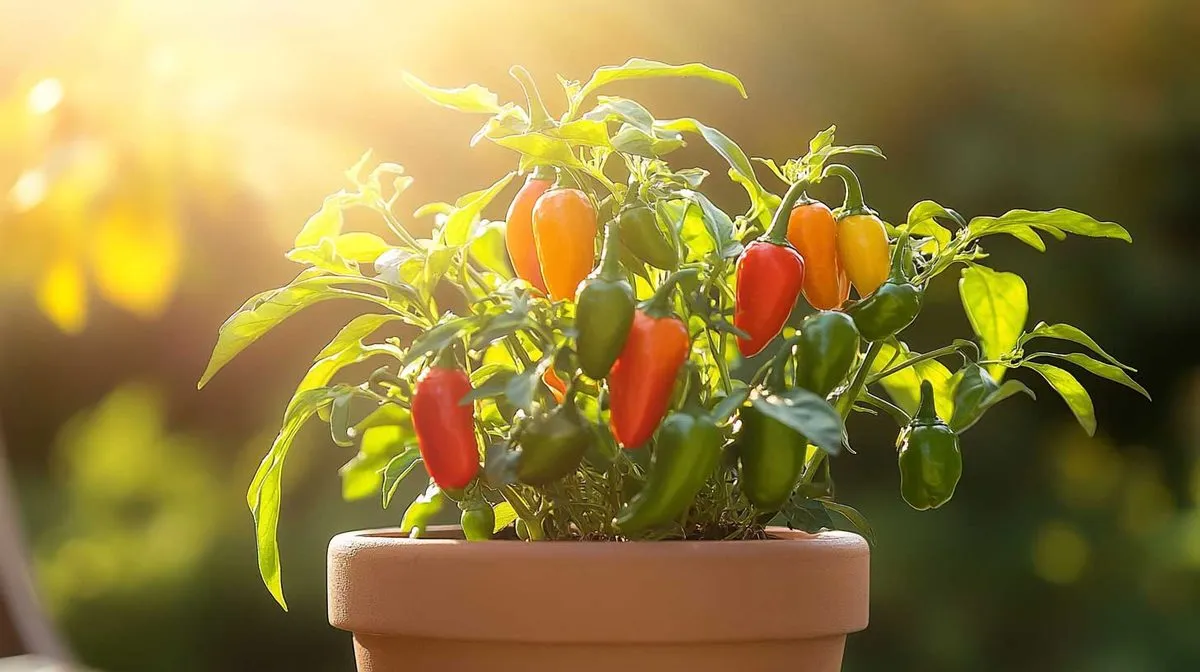
Chillies are one of the best crops for a pot, which suits balconies and lets gardeners in cooler regions move the plants to the warmest spot. Our plant data calls for a pot of at least 25 cm, filled with free-draining potting mix. Stand it in full sun and water evenly, because swings between dry and soaked cause flower and fruit drop, and feed with a potassium-rich fertiliser once flowering starts. Compact varieties such as Jalapeno and Birds Eye suit pots best. Our chillies in pots guide goes into more detail.
How Long Do Chillies Take to Grow?
Our plant data allows about 90 days, around three months, to the first ripe chillies, after about 14 days for the seed to sprout. Quick varieties such as Jalapeno and Cayenne sit at the short end, while Habanero and Ghost Pepper need a long, warm season of 16 to 20 weeks. Pick when the fruit is firm and full sized, green for milder heat or fully coloured for more. Cut the stalk with secateurs rather than pulling, and keep picking, because regular harvesting keeps the plant cropping. A healthy plant gives 20 to 50 fruit.
Growing chilli plants through winter
In the tropics chillies are perennial. Our North Queensland notes say established bushes carry through the wet season and crop for years, and in Darwin they may carry through the wet under cover. In South East Queensland, Thai birds eye chilli behaves the same way. In frosty regions, grow chillies as annuals or bring potted plants under cover for winter.
Frequently Asked Questions
When should I plant chillies in Australia?
Sow chilli seed as the weather warms, starting it indoors with warmth in cooler regions. South East Queensland sows from August to February, the Northern Rivers from September to February, Sydney from July to November, Adelaide from August to October, Perth in August and September, Melbourne from October to December, Tasmania in September and October and Canberra in October and November. Transplant once nights are reliably above 15 degrees. In the tropics, sow in the dry season: April to September in North Queensland and April to August in Darwin.
How long do chillies take to grow?
Chillies take 12 to 20 weeks from transplanting to first harvest, depending on variety. Jalapenos and Cayenne ripen in 12 to 14 weeks. Habanero and Ghost Pepper need 16 to 20 weeks of warm weather.
Can chilli plants survive winter?
In frost-free areas, chilli plants can live for several years. Cut back to about 15 cm in late autumn, reduce watering, and they will reshoot in spring. In frosty areas, grow as annuals or bring pots indoors over winter.
How do I make chillies hotter?
Mild stress increases heat. Reduce watering slightly once fruit begins to form. Full sun exposure also increases heat. The hottest chillies come from plants in full sun with slightly dry conditions.
How do you grow chilli from seed?
Sow the seed about 5 mm deep in punnets of seed-raising mix and keep it warm, ideally 22 to 30°C, on a heat mat or in a warm room. Seedlings appear in about two weeks. Grow them on in bright light, pot them up, and plant out about 45 cm apart in full sun once nights stay above 15 degrees.
How long does chilli seed take to germinate?
About 14 days in warm mix between 22 and 30°C, according to our plant data. In cooler mix it can take much longer, which is why chilli seed is usually started indoors on a heat mat.
Can I grow chillies in pots?
Yes. Chillies are one of the best pot crops. Use a pot of at least 25 cm with free-draining mix, keep it in full sun, water evenly and feed with a potassium-rich fertiliser once flowering begins. Compact varieties such as Jalapeno and Birds Eye suit pots best.
How many chillies does one plant produce?
Our plant data puts a healthy plant at 20 to 50 fruit over the season. Regular picking keeps the plant cropping.
See also: Chillies in the Plant Library
Plant profile
The chilli profile has sowing times for your region, companion plants and common pests.