
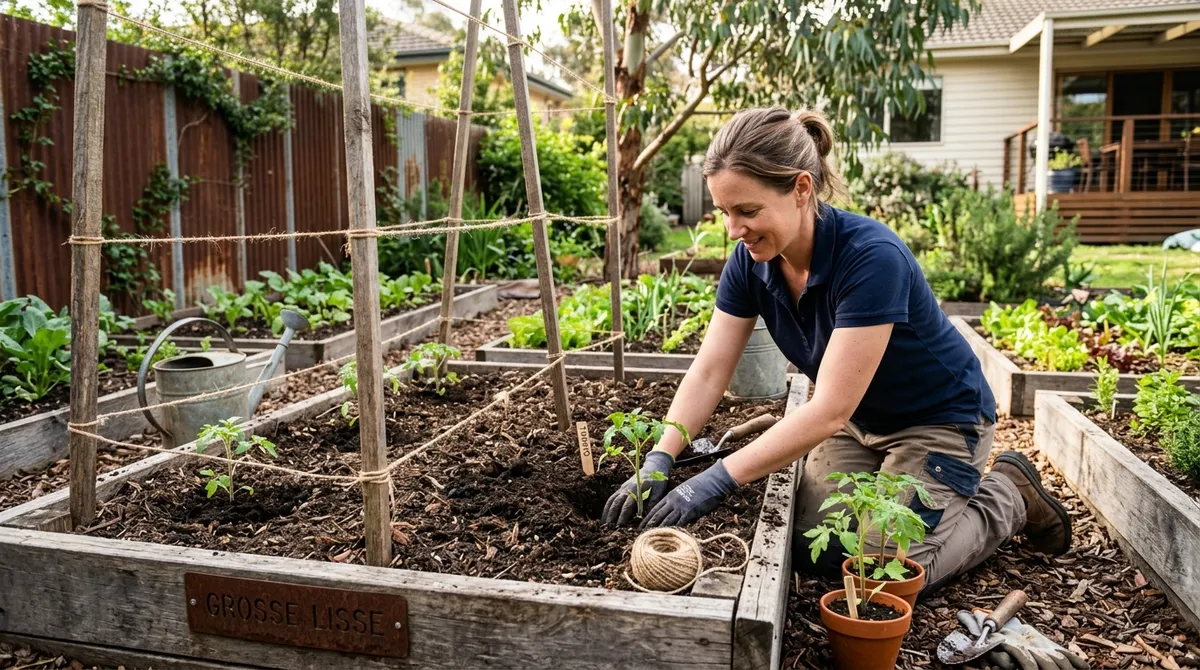
When to Plant Tomatoes in South East Queensland
Two planting windows, humidity-tolerant varieties, and fruit fly strategies for SEQ's subtropical climate
SEQ's subtropical climate flips the standard Australian tomato calendar. The hottest months (December to February) are actually the worst time for tomatoes here, because night temperatures above 24 degrees prevent fruit set and humidity drives fungal disease. The good news: you get two excellent planting windows that most southern gardeners envy.
The short version: plant your main crop from February to April for an autumn and winter harvest, and plant a second crop from August to September for a spring harvest before the wet season arrives.
SEQ's Two Tomato Windows
Autumn Crop: February to April (The Main Event)
This is SEQ's best tomato season. Sow seeds in February and transplant seedlings in March or April. The crop grows through the cooler, drier months from April to August, producing fruit from May through to September. Fruit fly pressure drops sharply from April, and the lower humidity means far fewer fungal problems.
Brisbane gardeners at Stafford, Ashgrove, or Sunnybank can sow as early as late January. On the Gold Coast (Mudgeeraba, Nerang, Burleigh) and Sunshine Coast (Nambour, Buderim, Palmwoods), February is the reliable start date. The Lockyer Valley around Gatton and Laidley, where commercial tomato growers operate, starts planting in late February for the same reason.
Spring Crop: August to September
The spring window is shorter and riskier. Sow seeds in August and transplant in September. Plants grow fast in the warming soil and produce fruit from October through December. The risk is that the wet season (usually starting late November or December) brings humidity, storms, and fruit fly pressure just as your plants are fruiting heavily.
Pick the spring crop as quickly as possible once fruit starts colouring. By late December, conditions become hostile for tomatoes across SEQ.
The Summer Gap: November to January
Skip this period. Night temperatures above 24 degrees stop pollination. Humidity drives bacterial wilt, which kills plants in days. Fruit fly is at peak activity. Many experienced SEQ growers remove their tomato plants entirely in December and start fresh with the autumn crop in February.
Microclimate Differences Across SEQ
SEQ covers a wide range of conditions, from sea-level coastal suburbs to the 700-metre ridgelines of the D'Aguilar Range and Tamborine Mountain.
- Brisbane inner suburbs (West End, Paddington, New Farm): Urban heat island effect means warmer nights. Autumn crop can start in late January. Spring crop finishes earlier as summer heat arrives faster.
- Western corridor (Ipswich, Springfield, Gatton): Hotter summers, cooler winters. Frost risk from June to August in low-lying areas. Protect autumn tomato plants with frost cloth during cold snaps. The extra heat in October makes the spring crop ripen quickly.
- Gold Coast hinterland (Tamborine Mountain, Canungra): Cooler altitude conditions extend the spring crop. You may get productive plants into January at elevation. Autumn planting starts in March.
- Sunshine Coast (Maroochydore, Caloundra, Noosa): Coastal humidity is high, so variety selection for disease resistance matters. Sea breezes moderate temperature extremes. Autumn is the reliable season here.
- Scenic Rim and Lockyer Valley (Boonah, Beaudesert, Gatton): The commercial tomato country of Queensland. Wide temperature swings between day and night produce excellent flavour. Frost risk from May to August in valley floors.
Best Tomato Varieties for SEQ
Humidity is the defining challenge. Choose varieties bred for subtropical conditions or proven performers in SEQ gardens:
- Tropic: Bred specifically for tropical and subtropical growing. Outstanding disease resistance and consistent fruit set in warm conditions. Medium-sized red fruit with good flavour.
- Flora Dade: Another subtropical specialist. Semi-determinate growth, so manageable size. Produces heavy crops of medium slicers.
- Roma: The paste tomato handles SEQ heat well. Determinate, so it crops heavily over a shorter period, which suits the autumn window.
- Tommy Toe: Cherry tomato that produces masses of sweet fruit. Vigorous grower that handles humidity better than most.
- Sweet Bite: Reliable cherry tomato with disease resistance. Produces long trusses of fruit over an extended period.
- Grosse Lisse: Works in SEQ's autumn window when humidity drops. Less reliable in the spring crop. Classic slicer flavour.
Avoid large heirlooms like Brandywine and Mortgage Lifter for the spring crop. They are susceptible to fungal diseases and struggle with SEQ's humidity. Save these for the cooler, drier autumn season if you want to try them.
Managing Fruit Fly in SEQ
Queensland fruit fly is active year-round in SEQ, which makes it a bigger challenge here than in southern states. Peak activity runs from December to March, but you will find fruit fly damage in every month.
- Exclusion netting is the most effective control. Cover plants with fine mesh netting (less than 2mm) from the time fruit begins to set. This is non-negotiable for the spring crop.
- Protein bait sprays (such as eco-Naturalure) applied weekly to foliage attract and kill adult flies. Apply to a small section of foliage, not the fruit.
- Pick early. Harvest tomatoes at the breaker stage (the first hint of colour change from green to pink) and ripen indoors on the kitchen bench. Fruit fly rarely attacks hard green fruit.
- Hygiene. Collect and dispose of all fallen fruit. Do not compost fruit fly-affected fruit unless your compost reaches 60 degrees or above.
The autumn crop has a significant advantage: by the time fruit is ripening (May to August), fruit fly numbers are at their lowest. This alone makes autumn the preferred tomato season in SEQ.
Feeding and Watering in Subtropical Conditions
SEQ soils range from heavy black clay (Ipswich, parts of Brisbane south side) to sandy loam (coastal strips) and red volcanic soils (Toowoomba escarpment, parts of the Scenic Rim). All benefit from heavy composting before planting.
Water deeply 2 to 3 times per week rather than light daily watering. Drip irrigation is ideal because it keeps water off the foliage, reducing fungal disease. Mulch 8 to 10 centimetres deep with sugar cane mulch or lucerne hay to retain moisture and suppress weeds.
Feed with a complete organic fertiliser at planting, then side-dress every 3 to 4 weeks once flowering begins. Liquid potash applied fortnightly from fruit set improves flavour and fruit quality. Avoid high-nitrogen fertilisers once flowering starts, as they promote leaf growth at the expense of fruit.
Summary: Your SEQ Tomato Calendar
February to April: Sow and transplant the autumn crop. This is your main season.
May to September: Harvest the autumn crop through winter.
August to September: Sow and transplant the spring crop.
October to December: Harvest the spring crop. Pick quickly once fruit colours.
December to January: Rest period. Remove old plants, prepare beds for the next autumn crop.
Track Your Tomato Season
Get month-by-month reminders for sowing, transplanting, and harvesting in your SEQ suburb.
Open the Planting Season AppFrequently Asked Questions
When should I plant tomatoes in SEQ?
SEQ has two tomato windows. The autumn season runs from February to April, producing fruit through the cooler, drier months. The spring window is August to September, giving a crop before the wet season hits. Avoid planting from November to January when heat, humidity, and fruit fly pressure make growing difficult.
What are the best tomato varieties for SEQ?
Tropic and Flora Dade are bred for subtropical humidity. Roma handles the heat well for sauce tomatoes. Cherry types like Tommy Toe and Sweet Bite produce reliably through both seasons. Avoid large heirlooms like Brandywine, which struggle with fungal disease in SEQ humidity.
Why do my tomatoes fail in SEQ summer?
Peak summer (December to February) brings night temperatures above 24 degrees, which prevents fruit set. High humidity causes fungal diseases like early blight and bacterial wilt. Fruit fly pressure peaks from December to March. The autumn crop (planted February to April) avoids most of these problems.
How do I manage fruit fly on tomatoes in SEQ?
Queensland fruit fly is active year-round in SEQ but peaks from December to March. Use exclusion netting from fruit set onwards. Apply protein-based bait sprays weekly to foliage. Pick fruit at the breaker stage (first colour change) and ripen indoors. The autumn crop has less fruit fly pressure than summer.
Free Monthly Planting Calendar
Get a personalised email each month with what to plant, seasonal tips, and harvest reminders for your region.
We send one email per month. Unsubscribe any time.