How to Grow Butternut Pumpkin
Updated June 2026
Australia's favourite roasting pumpkin. Easy to grow, stores for months, and tastes incredible.
Butternut pumpkin is one of the most rewarding crops for Australian home gardeners. A single vine can produce 4 to 8 pumpkins that store on your kitchen bench for 3 to 6 months. The flavour is sweet, nutty, and dense. It roasts beautifully, makes silky soup, and freezes well for long-term use.
Butternuts need warm soil, full sun, and space to sprawl. Get those three things right and the plant does most of the work.
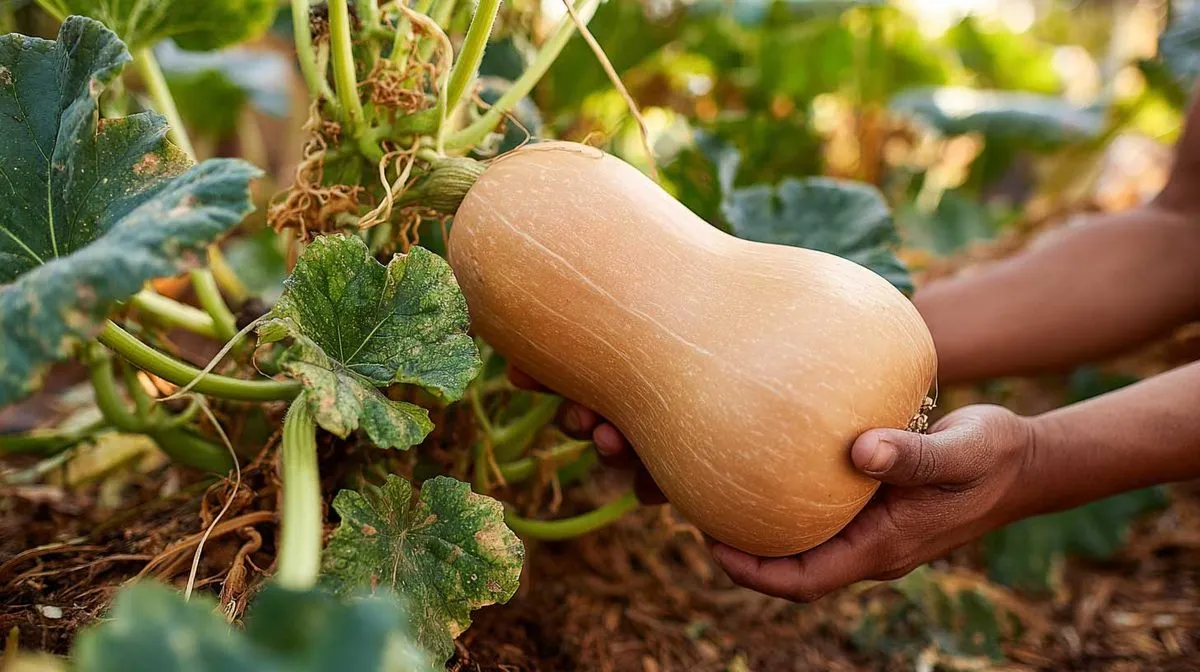
What it looks like as it grows


🌱 Plant profile: Pumpkin, with sowing times for your region, companion plants and common pests.
When to Plant Butternut Pumpkin
Butternut pumpkin is a warm-season crop. Seeds need soil temperatures of at least 18 degrees to germinate, and the fruit needs 14 to 20 weeks of warm weather to mature. In most of Australia, that means sowing in spring for a summer or autumn harvest.
Planting Method
- Choose a sunny spot. Butternuts need at least 6 to 8 hours of direct sun. They also need room: each vine spreads 2 to 3 metres in all directions.
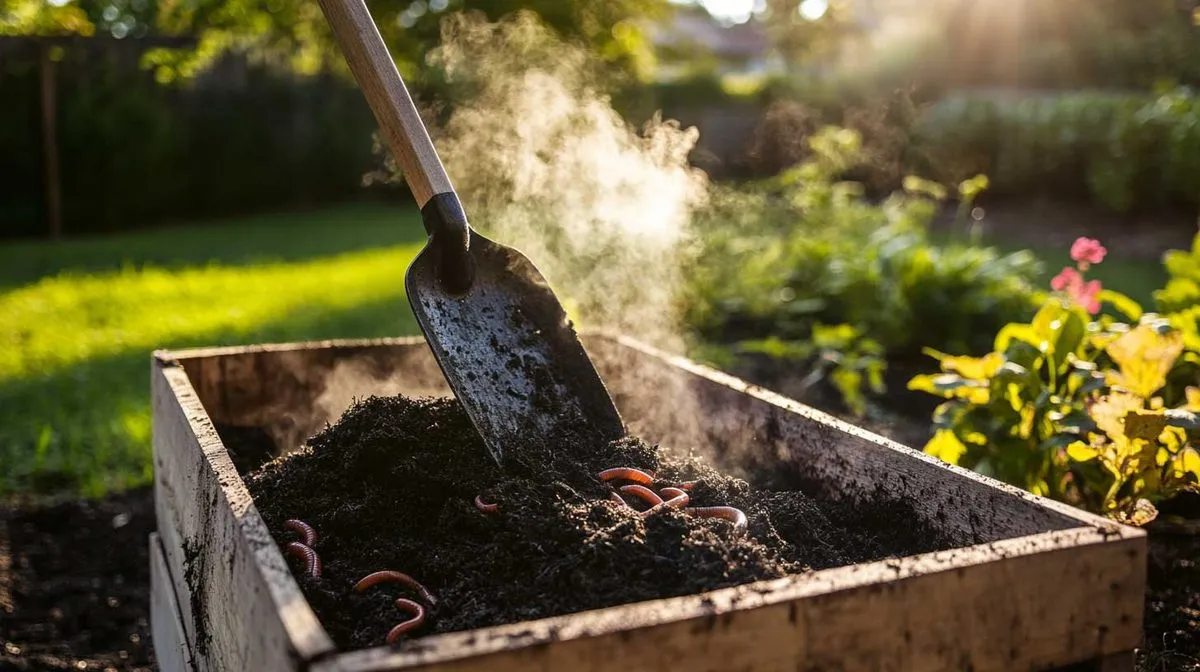
- Prepare the soil. Dig a planting hole 30 cm wide and deep. Fill with a mix of compost and soil. Pumpkins are heavy feeders and respond dramatically to rich soil. A shovelful of aged manure in the planting hole works wonders.
- Sow 2 to 3 seeds per mound, 2 cm deep. Space mounds 1.5 to 2 metres apart. Thin to the strongest seedling once they have 2 true leaves.
- Mulch heavily around plants (not touching the stem) to retain moisture and keep fruit off wet soil, which causes rot.
- Water deeply at the base of the plant, not overhead. Wet leaves encourage powdery mildew. Water deeply once or twice a week rather than daily light watering.
Pollination
Butternut pumpkins produce separate male and female flowers on the same vine. Male flowers appear first (on thin stems). Female flowers follow (look for the tiny pumpkin shape at the base of the flower). Bees do the pollination work. If you're not getting fruit despite lots of flowers, you may need to hand-pollinate: pick a male flower, peel back the petals, and dab the pollen onto the centre of a female flower early in the morning.
Common Problems
Powdery mildew
White powdery coating on leaves, especially late in the season. The fruit is still edible. Remove badly affected leaves to improve airflow. Milk spray (1:9 milk to water) applied weekly helps prevent it. Avoid overhead watering.
Fruit rot
Developing fruit sitting on wet soil rots from the bottom. Place a piece of tile, cardboard, or straw under each developing pumpkin to keep it off the ground.
Vine borer
Sawdust-like frass at the base of stems indicates vine borer. Slit the stem carefully to find and remove the larvae. Mound soil over the damaged stem section to encourage new roots.
Harvesting and Storage
Butternut pumpkin is ready when the skin has turned uniformly tan/beige, the stem has dried and turned brown, and the skin is hard enough that you can't dent it with your fingernail. Cut (don't pull) the fruit from the vine, leaving 5 to 10 cm of stem attached. Pumpkins with stems store much longer.
Cure in a warm (25 to 30 degrees), dry spot for 10 to 14 days. This toughens the skin and improves the flavour. Cured butternuts store for 3 to 6 months in a cool, dry place. Don't refrigerate whole pumpkins.
Frequently Asked Questions
How long do butternut pumpkins take to grow?
Butternut pumpkins take 14 to 20 weeks from sowing to harvest, depending on conditions. Germination takes 7 to 14 days. The fruit needs time on the vine to develop its sweetness and hard skin for storage.
How many pumpkins does one plant produce?
A healthy butternut vine produces 4 to 8 pumpkins per plant. You can increase fruit size by limiting each vine to 3 to 4 fruit (remove extra small fruit early).
How do I store butternut pumpkin?
Cure for 10 to 14 days in a warm, dry spot after harvest. Then store in a cool, dry place (not the fridge). With stem attached, cured butternuts last 3 to 6 months.
See also: Pumpkin in the Plant Library
Plant profile
The pumpkin profile has sowing times for your region, companion plants and common pests.