How to Grow Avocado From Seed or a Grafted Tree in Australia
Updated October 2026
More fruit growing help: Backyard Fruit Trees in Australia, with the best fruit for each region and when to plant it.
Cross-pollination, container growing, and variety picks for every region
Avocados are one of Australia's most popular fruits, and growing your own is entirely possible in the right climate. A mature avocado tree produces hundreds of fruit per year. The challenge is patience: avocado trees take several years to start bearing, and they need warmth, good drainage, and protection from cold winds.
This guide covers the best varieties for home gardens, the cross-pollination puzzle, container growing options, and planting times by region.
What it looks like as it grows


🌱 Plant profile: Avocado, with sowing times for your region, companion plants and common pests.
When to Plant an Avocado Tree in Your Region
Avocado planting months vary more between regions than for most fruit trees, because young trees need to establish before frost or summer heat. These are the planting months for each region from our data. Each region links to its full vegetable planting calendar, and the Avocado plant page has spacing, companions and care notes for your region.
| Region | Plant trees | Local note |
|---|---|---|
| South East Queensland | March to September | |
| Northern Rivers NSW | March to September | |
| Sydney & Coastal NSW | March to September | |
| Melbourne & Victoria | October and November | Marginal. Melbourne frosts run roughly mid May to mid September, and avocado is the most frost tender, so wait until October. Plant in a warm, sheltered, north facing spot and use frost cloth while young. |
| Adelaide & SA | September and October | Plant Sep to Oct on a raised mound in a warm sheltered spot, and water deeply through summer. Plains gardens rarely frost; in the Adelaide Hills, use frost cloth while young. |
| Perth & WA | March to May and August to October | Plant in autumn or from late winter to early spring, on a mound if drainage is slow. Shade young trees from hot afternoon sun and wind, mulch the sand heavily and water deeply through summer. |
| Tasmania | Not recommended outdoors | Unsuitable for reliable fruit. Hardy types like Bacon survive sheltered coastal gardens but rarely crop. |
| Canberra & ACT | Not recommended outdoors | Not viable outdoors. Canberra frosts are far colder than avocados survive, even hardy types like Bacon. |
| North Queensland | May to September | Dry season establishment May to Sep. Avocado grows well in tropical north; extend sow window for heat. |
| Darwin & Top End | May to September | Dry season establishment May to Sep. Avocado grows well in tropical north; extend sow window for heat. |
Best Avocado Varieties for Australia
Hass
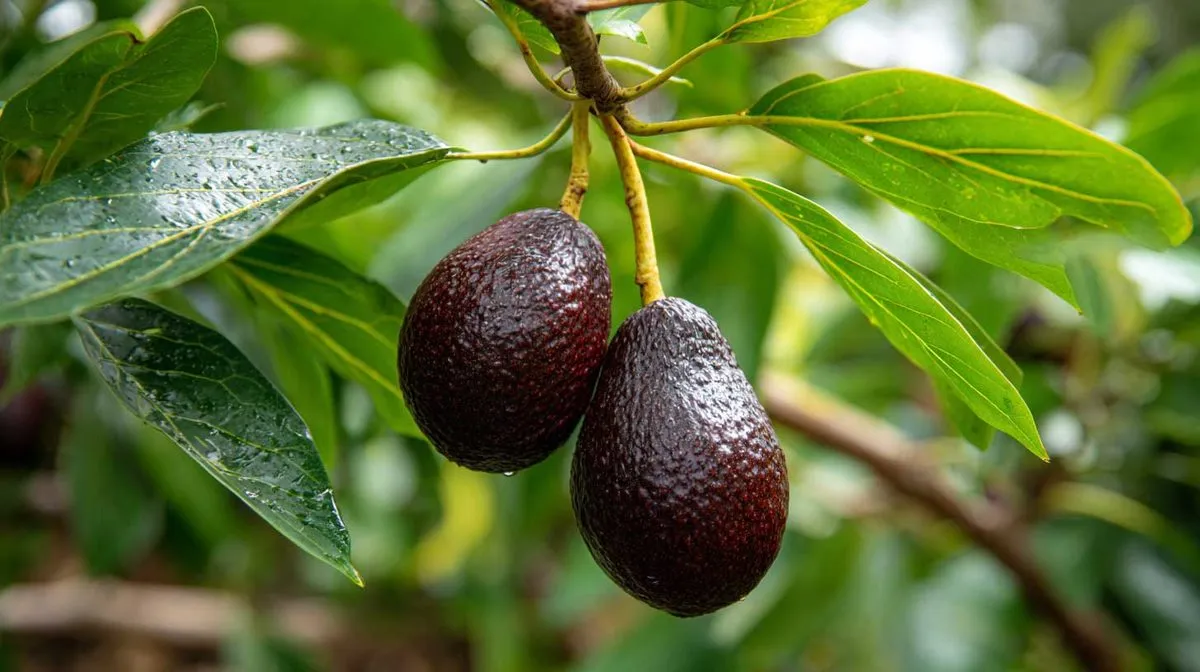
The world's favourite avocado. Pebbly, dark-skinned fruit that ripens to near-black. Rich, creamy flesh with excellent flavour. Type A flowering. The most commonly planted backyard avocado in Australia.
Shepard
Smooth, green-skinned Australian variety that does not brown once cut. Creamy flesh with a mild, buttery flavour. Type B flowering (good pollination partner for Hass). Prefers tropical and subtropical climates.
Bacon
Cold-hardy variety that tolerates light frost once established. Smooth, thin, green skin with mild-flavoured flesh. Type B flowering. A good choice for cooler regions where other avocados struggle.
Wurtz (Little Cado)
Naturally dwarf variety that stays under 4 metres. Type A flowering. Perfect for small gardens and large containers. Produces full-sized Hass-type fruit on a compact tree.
Fuerte
Classic green-skinned avocado with smooth, creamy flesh. Type B flowering (pairs well with Hass). Moderate cold tolerance. Widely grown in southern Australian avocado regions.
How to Grow Avocado From Seed
Growing an avocado from seed is one of the most popular kitchen-bench projects there is, and it gives you an attractive plant. Go in with your eyes open, though: seed-grown trees take 7 to 15 years to fruit, if they fruit at all, and the fruit can be poor. If you want avocados to eat, plant a grafted tree, which fruits in 3 to 5 years. If you want to watch a seed grow, either method below works.
Growing an avocado seed in water
- Wash the seed clean of any flesh and work out which end is which. The broader, flatter end is the base, where the roots grow, and the narrower end is the top, where the shoot appears.
- Push three or four toothpicks into the sides of the seed around its middle, and rest them on the rim of a glass so the base sits in water and the top stays dry.
- Stand the glass in a warm, bright spot out of direct sun, and change the water every few days so it stays clean.
- Be patient. The seed splits, a root grows down and a shoot rises from the top, which can take several weeks. Our plant data gives a temperature range of 18 to 28°C, so a warm room speeds it up.
- Once the roots are well developed and the stem has a few leaves, pot the seedling into free-draining potting mix with the top half of the seed above the surface.
Planting an avocado seed in soil
You can skip the glass and plant the seed straight into a pot of free-draining potting mix, base down, with the top third or so of the seed above the surface. Keep the mix lightly moist and the pot somewhere warm. It is less fun to watch than the glass method, but there is no transplant step.
Growing the seedling on
Keep a young avocado in bright light, water it when the top few centimetres of mix dry out, and never let it sit in water, because root rot is the biggest killer of avocados at every age. Pinching out the growing tip encourages a bushier plant. If you plant it out later, treat it like any avocado: full sun, deep free-draining soil, a raised mound if drainage is slow, and protection from frost while it is young.
Cross-Pollination: Type A and Type B
Avocado flowers have a unique system. Each tree produces flowers that are either Type A or Type B:
- Type A (Hass, Wurtz): Flowers open as female in the morning, close, then reopen as male the next afternoon.
- Type B (Shepard, Bacon, Fuerte): Flowers open as female in the afternoon, close, then reopen as male the next morning.
Planting one Type A and one Type B tree near each other greatly improves pollination and fruit set. A single tree will set some fruit on its own, but yields are much better with a pollination partner.
Planting a Grafted Avocado Tree
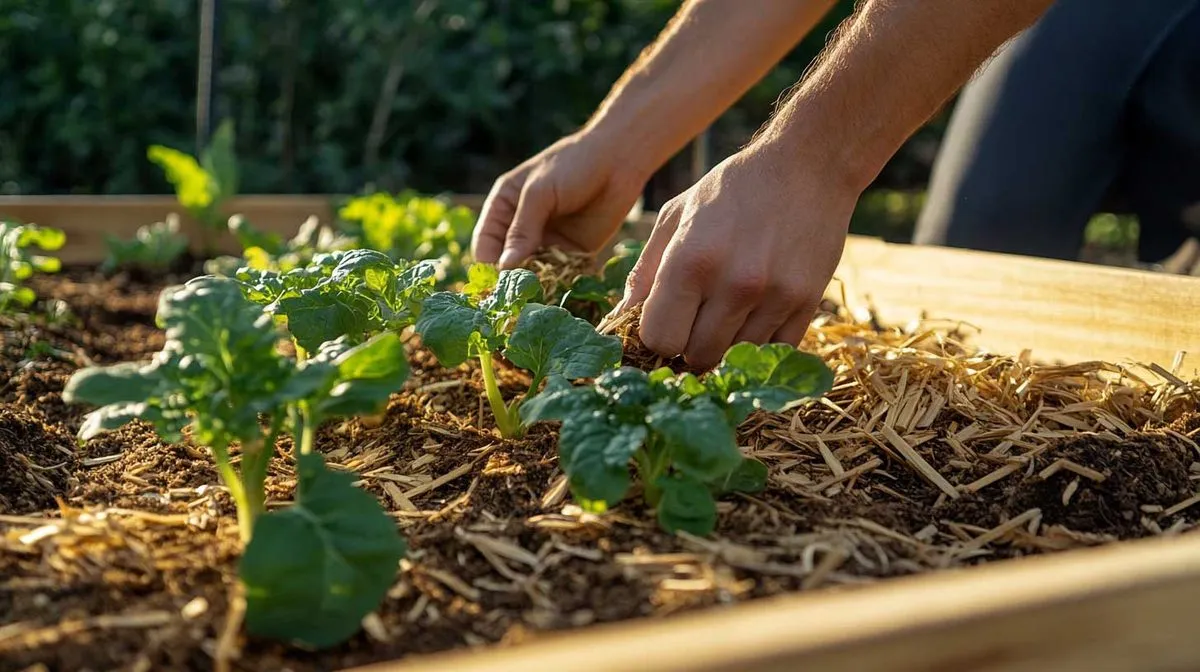
A grafted tree is the reliable way to eat your own avocados. Plant it in full sun in deep, free-draining soil, on a raised mound if your drainage is slow, and in a spot sheltered from strong wind. Mulch widely to keep the roots cool, keeping the mulch clear of the trunk. Water deeply and often, especially through summer, but never let the soil stay soggy. Feed several times through the growing season with a balanced fertiliser plus extra potassium and zinc.
The planting month depends on your region. Perth plants in autumn, or from late winter to early spring, and shades young trees from hot afternoon sun and wind and mulches the sand heavily. Adelaide plants in September and October on a raised mound in a warm, sheltered spot. Melbourne is marginal: wait until October, plant in a warm, north-facing position and use frost cloth while the tree is young. In the tropics, the dry season from May to September is the time to establish a tree. Pair a Type A and a Type B variety if you have room, for better fruit set.
Container Growing
Avocados can be grown in large containers, especially dwarf varieties like Wurtz. Container growing lets you move the tree to sheltered spots in cold weather and control soil drainage precisely.
- Use a pot at least 60 cm wide and deep with excellent drainage
- Premium potting mix with added perlite for drainage
- Water when the top 5 cm of mix dries out. Avocados hate waterlogged roots
- Feed every 6 weeks during the growing season with a citrus or general-purpose fertiliser
- Repot every 3 to 4 years, trimming roots by one-quarter
Container avocados will not produce as heavily as in-ground trees, but a well-managed Wurtz in a pot can produce 20 to 50 fruit per year once mature.
Harvesting Avocados
Avocados do not ripen on the tree, which surprises many first-time growers. Pick mature fruit once it has reached full size, then ripen it indoors on the bench. To check whether a tree is ready, pick one fruit and leave it inside: if it softens evenly, the rest are ready to pick as you need them. Clip the stalk with secateurs rather than pulling the fruit off. In our data the main picking season runs from March to July, and a mature tree can carry 50 to 200 fruit.
Common Problems
Phytophthora root rot
The most serious avocado disease. Caused by waterlogged soil and poor drainage. Leaves yellow, the tree declines, and roots rot. Prevention is the only real option: plant in very well-drained soil, on a mound if necessary, and never overwater.
Fruit drop
Avocados naturally drop a large proportion of their fruit. A healthy tree may set thousands of flowers and keep only 100 to 200 fruit. Some drop is normal. Excessive drop is caused by poor pollination, water stress, or nutrient deficiency.
Sunburn
Young avocado trees and exposed trunks can be badly sunburned. Paint exposed trunks with white water-based paint. Protect young trees with shade cloth for the first 2 to 3 years until the canopy provides its own shade.
Cold damage
Avocados are sensitive to frost, especially when young. Even Bacon variety can be damaged below minus 3 degrees. Protect young trees with frost cloth or hessian wraps when cold nights are forecast.
Frequently Asked Questions
Can I grow avocados from seed?
You can, but seed-grown trees take 7 to 15 years to fruit and may produce poor-quality fruit. Grafted trees from a nursery fruit in 3 to 5 years and produce reliable, known varieties. Seed-grown trees are fun experiments but not reliable fruit producers.
How long do avocado trees take to produce fruit?
Grafted avocado trees typically produce their first fruit in 3 to 5 years after planting. Full production takes 7 to 10 years. Dwarf varieties like Wurtz may fruit sooner, especially in containers.
Do I need two avocado trees?
Having one Type A and one Type B tree significantly improves fruit set. A single tree will produce some fruit on its own, but yields are much better with a pollination partner. Hass (Type A) and Shepard or Fuerte (Type B) are the classic pairing.
Can I grow avocados in Melbourne?
Avocados grow in sheltered, frost-free spots in Melbourne. Bacon is the most cold-tolerant variety. Protect young trees from frost and cold winds. A north-facing wall with good drainage gives the best chance. Container growing allows you to move the tree under shelter in winter.
Which way up do you plant an avocado seed?
Broad, flat end down and narrow end up. The roots grow from the base and the shoot from the top. In water, suspend the seed with toothpicks so only the base sits in the water. In soil, plant it base down with the top third or so above the surface.
When is the best time to plant an avocado tree?
It depends on your region. South East Queensland, the Northern Rivers and Sydney plant from March to September, Perth from March to May or August to October, Adelaide in September and October, and Melbourne in October and November. In the tropics, establish trees in the dry season from May to September. Tasmania and Canberra are too cold for reliable fruit outdoors.
Can I grow an avocado tree in a pot?
Yes, if you choose a dwarf variety such as Wurtz. Use a pot at least 60 cm wide and deep with excellent drainage and premium potting mix with added perlite, and water when the top 5 cm dries out. A well-managed potted tree can produce 20 to 50 fruit a year once mature.
See also: Avocados in the Plant Library
Plant profile
The avocado profile has sowing times for your region, companion plants and common pests.