How to Grow Lemons in Australia
Updated June 2026
More fruit growing help: Backyard Fruit Trees in Australia, with the best fruit for each region and when to plant it.
Four-times-a-year feeding, citrus pests, and variety picks for every region
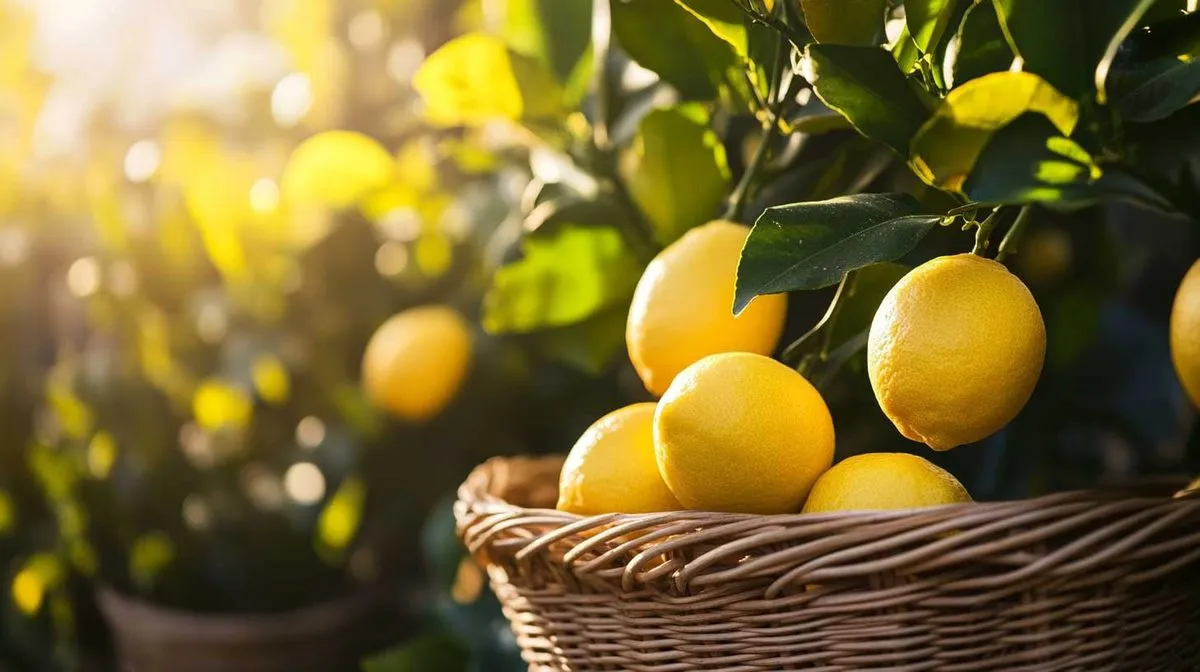
A lemon tree is the most useful fruit tree you can plant in an Australian garden. Lemons are used daily in cooking, drinks, and preserving. A healthy tree produces hundreds of fruit per year and, with the right care, will keep going for decades. Most problems with backyard lemon trees come down to one thing: not enough feeding.
This guide covers the best lemon varieties, the feeding schedule that makes all the difference, common pests, and regional planting times.
What it looks like as it grows


🌱 Plant profile: Lemon Tree, with sowing times for your region, companion plants and common pests.
When to Plant in Your Region
Eureka
The classic lemon. Produces fruit almost year-round in warm climates. Medium-sized, thin-skinned fruit with plenty of juice. Slightly less cold-hardy than Lisbon. The most widely planted lemon in Australian gardens.
Meyer
A lemon-orange hybrid with thin skin, juicy flesh, and a sweeter, less acidic flavour than true lemons. Compact tree suits smaller gardens and pots. Very productive. Cold-hardy and reliable across most Australian climates.
Lisbon
True lemon with thick skin and very acidic, juicy flesh. Hardier than Eureka in cold and windy conditions. Vigorous tree with thorny branches. Main crop in winter and spring.
Lemonade
Sweet, low-acid lemon that can be eaten fresh like an orange. Round, smooth fruit. Popular with families. Does not have the tartness for cooking, but excellent juiced or eaten off the tree.
Lots-a-Lemons
Compact dwarf variety bred for containers and small gardens. Stays under 2 metres tall. Produces full-sized Eureka-type lemons. Perfect for balconies, courtyards, and pots.
Feeding Schedule: Four Times a Year
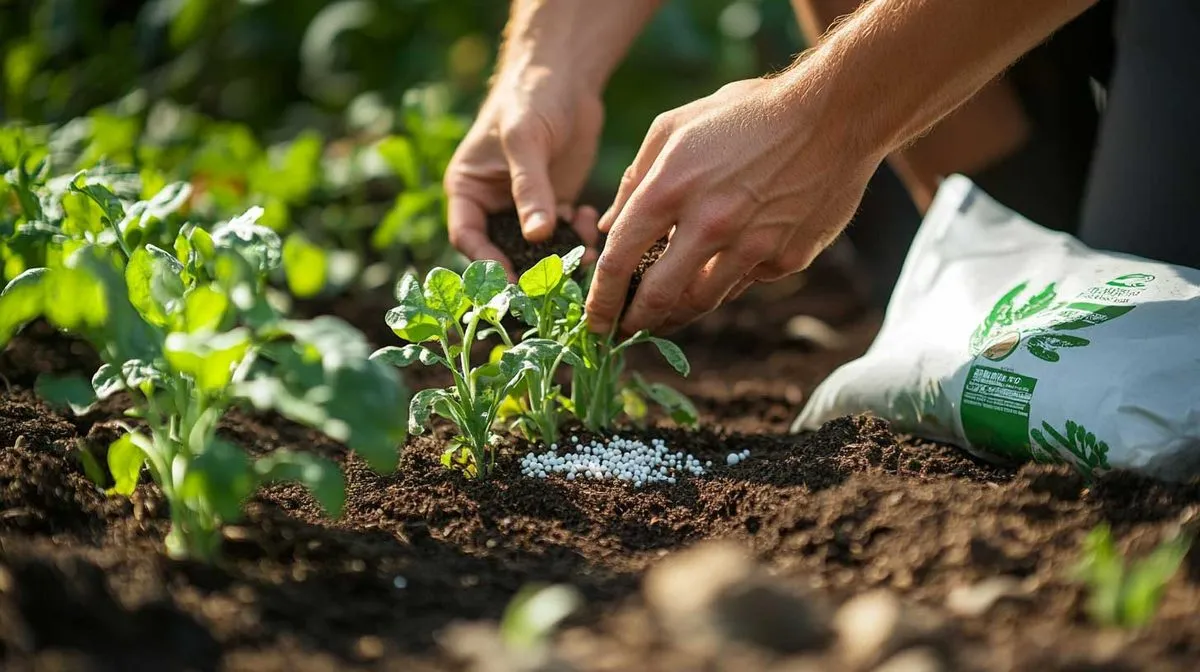
Citrus trees are heavy feeders. The single biggest reason for poor fruit production in backyard lemon trees is under-feeding. Feed four times per year with a complete citrus fertiliser:
- Late winter (August): Prepare for spring flowering. Apply a citrus-specific fertiliser with trace elements.
- After fruit set (November): Support developing fruit. Apply again at the same rate.
- Mid-summer (January): Sustain the tree through the hot months. Apply at half rate and water in well.
- Autumn (April): Build reserves for winter. Full rate of citrus fertiliser plus a side-dress of composted manure.
Citrus Pests
Citrus leaf miner
Larvae tunnel through new leaves, creating silvery trails. The damage is mostly cosmetic and does not affect fruit production on established trees. Spray new growth with horticultural oil if infestations are severe. Avoid pruning in autumn when leaf miners are most active.
Scale
Small, brown or white bumps on stems and leaves. Scale insects suck sap and produce sooty mould. Spray with white oil, covering all surfaces thoroughly. Two applications 2 weeks apart usually controls them.
Citrus gall wasp
Lumpy growths on branches caused by a tiny wasp laying eggs inside the wood. Prune out galls before August (when adult wasps emerge). Dispose of pruned galls in a sealed bag, not the compost.
Stink bugs
Large shield-shaped bugs that suck juice from developing fruit, causing dry, woody patches inside. Handpick and drop into soapy water. Check trees in the morning when bugs are sluggish.
Planting and Care
- Choose a sunny spot with good drainage. Lemons need at least 6 hours of direct sun daily. They hate waterlogged roots, so plant on a mound in heavy clay soils.
- Dig a hole twice the width of the root ball but no deeper. Plant at the same level it was growing in the pot. Planting too deep causes collar rot.
- Mulch well with sugar cane or straw mulch, keeping it 15 cm away from the trunk.
- Water deeply once or twice a week rather than light daily watering. Deep watering encourages deep roots. Reduce watering in winter.
- Prune lightly. Remove dead wood, suckers below the graft, and any branches that cross or grow inward. Citrus fruit on the outside of the canopy, so keep the tree open for light penetration.
Frequently Asked Questions
When should I plant a lemon tree in Australia?
Plant container-grown lemon trees in spring or autumn when temperatures are mild. Avoid planting in the heat of summer or the cold of winter. Spring planting gives the tree a full growing season to establish before winter.
How long does a lemon tree take to produce fruit?
A grafted lemon tree typically produces its first fruit in 2 to 3 years after planting. Full production takes 4 to 5 years. Meyer lemons and Lots-a-Lemons often fruit in their first year in a pot.
Why is my lemon tree not producing fruit?
The most common cause is under-feeding. Lemon trees need four feeds per year with a complete citrus fertiliser. Other causes include insufficient sunlight (need 6 hours minimum), overwatering, and young tree age.
Can I grow lemons in pots?
Lemons grow very well in large pots (at least 50 cm wide). Meyer and Lots-a-Lemons are the best varieties for containers. Use premium potting mix, feed four times a year, and water when the top few centimetres of mix dry out.
See also: Lemons in the Plant Library
Plant profile
The lemon tree profile has sowing times for your region, companion plants and common pests.