Pruning Guide for Australian Gardens
Updated June 2026
Seasonal calendar, cut types, and step-by-step methods for fruit trees and berries
Pruning is the single most impactful thing you can do for fruit trees and productive plants. Done well, it improves fruit quality, controls tree size, prevents disease, and extends the life of your plants. Done badly (or not at all), trees become overcrowded, fruit gets smaller, and diseases take hold.
This guide covers when to prune, the two fundamental cut types, and specific methods for the most common Australian garden trees.
🌱 Plants in this guide: Lemon Tree, Mandarin, Apricot, Almond, Peach, Nectarine, Plum, Fig and 2 more, all listed under Plant profiles at the end of this guide. Each plant profile has sowing times for your region, companion plants and common pests.
Seasonal Pruning Calendar
Winter (June to August)
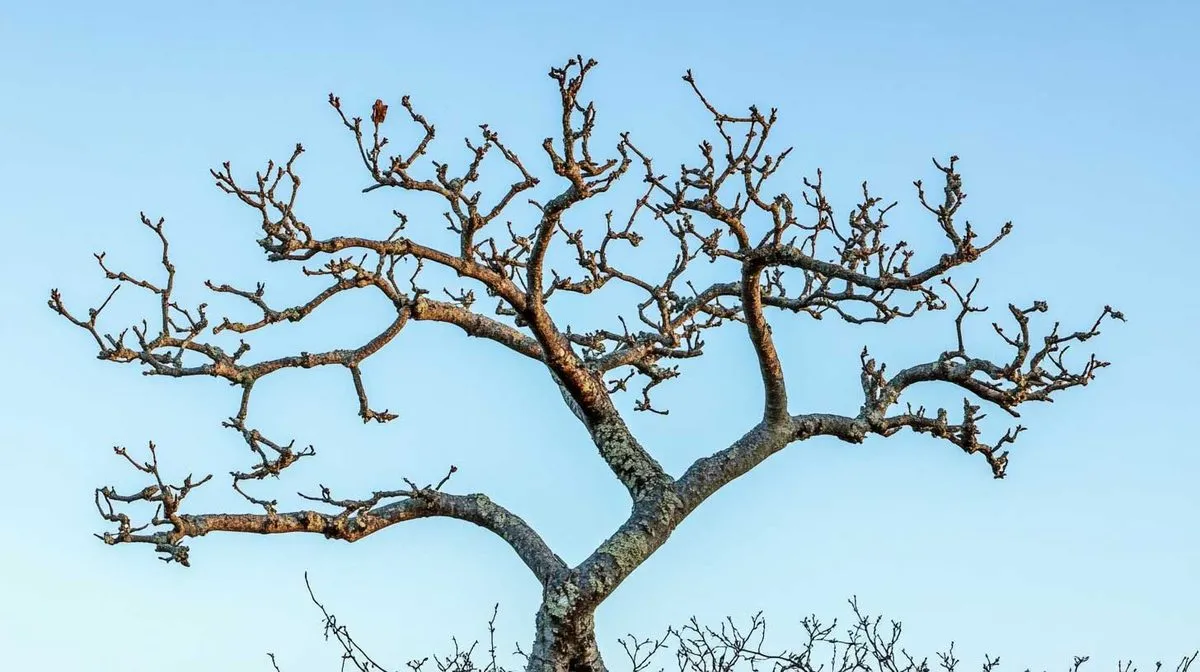
The main pruning season for apples, pears, quinces, figs, grapes, mulberries and persimmons. These are pruned while dormant and leafless, when you can see the branch structure clearly and the tree is not actively growing.
Stone fruit is the exception. Apricots, cherries and almonds should not be pruned now. See the section below.
Late winter/early spring (August to September)
Prune citrus trees lightly to remove dead wood and shape. Prune roses for the spring flush. Avoid heavy citrus pruning which removes fruiting wood.
After harvest
Some trees are best pruned immediately after picking. Mangoes, avocados, and summer-fruiting berries are pruned after harvest while there is still warm weather for regrowth.
Never prune
Do not prune apricots, cherries or almonds in autumn, winter or early spring. Bacterial canker and silver leaf enter through fresh wounds in cool, wet conditions, and late winter and spring are the worst of it. These three are pruned in late summer to early autumn instead, after harvest, on a warm dry day when the cuts can seal quickly.
Plums carry the same silver leaf risk and are safest pruned after harvest as well. Peaches and nectarines are less susceptible, but they also do better pruned after picking than in the wet.
Heading vs Thinning Cuts
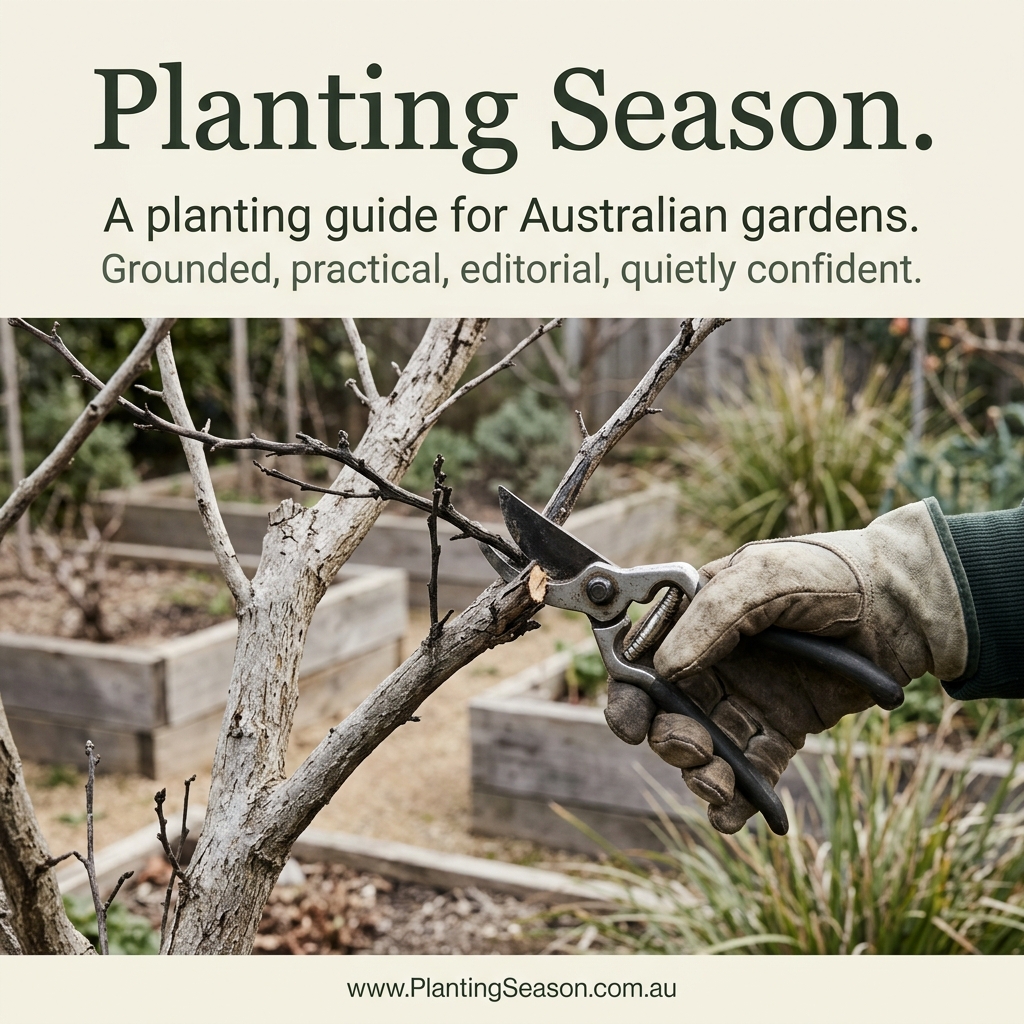
Every pruning cut is either a heading cut or a thinning cut. Understanding the difference is the foundation of good pruning.
Heading cuts
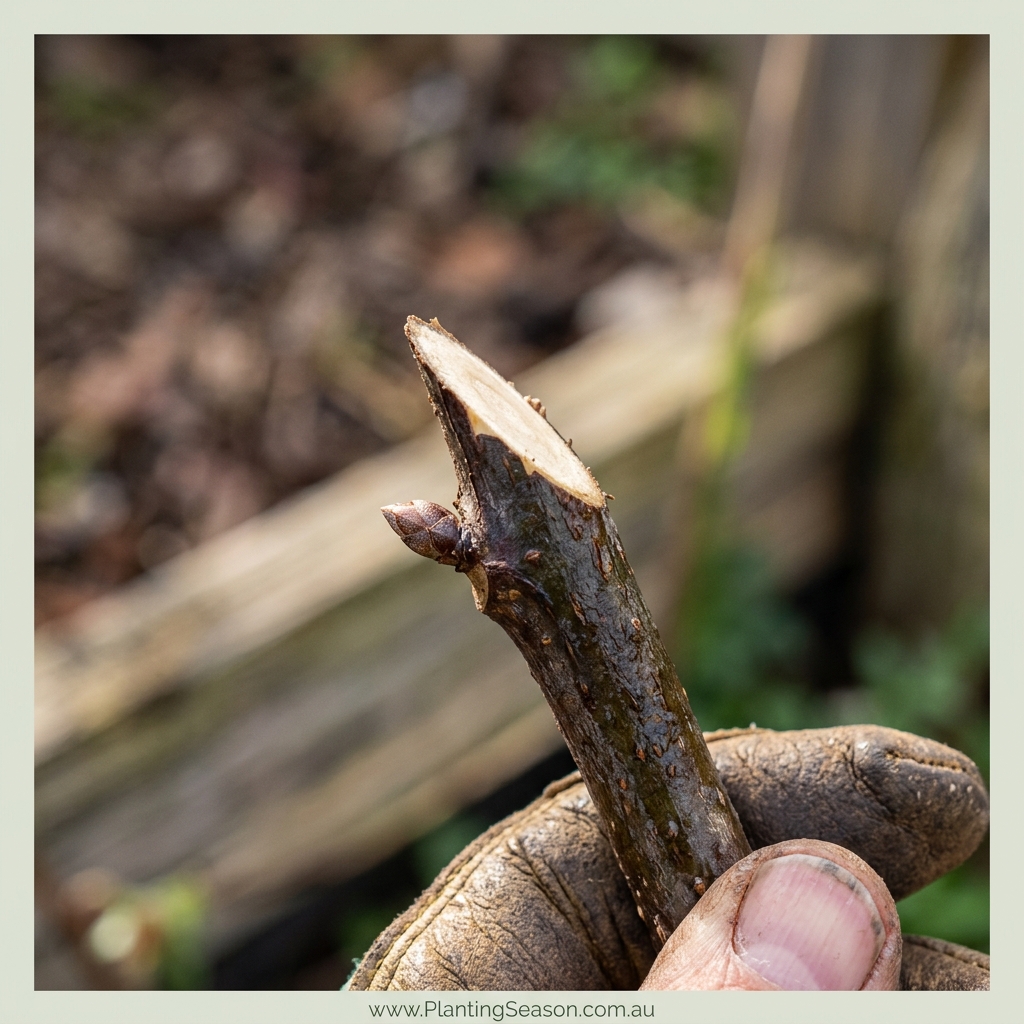
Cutting a branch back to a shorter length (above a bud). This stimulates vigorous regrowth from the buds below the cut. Use heading cuts to encourage bushiness, reduce height, and rejuvenate old wood. Multiple new shoots grow from below the cut.
Thinning cuts
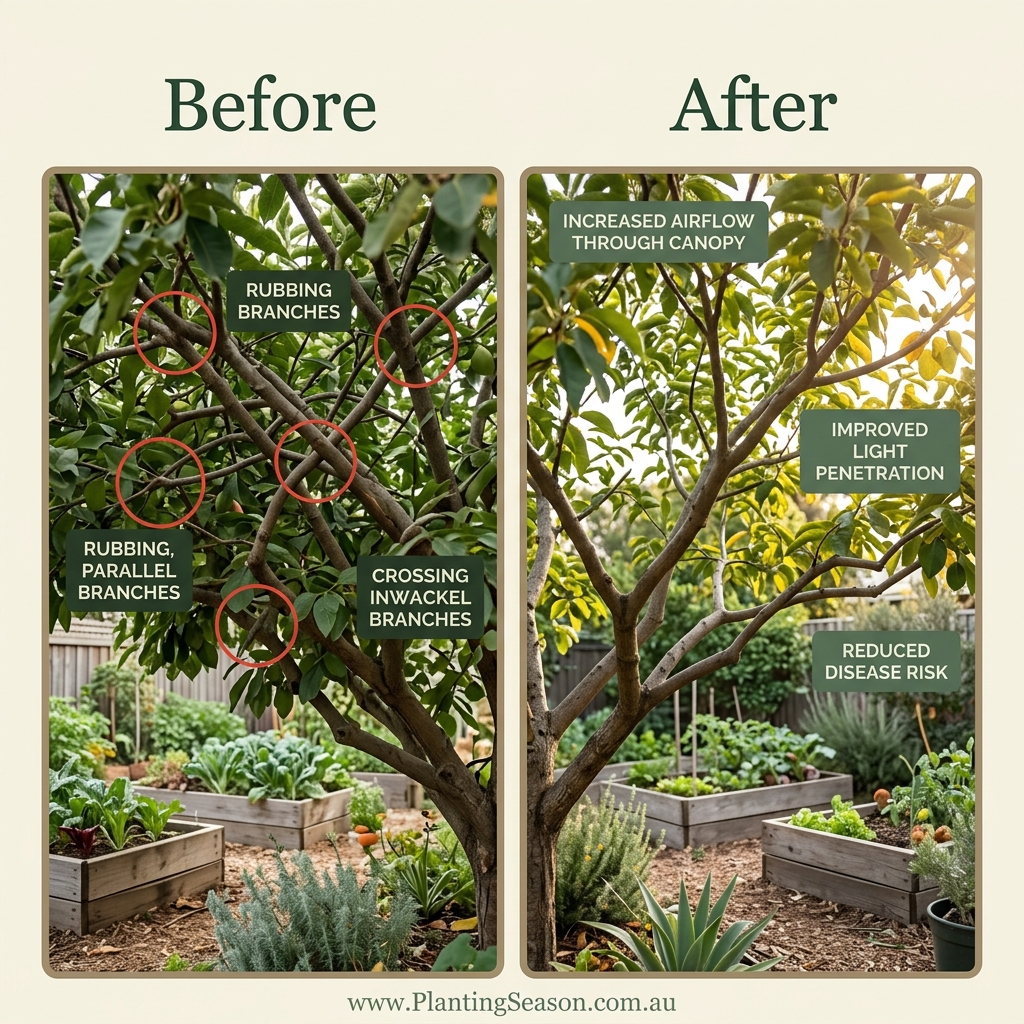
Removing an entire branch back to its point of origin (another branch or the trunk). This opens up the tree without stimulating a burst of new growth. Use thinning cuts to improve air circulation, let light into the canopy, and remove crowded or crossing branches.
Pruning by Plant Type
Citrus (lemon, orange, mandarin, lime)
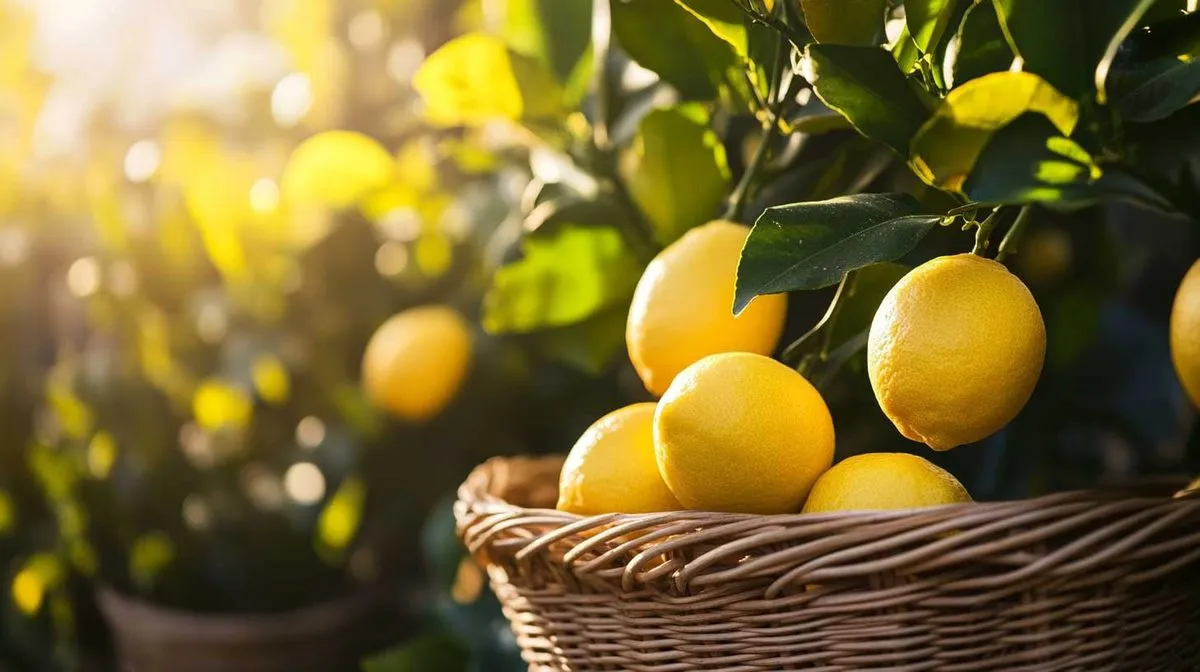
Citrus need very little pruning. Remove dead wood, suckers below the graft, and any branches that cross or grow inward. Tip-prune long, leggy growth to encourage branching. Never remove more than 20% of the canopy in one year. Prune in late winter or early spring.
Apricot, cherry and almond
Prune in late summer to early autumn, after harvest, and only on a warm dry day. These three are the most susceptible to bacterial canker and Eutypa dieback, and both diseases enter through fresh cuts made in cool or wet weather. Shape to an open vase, keep 3 to 5 main scaffold branches growing outward, and keep the cuts small and clean. Never prune these with rain coming.
Peach, nectarine and plum
Best pruned after harvest in warm dry weather. Peaches and nectarines fruit on wood grown the previous season, so that wood needs renewing every year: take out what has just fruited and keep the new growth for next season. Plums are prone to silver leaf, so treat them like the group above. Shape to an open vase, removing branches growing into the centre. The goal is a tree shaped like an open hand, not a dense ball.
Fig trees
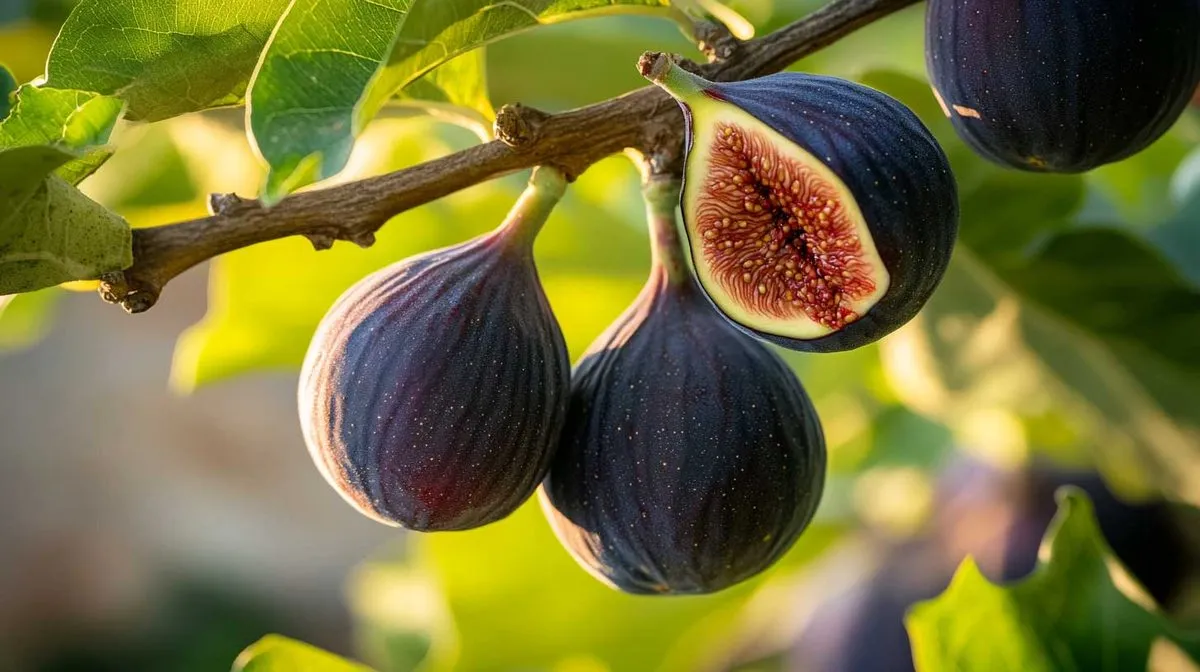
Prune in winter. Figs fruit on new growth (main crop) and on previous year's wood (breba crop). Remove dead and crossing branches. Open up the centre. Cut back long branches by one-third. Hard pruning is fine every few years to control size.
Berry canes (raspberry, blackberry)
For summer-fruiting types: remove canes that have just fruited (they will not fruit again) and tie in new green canes. For everbearing types: cut all canes to the ground in winter for simplicity.
Essential Pruning Tools
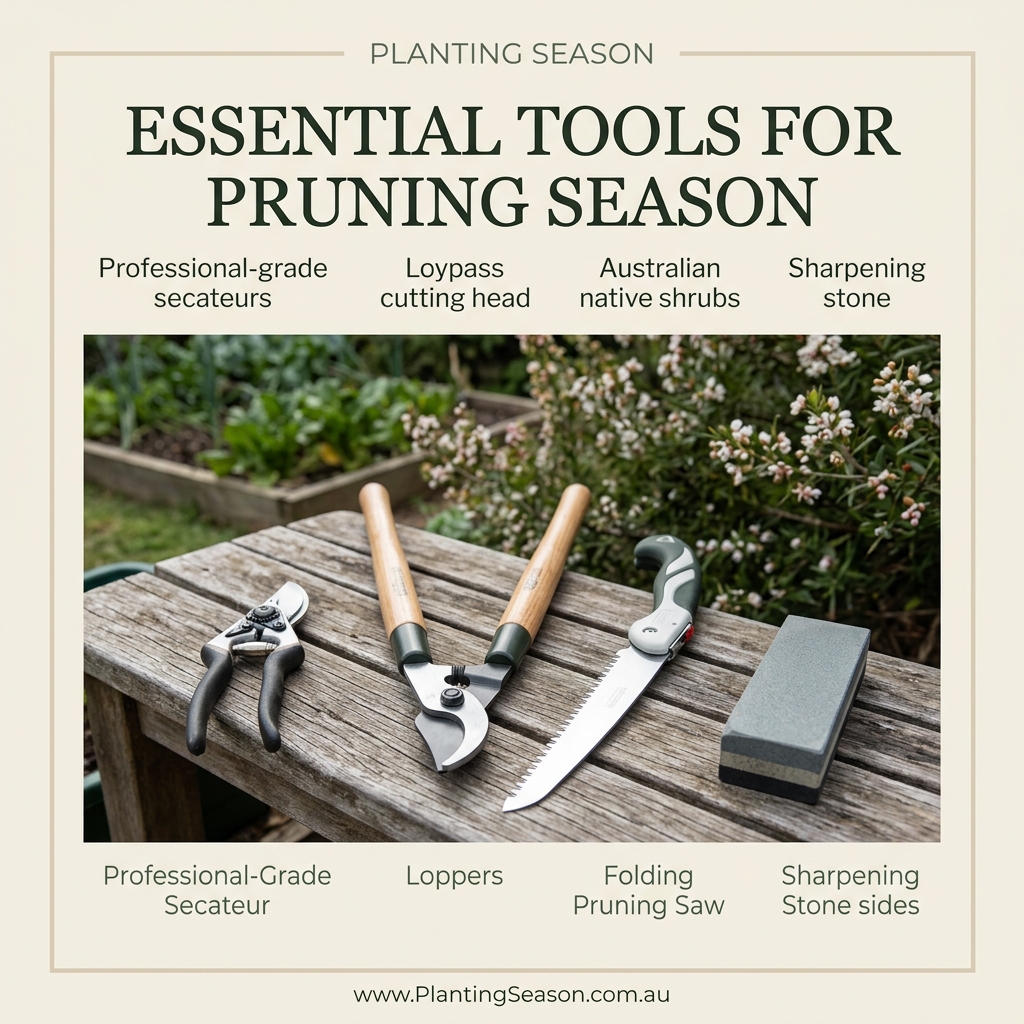
- Bypass secateurs: For cuts up to 2 cm diameter. The most-used pruning tool. Buy a good pair and keep them sharp.
- Loppers: Long-handled, for branches 2 to 5 cm diameter. The extra leverage makes cuts easier and cleaner.
- Pruning saw: For branches over 5 cm. A folding pruning saw is the most useful type for home gardeners.
- Disinfectant: Clean blades between trees with methylated spirits or a bleach solution to prevent spreading disease.
Frequently Asked Questions
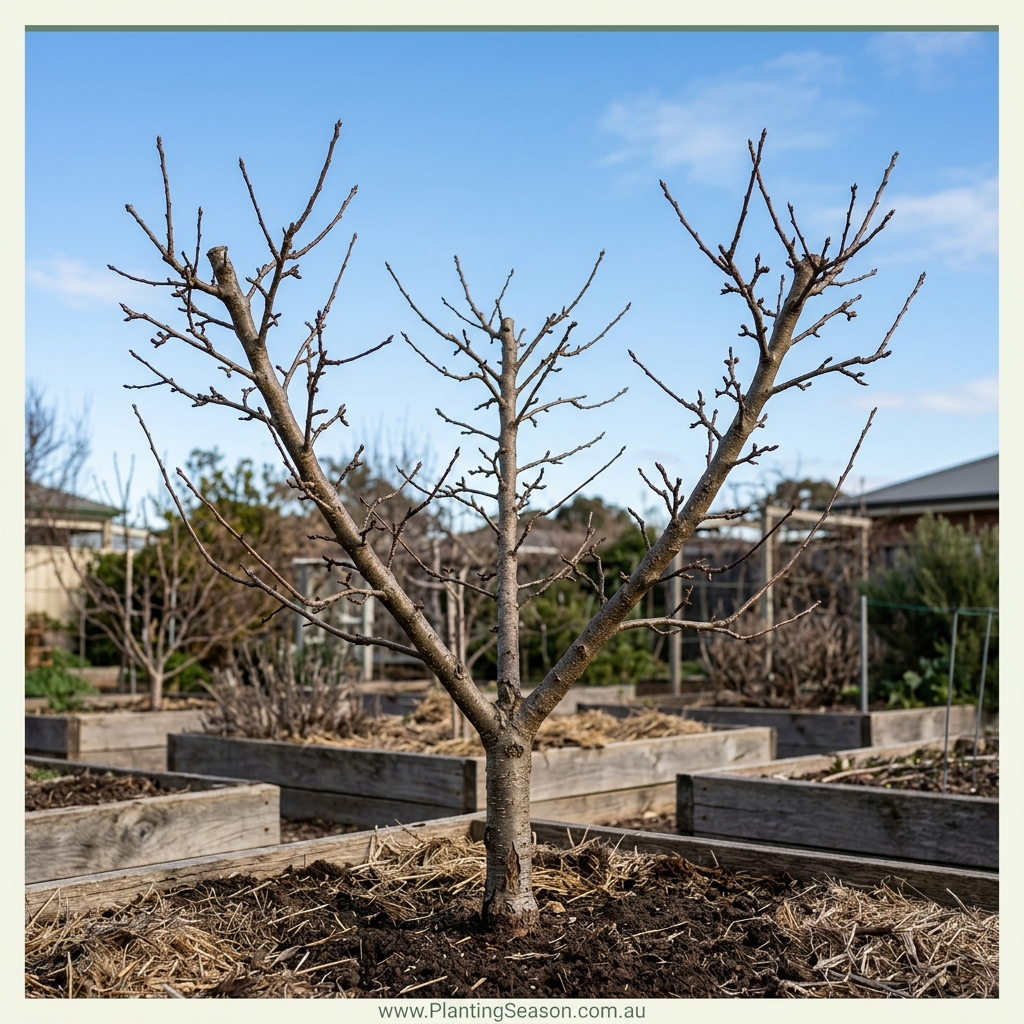
When should I prune fruit trees in Australia?
Apples, pears, figs, grapes and mulberries are pruned in winter (June to August) while dormant. Stone fruit is the exception: apricots, cherries, almonds and plums are pruned in late summer to early autumn after harvest, on a warm dry day, because winter and spring cuts invite bacterial canker and silver leaf. Citrus are pruned lightly in late winter to early spring once frost risk has passed. Mangoes and avocados are pruned after harvest.
What is the difference between heading and thinning cuts?
A heading cut shortens a branch (cutting above a bud) and stimulates bushy regrowth. A thinning cut removes a whole branch back to its origin and opens up the tree without triggering vigorous regrowth. Good pruning uses both types.
How much can I prune at once?
For most fruit trees, remove no more than one-third of the canopy in a single year. Citrus should lose no more than 20%. Removing too much at once stresses the tree and triggers excessive, unproductive regrowth.
Should I seal pruning cuts?
For most trees, no. Clean cuts heal on their own. The exception is large cuts on stone fruit trees, which benefit from pruning paste to prevent disease entry. Citrus and figs do not need wound sealing.
Plant profiles
Each profile has sowing times for your region, companion plants and common pests.