Propagation Guide for Australian Gardens
Updated June 2026
Cuttings, division, layering, and seed saving with a quick reference table
Propagation is how you make new plants from existing ones, for free. Every time you take a cutting, divide a clump, or save seeds, you are growing your garden without spending money at a nursery. Many garden plants are remarkably easy to propagate once you know the basic techniques.
This guide covers the main propagation methods and includes a quick reference table showing the best method for common Australian garden plants.
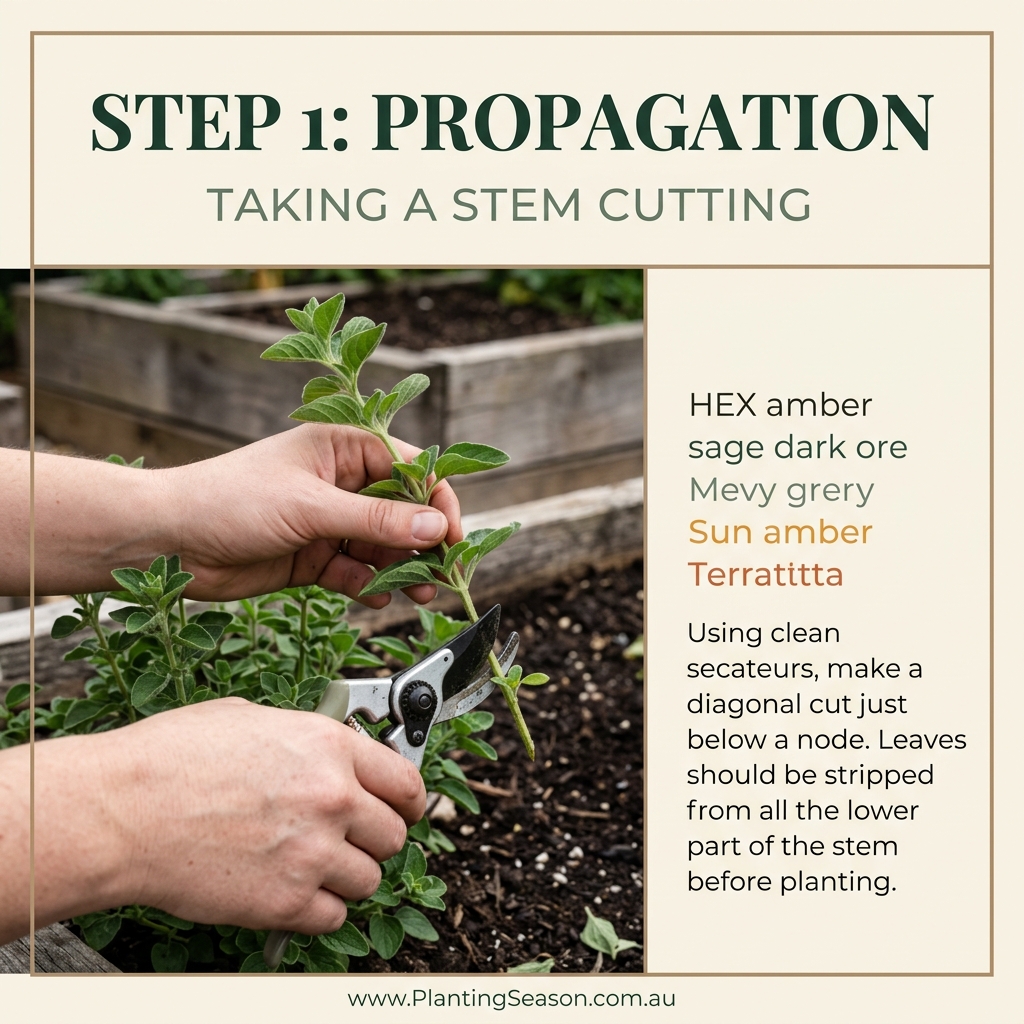
Softwood Cuttings
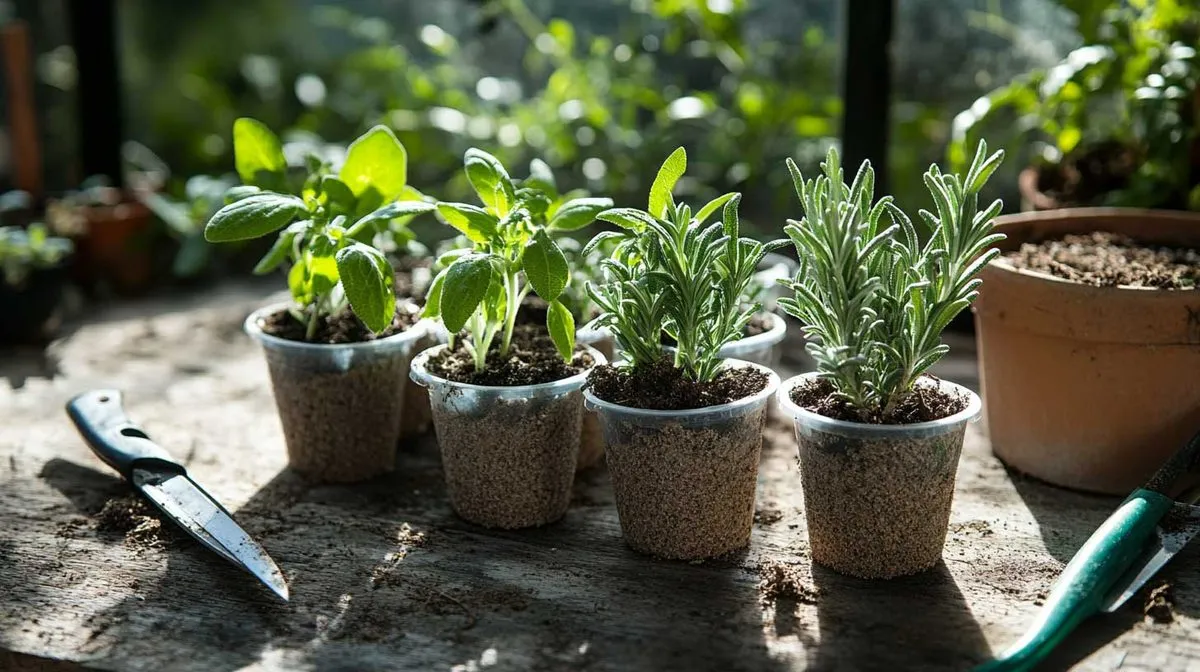
Taken from fresh, green, current-season growth in spring and early summer. Softwood cuttings root quickly but need attention to prevent wilting.
- Cut a 10 to 15 cm length of healthy, non-flowering stem early in the morning when the plant is well hydrated
- Remove the lower leaves, leaving 2 to 3 pairs at the top
- Dip the cut end in rooting hormone (optional but improves success rate)
- Insert into a pot of moist propagation mix (equal parts perlite and peat/coir)
- Cover with a clear plastic bag or place in a propagation tray with a lid to maintain humidity
- Keep in a warm, bright spot out of direct sun
- Roots form in 2 to 6 weeks depending on species. Tug gently to test for root resistance.
Best for: Herbs (basil, mint, rosemary, sage), geraniums, hydrangeas, fuchsias.
Hardwood Cuttings
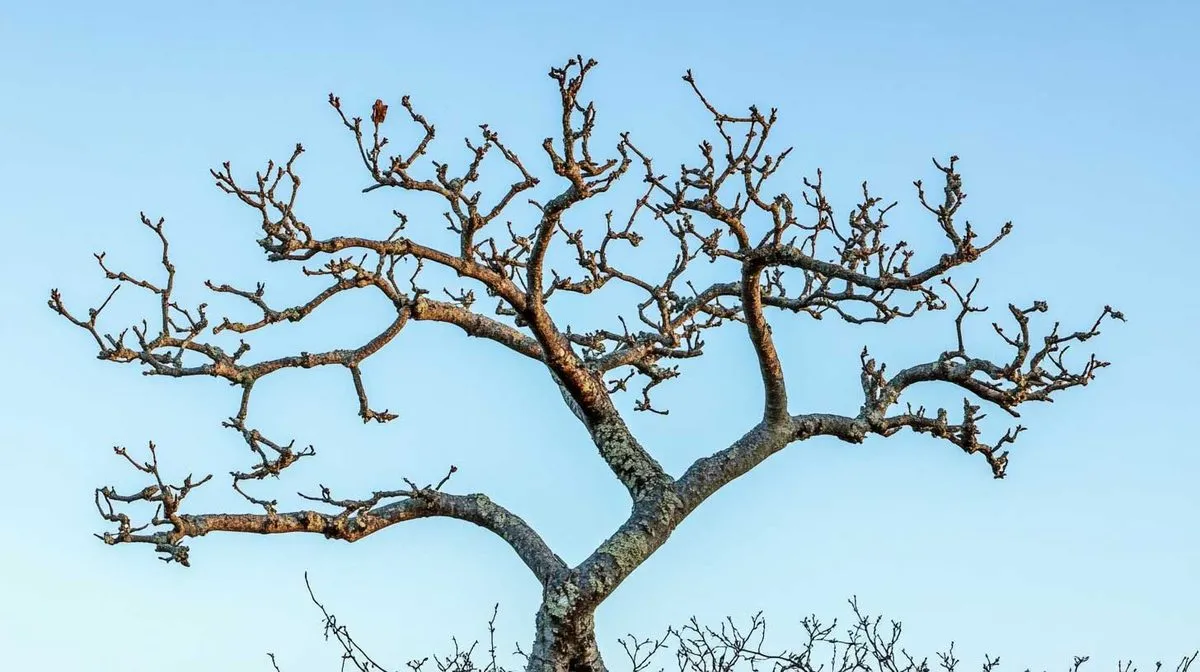
Taken from mature, dormant wood in winter. Hardwood cuttings are slower to root but much less fuss than softwood cuttings because they do not wilt.
- Cut a 20 to 30 cm length of dormant, pencil-thick wood after leaf fall
- Make a straight cut at the bottom and an angled cut at the top (so you remember which end is up)
- Dip the bottom end in rooting hormone
- Insert two-thirds of the cutting into the ground or a deep pot of propagation mix
- Leave outdoors in a sheltered spot. Water occasionally but do not keep soggy
- Roots and new growth appear in spring. Leave cuttings in place for a full growing season before transplanting.
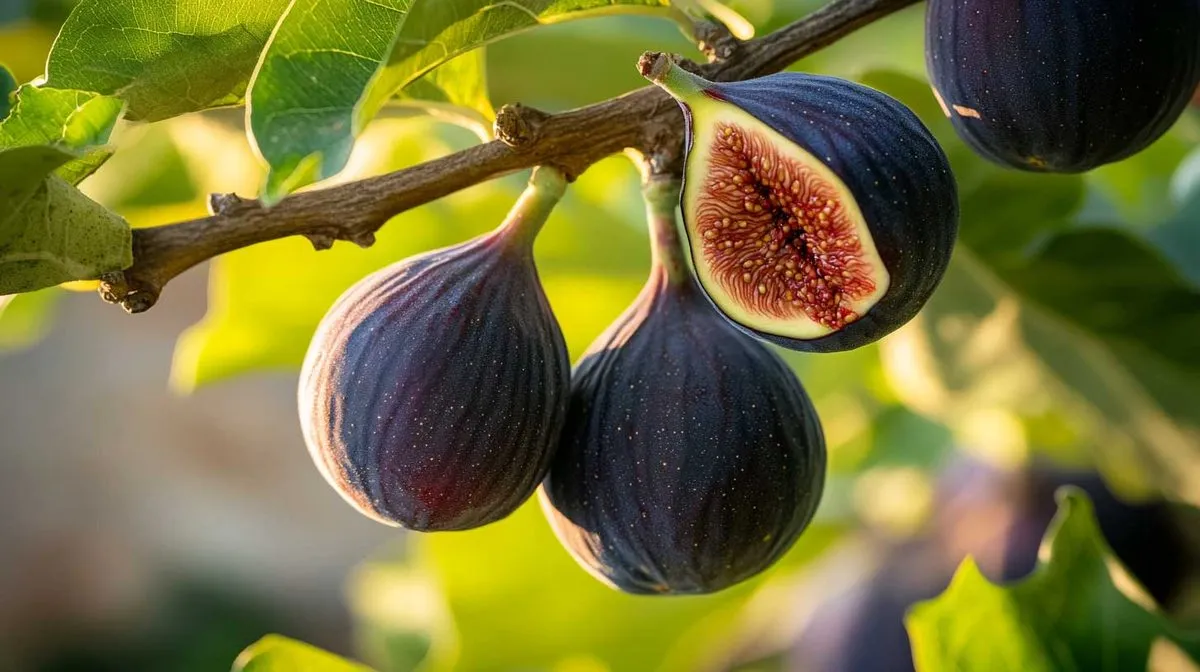
Best for: Figs, grapes, mulberries, roses, elderberry, pomegranate, willow.
Division
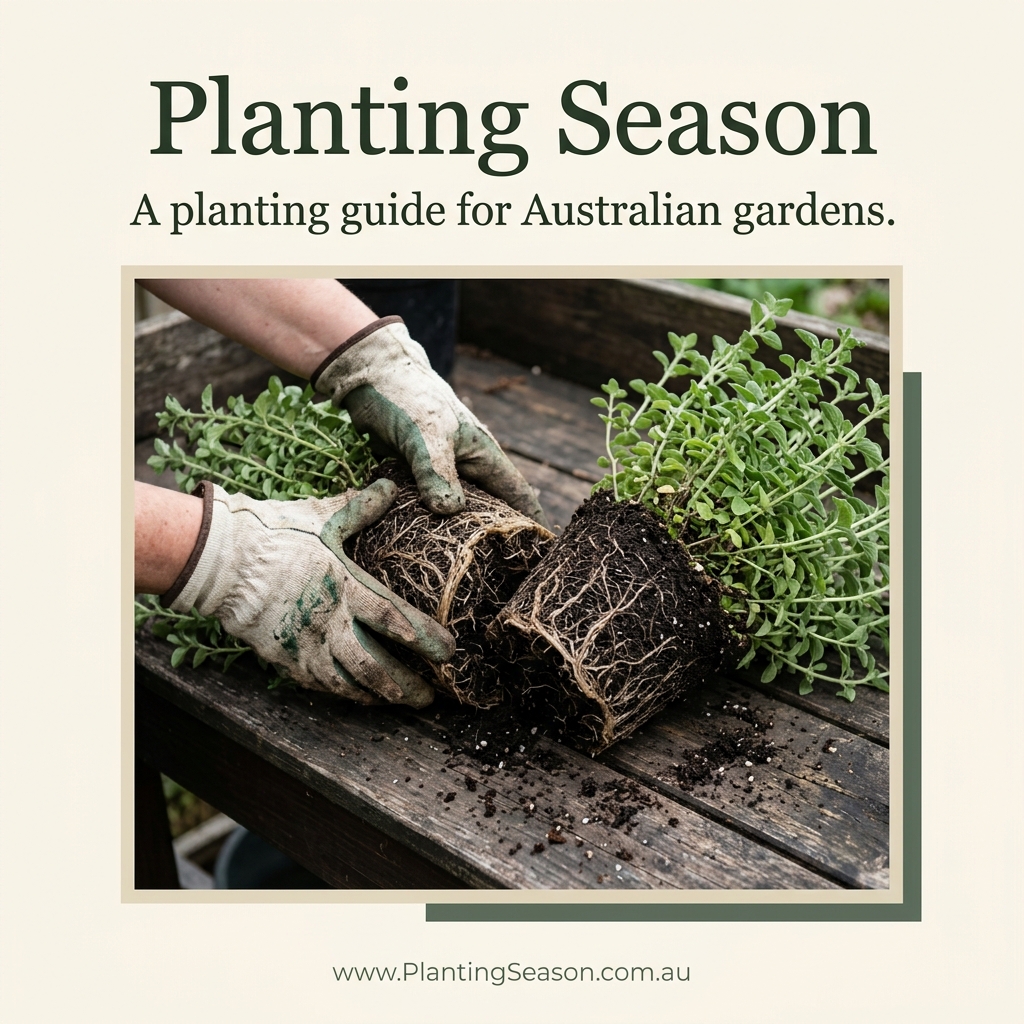
Splitting established clumps into smaller pieces. The simplest propagation method for plants that naturally form clumps.
- Dig up the entire clump or work from one side
- Separate into sections, each with roots and growing points. Use a sharp spade, knife, or two forks pushed back to back
- Replant divisions immediately at the same depth they were growing
- Water in well and keep moist until established
Best for: Lemongrass, chives, rhubarb, strawberry runners, agapanthus, native grasses, most perennial herbs.
Best time: Autumn or early spring when plants are not under heat stress.
Layering
Encouraging a stem to root while it is still attached to the parent plant. Very high success rate because the cutting continues to receive water and nutrients from the parent while it roots.
Simple layering
- Choose a flexible low branch that reaches the ground
- Scratch or wound the underside of the stem where it touches the soil
- Pin it down with a U-shaped wire peg and cover with 5 cm of soil
- Keep the area moist. Roots form in 2 to 6 months
- Cut the new plant from the parent and transplant
Air layering
For plants with stiff branches that cannot be bent to the ground. Wound a section of stem, wrap with damp sphagnum moss, and cover with plastic wrap. Roots form into the moss over 2 to 4 months. Cut below the roots and pot up.
Best for: Boysenberry, passionfruit (simple layering), citrus, avocado, magnolia (air layering).
Quick Reference Table
| Plant | Best Method | When | Difficulty |
|---|---|---|---|
| Basil | Softwood cuttings / seed | Spring to summer | Easy |
| Rosemary | Softwood or semi-hardwood cuttings | Spring to autumn | Easy |
| Mint | Division / cuttings in water | Any time | Very easy |
| Fig | Hardwood cuttings | Winter | Easy |
| Mulberry | Hardwood cuttings | Winter | Easy |
| Grape | Hardwood cuttings | Winter | Easy |
| Lemongrass | Division | Spring | Very easy |
| Chives | Division | Autumn or spring | Very easy |
| Rhubarb | Division | Winter | Easy |
| Strawberry | Runners (natural layering) | Summer to autumn | Very easy |
| Passionfruit | Layering / semi-hardwood cuttings | Spring to summer | Moderate |
| Citrus | Air layering / grafting | Spring to summer | Moderate to hard |
| Tomato | Seed / suckers in water | Spring | Easy |
| Rose | Hardwood cuttings | Winter | Moderate |
| Lavender | Semi-hardwood cuttings | Autumn | Moderate |
Frequently Asked Questions
What is the easiest plant to propagate?
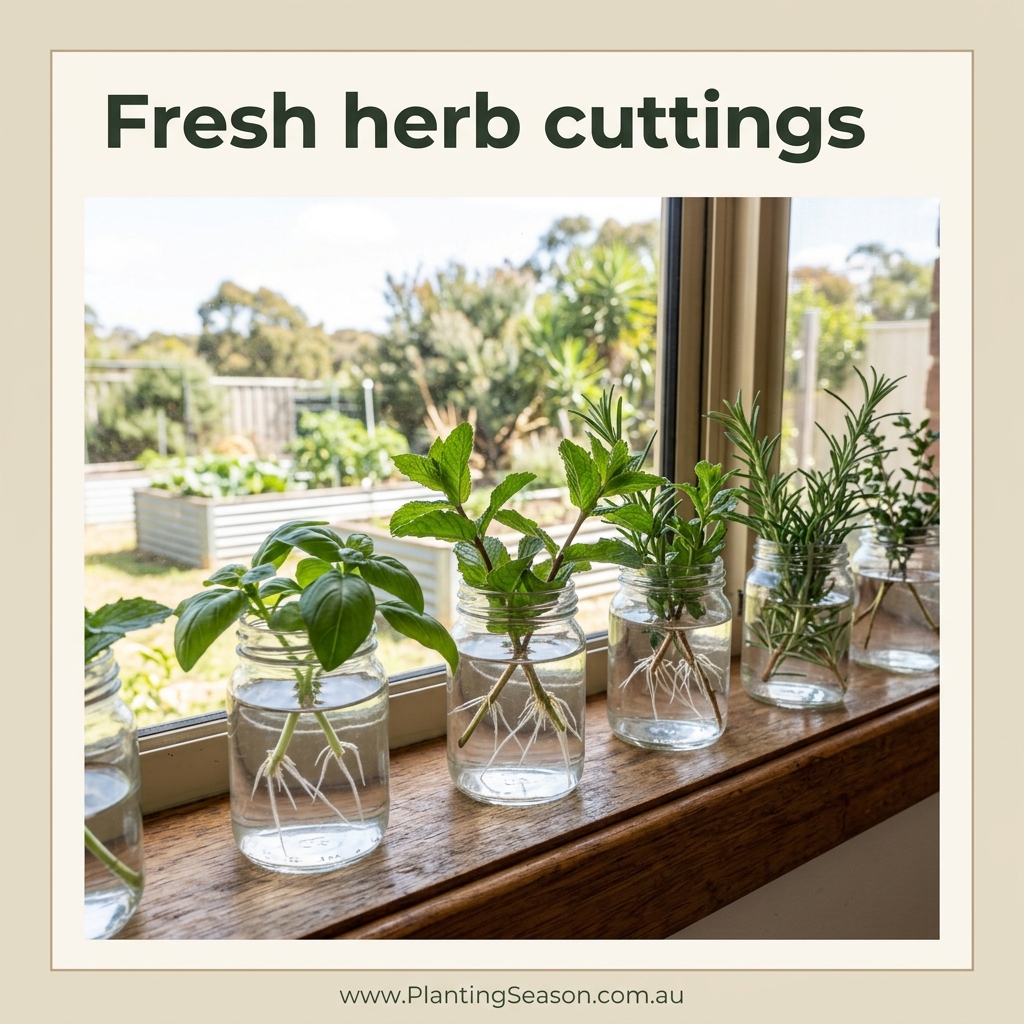
Mint is the easiest. Put a stem in a glass of water and it roots within a week. Lemongrass division is also extremely simple: pull a section off the clump with roots and replant. Fig and mulberry hardwood cuttings have very high success rates with minimal effort.
Do I need rooting hormone?
Rooting hormone improves success rates but is not essential for easy-to-root plants like mint, basil, figs, and mulberries. For harder-to-root species (rosemary, lavender, citrus), rooting hormone makes a significant difference.
When is the best time to take cuttings?
Softwood cuttings: spring to early summer. Semi-hardwood cuttings: late summer to autumn. Hardwood cuttings: winter while plants are dormant. Taking cuttings at the right time dramatically improves success rates.
Can I propagate grafted fruit trees from cuttings?
Cuttings from grafted trees will grow on their own roots, which may produce a less vigorous or less productive tree than the grafted original. Citrus and avocado are usually propagated by grafting onto specific rootstocks for a reason. Fig, mulberry, and grape grow well on their own roots from cuttings.