How to Grow Oranges in Australia
Updated June 2026
More fruit growing help: Backyard Fruit Trees in Australia, with the best fruit for each region and when to plant it.
Feeding schedule, citrus pests, and variety picks for every region
Orange trees are a long-term garden investment that pay off for decades. A mature tree produces hundreds of fruit per year with surprisingly little effort. Like all citrus, oranges need regular feeding and a sunny spot with good drainage. Get those two things right and the tree does most of the work.
This guide covers the best orange varieties for Australian home gardens, feeding and pest management, and regional planting times. For detailed citrus pest information, also see our lemon growing guide which covers citrus pests in depth.
🌱 Plant profile: Orange Tree, with sowing times for your region, companion plants and common pests.
When to Plant in Your Region
Washington Navel
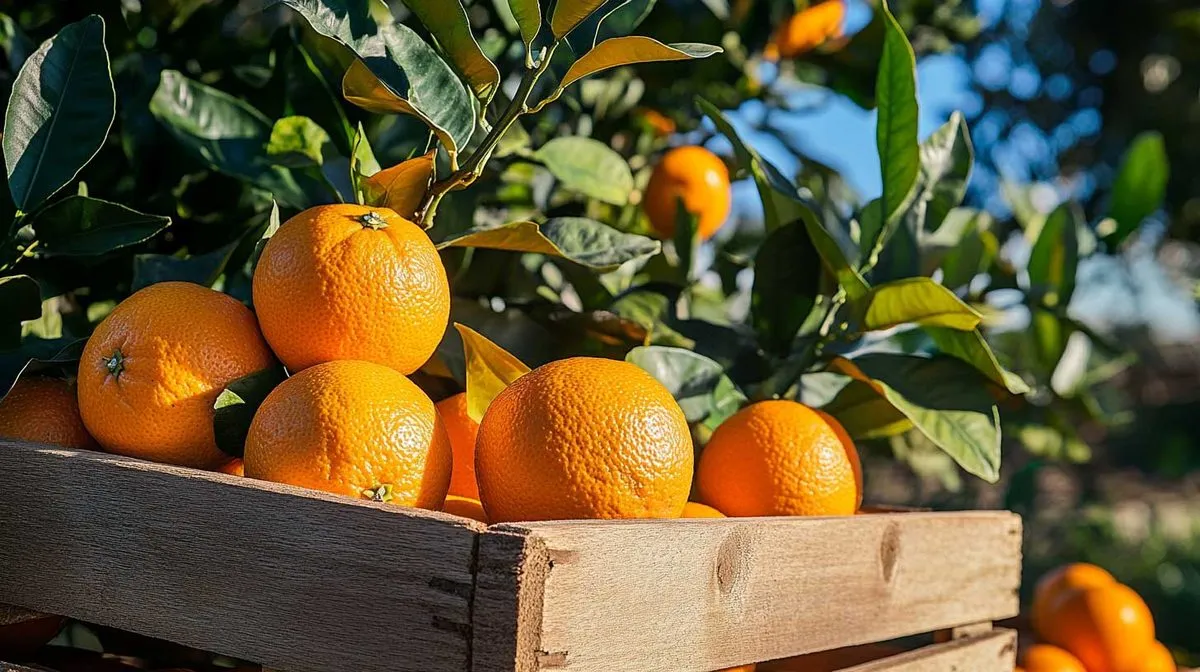
The classic eating orange. Seedless, easy to peel, sweet, and juicy. The most popular orange in Australian home gardens. Fruit ripen in winter and spring. Bears well in all but the most tropical climates.
Valencia
The juicing orange. Produces fruit in summer when navels are out of season. Thinner skin, more seeds, and incredibly juicy. Excellent for households that juice regularly. Reliable and productive.
Blood Orange
Crimson-fleshed orange with a distinctive berry-like flavour. Needs cool winter nights to develop its red colour. Best in Melbourne, Adelaide, and other areas with a clear difference between summer and winter temperatures.
Cara Cara
Navel-type orange with pink-red flesh and a sweet, low-acid flavour. Relatively new to Australia but gaining popularity fast. Beautiful colour, seedless, and excellent flavour. Ripens in winter.
Dwarf Orange
Grafted onto dwarfing rootstock to stay under 2 metres. Full-sized fruit on a compact tree. Perfect for pots, small gardens, and courtyards. Available in Navel, Valencia, and Blood Orange varieties.
Feeding and Care
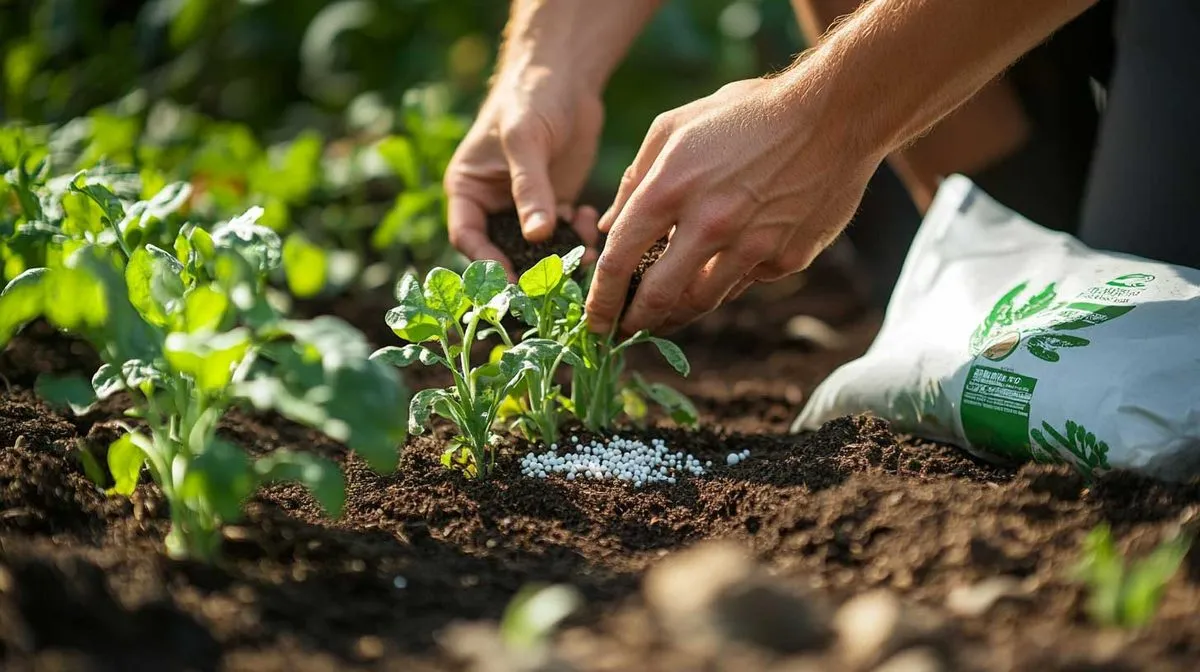
Oranges have the same feeding needs as lemons: four feeds per year with a complete citrus fertiliser (August, November, January, April). See our lemon guide for the detailed feeding schedule.
Additional care tips specific to oranges:
- Oranges are slightly more cold-hardy than lemons. Washington Navel tolerates light frosts once established.
- Fruit can stay on the tree for weeks after ripening without losing quality. This makes oranges a "pick as you need" crop.
- Thin heavy crops by removing some fruit in spring. This prevents branch breakage and improves fruit size.
- Water deeply and infrequently. Oranges have deep root systems and prefer a good soak twice a week over daily light watering.
Citrus Pests
Oranges suffer from the same pests as other citrus trees. The main ones are:
- Citrus leaf miner: Silvery trails in new leaves. Spray new growth with horticultural oil.
- Scale: Brown or white bumps on stems and leaves. Spray with white oil.
- Citrus gall wasp: Lumpy growths on branches. Prune out before August.
- Fruit fly: A serious concern for oranges, especially in subtropical and tropical regions. Use protein bait traps and exclusion netting.
For detailed pest management instructions, see our lemon growing guide.
Common Problems
Dry or pithy fruit
Oranges left on the tree too long past ripeness become dry inside. Valencia oranges in particular need to be picked on time. Taste-test fruit regularly and harvest the whole crop once flavour peaks.
Alternating crops
Some orange trees produce a heavy crop one year and almost nothing the next. Thinning heavy crops in spring and consistent feeding help even out production over the years.
Splitting fruit
Fruit cracks open after rain following a dry period. Consistent watering prevents this. Mulch well and water deeply during dry spells, especially as fruit approaches ripeness.
Frequently Asked Questions
When should I plant an orange tree in Australia?
Plant container-grown orange trees in spring or autumn. Spring planting gives the tree the best chance to establish before winter. Avoid planting in summer heat or winter cold.
How long do orange trees take to produce fruit?
Grafted orange trees typically produce their first fruit in 2 to 3 years after planting. Full production takes 4 to 6 years. Dwarf varieties on dwarfing rootstock often fruit sooner.
What is the difference between Navel and Valencia oranges?
Navel oranges ripen in winter and spring, are seedless, and are best for eating fresh. Valencia oranges ripen in summer, have some seeds, and are ideal for juicing. Growing both gives you oranges for most of the year.
Can I grow oranges in pots?
Oranges grow well in large pots (at least 50 cm wide) when grafted on dwarfing rootstock. Use premium potting mix, feed four times per year, and water when the top few centimetres of mix dry out.
See also: Oranges in the Plant Library
Plant profile
The orange tree profile has sowing times for your region, companion plants and common pests.