Growing Beans in Australia: When to Plant Green String Beans
Updated October 2026
Bush, climbing, broad, and snake beans with planting calendars for every region
Beans are one of the most productive crops you can grow. They're fast, reliable, and improve your soil by fixing nitrogen. Whether you have a big backyard or a single pot on a balcony, there's a bean variety that will work for you.
This guide covers the main types of beans grown in Australia, the best varieties, trellis options, and when to plant in your region.
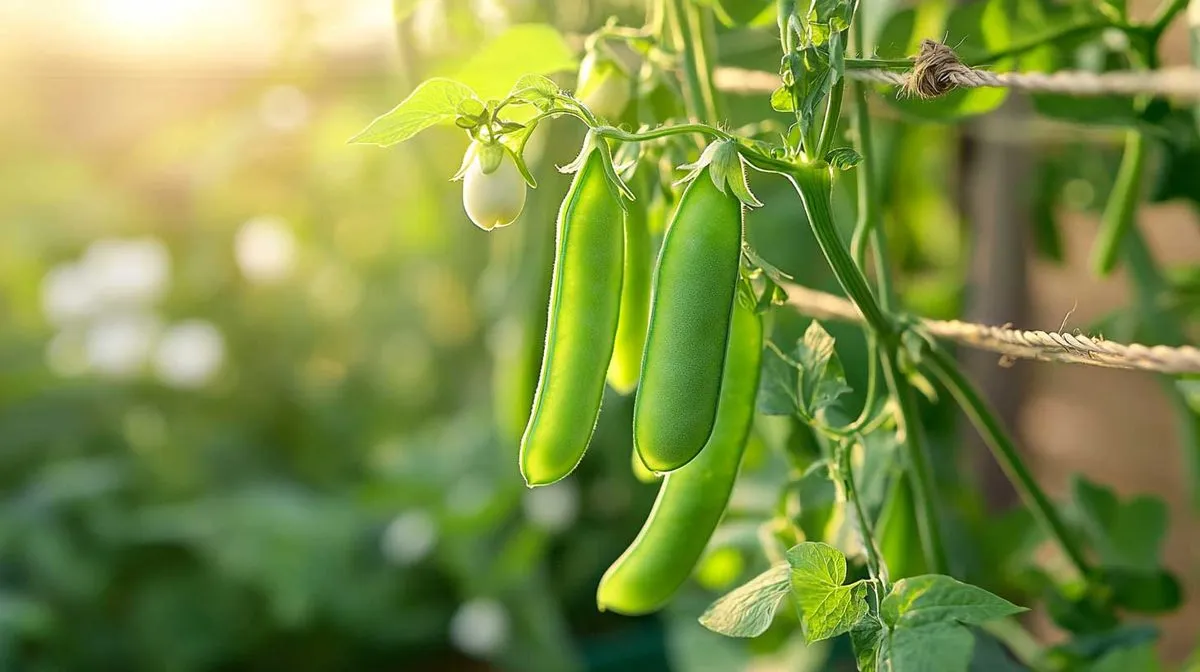
What it looks like as it grows


🌱 Plant profile: Beans (bush), with sowing times for your region, companion plants and common pests.
Pick Your Bean Type
The four kinds of bean grown in Australia want different spacing, different support, and different sowing months. Choose your type and your climate and the planner sets you straight.
When to Plant Green Beans in Your Region
The table gives the sowing months for bush beans, the classic green bean, in each region from our planting data. Climbing beans follow the same windows. Each region links to its full vegetable planting calendar, and the Bush bean plant page has spacing, companions and care notes for your region.
| Region | Sow seed | Local note |
|---|---|---|
| South East Queensland | February to May and August to October | Sow Feb to May and Aug to Oct. Skip the hot, wet months, when beans struggle to set pods. |
| Northern Rivers NSW | February to May, and September and October | Sow Feb to May and Sep to Oct. Spring sowing waits until September, after the frost risk in hinterland pockets. |
| Sydney & Coastal NSW | September to February | Spring planting optimal; avoid winter. Summer window extends Dec to Feb in milder coastal areas. |
| Melbourne & Victoria | October to December | Sow Oct to Dec once frost has passed, from mid October. Autumn frost ends the crop, so there is no autumn sowing. |
| Adelaide & SA | September to February | Frost kills beans. Sow Oct to Dec for the main crop, late Sep on the warm plains, then succession sow to Feb with steady water in heatwaves. |
| Perth & WA | March to May, and September and October | Sow Mar to May for autumn and winter beans and Sep to Oct for spring beans. Avoid summer. |
| Tasmania | October to December | Sow Oct to Dec once soil warms. No autumn sowing, the season closes too early. Frost ends the crop in April. |
| Canberra & ACT | November to January | Frost tender, not a cool season crop. Sow Nov to Jan once the last frost has passed in early November and the soil warms. Pick before the April frosts. |
| North Queensland | April to August | Dry season Apr to Aug. Beans run right through the NQ dry; a winter crop at Bowen. Wet season humidity brings fungal collapse. |
| Darwin & Top End | April to August | Continuous dry season window Apr to Aug. Sep to Oct sowings hit the build up. Wet season rusts and rots beans. |
In the subtropics, beans have two seasons. South East Queensland sows from February to May and again from August to October, the Northern Rivers the same with spring sowing from September, and Perth sows in autumn from March to May and again in spring in September and October, avoiding summer. Further south the season is a single run through the warm months: Sydney and Adelaide sow from September to February, Melbourne and Tasmania from October to December and Canberra from November to January. North Queensland and Darwin sow right through the dry season, from April to August.
Position and Soil
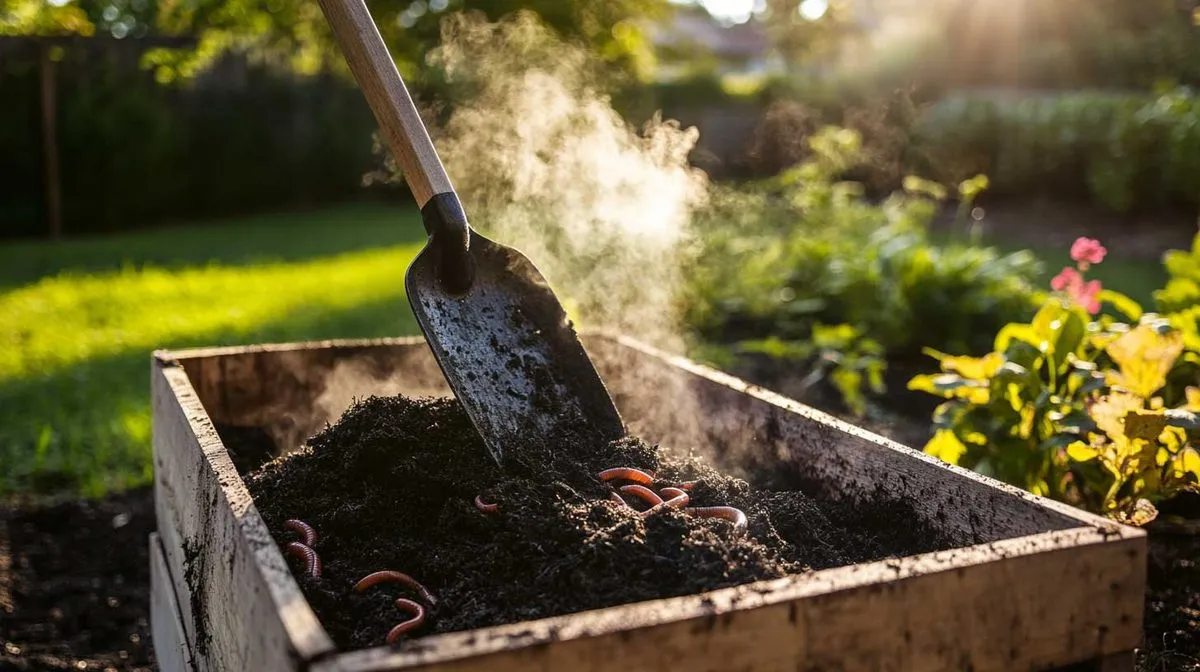
Beans want full sun, at least six hours a day, and soil that drains freely. They are legumes, so they make their own nitrogen with the help of soil bacteria on their roots. That means you do not need a rich, heavily fed bed. A spadeful of compost worked through before sowing is plenty.
Dig over the bed and break up any clods so seedlings push through easily. If your soil is acidic, a light dusting of garden lime a few weeks before sowing helps, especially for broad beans, which prefer a near-neutral soil. Avoid fresh manure or high-nitrogen fertiliser, which drives leafy growth at the expense of pods.
Sowing
Beans are always sown direct where they are to grow. They resent root disturbance and seldom recover well from transplanting. Sow seeds 3 to 5 cm deep and water in gently.
Bush and climbing beans are warm-season crops. Wait until the soil is above 16 degrees and all danger of frost has passed, which in the southern regions means sowing from September or October through to December, January or February, depending on where you are. In subtropical and tropical zones you sow through the milder months and avoid the wettest, hottest part of summer. Broad beans are the exception: sow them in autumn and winter, roughly March to July, because they need cool weather to set pods. Snake beans love heat and are sown in late spring and summer in warm zones.
Spacing
Spacing depends on the type. Bush beans go 10 to 15 cm apart in the row, climbing beans 15 to 20 cm, broad beans about 20 cm, and snake beans 20 to 30 cm. Leave 40 to 60 cm between rows so air moves freely and you can pick from both sides. The selector above gives the exact figures for your chosen type.
Watering and Feeding
Keep the soil evenly moist, especially once plants begin to flower. Dry spells at flowering cause flowers to drop and pods to set poorly. Water at the base in the morning rather than over the leaves, which helps keep fungal problems down.
Because beans fix their own nitrogen, they need little feeding. A side dressing of potash or a watering with seaweed solution when the first flowers appear supports a heavy pod set. Mulch around the base to hold moisture and keep the roots cool.
Common Problems
Poor germination
Beans rot in cold, wet soil. Wait until soil is above 16 degrees before sowing, except for broad beans, which are sown into cool autumn soil. Sow direct rather than transplanting.
Bean fly
Small flies lay eggs in the stems of young plants, causing wilting and collapse. They are most damaging to seedlings in warm, humid areas. Cover young plants with fine insect mesh until they are well established.
Flowers dropping
Heat stress above 32 degrees makes flowers fall before they set pods. Keep the water up and mulch the roots, and the plants will set again once the weather eases. In the hottest months, snake beans crop happily where regular beans stall.
Chocolate spot (broad beans)
Brown spots on leaves and pods, caused by a fungus in wet, humid conditions. Improve air circulation by spacing plants about 20 cm apart and avoid overhead watering.
Growing Green Beans and String Beans
Green beans, string beans and French beans are all names for the same crop: bush and climbing beans picked as young, green pods. The name string bean comes from the tough string that older varieties have along the seam of the pod. Most varieties grown today, including Blue Lake, are stringless, so the pods snap cleanly and only need the stalk end removed.
Growing them is simple. Sow the seed direct about 3 cm deep into warm soil, because beans dislike root disturbance, and do not overwater before the seedlings appear, which takes about 8 days in soil between 18 and 30°C. Go light on nitrogen, since beans fix their own, and favour potassium for pods. Keep the soil evenly moist once flowering starts, because dry spells drop flowers and pods. Sow a short row every few weeks through your window for a steady supply.
How long do green beans take to grow?
Our plant data allows about 65 days from sowing to the first pods for bush beans, a little over 9 weeks. Climbing beans take a little longer but crop over a longer season. Pick the pods while they are slim, firm and crisp, before the seeds bulge, and pick every few days, because pods left to mature tell the plant to stop producing.
Harvest
Pick beans young and pick often. Regular harvesting tells the plant to keep flowering, while pods left to swell and toughen signal it to stop. Bush beans give a heavy flush over three to four weeks, climbing beans crop steadily over a longer season, and snake beans are best picked under 30 cm while still tender. Broad beans are ready when the pods feel full and the beans inside are plump but not leathery.
Varieties
| Variety | Type | Days to harvest | Notes |
|---|---|---|---|
| Blue Lake | Climbing | 70 to 80 | The classic. Straight, stringless green pods over a long season. Reliable in every climate. Needs a 2 m trellis. |
| Purple King | Climbing | 70 to 80 | Striking purple pods that turn green when cooked. Easy to spot at picking time. Very productive. |
| Borlotti | Bush or climbing | 80 to 95 | Italian heirloom for fresh and dried beans. Speckled red and cream pods. Slower than green beans. |
| Broad Windsor | Broad | 110 to 130 | The standard broad bean. Sown autumn and winter. Large flat pods, creamy beans. Tolerates light frost. |
| Snake Bean | Climbing (heat) | 70 to 85 | Long thin pods to 50 cm. Thrives in heat and humidity. Ideal for tropical and subtropical summers. |
| Hawkesbury Wonder | Bush | 60 to 70 | Aussie favourite dwarf bean. Heavy early flush, no support needed. Great for succession sowing. |
Frequently Asked Questions
When should I plant beans in Australia?
Bush and climbing beans are warm-season crops, planted after the last frost when the soil has warmed. Sydney and Adelaide sow from September to February, Melbourne and Tasmania from October to December and Canberra from November to January. South East Queensland sows from February to May and again from August to October, the Northern Rivers the same with spring sowing from September, and Perth from March to May and in September and October. North Queensland and Darwin sow in the dry season, from April to August. Broad beans are different: plant them in autumn and winter (March to July). Snake beans are sown in late spring and summer in warm zones.
How long do beans take to grow?
Bush beans produce pods in 8 to 10 weeks from sowing. Climbing beans take 10 to 12 weeks but produce for longer. Broad beans take 14 to 18 weeks. Snake beans take 10 to 12 weeks.
Do beans need a trellis?
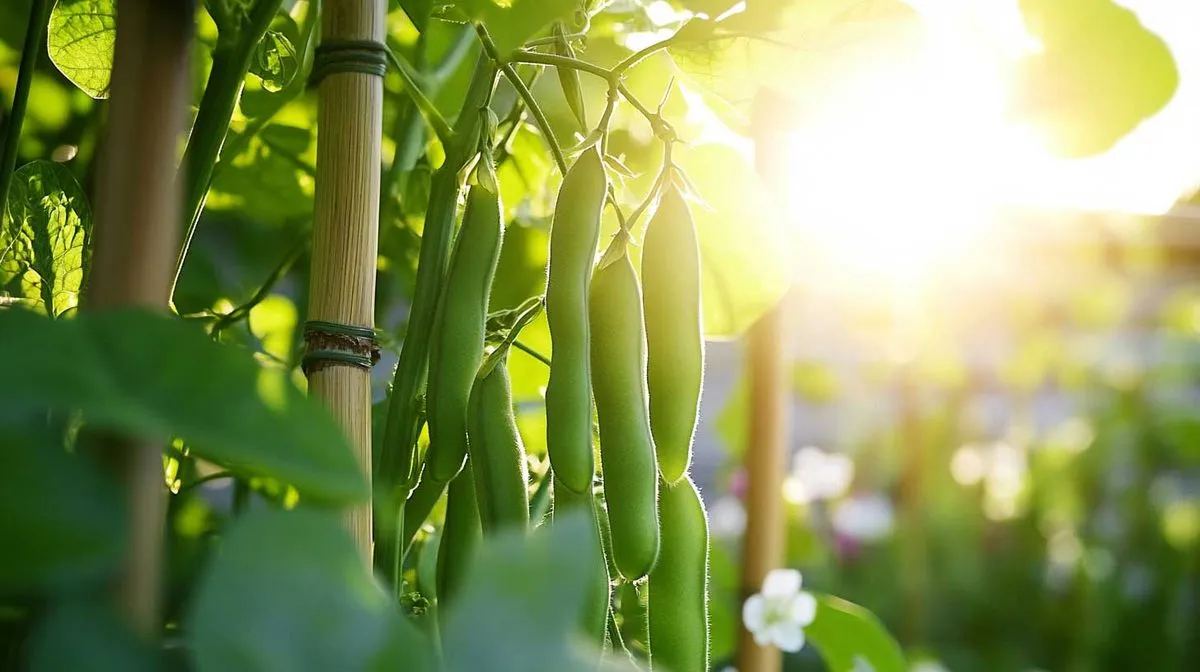
Climbing beans and snake beans need a trellis, tepee, or other support at least 2 metres tall. Bush beans are self-supporting and need no trellis. Broad beans stay upright on their own but a light stake or a string run along the row stops tall plants flopping in wind.
How far apart should I plant beans?
Space bush beans 10 to 15 cm apart in the row. Climbing beans go 15 to 20 cm apart. Broad beans want about 20 cm. Snake beans need 20 to 30 cm. Allow 40 to 60 cm between rows so you can pick from both sides.
Can I save bean seeds for next year?
Beans are one of the easiest crops to save seeds from. Leave some pods on the plant until they are completely dry and brown. Shell the dried beans and store in a cool, dry place. They stay viable for 3 to 4 years.
Why are my beans flowering but not setting pods?
Flowers that drop without forming pods are usually a sign of heat stress. Beans struggle to set when daytime temperatures stay above 32 degrees. Keep the water up, mulch the roots, and the plants will set again once the weather eases. In the hottest months, swap to snake beans, which thrive in the heat.
What month do you plant green beans?
In the south, plant green beans from September or October, once frost has passed and the soil is warm. Our data has Sydney and Adelaide sowing until February, Melbourne and Tasmania until December, and Canberra from November to January. South East Queensland and the Northern Rivers have an autumn window from February to May as well as a spring one, and in the tropics beans are sown in the dry season from April to August.
Are string beans the same as green beans?
Yes. String bean is an older name for the green bean, from the tough string that ran along the seam of older varieties. Most varieties grown today, such as Blue Lake, are stringless, so the pods only need the stalk end snapped off.
How do you grow string beans?
Sow the seed direct about 3 cm deep in warm soil and full sun, and do not overwater before the seedlings appear in about 8 days. Grow bush types without support or climbing types up a 2 metre trellis, keep the soil moist once flowering starts, and pick the pods young every few days.
See also: Beans in the Plant Library
Plant profile
The beans (bush) profile has sowing times for your region, companion plants and common pests.