How to Grow Sugar Snap Peas
Updated June 2026
Sweet, crunchy pods straight from the vine. One of the easiest and most rewarding crops for any Australian garden.
Sugar snap peas are the crop that converts non-gardeners into gardeners. They grow fast, produce heavily, taste incredible eaten straight off the vine, and kids love picking them. They're a cool-season crop, which means autumn and winter are their time to shine in most of Australia.
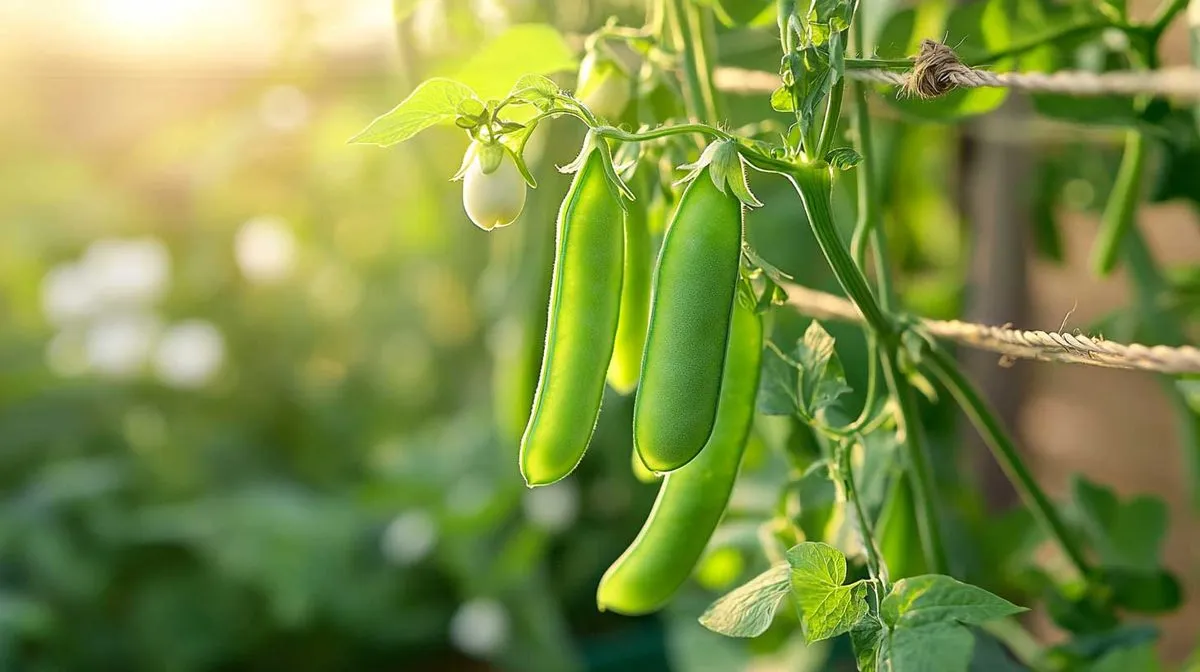
Unlike snow peas (which are eaten flat), sugar snap peas have plump, rounded pods where both the pod and peas inside are edible. No shelling, no waste. Just snap and eat.
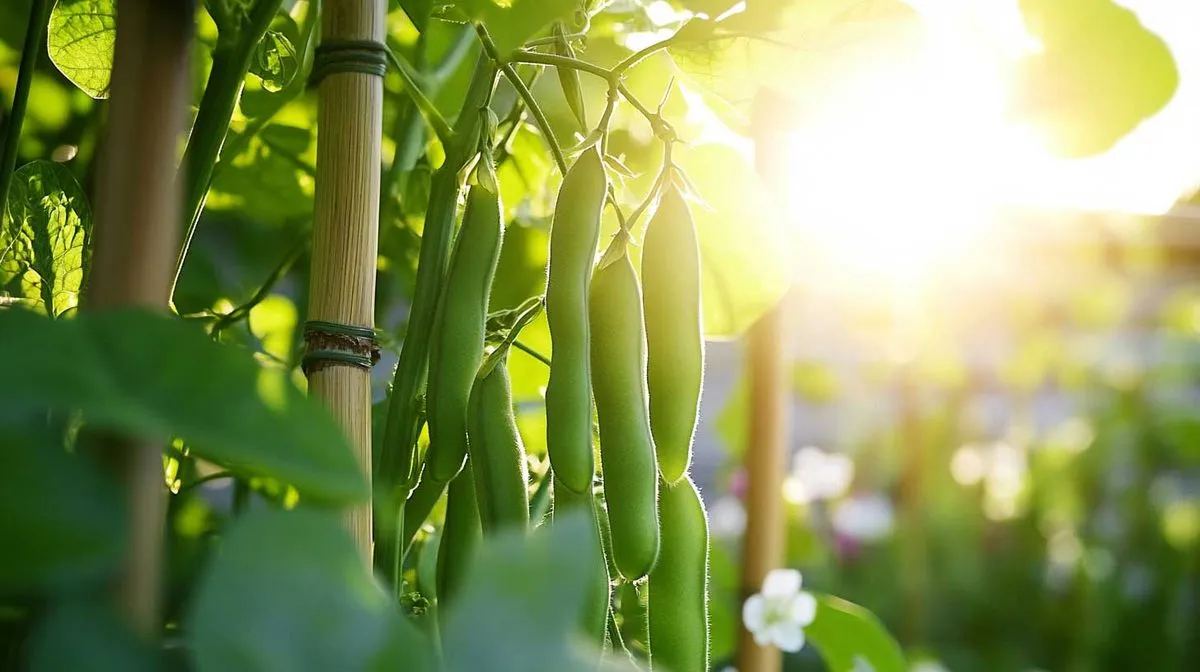
What it looks like as it grows


🌱 Plant profile: Peas, with sowing times for your region, companion plants and common pests.
When to Plant Sugar Snap Peas
Sugar snap peas need cool weather to thrive. They germinate best in soil temperatures of 10 to 18 degrees Celsius and stop producing once temperatures consistently exceed 25 degrees. In most of Australia, that means planting in autumn or early winter.
Planting Method
- Choose a sunny spot with support. Sugar snap peas are climbers that reach 1.5 to 2 metres tall. They need a trellis, fence, or mesh to climb. A simple frame of star pickets and chicken wire works perfectly.
- Prepare the soil. Peas prefer well-drained soil with a pH between 5.8 and 6.8. They don't need rich soil because they fix their own nitrogen. Avoid fresh manure or high-nitrogen fertilisers, which produce lots of leaf growth but few pods.
- Sow seeds 3 to 5 cm deep, 5 to 8 cm apart. Plant in a double row along each side of your trellis. Water in well after sowing.
- Mulch lightly. A thin layer of straw or sugar cane mulch keeps soil moisture even and suppresses weeds without smothering emerging seedlings.
- Water regularly but don't overdo it. Peas need consistent moisture, especially during flowering and pod development. Water at the base, not overhead, to reduce fungal disease risk.
Germination and Growth
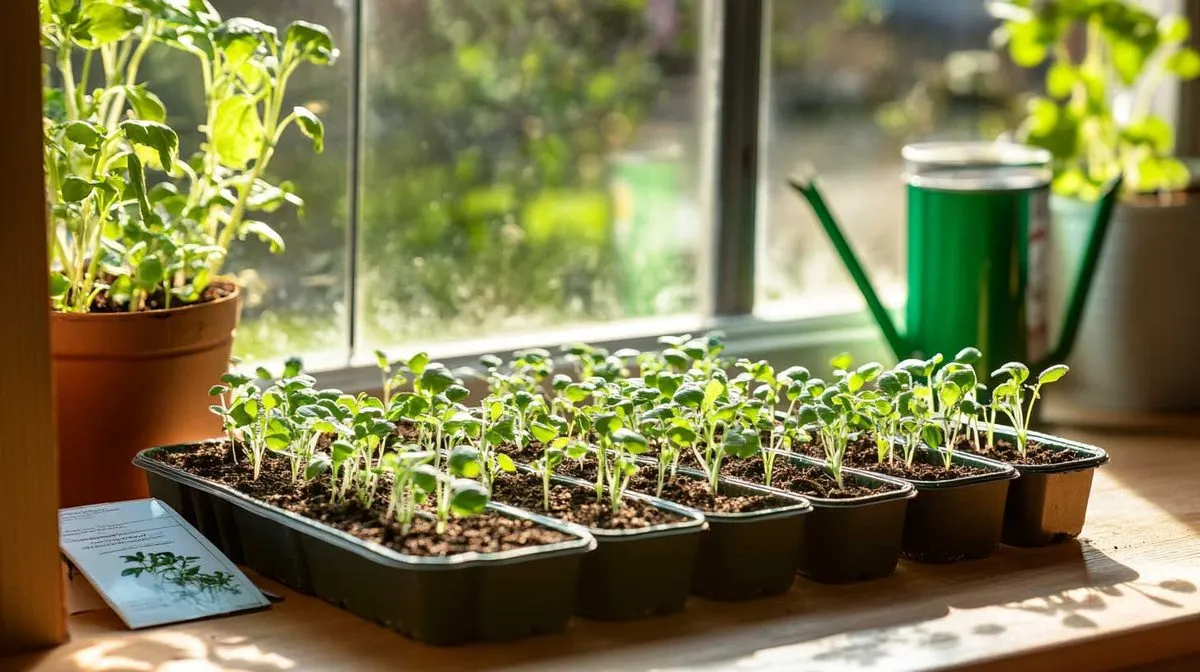
Seeds germinate in 7 to 14 days depending on soil temperature. Seedlings will find the trellis themselves using curling tendrils, but you may need to gently guide the first few shoots towards the support.
Flowering starts around 8 to 10 weeks after sowing. Pods follow quickly and should be picked every 2 to 3 days once they start producing. Regular picking encourages the plant to keep flowering and producing more pods.
Companion Planting
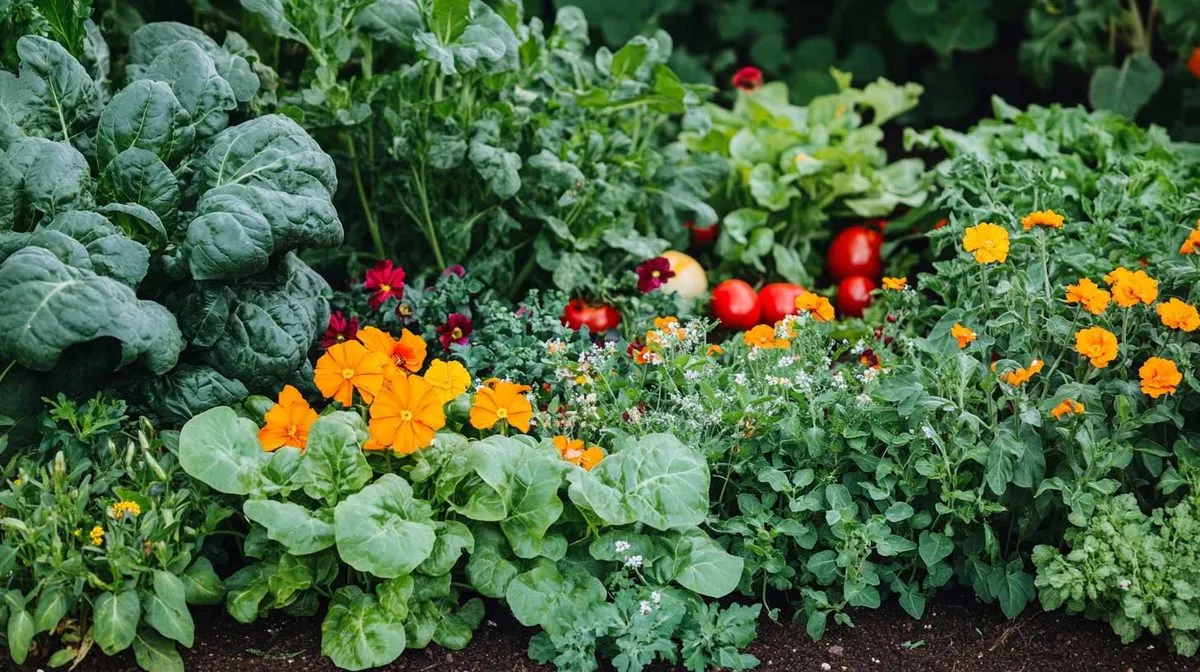
Sugar snap peas are excellent companions for many crops. As legumes, they fix nitrogen in the soil, which benefits nearby heavy feeders.
Good companions: carrots, radish, lettuce, spinach, cucumber, corn
Avoid planting near: onions, garlic, chives (alliums stunt pea growth)
Common Pests and Diseases
Powdery mildew
White powdery coating on leaves, usually appearing late in the season as temperatures warm up. Improve air circulation, avoid overhead watering, and remove affected leaves. Milk spray (1 part milk to 9 parts water) is an effective organic treatment.
Aphids
Green or black clusters on growing tips and flower buds. Blast them off with a strong jet of water. Encourage ladybirds and lacewings. Severe infestations can be treated with neem oil or insecticidal soap.
Pea weevil
Small grey-brown beetles that notch the edges of leaves. They also lay eggs inside developing pods. Handpick adults early in the season. Crop rotation helps break the lifecycle.
Harvesting
Pick sugar snap peas when the pods are plump and rounded but still bright green and firm. If the pods turn pale or start to feel tough, you've left them too long. Check plants every 2 to 3 days once pods start forming.
The more you pick, the more the plant produces. A single plant can produce pods for 4 to 6 weeks if picked regularly. Once the weather warms and plants stop flowering, pull them out and leave the roots in the soil. The nitrogen nodules on the roots will feed your next crop.
Varieties
Sugar Snap (standard)
The classic climbing variety. Reaches 1.5 to 2 metres. Heavy yields of sweet, crunchy pods. Needs a trellis. 10 to 12 weeks to first harvest.
Sugar Bon (dwarf)
Compact bush variety reaching only 45 to 60 cm. No trellis needed. Smaller pods but earlier to produce. Great for containers and small spaces. 8 to 10 weeks to first harvest.
Cascadia
Disease-resistant variety with good tolerance to powdery mildew. Climbing habit. Excellent flavour. A good choice for humid regions where mildew is a problem.
Growing in Containers
Sugar snap peas grow well in containers, especially the dwarf Sugar Bon variety. Use at least a 20-litre pot with good drainage. Insert a small trellis or bamboo tepee for climbing varieties. Place in a position that gets at least 6 hours of direct sun. Container peas dry out faster than in-ground plants, so water daily in warm weather.
Frequently Asked Questions
When should I plant sugar snap peas?
In most of Australia, plant sugar snap peas in autumn (March to May). In cool-temperate regions like Melbourne, Hobart, and Canberra, you can also plant in late winter (July to August) for a spring crop. They need cool weather and stop producing in heat.
How long do sugar snap peas take to grow?
Sugar snap peas take 10 to 14 weeks from sowing to first harvest, depending on variety and temperature. Dwarf varieties are faster (8 to 10 weeks). Once producing, plants continue for 4 to 6 weeks if picked regularly.
Do sugar snap peas need a trellis?
Standard climbing varieties need support and grow 1.5 to 2 metres tall. Dwarf varieties like Sugar Bon only reach 45 to 60 cm and don't need a trellis. A simple frame of stakes and string or chicken wire works well for climbers.
Can I grow sugar snap peas in pots?
Yes. Use at least a 20-litre pot with drainage. Dwarf varieties are easiest in containers. Climbing varieties work with a small trellis. Place in full sun and water daily in warm weather.
See also: Peas in the Plant Library
Plant profile
The peas profile has sowing times for your region, companion plants and common pests.