How to Grow Ginger in Australia: Planting Ginger From Root
Updated October 2026
Container growing, shade requirements, and variety picks for every region
Ginger is a tropical plant that grows well in many Australian gardens, especially in containers. Fresh ginger from your own garden has a heat and fragrance that dried ginger cannot match. The plant itself is attractive, with reed-like stems and lush green leaves that die back in winter.
This guide covers the best ginger varieties and relatives for Australian gardens, container growing, shade requirements, and planting times by region.
What it looks like as it grows


🌱 Plant profile: Ginger, with sowing times for your region, companion plants and common pests.
When to Plant Ginger in Your Region
Ginger is a tropical rhizome, so the planting window depends on how long your warm season lasts. These are the planting months for each region from our data. Melbourne, Tasmania and Canberra are too cold for an outdoor crop. Each region links to its full vegetable planting calendar, and the Ginger plant page has spacing, companions and care notes for your region.
| Region | Plant rhizomes | Local note |
|---|---|---|
| South East Queensland | August to November | |
| Northern Rivers NSW | August to November | |
| Sydney & Coastal NSW | August to October | Pre-sprout indoors Aug to Sept; plant Oct in warm microclimate; dies down in winter. |
| Melbourne & Victoria | Not recommended outdoors | Needs 9+ warm months; Melbourne winter kills rhizome. Unsuitable. Must lift and store indoors. |
| Adelaide & SA | September and October | Marginal. Plant rhizomes Sep to Oct in pots in a warm sheltered spot and move under cover before winter. Expect small harvests. |
| Perth & WA | August and September | Plant Aug to Sep. Ginger rots in cold wet soil, so it must be well established before winter. |
| Tasmania | Not recommended outdoors | Unsuitable. Needs 9 warm months. The Tasmanian season is far too short. |
| Canberra & ACT | Not recommended outdoors | Ginger unsuitable for Canberra: tropical rhizome; frost kills; needs consistent warmth and moisture. Not viable. |
| North Queensland | August to November | Dry season Aug to Nov. Ginger is tropical staple rhizome. Plant in dry season for wet-season growth. |
| Darwin & Top End | August to November | Dry season Aug to Nov. Ginger is tropical staple rhizome. Plant in dry season for wet-season growth. |
Ginger Varieties and Relatives
Common Ginger
The standard culinary ginger (Zingiber officinale). Fresh rhizomes are used in cooking, teas, and preserving. Grows 1 to 1.5 metres tall. Needs warm, humid conditions and protection from direct afternoon sun.
Galangal
A ginger relative with a sharp, citrusy flavour essential in Thai and Indonesian cooking. Tougher and more fibrous than common ginger. Grows well in tropical and subtropical regions. Needs the same conditions as ginger.
Turmeric
Bright orange-fleshed rhizome used in cooking and for its anti-inflammatory properties. Grows and harvests exactly like ginger. The fresh rhizome has a much richer flavour than dried powder.
Native Ginger
Australian native species (Alpinia caerulea) with edible rhizomes and tart, gingery berries. Grows well as an understorey plant in shade. A perennial that does not die back in winter in warm climates.
Myoga (Japanese Ginger)
Grown for its flower buds rather than rhizomes. Mild ginger flavour, used in Japanese cooking. Very shade-tolerant and cold-hardy. Grows well even in Melbourne and Hobart. Spreads to form a clump.
How to Grow Ginger From Root
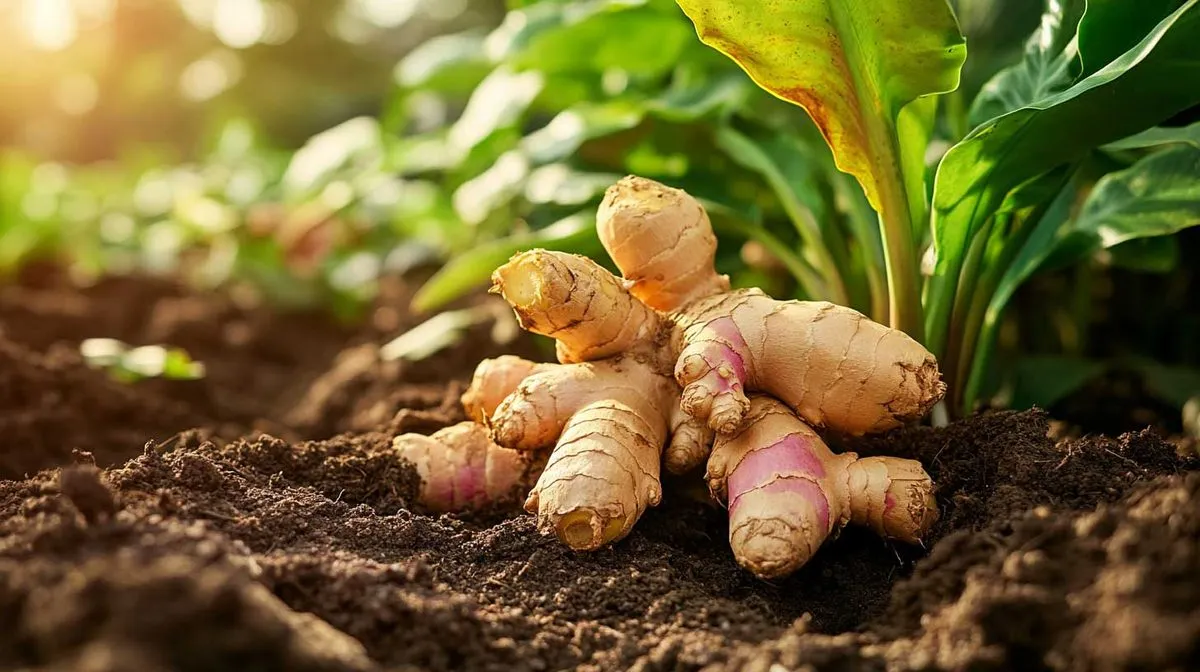
Ginger is grown from a piece of rhizome, the knobbly root you buy at the greengrocer, rather than from seed. Planting ginger root is simple, but warmth and timing matter more than anything else, because a rhizome sitting in cold, wet soil rots before it sprouts.
- Choose a good rhizome. Pick a plump, firm piece with visible buds, the small bumps or growing points on the skin. Organic ginger is the safer buy, because conventional ginger may be treated to stop it sprouting.
- Break it into pieces. Snap a large hand into smaller pieces, each with at least one bud.
- Soak overnight. A soak in water overnight before planting helps the rhizome get started.
- Plant shallow. Plant each piece about 5 cm deep with the buds facing up, 20 to 25 cm apart, in rich, free-draining soil or potting mix.
- Keep it warm and barely moist. Water sparingly until shoots appear. Our plant data puts sprouting at around 30 days in soil between 22 and 30°C, and it is slower in cooler soil.
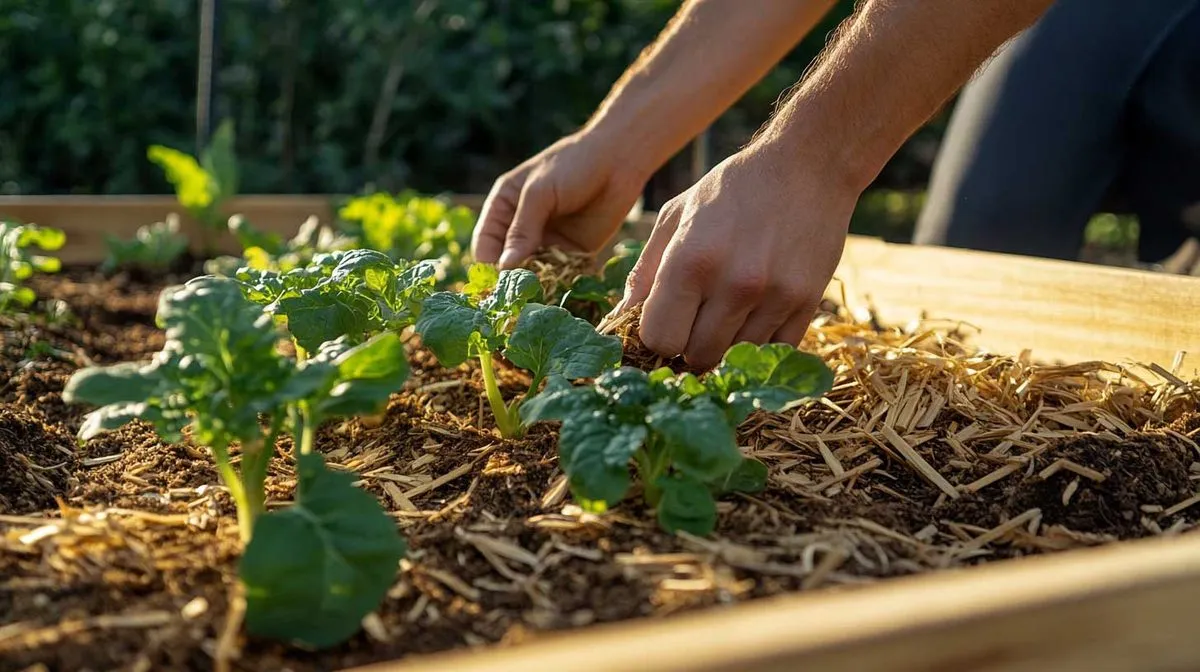
- Feed once it is growing. Once shoots appear, keep the soil evenly moist and feed with a balanced liquid feed every couple of weeks. Mound a little soil or compost over the rhizomes as they grow.
Starting ginger early in cooler regions
Outside the tropics and subtropics the warm season is barely long enough for ginger, so it pays to give it a head start. Our Sydney calendar suggests pre-sprouting rhizomes indoors in August and September and planting them out in October in a warm microclimate. In Adelaide ginger is marginal: plant rhizomes in September or October in pots in a warm, sheltered spot, move them under cover before winter, and expect a small harvest. Perth plants in August and September so the plants are well established before winter, because ginger rots in cold, wet soil.
Growing Ginger in Pots
Ginger is an excellent container crop, and growing in pots has real advantages:
- You can move pots to follow warmth and avoid cold
- Drainage is easy to control
- Harvesting is simple: tip the pot out and pick rhizomes
- Pots warm up faster than garden soil in spring
Use a wide, shallow pot (at least 40 cm across and 30 cm deep). Fill with rich, free-draining potting mix. Plant rhizome pieces 5 cm deep with buds facing up, 20 cm apart. Water sparingly until shoots appear, then keep consistently moist.
Where to Plant Ginger: Shade and Soil
Ginger does not need (and does not like) full sun. In the wild, it grows under a tropical canopy. In the garden:
- Morning sun with afternoon shade is ideal
- Dappled shade under deciduous trees works well
- Full sun scorches leaves and stresses the plant, especially in hot, dry climates
- Deep shade produces lush leaves but smaller rhizomes
Ginger makes an excellent understorey crop planted beneath taller fruit trees or along the shady side of a fence.
The soil matters as much as the shade. Ginger wants rich, moisture-holding soil that still drains freely, with plenty of compost dug through it, and our plant data puts the ideal pH between 5.5 and 6.5, slightly acidic. Keep it consistently damp but never waterlogged while it grows, and let it dry out more as the leaves fade in autumn.
When to Harvest Ginger
Ginger is ready to harvest when the leaves start to yellow and die back in autumn (usually 8 to 10 months after planting). You can harvest the whole crop or dig out pieces of rhizome as needed and leave the rest to keep growing.
For "green ginger" (young, tender rhizome with thin skin), harvest earlier at 4 to 6 months. Green ginger is excellent pickled or in stir-fries. Mature ginger has thicker skin and a more intense flavour.
Our plant data allows about 270 days, roughly nine months, from planting to a full harvest, so a rhizome planted in September is ready from around May or June, once the leaves have yellowed and the stems have flopped. Dig the whole clump, snap off what you need, and replant a healthy knob to keep the patch going. Where there is any risk of frost, lift the crop before the first frost, because cold, wet soil rots the rhizomes.
Common Problems
Rot
The biggest risk with ginger. Caused by overwatering or poor drainage, especially when the plant is dormant in winter. Let soil dry between watering in cool weather. Use free-draining potting mix in containers.
Slow growth
Ginger grows slowly until soil and air temperatures are consistently warm (above 20 degrees). Do not overwater during the slow start-up phase. Growth accelerates in summer.
Frost
Ginger foliage is killed by frost. In frosty areas, grow in containers that can be moved under cover, or mulch heavily over dormant rhizomes in the ground. The rhizomes can survive light frosts if they are insulated.
Frequently Asked Questions
When should I plant ginger in Australia?
Plant ginger rhizomes from late winter into spring, once the soil is warm. In South East Queensland, the Northern Rivers and the tropical north the window runs from August to November. Sydney plants from August to October, Perth in August and September, and Adelaide in September and October in pots. Melbourne, Tasmania and Canberra are too cold for an outdoor crop. Starting a rhizome in a pot indoors gives an earlier start in cooler climates.
How long does ginger take to grow?
Ginger takes 8 to 10 months from planting to full harvest. Plant in spring and harvest when foliage dies back in autumn. You can dig small pieces of young ginger from 4 months onwards without disturbing the whole plant.
Can I grow ginger from shop-bought ginger?
Yes. Buy organic ginger (conventional ginger may be treated to prevent sprouting). Choose a plump piece with visible buds (the small bumps on the surface). Soak overnight, then plant 5 cm deep in warm, moist potting mix.
Does ginger need full sun?
No. Ginger prefers morning sun with afternoon shade or dappled light. Full sun can scorch the leaves. It grows naturally as an understorey plant in tropical forests and performs best with some shade protection.
How do you plant ginger root?
Choose a plump piece of ginger with visible buds, break it into pieces with at least one bud each, and soak them overnight. Plant each piece about 5 cm deep with the buds facing up, 20 to 25 cm apart, in rich, free-draining soil or potting mix. Water sparingly until shoots appear, then keep the soil evenly moist.
How long does ginger take to sprout?
Around 30 days in warm soil between 22 and 30°C, according to our plant data. In cooler soil it takes longer, and the rhizome can rot if the soil stays cold and wet, so start it somewhere warm or in a pot indoors.
Can I grow ginger in Melbourne?
Not as an outdoor crop. Our Melbourne calendar rates ginger unsuitable, because it needs around nine warm months and the Melbourne winter kills the rhizome. You can grow it in a pot that comes indoors or under cover for winter. Myoga, the Japanese ginger grown for its flower buds, is cold-hardy enough for Melbourne and Hobart gardens.
See also: Ginger in the Plant Library
Plant profile
The ginger profile has sowing times for your region, companion plants and common pests.