Wood Ash in the Vegetable Garden: Benefits, Risks and How to Use It
Updated June 2026
A free source of potassium, calcium, and trace minerals sitting in your firepit right now
Every winter, firepits and wood heaters across Australia produce buckets of ash that usually get tipped in the bin. That ash is a useful garden amendment. It contains minerals your vegetables and fruit trees need, and it can improve acidic soil without spending a cent.
Wood ash has been used in agriculture for thousands of years. It was one of the original liming agents before commercial products existed. The challenge is knowing how much to use, where to use it, and what to avoid. Get it right and you have a free, effective soil conditioner. Get it wrong and you can cause nutrient lockout and plant damage.
🌱 Plants in this guide: Tomato, Beans (bush), Peas, Garlic, Onion, Capsicum, Carrot, Beetroot and 2 more, all listed under Plant profiles at the end of this guide. Each plant profile has sowing times for your region, companion plants and common pests.
What Wood Ash Contains
Wood ash is what remains after organic material burns away. The minerals that were locked inside the timber are left behind in concentrated form. The exact composition varies depending on the type of wood burned, but typical hardwood ash contains:
- Calcium carbonate (25 to 45%). This is the main component. It works like garden lime, raising soil pH and providing calcium for cell wall development.
- Potassium (3 to 7%). The nutrient most gardeners use wood ash for. Potassium supports flowering, fruiting, disease resistance, and root strength.
- Phosphorus (1 to 2%). A modest amount that contributes to root growth and energy transfer within plants.
- Magnesium (1 to 3%). Essential for chlorophyll production and photosynthesis.
- Trace minerals. Iron, manganese, zinc, boron, and copper in small amounts. These micronutrients are often overlooked but are critical for plant health.
Hardwood ash (from eucalyptus, ironbark, spotted gum, red gum) contains more nutrients per kilogram than softwood ash. Australian hardwoods are particularly mineral-rich because they grow slowly and accumulate nutrients over decades.
Which Plants Benefit from Wood Ash
Plants that prefer neutral to slightly alkaline soil and have high potassium demands get the most benefit from wood ash. These include:
Brassicas
Cabbage, broccoli, cauliflower, kale, and Brussels sprouts all thrive in slightly alkaline soil (pH 6.5 to 7.5). The calcium in wood ash also helps prevent club root, a common brassica disease that is worse in acidic conditions. Apply a light dusting of ash to brassica beds a few weeks before planting and work it into the top 10 cm of soil.
Root vegetables
Carrots, beetroot, parsnips, and turnips respond well to the potassium in wood ash. Potassium promotes strong root development, which is exactly what root crops need. The calcium also helps maintain good soil structure around developing roots.
Fruit trees
Citrus trees (lemons, oranges), stone fruit (peaches, plums, apricots), figs, and apple trees all appreciate an annual scattering of wood ash around the drip line. The potassium supports fruit production and the calcium helps prevent blossom end rot in stone fruit.
Tomatoes, beans, and peas
Tomatoes are heavy potassium feeders and benefit from wood ash mixed into the planting hole. Beans and peas fix their own nitrogen, so the potassium and calcium in ash complement their nutrition perfectly.
Garlic and onions
Garlic, shallots, and spring onions grow best in slightly alkaline soil with good potassium levels. Wood ash is an ideal amendment for allium beds.
Where NOT to Use Wood Ash
Wood ash raises soil pH. That makes it harmful to plants that need acidic conditions. Keep ash away from:
- Blueberries. They need a pH of 4.5 to 5.5. Wood ash will push pH upward and cause iron chlorosis (yellowing leaves).
- Azaleas, camellias, gardenias, and rhododendrons. All acid-loving ornamentals that suffer when pH rises above 6.0.
- Potatoes. Alkaline soil promotes potato scab. Potatoes prefer a pH of 5.0 to 6.0, so keep wood ash away from potato beds.
- Strawberries. They prefer slightly acidic soil (pH 5.5 to 6.5). Wood ash can push conditions outside their preferred range.
- Raspberries. Like strawberries, they prefer mildly acidic conditions.
- Native Australian plants. Most Australian natives (grevilleas, banksias, waratahs) are adapted to acidic, phosphorus-poor soils. The pH shift and phosphorus in wood ash can cause toxicity.
Firepit Ash vs Treated Wood: A Critical Difference
Only use ash from untreated, unpainted natural timber. This includes firewood from native hardwoods, fruit tree prunings, untreated pine offcuts, and clean timber from demolition (verified untreated).
Never use ash from:
- Treated pine (CCA, ACQ, or other preservatives). CCA-treated timber contains copper, chromium, and arsenic. Burning it concentrates these toxic metals in the ash. Even small amounts can contaminate soil for years.
- Painted or varnished wood. Paint and varnish release heavy metals (lead in older paints) and toxic organic compounds when burned.
- Plywood, MDF, and particleboard. These contain formaldehyde-based glues and other chemicals that concentrate in ash.
- Coal or briquettes. Coal ash has a different chemical profile and can contain sulphur and heavy metals that harm soil biology.
- Cardboard with coloured ink, glossy paper, or plastics. If anything other than clean wood went into your fire, do not use the ash.
If you are unsure about the source of the wood, err on the side of caution and bin the ash. The risk of contaminating your food garden with heavy metals is not worth it.
Application Rates
Wood ash is potent. A little goes a long way, and too much will cause problems. Here are practical guidelines:
Vegetable garden beds
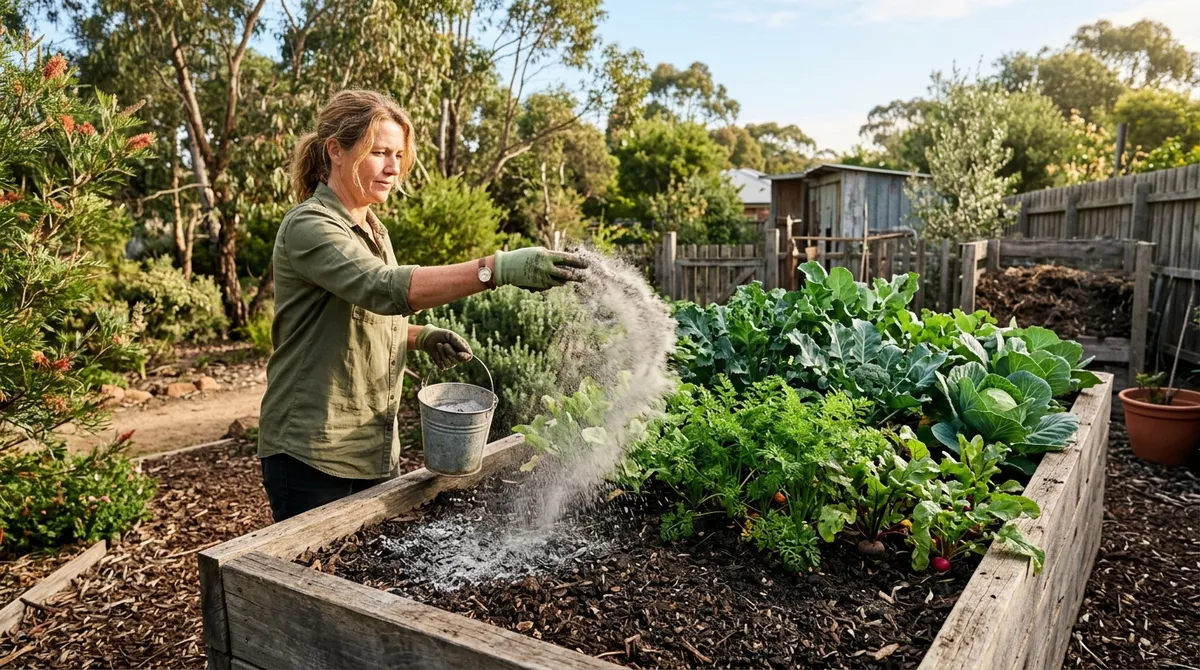
Apply 50 to 100 grams per square metre (roughly one to two handfuls scattered evenly). Work it into the top 10 cm of soil. Apply once in autumn or early winter before planting brassicas, or in early spring before warm-season crops go in.
Fruit trees
Scatter 200 to 500 grams around the drip line of each tree once per year in late winter. Rake it lightly into the mulch layer. Do not pile ash against the trunk.
Compost bin
Sprinkle a thin layer (a handful or two) over the compost every few weeks. Ash adds calcium and raises the pH of compost, which helps bacteria thrive. Too much will make the compost overly alkaline and cause nitrogen loss as ammonia gas. Keep it light.
Lawn
Scatter no more than 50 grams per square metre across the lawn in winter. Water it in or apply before rain. This provides potassium for grass roots and helps correct acidic lawns without buying lime.
How to Store Wood Ash
Keep ash dry. Moisture leaches the potassium (it is water-soluble) and turns the ash into a caustic paste that is harder to spread evenly. Store ash in a metal bucket with a lid, a sealed plastic container, or a dry bag. Keep it in a shed or garage, out of the rain.
Ash stored dry retains its nutrient value for months. Ash left in a heap outdoors loses most of its potassium within a few weeks of rain exposure.
Wood Ash as a Pest Deterrent
A ring of dry wood ash around plants can deter slugs and snails. The fine alkaline powder irritates their soft bodies and absorbs moisture from their slime. Gardeners have used this trick for generations. The catch is that it only works when dry. Rain or overhead watering washes the ash into the soil and removes the barrier. You will need to reapply after every watering or rain event.
Some gardeners also report that ash deters aphids when dusted lightly on leaves, though this is less reliable and can block sunlight if applied too heavily.
Wood Ash and Soil pH: Understanding the Numbers
Wood ash has a liming value of roughly 40 to 50 percent of commercial agricultural lime. That means you need about twice as much wood ash to achieve the same pH shift as lime. The effect is also faster because ash particles are finer than most ground limestone products.
For context, here are the preferred pH ranges for common vegetables:
- Brassicas: 6.5 to 7.5 (wood ash is ideal)
- Beans and peas: 6.0 to 7.0 (wood ash works well)
- Tomatoes and capsicum: 6.0 to 6.8 (use moderately)
- Carrots and beetroot: 6.0 to 7.0 (good match)
- Potatoes: 5.0 to 6.0 (avoid wood ash)
- Blueberries: 4.5 to 5.5 (never use wood ash)
If your soil is already above pH 7.0, skip the wood ash. Adding it to alkaline soil locks out iron, manganese, zinc, and boron, causing deficiency symptoms even when those minerals are present in the soil.
Using Wood Ash in Compost
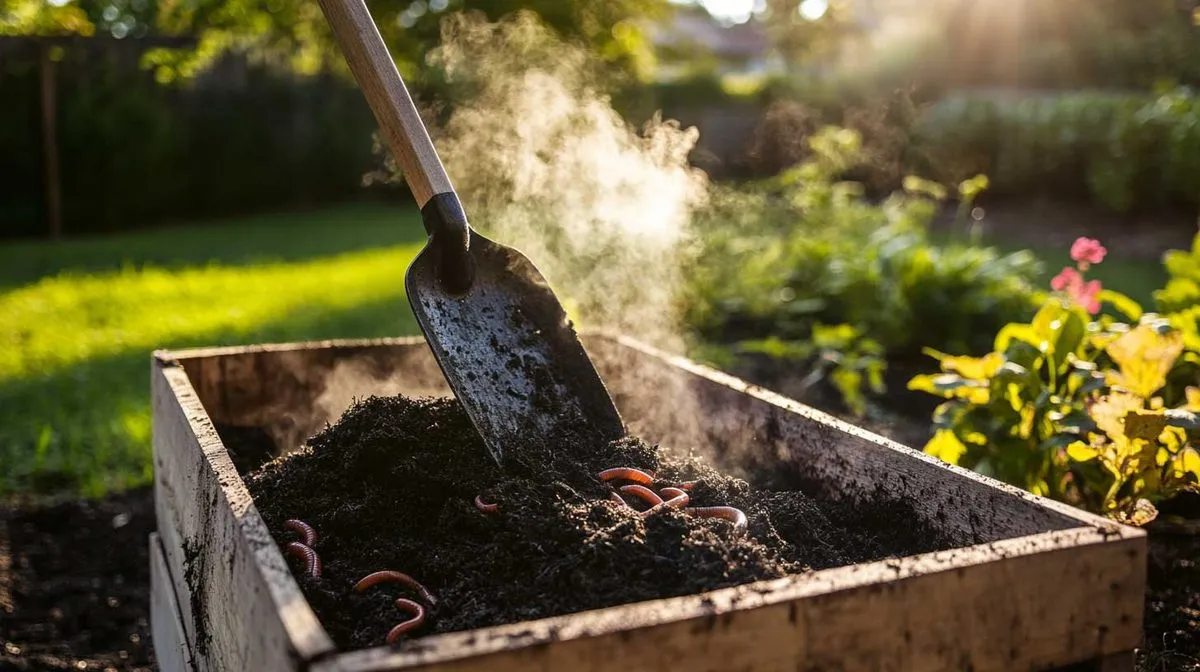
Small amounts of wood ash in the compost bin are beneficial. The calcium neutralises organic acids that build up during decomposition, the alkaline pH boosts bacterial activity, and the minerals end up in the finished compost where plants can use them.
The key word is small amounts. More than a thin sprinkle per layer causes problems. Excessive alkalinity drives nitrogen out of the compost as ammonia gas (you will smell it). That nitrogen is lost to the atmosphere instead of ending up in your garden. A light dusting between green and brown layers is all you need.
Common Mistakes with Wood Ash
Using too much
This is the most common error. Gardeners collect ash all winter and dump it on the garden in spring. A few hundred grams per square metre is the maximum. Anything beyond that risks pH damage that takes years to correct.
Applying to wet soil
Wet wood ash forms a caustic paste with a pH above 12. This can burn plant roots and stems on contact. Apply ash to dry soil and water it in gently, or apply before light rain.
Mixing with nitrogen fertilisers
Do not apply wood ash and ammonium-based fertilisers (sulphate of ammonia, chicken manure) at the same time. The high pH of ash converts ammonium nitrogen to ammonia gas, which escapes into the air. Separate applications by at least two weeks.
Ignoring soil tests
Adding wood ash year after year without testing the soil will gradually push pH too high. Australian soils in high-rainfall coastal areas tend to be acidic and benefit from ash. Soils in drier inland areas are often already alkaline and should not receive ash at all.
Frequently Asked Questions
Is wood ash good for gardens?
Yes. Wood ash from untreated timber provides potassium, calcium, and trace minerals. It raises soil pH, which benefits most vegetables. Apply at a rate of roughly one handful per square metre and avoid using it near acid-loving plants like blueberries.
Which plants benefit from wood ash?
Brassicas (cabbage, broccoli, cauliflower), root vegetables (carrots, beetroot, parsnips), fruit trees (citrus, stone fruit, apples), tomatoes, beans, and peas all benefit from wood ash. These plants appreciate the potassium boost and slightly alkaline conditions.
Can I use wood ash from a firepit?
Yes, as long as you only burned untreated, unpainted natural timber. Ash from treated pine, painted wood, plywood, MDF, or any manufactured timber products contains toxic chemicals and heavy metals. Never use those in the garden.
How much wood ash should I add to my garden?
Apply roughly 50 to 100 grams per square metre (about one to two handfuls) once or twice per year. Too much raises soil pH excessively and can lock out nutrients like iron, manganese, and boron. A soil test before application is always a good idea.
Does wood ash deter slugs and snails?
A ring of dry wood ash around plants can deter slugs and snails because the alkaline powder irritates their soft bodies. The effect disappears once the ash gets wet, so it needs reapplying after rain or watering.
Plant profiles
Each profile has sowing times for your region, companion plants and common pests.