How to Grow Cabbage in Australia
Updated June 2026
Varieties, planting times, pest control, and harvesting for every region
Cabbage is one of the most reliable and rewarding vegetables you can grow in an Australian garden. It handles frost well, produces big harvests from a small space, and stores for weeks after picking. A single cabbage plant can feed a family for several meals.
This guide covers the best cabbage varieties for Australian conditions, planting times for each region, how to deal with the inevitable cabbage moth, and the best ways to harvest and store your crop.
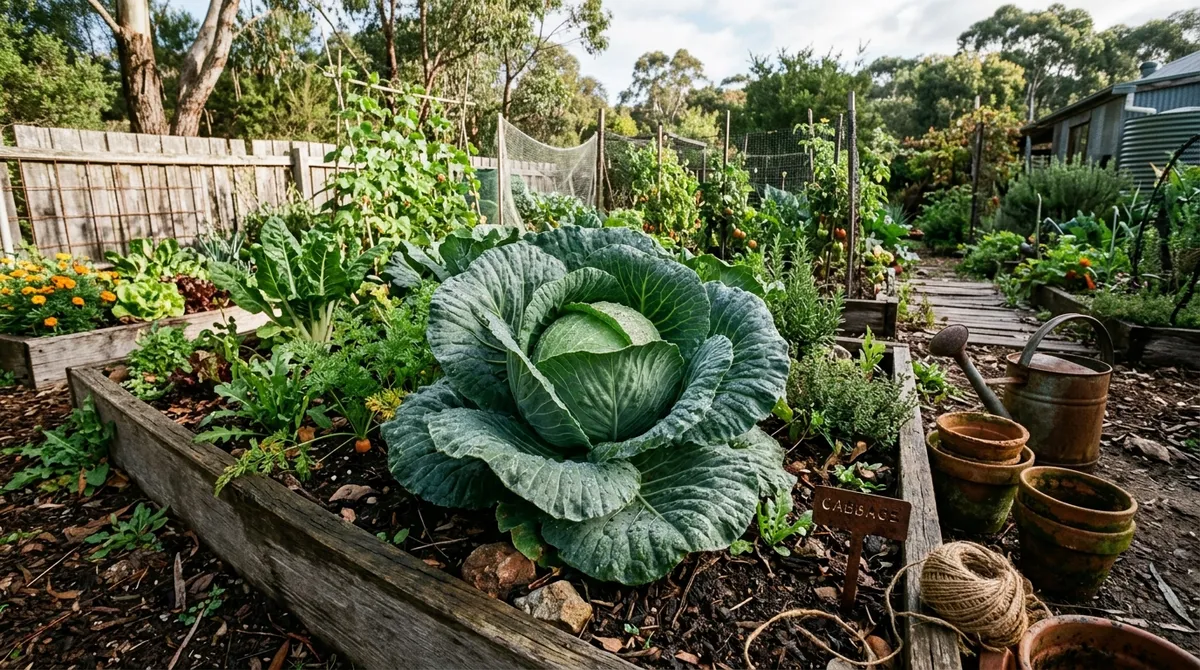
What it looks like as it grows


🌱 Plant profile: Cabbage, with sowing times for your region, companion plants and common pests.
When to Plant Cabbage in Your Region
Cabbage is a cool-season crop that grows best between 15 and 20 degrees Celsius. High temperatures cause plants to bolt or produce loose, bitter heads. In most parts of Australia, the main cabbage planting window runs from late summer through autumn for a winter and spring harvest.
Subtropical and tropical gardeners should plant in the cooler months (March to July). Cool-temperate gardeners in Melbourne, Hobart, and Canberra can plant from February through to May, and again in late winter for a summer crop. Arid and semi-arid regions do well with autumn planting when temperatures drop.
Best Cabbage Varieties for Australia
Sugarloaf
A compact, pointed-head cabbage that matures quickly (55 to 65 days). Sweeter flavour than round varieties. Great for small gardens and closer spacing. Works well in containers. Excellent eaten raw in slaws or lightly cooked.
Red Drumhead
Deep purple heads that add colour to the garden and the plate. Round, tight heads with a slightly peppery flavour. Takes longer to mature (80 to 100 days) but stores well. The colour intensifies in cooler weather. Rich in anthocyanins.
Savoy
Crinkled, textured leaves on a looser head. More cold-hardy than smooth-leaf types and tolerates light frost well. Tender texture makes it ideal for stuffed cabbage rolls. Matures in 70 to 85 days. Less prone to splitting than drum-head types.
Wong Bok (Wombok)
Also called Chinese cabbage or napa cabbage. Tall, cylindrical heads with pale green, crinkled leaves. Fast growing (50 to 60 days) and mild flavoured. Essential for kimchi and stir-fries. Prefers cooler weather and bolts quickly in heat.
January King
A heritage variety with stunning blue-green and purple outer leaves. Extremely cold-hardy and develops its best colour after frost exposure. Semi-savoy texture with sweet, nutty flavour. Matures in 90 to 110 days. A standout in any winter garden.
Seedlings vs Direct Sowing
Cabbage can be started either way, but transplanting seedlings gives you a head start and more control over spacing.
Starting from seed indoors
Sow seeds in trays or small pots 5 to 6 weeks before your planned transplant date. Plant seeds 1 cm deep in quality seed-raising mix. Keep the mix moist and place trays in a bright spot. Seeds germinate in 5 to 10 days at 15 to 25 degrees. Harden off seedlings for a week before transplanting by gradually increasing their outdoor exposure.
Direct sowing
Sow seeds directly into prepared garden beds 1 cm deep and 10 cm apart. Thin seedlings to their final spacing once they have 4 true leaves. Direct-sown cabbages develop stronger taproots but take longer to reach maturity. This method works best in regions with long, mild growing seasons.
Spacing and Soil Preparation
Cabbage needs rich, moisture-retentive soil with good drainage. It is a heavy feeder that demands plenty of nitrogen to produce large, dense heads.
- Spacing: 40 to 50 cm between plants, 60 cm between rows. Compact varieties like Sugarloaf can go 30 to 40 cm apart. Wombok needs 30 cm spacing.
- Soil pH: 6.5 to 7.5. Slightly alkaline soil helps prevent clubroot disease. Add lime if your soil is acidic.
- Soil prep: Dig in plenty of aged compost and well-rotted manure 2 to 3 weeks before planting. Cabbage responds well to soil enriched with blood and bone or pelleted chicken manure.
- Watering: Keep soil consistently moist but not waterlogged. Cabbage has shallow roots and wilts quickly in dry conditions. Water at the base, not overhead, to reduce disease risk.
- Mulching: Apply 5 to 8 cm of sugar cane or pea straw mulch around plants to retain moisture and suppress weeds. Keep mulch away from stems to prevent collar rot.
Feed plants every 2 to 3 weeks with a nitrogen-rich liquid fertiliser once heads begin to form. Fish emulsion or seaweed solution works well. Stop feeding once heads feel firm and solid.
Pest Management
Cabbage belongs to the brassica family, and brassicas attract specific pests that can ruin a crop quickly if left unchecked.
Cabbage moth and cabbage white butterfly
These are the biggest threats to any cabbage crop in Australia. The adult moths and butterflies lay eggs on the undersides of leaves. The caterpillars that hatch will chew through leaves rapidly, leaving holes and frass everywhere.
- Prevention: Cover plants with fine insect-exclusion netting immediately after transplanting. This is the single most effective control method.
- Biological spray: Bacillus thuringiensis (Bt) is a natural bacterial spray that kills caterpillars without harming bees, ladybirds, or other beneficials. Apply every 7 to 10 days when caterpillars are active.
- Hand-picking: Check undersides of leaves every few days and squash any eggs (tiny yellow or white dots) or caterpillars you find.
Aphids
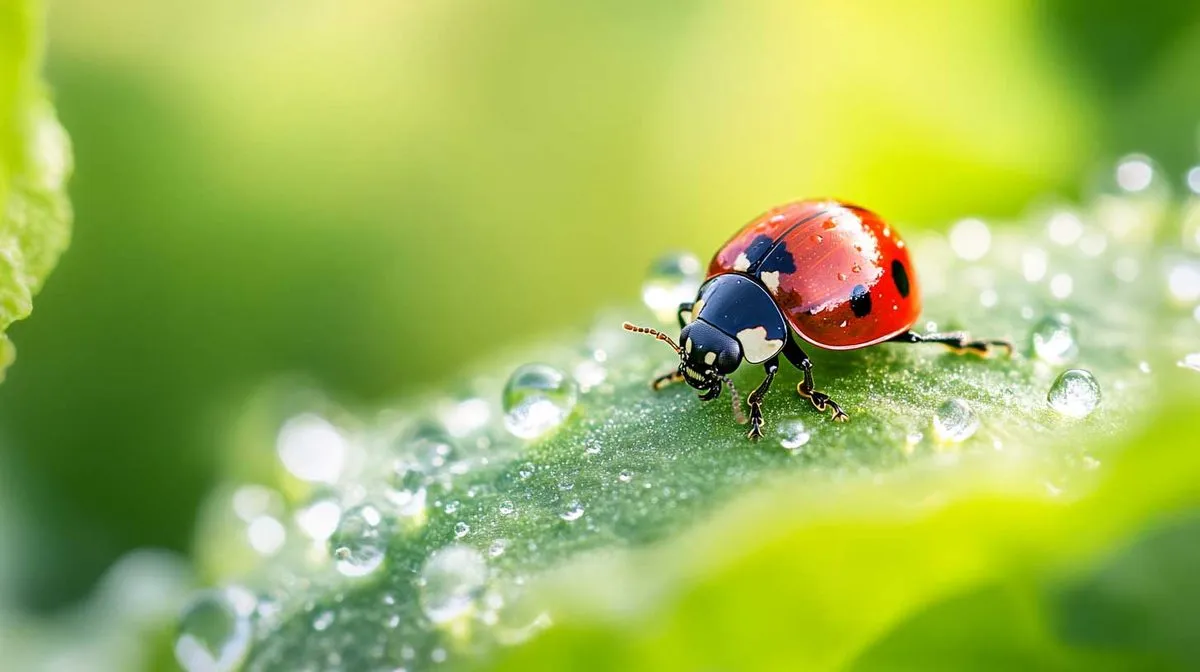
Grey-green cabbage aphids cluster on the undersides of leaves and in the centre of developing heads. They suck sap and can transmit viral diseases. Blast them off with a strong jet of water. Encourage ladybirds and lacewings by planting nearby flowers. Spray with neem oil or insecticidal soap for heavy infestations.
Slugs and snails
Active at night and in wet weather, slugs and snails chew irregular holes in outer leaves. Use iron-based snail pellets (safe around pets and wildlife), set up beer traps, or create barriers with crushed eggshell or diatomaceous earth around plants.
Companion Planting for Cabbage
Good companions help deter pests, improve growth, and make better use of garden space.
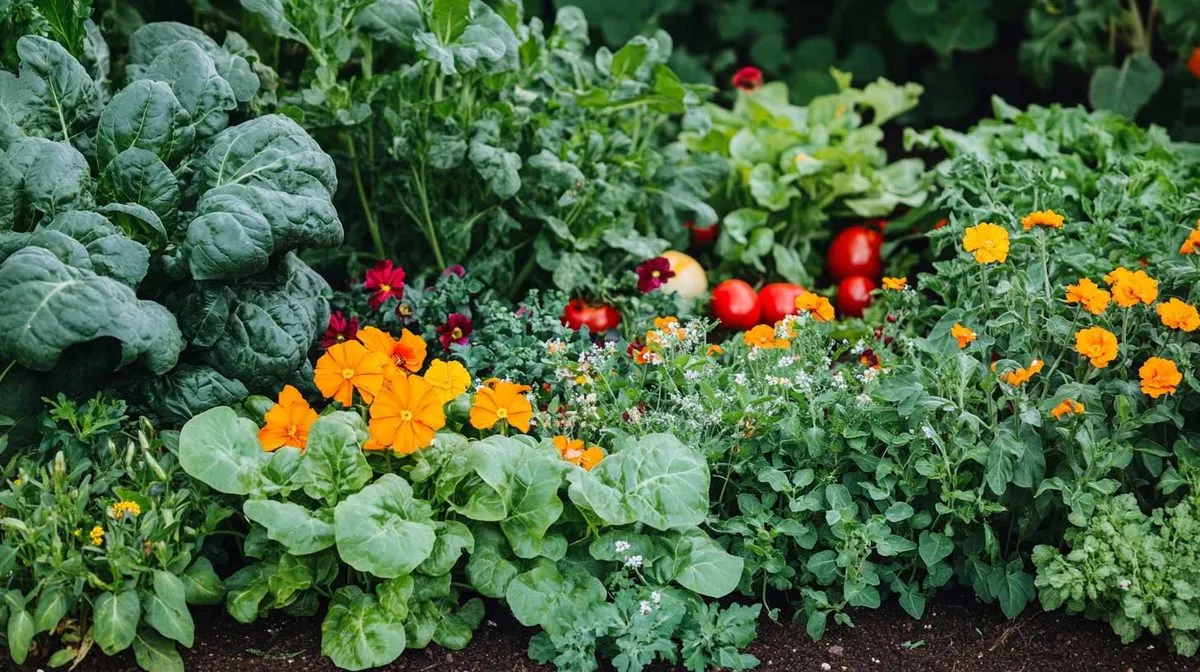
- Plant with: Dill and chamomile attract beneficial wasps that parasitise cabbage caterpillars. Celery, onions, and garlic help mask the scent of brassicas from pests. Nasturtiums act as a trap crop, drawing aphids away from cabbage. Beetroot and lettuce make good use of the space between young cabbage plants.
- Avoid planting with: Strawberries, tomatoes, and other brassicas (to reduce shared pest and disease pressure). Beans and cabbage can stunt each other's growth.
Harvesting Cabbage
Cabbage is ready to harvest when the head feels firm and solid when you squeeze it. A loose or spongy head needs more time. Most varieties take 8 to 15 weeks from transplanting, depending on the type and conditions.
Cut the head from the stem with a sharp knife, leaving a few outer leaves attached to protect it. If you leave the stem and roots in the ground, many varieties will produce several smaller secondary heads from the cut stump over the following weeks.
Storage
Whole cabbage heads store well in the fridge for 2 to 4 weeks. Wrap them loosely in a damp cloth or perforated plastic bag. Red cabbage and January King store the longest. Savoy types should be used within a week or two.
For long-term storage, cabbage can be fermented into sauerkraut or kimchi (using Wombok). Both methods preserve the harvest for months and add beneficial probiotics to your diet.
Frequently Asked Questions
When is the best time to plant cabbage in Australia?
Cabbage is a cool-season crop. In cool-temperate regions (Melbourne, Hobart, Canberra), plant from February to April for an autumn and winter harvest. In subtropical regions (Brisbane, Northern NSW), plant from March to July when temperatures drop below 25 degrees. Cabbage grows best between 15 and 20 degrees Celsius.
How far apart should I space cabbage plants?
Space standard cabbage varieties 40 to 50 cm apart with 60 cm between rows. Smaller varieties like Sugarloaf can be planted 30 to 40 cm apart. Wombok (Chinese cabbage) needs 30 cm spacing. Crowded plants produce smaller heads and are more prone to disease.
How do I stop cabbage moth from destroying my plants?
The most effective method is covering your plants with fine insect-exclusion netting as soon as you transplant them. This physically prevents the white cabbage moth from laying eggs on the leaves. If caterpillars are already present, spray with Bacillus thuringiensis (Bt), a biological control that targets caterpillars without harming beneficial insects.
Can I grow cabbage in pots?
Yes, but choose compact varieties like Sugarloaf or Wombok and use a pot at least 30 cm wide and deep. Fill with quality potting mix, water consistently, and feed fortnightly with a liquid fertiliser. Potted cabbage dries out faster than garden-grown plants, so check moisture daily.
See also: Cabbage in the Plant Library
Plant profile
The cabbage profile has sowing times for your region, companion plants and common pests.