How to Grow Beetroot in Australia
Updated June 2026
A forgiving, fast root crop you can sow most of the year in most of the country
What it looks like as it grows


Beetroot is one of the easiest root crops to grow in Australia, which makes it a brilliant place for new gardeners to start. It is quick, it copes with a wide season, and you get two crops from one plant, sweet roots below and edible leaves above. There is really only one quirk to understand, and once you do, beetroot rarely lets you down.
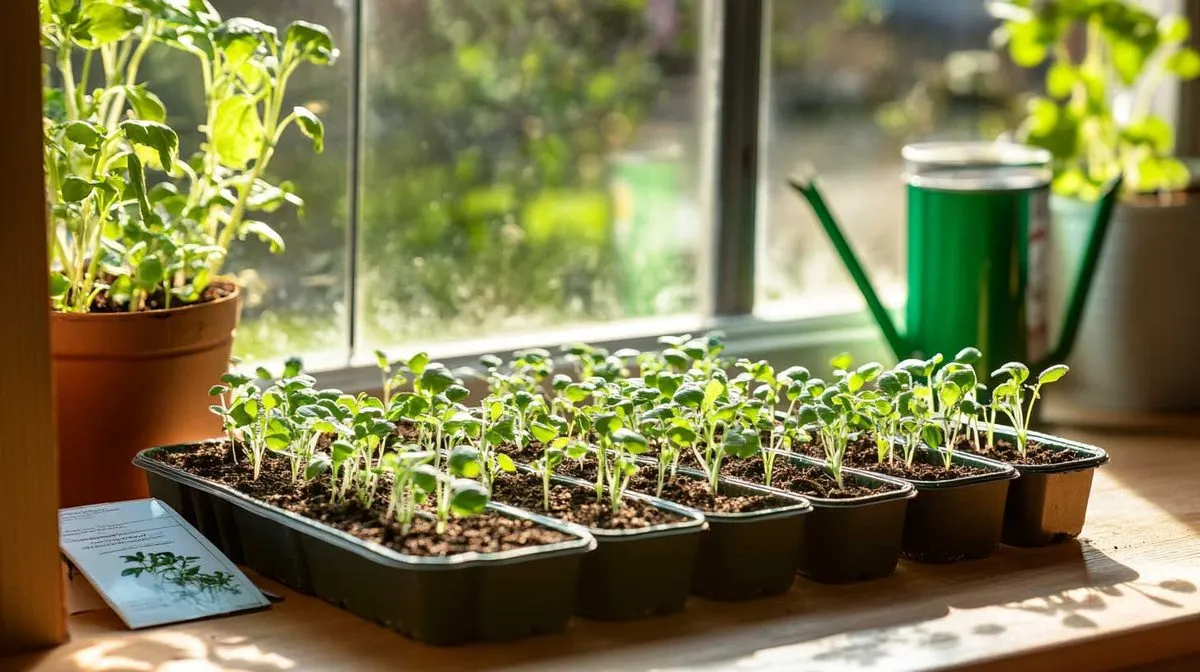
That quirk is the seed. Each beetroot "seed" is actually a small dried cluster holding two to four seeds, so every spot you sow throws up a little bunch of seedlings. Thinning that cluster to one strong plant is the whole game. Skip it and you get a tangle of small roots. Do it and you get clean, even beetroot.
This guide covers soil, sowing, that all-important thinning, and a calculator so you know how many clusters to sow and how many beetroot to expect.
Beetroot sowing and spacing calculator
Enter your bed in centimetres. Remember each seed is a cluster, so you thin down to one plant per station.
🌱 Plant profile: Beetroot, with sowing times for your region, companion plants and common pests.
Position & Soil
Beetroot likes full sun but will cope with a little afternoon shade in the hottest regions. It is far less fussy about soil than carrots, but it still does best in a loose, free-draining bed enriched with aged compost. Avoid fresh manure, and dig the bed over to about 20 to 25 cm so the roots can swell freely.
Beetroot needs steady moisture and a touch of boron, which is why it sometimes sulks in very sandy or worn-out soil. A good dose of compost before sowing usually sorts that out. It grows well in raised beds and pots too.
Sowing
Beetroot is almost always direct-sown, since the roots resent being moved. It germinates in 7 to 14 days.
- Soak the clusters for a few hours before sowing if you like. It is not essential but it speeds up and evens out germination.
- Sow 1 to 2 cm deep, spacing the clusters about every 10 cm along the row, with rows 25 cm apart.
- Keep the bed evenly moist until the seedlings are up. Each cluster will send up a small bunch of seedlings, which is exactly what you want.
- Succession sow a short row every 3 to 4 weeks for a continuous supply rather than one big glut.
Spacing & Thinning
This is the one step that matters most. Because each cluster produces several seedlings, you must thin each bunch down to a single strong plant once they reach about 5 cm tall.
Snip the spare seedlings off at soil level with scissors rather than pulling them, which would disturb the roots of the keeper. The thinnings are not waste, the tiny leaves are delicious in salads. Thin to one plant per station at your chosen final spacing of 8 to 12 cm. The calculator above shows how many beetroot a given bed will give you after thinning.
Watering & Feeding
Steady, even watering is the secret to tender beetroot. Let the bed dry out and then drench it and the roots crack or turn woody. Aim for consistent moisture, and mulch to even out the swings and keep weeds down.
Beetroot is not a heavy feeder. A bed prepared with compost usually carries it through, with maybe one light feed of a balanced organic fertiliser midway. Avoid high-nitrogen feeds, which push leaf growth at the expense of the root.
Common Problems
Small or woody roots
Almost always caused by not thinning the clusters, by dry spells, or by leaving the roots in the ground too long. Thin to one plant per station, water steadily, and harvest by tennis-ball size.
White rings inside the root
Pale internal rings come from heat stress and inconsistent watering. Keep the moisture even and harvest before prolonged hot weather.
Bolting (running to seed)
A cold snap on young seedlings, or a sudden hot spell, can make beetroot bolt. Sow within your region's window rather than at the very edges of the season, and keep growth steady.
Leaf miner in the foliage
Pale squiggly trails in the leaves are leaf miner. Pick off and bin affected leaves. The roots are unaffected, so it is a cosmetic problem on the greens.
Harvest & Storage
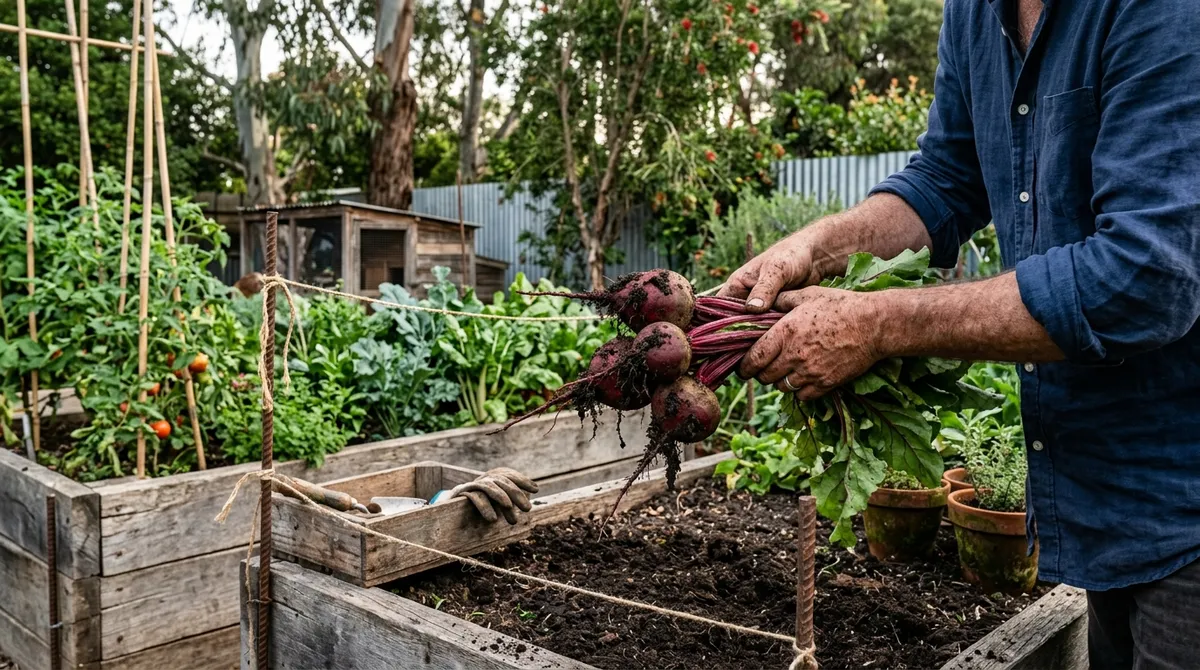
Beetroot is ready 8 to 12 weeks after sowing. You can pull baby beets early at golf-ball size, or leave them to tennis-ball size before they start to toughen. Lift them gently, twisting rather than slicing the tops off about 3 cm above the root so they do not bleed.
Roots keep in the fridge for a few weeks. They also pickle, bottle and roast beautifully, and the leaves cook just like silverbeet. Do not waste the tops.
Best Beetroot Varieties for Australia
Detroit Dark Red
The reliable maincrop standard. Deep red, round, sweet and dependable across every Australian climate. If you grow one beetroot, grow this.
Chioggia
An Italian heirloom with stunning candy-stripe rings of pink and white when sliced. Mild and sweet, and a showstopper raw in salads. The rings fade with long cooking, so slice it fresh.
Bull's Blood
Grown as much for its dark red edible leaves as its roots. The deep burgundy foliage looks great in the bed and in a salad bowl. A good dual-purpose pick.
Cylindra
Long and cylindrical rather than round, giving neat, even slices, ideal for pickling and bottling where uniform discs matter. A space-saver, since the roots grow more downwards than out.
Golden
Mild, sweet, golden-orange flesh that does not bleed or stain hands, boards and other ingredients. Lovely roasted, and a good gateway beetroot for fussy eaters.
Beetroot Seasons Across Australia
Beetroot is a cool-season crop at heart but it has a wide, forgiving window across most of the country. It does best when the worst summer heat is off.
In subtropical SEQ, sow March to August through the cooler half of the year. In temperate areas like Sydney, Melbourne, Perth and Adelaide, the window runs August to March. In cool regions such as Tasmania and the highlands, sow September to March across the warmer months. In the tropical Far North, sow during the dry season, April to July. Use the climate selector in the calculator above for your exact months.
Frequently Asked Questions
How long does beetroot take to grow?
Beetroot is ready 8 to 12 weeks after sowing. You can pull baby beets earlier at around golf-ball size, or leave them to reach tennis-ball size before they start to toughen.
When should I plant beetroot in Australia?
In subtropical regions sow March to August. In temperate regions sow August to March. In cool regions sow September to March. In tropical regions sow during the dry season, April to July. Use the climate selector above for your exact timing.
Why do I need to thin beetroot seedlings?
Each beetroot seed is actually a cluster of two to four seeds, so several seedlings come up together. Thin to one strong seedling per spot by snipping the extras off at soil level, otherwise the roots crowd each other and stay small.
What are the best beetroot varieties for Australia?
Detroit Dark Red is the reliable all-rounder. Chioggia has candy-stripe rings. Bull's Blood has dark edible leaves. Cylindra gives even slices for pickling. Golden is mild and does not stain.
Can you eat beetroot leaves?
Yes. Beetroot leaves are edible and taste similar to silverbeet. Use young leaves raw in salads and cook older leaves like spinach. Bull's Blood is grown as much for its leaves as its roots.
Why are my beetroot small or woody?
Small or woody beetroot is usually caused by overcrowding from not thinning, by dry spells, or by leaving roots in the ground too long. Thin to one plant per station, water steadily, and harvest by tennis-ball size.
Can I grow beetroot in pots?
Yes. Use a container at least 20 to 25 cm deep with a quality potting mix. Beetroot is one of the easiest root crops for pots. Just keep the watering steady and thin the clusters as normal.
See also: Beetroot in the Plant Library
Plant profile
The beetroot profile has sowing times for your region, companion plants and common pests.