
Jalapeno Chilli: Heat, Chipotle and How to Grow the Plant
Updated November 2026
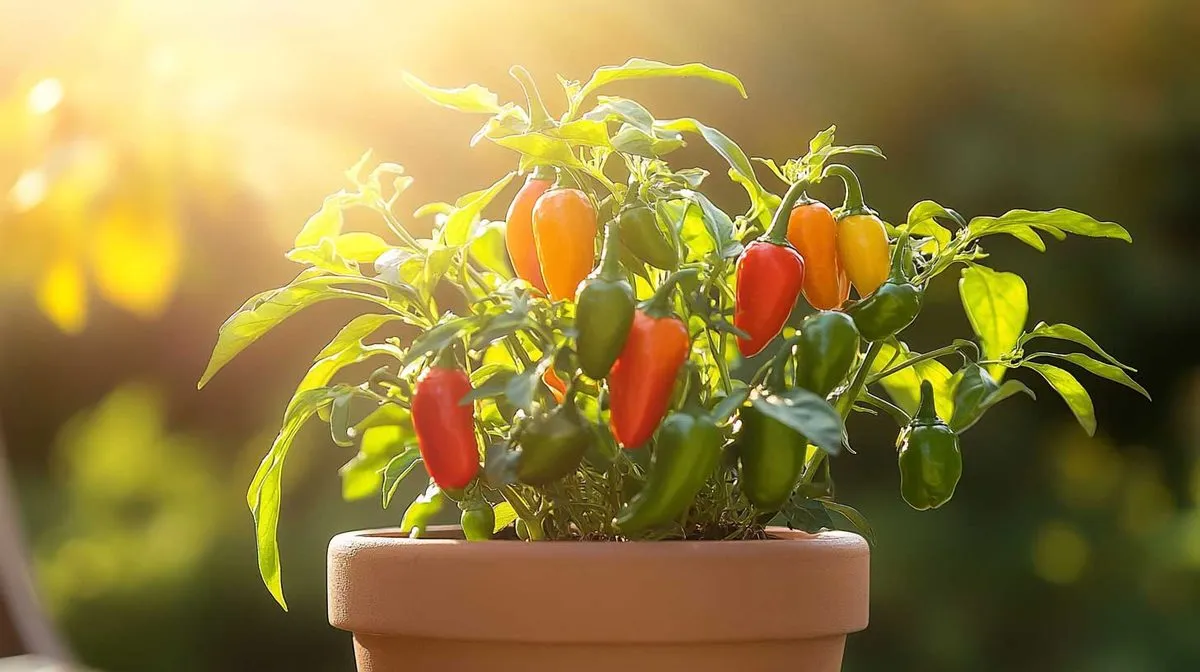
Heat, chipotle explained, sowing months, pots, picking green or red and varieties sold in Australia
A jalapeno is a thick-walled, finger-sized chilli of the species Capsicum annuum, rated at roughly 2,500 to 8,000 Scoville heat units, which puts it at mild to medium heat. It is usually picked green, turns red if left to ripen, and is one of the easiest hot chillies to grow in Australia, in a pot or in the ground.
Short answer: jalapeno is a medium-heat green chilli (2,500 to 8,000 SHU) that seed sellers list at 70 to 80 days to harvest. Chipotle is not a different plant. It is a ripe red jalapeno that has been smoke-dried.
What is a jalapeno?
The jalapeno is a thick-fleshed, blunt-ended chilli, commonly 5 to 8 cm long. The Seed Collection describes its jalapeno as blunt-ended and thick-fleshed, up to 8 cm long, normally picked green but able to ripen to red. The plant is a frost-tender perennial that behaves as an annual in cool areas, and it is a member of the same species as cayenne, serrano and the sweet capsicum.
Many jalapenos show fine pale lines on the skin, called corking or stretch marks. These are cosmetic. They are common in fruit that has grown quickly with plenty of water, and the fruit is fine to eat.
How hot is a jalapeno?
Published ranges give the jalapeno about 2,500 to 8,000 Scoville heat units (SHU), which is the figure on our chilli heat scale and in published Scoville tables. Mr Fothergill's gives the same range for its jalapeno kit. A habanero is roughly 30 times hotter at the middle of its range (see the habanero chilli guide), and a serrano is typically two to three times hotter.
Individual fruit vary widely. Hot, dry spells and stress push a plant to the top of its range, while a well-watered plant in a cool season often gives the mildest fruit. Gardeners report heat above the listed range on some plants, and the seed listing at The Seed Collection rates this variety medium, 5 out of 10, while one reviewer found it hotter in their own garden.
What is chipotle?
Chipotle is a jalapeno that has been left to ripen to red, then dried over smoke. The heat is that of the jalapeno it started as, and the smoking adds a deep, earthy, sweet flavour. Chipotle is sold dried, ground, or canned in a red adobo sauce. If you grow your own jalapenos and let a good number ripen red, you can smoke-dry them at home, although the process takes a smoker and several hours. A dehydrator gives dried red jalapeno rather than true chipotle.
Flavour and kitchen use
Green jalapeno has a fresh, grassy, slightly bright taste with moderate heat. Red jalapeno is sweeter and fruitier. In the kitchen it is sliced into salsas, nachos and sandwiches, stuffed and baked, pickled in rings, or added to cornbread and sauces. Because the walls are thick, it also holds up well to pickling and grilling.
When to sow jalapeno in Australia
Jalapeno is a chilli, so the sowing months come straight from our chilli data. Pick your region in the table below. Jalapeno is one of the quicker chillies, so it copes with a shorter warm season than slow habanero types, but it still needs warmth to start and no frost at all.
| Region | Sowing months |
|---|---|
| South East Queensland | Aug to Feb |
| Northern Rivers NSW | Sep to Feb |
| Sydney & Coastal NSW | Jul to Nov |
| Melbourne & Victoria | Oct to Dec |
| Adelaide & SA | Aug to Oct |
| Perth & WA | Aug to Sep |
| Tasmania | Sep to Oct |
| Canberra & ACT | Oct to Nov |
| North Queensland | Apr to Sep |
| Darwin & Top End | Apr to Aug |
The Seed Collection says to sow in spring or after frost, and any time of year in warm climates. Southern Harvest sells an Early Jalapeno that it describes as suited to cooler areas with short summers, which makes it a sensible pick for Melbourne, Tasmania, Canberra and the cooler Adelaide Hills.
Germination and raising seedlings
Our data shows a germination window of 22 to 30 degrees Celsius, and The Seed Collection lists 7 to 21 days at 22 to 35 degrees. In spring a heat mat makes germination faster and more even. Sow 5 mm deep in seed-raising mix, keep it evenly moist and transplant seedlings when they are 5 to 10 cm tall, as the seed listing advises.
- Use fresh seed-raising mix to cut the risk of damping off.
- Pot seedlings on once before planting out, and harden them off over a week.
- Plant out only after the last frost. Check your region on the frost dates page.
The seed raising guide and the guide to when to start seeds cover the general method.
Days to first fruit
The Seed Collection lists 70 to 80 days to maturity for its jalapeno, as an approximate figure that varies with weather, soil and climate. Count that from transplanting or direct sowing in warm soil and expect green fruit first, with red fruit a few weeks later. Our own regional data lists about 90 days to harvest for chillies in general, so allow the longer figure in cooler regions.
Plant size and spacing
The Seed Collection gives a height of up to 90 cm and a spacing of 50 cm between plants. Branches can break under a heavy crop, so a stake or small cage is worthwhile in a windy bed. A jalapeno plant is a generous cropper, and two or three plants are plenty for most households.
Growing jalapeno in pots
Jalapeno suits pots very well. Use a container at least 30 cm wide with good drainage and a quality potting mix, set it in a spot with six or more hours of direct sun, and move it to shelter in cold weather. Our chillies in pots guide sets out pot sizes, mix and watering for every chilli, and the potting mix guide explains what to buy.
Feeding and watering
Water when the top of the mix or soil is dry, and keep watering steady through flowering, because a wilting plant drops flowers. Feed with a balanced fertiliser early on, then change to one higher in potassium when flowers appear, and always follow the label. See the fertilising guide and the mulching guide. Easing back slightly on water once fruit are well formed can increase heat, but never let the plant wilt.
Picking green or red
Jalapeno is mostly eaten green. Pick when fruit is firm, glossy and full size, and keep picking, because regular harvests push the plant to flower and set more. Leave some fruit on the plant to turn red for a sweeter, hotter jalapeno or for drying. Cut the stalk with scissors and wear gloves if you are sensitive to heat.
Overwintering in warm regions
In frost-free areas such as South East Queensland, North Queensland and Darwin and the Top End, jalapeno plants often carry on for a second year. Cut the plant back by about a third after the main crop, remove dead wood and feed in spring. In cooler regions, bring a potted plant under cover before frost, or treat it as an annual and save seed.
Pests and diseases
The Seed Collection warns to protect jalapeno from aphids and notes it is susceptible to mildew. Check the undersides of leaves for aphids, thrips and whitefly, and see powdery mildew for the milk spray recipe, which is 1 part milk to 9 parts water. Use a registered product, used to the label, for anything else.
Fruit fly can attack ripe jalapenos where it is established. The fruit fly tracker lists each region, and where fruit fly is present the best defence is to net or bag fruit and pick promptly.
Saving jalapeno seed
Let a few of the best fruit ripen fully to red on a healthy plant. Cut them open, scrape out the seed, dry it on paper for about two weeks away from direct sun and store it in a labelled paper packet somewhere cool and dry. Chillies cross if bees move pollen from plant to plant, so seed from a garden with several varieties may not come true. The seed saving guide has the full method.
Handling hot chillies
Jalapeno is mild enough for most hands, but seeds and the white pith can still irritate skin. Wear gloves when cutting a lot of them, do not touch your eyes, and wash boards and knives afterwards. Keep fruit and seed away from small children and pets.
Jalapeno varieties sold in Australia
These listings were read on seller pages in November 2026. Stock changes and some sellers do not post to Western Australia or Tasmania, so check shipping on each page.
| Seller | Listing | What it says |
|---|---|---|
| The Seed Collection | Chilli Jalapeno | Open pollinated, 70 to 80 days, up to 90 cm, fruit up to 8 cm, medium heat, 25 seeds. |
| Southern Harvest | Chilli Early Jalapeno | Described as suited to cooler areas with short summers. |
| Happy Valley Seeds | Chilli Jalapeno and Chilli Jalapeno Black | A standard type and a dark-fruited type. |
| Australian Seed | Chilli Jalapeno Heirloom | A 5 g packet of heirloom seed. |
| Mr Fothergill's | Chilli Can Grow Your Own Kit, Jalapeno | Seeds, soil pellets and a can in one kit, with a stated heat of 2,500 to 8,000 SHU. |
Where jalapeno fits in the chilli family
For a quick comparison of the common types, see our chilli and pepper varieties guide. For general care, read how to grow chilli and growing hot peppers, and see the chilli plant page.
Questions
How hot is a jalapeno?
A jalapeno is about 2,500 to 8,000 Scoville heat units, which is mild to medium. Individual fruit can be milder or hotter depending on weather and watering.
What is chipotle?
Chipotle is a ripe red jalapeno that has been smoke-dried. The heat is the same as the jalapeno it came from, with a deep smoky flavour added.
How long do jalapenos take to grow?
The Seed Collection lists 70 to 80 days to maturity, counted from transplanting or sowing in warm soil, so expect green fruit about two and a half months in.
Should I pick jalapenos green or red?
Green is the usual eating stage. Red fruit is sweeter and a little hotter, and you can leave a few on the plant to ripen for drying.
Can I grow jalapeno in a pot?
Yes. Use a free-draining pot at least 30 cm wide in full sun. Pots are a good way to give plants a warm start in cooler regions.
Why do my jalapenos have lines on the skin?
The fine pale lines are corking, which is common on fruit that grew fast. They do not affect eating quality.
Sources
- Chili Pepper Madness, The Scoville Scale
- The Seed Collection, Chilli Jalapeno
- Mr Fothergill's, Chilli Can Grow Your Own Kit Jalapeno
- Southern Harvest, Chilli Early Jalapeno
- Happy Valley Seeds, Chilli Jalapeno
Plant profile
The chilli profile has sowing times for your region, companion plants and common pests.