
Potting Mix: What It Is, How to Choose It and Handle It Safely
Updated November 2026
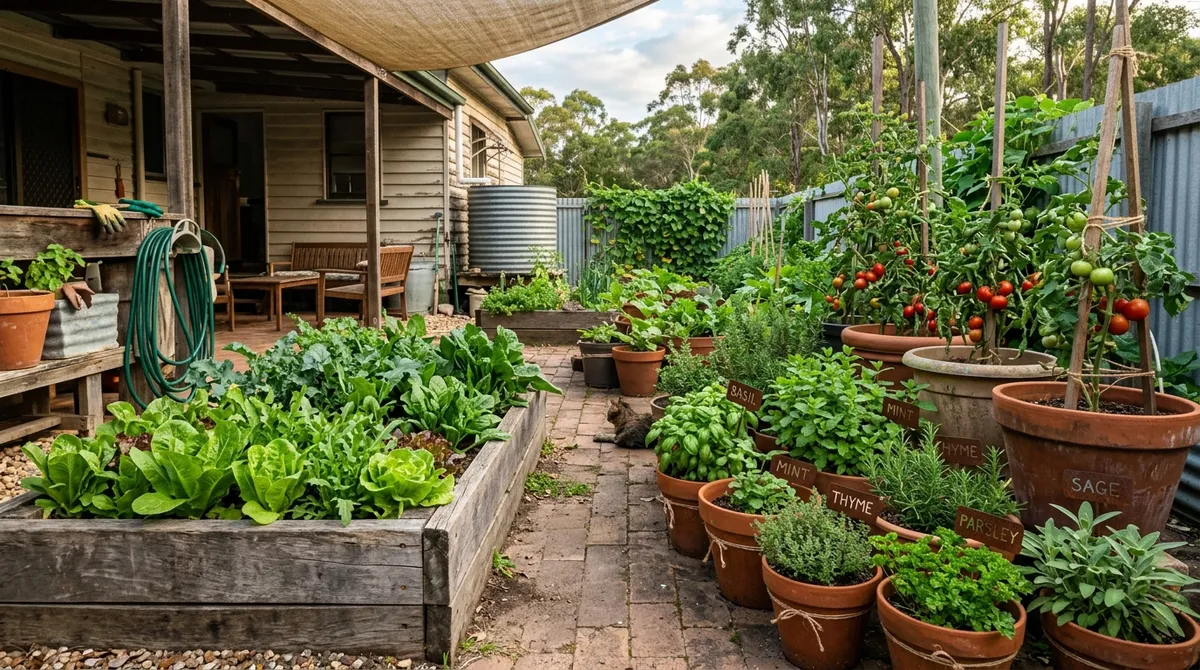
Potting mix is a made blend of bark, coir or peat and other materials, designed to hold water and air in a container. It is not the same as garden soil, which compacts and drains poorly in a pot. This guide explains what is in potting mix, how to choose a good bag, how much you need, how to reuse it, and how to handle it safely.
Quick answer
- Use potting mix in pots, not garden soil.
- A good mix is light, drains freely, holds moisture, and does not collapse and turn to mud within a season.
- You can reuse mix: remove old roots, refresh it with fresh mix and compost, and discard it if the last plant had disease.
- Always wet the mix before you handle it and wash your hands afterwards.
Potting mix, garden soil and compost compared
| Product | What it is | Use it for |
|---|---|---|
| Potting mix | A made blend of composted bark, peat or coir, perlite or similar, usually with added fertiliser and a wetting agent. | Containers, pots, window boxes, grow bags. |
| Garden soil | Soil dug from the ground. It is heavy and compacts in a pot, and can carry weeds and disease. | In the ground only. |
| Compost | Fully broken-down organic matter. Rich in nutrients but too dense on its own for pots. | Mixed into beds or into potting mix, up to about a quarter by volume. |
What is in a good potting mix
- Composted bark or coir. The main body, which holds air and water and breaks down slowly. Fresh, uncomposted bark can tie up nitrogen, so look for composted bark.
- Peat. Holds water well, but is dug from slow-forming wetlands, which is why many gardeners choose coir or peat-reduced mixes instead.
- Perlite, pumice or coarse sand. Keeps the mix open so water drains and air reaches roots. Perlite is the white, light, rounded grains you see in many mixes.
- Fertiliser. Most mixes have enough slow-release fertiliser for the first six to eight weeks. After that you need to feed.
- Wetting agent. Helps the mix take up water, since dry bark and peat can repel it.
Types of potting mix
| Type | Best for | Notes |
|---|---|---|
| General or all-purpose | Most vegetables, herbs and flowers in pots | A good default for any crop in the guides on this site. |
| Seed raising | Sowing seed and striking cuttings | Fine, low in nutrients, and holds moisture around small seeds. |
| Cactus and succulent | Succulents, rosemary, thyme and other dry-loving plants | Extra sand or grit, so it drains faster. |
| Citrus and fruit tree | Potted citrus and other fruit trees | Slow-release feed and open structure. |
| Acidic or ericaceous | Blueberries, camellias and azaleas | Lower pH, which blueberries need. See our soil pH guide. |
| Orchid | Orchids | Chunky bark, not suited to vegetables. |
How to choose a bag: the Australian Standard
Look for a bag that states it meets Australian Standard AS 3743, which sets requirements for potting mixes, including labelling and the safety directions discussed below. Many premium mixes show the standard's red tick on the bag, while cheaper mixes may not. A mix that meets the standard tends to hold its structure for a full growing season, whereas poorer mixes often shrink and turn to mud within a few months.
How much potting mix do you need?
| Container | Mix needed |
|---|---|
| Hanging basket or small pot, 20 cm wide | About 5 litres |
| Medium pot, 30 cm wide | About 14 litres |
| Large pot, 40 cm wide | About 30 litres |
| Half barrel or large grow bag, 50 cm wide | About 55 litres |
The figures are typical for tapered pots, and the volume is usually printed on the pot. Bags are sold by volume, and a 25 litre bag fills about two medium pots.
Reusing and refreshing potting mix
- Tip the old mix onto a tarp and remove old roots, stones and any pests.
- If the last plant had a disease such as blight or root rot, discard the mix or put it in a hot compost heap rather than reusing it in pots.
- Mix about half fresh potting mix with half old mix, and add some compost and a slow-release fertiliser according to the label.
- Do not reuse mix from tomatoes, capsicums or potatoes for the same crop family in the next season.
- If mix has set hard, or water runs straight past it, it is spent. Replace it.
If water runs straight through
Dry bark and peat can repel water. Soak the whole pot in a bucket of water for 15 to 30 minutes, until bubbles stop rising, then let it drain. A wetting agent helps prevent this, and mulching the surface slows drying.
Legionella and potting mix: how to handle it safely
Australian potting mix bags carry a warning about Legionella. This section follows advice from NSW Health, and the same advice is given by other state and territory health departments. Legionella bacteria live naturally in soil and potting mix, and most gardeners never have a problem. The risk comes from breathing in dust or fine droplets, so the aim is to keep the mix damp and avoid breathing dust.
- Read the warning on the bag before you open it.
- Wear gloves and a mask before opening the bag or touching its contents. A P2 or N95 type disposable mask is the usual advice.
- Open the bag carefully, with scissors or a knife, pointing it away from your face, and preferably outdoors or in a well-ventilated space.
- Dampen the mix with water before you handle it, to keep dust down, and handle it gently so you do not raise dust.
- Wash your hands with soap and water when you finish, even if you wore gloves.
- Store bags in a cool place, out of the sun.
- Take the same care with mulch, compost and soil products, since they can carry the bacteria too.
NSW Health says symptoms usually appear 2 to 10 days after exposure and can include fever, chills, headache, shortness of breath, a dry cough and muscle aches. If you think you might be unwell after handling potting mix or compost, see your doctor and tell them you have been gardening.
Source: NSW Health, Steps to avoiding Legionnaires' disease (health.nsw.gov.au). Other state health departments, including WA Health, publish similar guidance. Follow the instructions on the bag if they differ.
Which potting mix for which plant
| Plant | Mix to use | Pot detail |
|---|---|---|
| Tomatoes, chillies, capsicums | General or all-purpose mix, with a slow-release fertiliser | Large pot, 30 cm or more |
| Lettuce, rocket, spinach | General mix, moisture holding | Shallow trough, 15 cm deep |
| Basil, parsley, mint | General mix | 20 cm pot or larger |
| Rosemary, thyme, oregano, lavender | Cactus or herb mix, extra drainage | Terracotta suits |
| Blueberries | Acidic mix | 40 cm pot or larger |
| Seeds and cuttings | Seed raising mix | Small pots or trays |
Common potting mix problems
| What you see | Likely cause | What to do |
|---|---|---|
| Water runs straight down and out the base | Dry, hydrophobic mix | Soak the pot in a bucket, then top with mulch. |
| Mix has sunk well below the rim | Organic material has broken down | Top up with fresh mix. If it has sunk repeatedly, the mix is old and needs replacing. |
| Tiny flies hovering over the surface | Fungus gnats in constantly wet mix | Let the top layer dry between waterings. |
| White fuzzy growth on the surface | Harmless fungus in damp, rich mix | Scrape it off and let the mix dry a little. |
| Plant is yellow and growth is slow after two months | Starter fertiliser is used up | Begin regular feeding with a registered liquid fertiliser, following the label. |
Peat, coir and the environment
Peat is harvested from slow-forming wetlands, and many gardeners now choose mixes made with coir, a coconut by-product, or with peat-reduced blends. Coir holds water well but can be salty if it has not been washed, so look for washed or buffered coir. Whatever the base, buy the size of bag you will use within a season, and keep leftover mix in a closed bag in a cool, shaded place.
Frequently asked questions
What is the difference between potting mix and garden soil?
Potting mix is a made blend of bark, coir or peat and perlite that drains well and holds air in a pot. Garden soil is dug from the ground, compacts in pots and can carry weeds and disease.
Can I use garden soil in pots?
It is not recommended. Garden soil compacts, drains poorly and can bring weeds and disease into a pot. Use potting mix, and blend in a little compost if you wish.
Can I reuse potting mix?
Yes, if the last plant was healthy. Remove old roots, mix in fresh potting mix, compost and a slow-release fertiliser, and avoid reusing it for the same crop family. Discard mix from diseased plants.
How do I fix potting mix that repels water?
Soak the pot in a bucket of water for 15 to 30 minutes until bubbles stop rising, then let it drain. A wetting agent in the mix helps stop it happening again.
How long does potting mix last?
A good quality mix holds its structure for a full growing season, and usually needs refreshing or replacing after one to two years, when it has shrunk, set hard or stopped draining.
Is it safe to handle potting mix?
For most people yes, if you take simple precautions. Wear gloves and a mask, open bags away from your face, dampen the mix to keep dust down, wash your hands afterwards, and read the warning on the bag. NSW Health recommends these steps because potting mix can carry Legionella bacteria.
Related guides
See what to plant this month
Pick your region for a month-by-month calendar tuned to your climate.
Find your region →