Container Vegetable Gardening in Australia
Updated June 2026
Grow food on your balcony, patio, or courtyard with the right pots, soil, and plant choices
You do not need a backyard to grow your own vegetables. A sunny balcony, patio, courtyard, or even a few square metres of concrete can produce a surprising amount of food when you grow in containers. Pots give you control over soil quality, drainage, and positioning that in-ground gardens often lack.
This guide covers container choices, potting mix, the 15 best vegetables for pots, watering and feeding schedules, and specific tips for balcony growing in Australian conditions.
🌱 Plants in this guide: Basil, Parsley, Coriander, Mint, Chives, Rosemary and Thyme. Each plant profile has sowing times for your region, companion plants and common pests.
Choosing the Right Containers
Size matters
The biggest mistake in container gardening is using pots that are too small. Small pots dry out fast, overheat in the Australian sun, and restrict root growth. Use the largest containers you can fit in your space.
- Small pots (15 to 20 cm): Herbs, spring onions, radish, microgreens.
- Medium pots (25 to 35 cm): Lettuce, silverbeet, Asian greens, chillies, strawberries.
- Large pots (35 to 50 cm): Tomatoes, capsicum, eggplant, dwarf beans, cucumbers.
- Extra large pots or grow bags (50 cm+): Potatoes, pumpkin (dwarf varieties), zucchini.
Material comparison
Plastic pots are lightweight, cheap, and retain moisture well. They can overheat in direct sun, so light-coloured plastic is better than black in hot climates.
Terracotta pots look great and breathe well, keeping roots cool. They dry out faster than plastic and are heavy. Line the inside with plastic (with drainage holes) to slow moisture loss if needed.
Fabric grow bags provide excellent drainage and air-pruning of roots. They are lightweight and fold flat for storage. They dry out the fastest of all container types, so expect to water daily in summer.
Self-watering pots have a reservoir at the bottom that wicks water up to the roots. These are the best choice for balcony gardeners who work full time, as they can go 2 to 3 days between refills.
Polystyrene boxes (broccoli boxes from the greengrocer) are free, insulate roots well, and are a great size for leafy greens. Drill drainage holes in the base and they are ready to plant.
Potting Mix Recipe for Vegetables
Do not use garden soil in containers. It compacts, drains poorly, and often carries diseases. Use a quality potting mix as your base.
Look for potting mix with the Australian Standard red tick (AS3743). This guarantees the mix contains the right nutrients and drainage properties. Then improve it:
- 80% premium potting mix
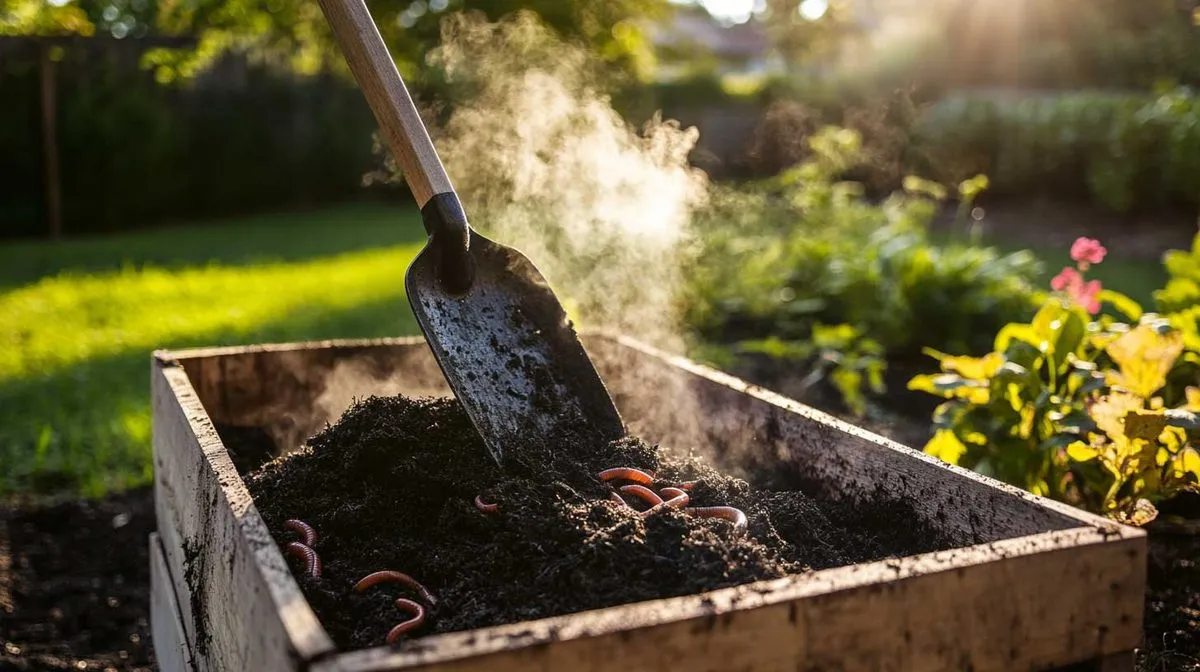
- 20% mature compost or worm castings
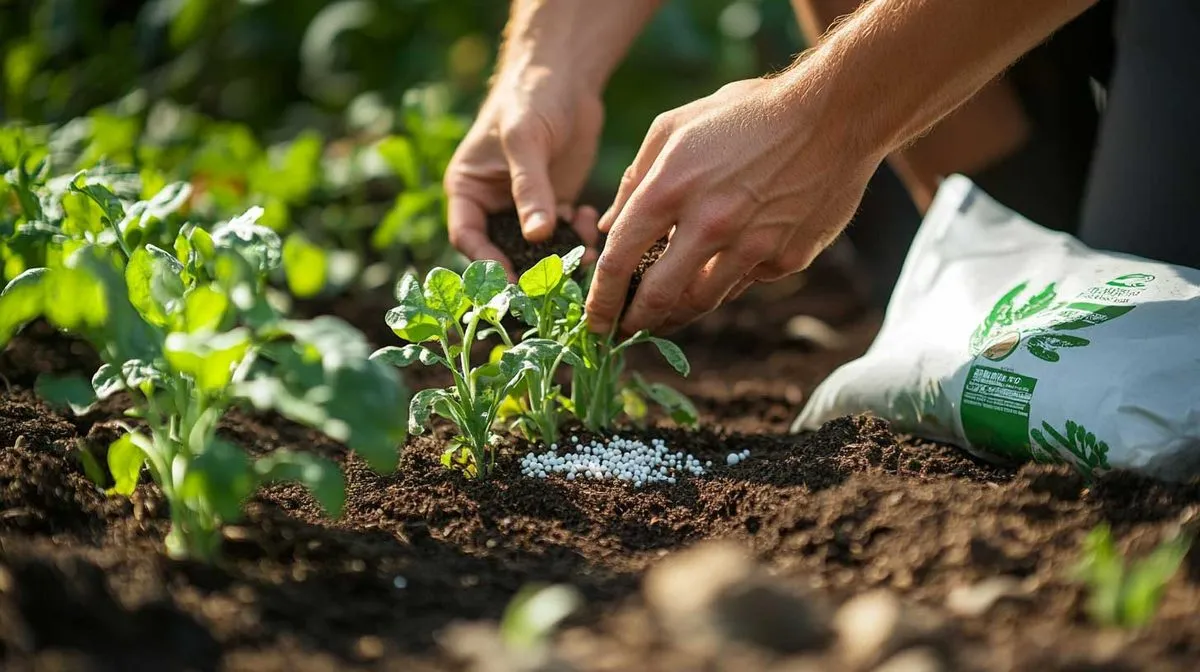
- A handful of slow-release fertiliser (per 30 cm pot)
- A sprinkle of rock minerals or blood and bone
Mix everything together before filling your pots. Water the mix thoroughly and let it settle before planting. Top up with fresh compost every 3 to 4 months. Replace the entire potting mix once a year, as old mix breaks down, compacts, and loses its structure.
15 Best Vegetables for Pots
These vegetables are proven performers in containers in Australian conditions. They are listed from easiest to more challenging.
1. Cherry Tomatoes
The single best container vegetable. Choose varieties like Tiny Tim, Patio Prize, or Sweet Bite. Use a 35 cm+ pot, full sun, and a small trellis or stake. One plant can produce hundreds of fruit over a season.
2. Lettuce and Salad Greens
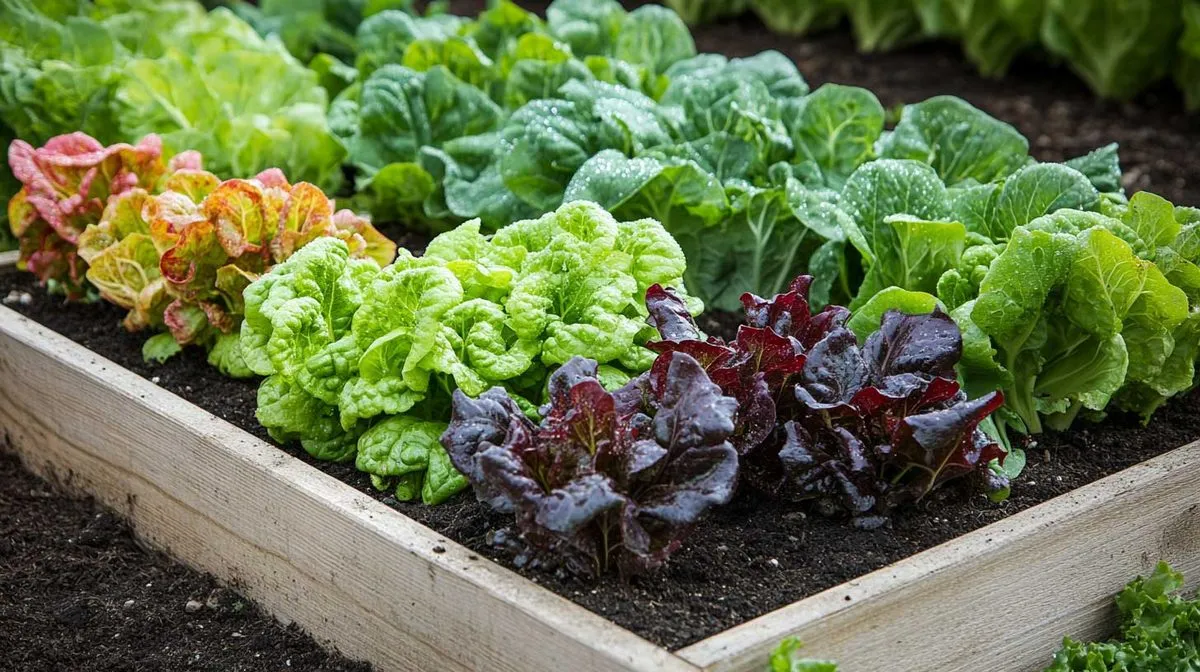
Fast-growing, shallow-rooted, and perfect for pots as small as 20 cm. Pick outer leaves as needed and the plant keeps producing for months. Grow in part shade during summer to prevent bolting.
3. Herbs (Basil, Parsley, Coriander, Mint, Chives)
Every container garden should include herbs. They grow well in 15 to 20 cm pots and are best planted right outside your kitchen door. Keep mint in its own pot as it spreads aggressively.
4. Chillies
Compact plants that thrive in hot conditions and produce heavily over a long season. A 25 cm pot is enough for most varieties. One chilli plant produces more than most families can use.
5. Spring Onions
Grow from seed in any pot 15 cm or deeper. Ready in 8 to 10 weeks. Cut at soil level and many varieties regrow from the base for a second harvest.
6. Silverbeet
A tough, productive leafy green that handles heat and cold. Pick outer leaves regularly. One plant in a 25 cm pot provides greens for months. Rainbow silverbeet looks beautiful on a balcony.
7. Radish
Ready in just 4 to 6 weeks from sowing. Grow in any container 15 cm deep. Sow a short row every 2 weeks for continuous harvests. A perfect gap-filler between slower crops.
8. Asian Greens (Bok Choy, Pak Choi, Tatsoi)
Fast, compact, and love the mild weather of autumn and spring. Grow in 20 cm+ pots. Ready to harvest in 6 to 8 weeks. Sow direct and thin seedlings to 10 cm apart.
9. Capsicum
Grows well in 30 cm+ pots in a warm, sheltered spot. Plants are compact and productive. Choose mini or snack capsicum varieties for the best container results. Needs full sun and regular feeding.
10. Dwarf Beans
Bush beans need no trellis and grow well in 30 cm pots. Sow 4 to 5 seeds per pot. Pick regularly to keep plants producing. Climbing beans work too if you have a balcony railing to climb.
11. Strawberries
Excellent in pots, hanging baskets, and strawberry towers. Use 20 cm+ pots with good drainage. Plants produce runners you can pot up for free new plants. Feed with potash-rich fertiliser when flowering.
12. Spinach
Grow in 20 cm pots in a spot with morning sun and afternoon shade. Bolts quickly in heat, so best planted in autumn, winter, and early spring. Baby spinach leaves are ready in 4 to 6 weeks.
13. Cucumber (Dwarf/Bush Varieties)
Bush cucumber varieties like Spacemaster grow well in 35 cm+ pots. Give them a small trellis or let them trail over the pot edge. Need consistent moisture and full sun.
14. Potatoes
Grow in large pots, grow bags, or even hessian sacks. Plant one seed potato in a 40 cm container, cover with 10 cm of soil, and keep mounding soil as the shoots grow. Harvest when foliage dies back.
15. Eggplant
Loves heat and grows well in 35 cm+ pots on a warm, north-facing balcony. Choose compact varieties like Fairy Tale or Slim Jim. Stake the plant as fruit can weigh branches down.
Watering Container Vegetables
Watering is the most critical skill in container gardening. Pots dry out much faster than garden beds, especially in the Australian summer heat.
How to check if pots need water
Push your finger 3 cm into the potting mix. If it feels dry at that depth, water thoroughly until water flows from the drainage holes. If it is still moist, leave it another day. The surface may look dry while the root zone is still damp.
Watering schedule
- Summer: Water once or twice daily, especially for small pots and fabric grow bags. Water early in the morning before the heat of the day.
- Spring and autumn: Water every 1 to 2 days, checking with the finger test.
- Winter: Water every 2 to 4 days. Overwatering in winter causes root rot. Reduce watering for dormant plants.
Watering tips
- Water the soil, not the leaves. Wet foliage in the afternoon promotes fungal disease.
- If potting mix has dried out completely and water runs straight through, sit the pot in a tray of water for 30 minutes to rehydrate from below.
- Mulch the surface of your pots with sugar cane mulch or pea straw to reduce evaporation.
- Group pots together to create a microclimate that slows drying.
Feeding Schedule
Container vegetables need more frequent feeding than in-ground plants because nutrients wash out of pots with every watering.
- At planting: Mix slow-release fertiliser into the potting mix. This provides baseline nutrition for 3 to 4 months.
- Every 2 weeks: Apply a liquid fertiliser (seaweed solution, fish emulsion, or worm casting tea). Dilute according to the label and apply when watering.
- When flowering and fruiting: Switch to a potash-rich fertiliser to support fruit development. Tomato and flower fertilisers are high in potash.
- Every 3 months: Top up with a handful of compost or worm castings per pot.
Signs of underfed container plants include yellowing lower leaves, slow growth, and poor fruit set. If you see these, increase the frequency of liquid feeding.
Balcony Gardening Tips
Balcony gardens have unique challenges and advantages compared to ground-level container gardens.
Wind
High-rise balconies are often windy. Wind dries out pots faster, damages foliage, and knocks over tall plants. Use heavy pots (terracotta or large plastic filled with wet soil), stake tall plants firmly, and position pots against walls for shelter. Avoid growing top-heavy plants like tall tomatoes on exposed high-rise balconies.
Weight limits
Check your building's balcony weight capacity before loading it with pots of wet soil. A 50 cm pot filled with wet potting mix can weigh 30 to 40 kg. Distribute pots around the edges of the balcony (where structural support is strongest) rather than clustering them in the centre. Fabric grow bags and plastic pots are lighter than terracotta.
Light
North-facing balconies receive the most sun in Australia. East-facing balconies get morning sun (good for leafy greens and herbs). West-facing balconies get hot afternoon sun (good for tomatoes and chillies but stressful for lettuce). South-facing balconies are the most challenging. Focus on shade-tolerant crops like lettuce, spinach, mint, parsley, and Asian greens.
Drainage
Use saucers under pots to catch runoff and prevent water dripping onto neighbours below. Empty saucers after rain to prevent mosquito breeding. Some buildings require a drip tray system. Check your strata rules before setting up your balcony garden.
Heat reflection
Concrete and glass on balconies reflect and trap heat, creating temperatures 5 to 10 degrees hotter than ground level. This benefits heat-loving crops like tomatoes and chillies but can stress other plants. Raise pots on pot feet or bricks to allow air circulation underneath, and use light-coloured pots to reduce heat absorption.
Growing Herbs in Containers
Herbs are the most rewarding container plants. They produce heavily in small spaces, taste best picked fresh, and save you money compared to buying plastic packets from the supermarket.
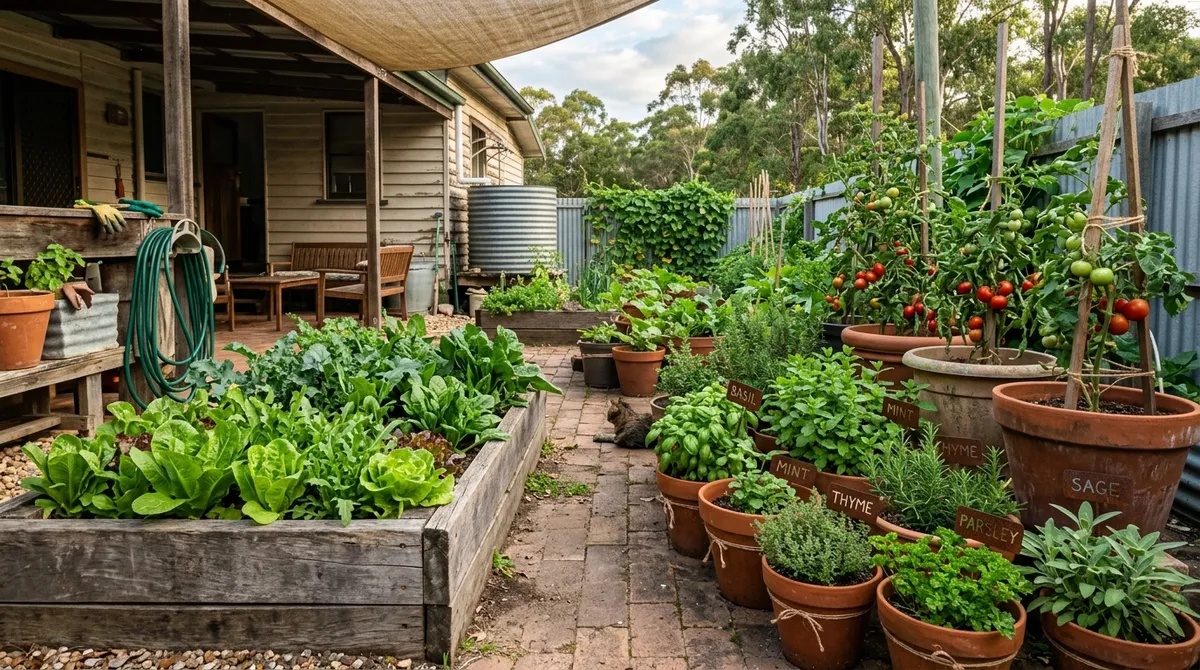
- Basil: Annual. Full sun, consistent moisture. Pinch out flower heads to keep leaves coming. Grows well with tomatoes in the same large pot.
- Parsley: Biennial. Sun to part shade. Tolerates cooler conditions. Cut outer stalks and it keeps producing for over a year.
- Coriander: Annual. Prefers cooler weather. Bolts in heat. Sow every 3 weeks for continuous supply. Use Vietnamese coriander in hot climates as it does not bolt.
- Mint: Perennial. Grows in shade. Spreads aggressively, so containers are the best place for it. Cut back hard when it gets leggy.
- Chives: Perennial. Sun to part shade. Cut to 2 cm above soil level and they regrow. The flowers are edible and attract pollinators.
- Rosemary: Perennial. Full sun, well-drained mix. Extremely drought-tolerant once established. Does not need much feeding. One plant lasts years in a pot.
- Thyme: Perennial. Full sun, well-drained mix. Let the soil dry out between waterings. Trim after flowering to keep the plant compact.
Common Container Gardening Mistakes
- Pots too small. Undersized pots restrict growth, dry out fast, and overheat. Go bigger than you think you need.
- No drainage holes. Water must be able to escape the bottom of every pot. Drill holes if necessary.
- Using garden soil. Garden soil compacts in pots and drains poorly. Always use a quality potting mix.
- Underwatering. Container plants need water far more often than in-ground plants. Check daily in warm weather.
- Forgetting to feed. Nutrients wash out of pots with every watering. Regular liquid feeding is essential for container vegetables.
- Too much shade. Most vegetables need at least 5 to 6 hours of direct sunlight. Position pots in your sunniest spot.
- Overcrowding. It is tempting to pack pots with plants, but overcrowding leads to competition, poor airflow, and weak growth. Follow the spacing guidelines on seed packets, even in containers.
Frequently Asked Questions
What vegetables grow best in pots?
The best vegetables for pots include cherry tomatoes, lettuce, herbs, chillies, capsicum, spring onions, radish, silverbeet, Asian greens, and dwarf beans. Choose compact or dwarf varieties bred for container growing.
How big should pots be for vegetables?
Leafy greens and herbs grow well in 20 cm pots. Tomatoes, capsicum, and chillies need at least 30 to 40 cm pots. Potatoes and large plants need 40 to 50 cm pots or grow bags. Bigger is always better for vegetable containers.
How often should I water vegetables in pots?
Most container vegetables need watering once a day in summer and every 2 to 3 days in cooler months. Check by pushing your finger 3 cm into the soil. If it feels dry at that depth, water thoroughly until it runs from the drainage holes.
Can you grow vegetables on a balcony?
Yes. Balconies that receive 5 or more hours of direct sunlight are suitable for most vegetables. North-facing balconies are ideal. Even east or west-facing balconies with 3 to 4 hours of sun can grow leafy greens, herbs, and spring onions.
What soil mix should I use for vegetable containers?
Use a premium potting mix that meets Australian Standard AS3743 (look for the red tick on the bag). Add 20 percent compost and a handful of slow-release fertiliser. Do not use garden soil in pots as it compacts and drains poorly.
Plant profiles
Each profile has sowing times for your region, companion plants and common pests.