
Chilli and Pepper Varieties Ranked by Heat and Use for Australian Gardens
Updated November 2026
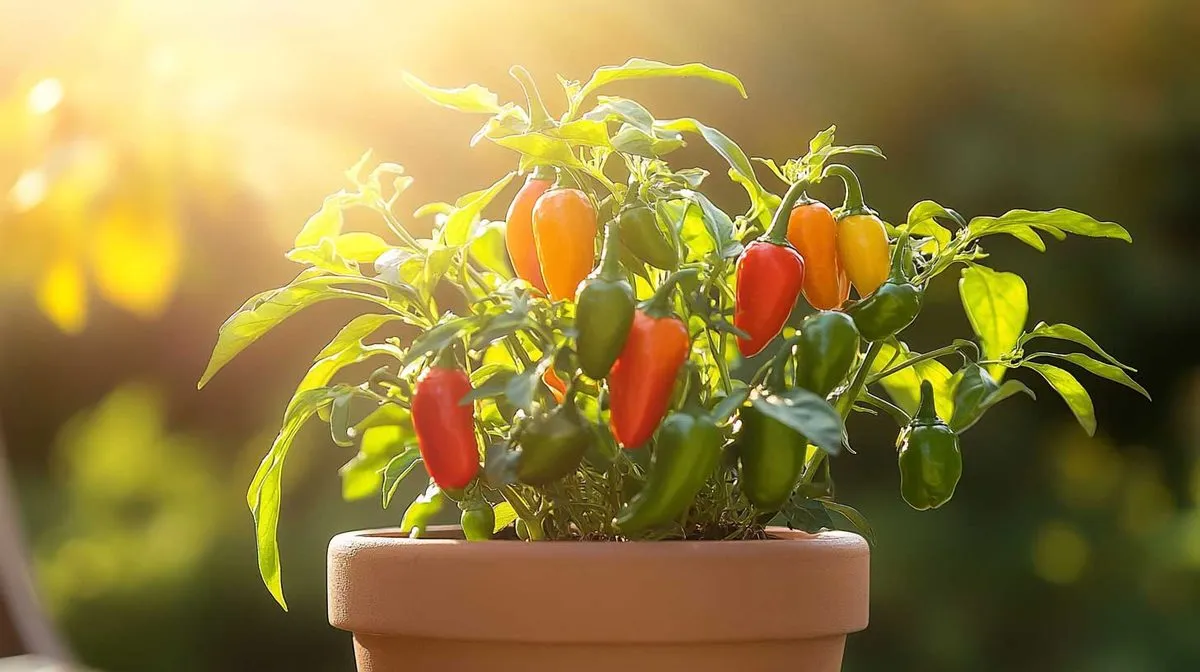
24 chillies and peppers ranked by heat, species and use, with difficulty in Australian gardens
Chillies and peppers are ranked here from sweet capsicum at the bottom to the Carolina Reaper at the top, with the species, the heat range and what each one is for. The heat figures are typical Scoville ranges, and they match the ones on our chilli heat scale page, so you can use that page's heat picker to sort and filter the same varieties.
There are five cultivated species. Annuum covers capsicum, jalapeno, shishito, cayenne and most everyday chillies. Chinense covers habanero, scotch bonnet and the superhots. Frutescens covers tabasco and piri piri, baccatum covers the aji types, and pubescens covers rocoto. Heat runs from 0 for a capsicum to over 2 million for a Reaper.
How to read the heat numbers
The Scoville scale measures the heat of a chilli in Scoville Heat Units (SHU). A sweet capsicum is 0, a jalapeno is about 2,500 to 8,000, a habanero is about 100,000 to 350,000, and the hottest superhots are over 1 million. The ranges in the table are typical figures, such as those published by the Chile Pepper Institute at New Mexico State University. The same plant can land anywhere within its range depending on sun, warmth and water, so treat the numbers as a guide and not a promise. Our heat scale guide explains how the scale works and how to push a variety towards the hot end.
The 24 chillies and peppers, ranked by heat
The table below runs from the mildest to the hottest. The difficulty column is for gardens in your country: easy means the variety crops in a normal warm summer, slow means it needs a long season, and very slow means it needs the longest season you can give it.
| Name | Species | Heat (SHU) | Ripe colour | What it is and main use | Difficulty in Australia |
|---|---|---|---|---|---|
| Capsicum | C. annuum | 0 | Red, yellow, orange | The sweet, thick-walled pepper with no heat. Salads, roasting, stuffing. | Easy |
| Pimento (cherry pepper) | C. annuum | 100 to 500 | Red | A small, sweet, heart-shaped pepper. Stuffing and pickling. | Easy |
| Banana pepper | C. annuum | 0 to 500 | Yellow to orange or red | A long, sweet and mild pale yellow pepper. Pickling, sandwiches, salads. | Easy |
| Shishito | C. annuum | 50 to 200 | Red | A small, thin-walled Japanese pepper, picked green. Blistered whole in oil. | Easy |
| Padron | C. annuum | 500 to 2,500 | Red | A small Spanish pepper, picked young and green. Fried whole as tapas. | Easy |
| Anaheim | C. annuum | 500 to 2,500 | Red | A long, mild chilli, the fresh form of the dried New Mexico chile. Roasting, stuffing. | Easy |
| Poblano (ancho) | C. annuum | 1,000 to 2,000 | Dark red | A broad, mild, dark green chilli. Stuffing and mole; dried, it is called ancho. | Easy |
| Hungarian wax | C. annuum | 1,000 to 15,000 | Yellow to red | A waxy, pale yellow chilli with a wide heat range. Pickling, frying, salsa. | Easy |
| Fresno | C. annuum | 2,500 to 10,000 | Red | A fruity chilli like a jalapeno that turns red. Salsa, fresh, pickling. | Moderate |
| Jalapeno | C. annuum | 2,500 to 8,000 | Red | The everyday medium chilli, thick-walled and glossy. Nachos, salsa, cooking. | Easy |
| Serrano | C. annuum | 10,000 to 25,000 | Red | A slim, crisp chilli hotter than a jalapeno. Fresh salsa and guacamole. | Moderate |
| Cayenne | C. annuum | 30,000 to 50,000 | Red | A long, thin-walled hot chilli. Drying, flakes, powder, sauce. | Easy |
| Rocoto (manzano) | C. pubescens | 30,000 to 100,000 | Red, orange or yellow | A thick-walled, apple-shaped chilli with black seeds and hairy leaves that copes better with cool weather. Stuffing and sauces. | Moderate |
| Aji limon (lemon drop) | C. baccatum | 15,000 to 30,000 | Yellow | A slim yellow chilli with a citrus note. Ceviche, sauces, fresh. | Slow |
| Aji Amarillo | C. baccatum | 30,000 to 50,000 | Orange | A fruity golden chilli central to Peruvian cooking. Sauces and stews. | Slow |
| Tabasco | C. frutescens | 30,000 to 50,000 | Red | A small, upright fruit, the chilli behind the famous sauce. Fermented hot sauce. | Moderate |
| Thai bird's eye | C. annuum | 50,000 to 100,000 | Red | A small, fiery chilli on a bushy plant. Stir-fries, curries, fresh. | Moderate |
| African bird's eye (piri piri) | C. frutescens | 50,000 to 100,000 | Red | A compact, very hot chilli, often grown as a perennial. Piri piri sauce, marinades. | Moderate |
| Datil | C. chinense | 100,000 to 300,000 | Yellow to orange | A habanero-strength chilli with a sweet, fruity edge. Sauces and jellies. | Slow |
| Habanero | C. chinense | 100,000 to 350,000 | Orange or red | A lantern-shaped chilli with fruity, floral heat. Hot sauce, salsa, marinades. | Slow |
| Scotch bonnet | C. chinense | 100,000 to 350,000 | Red, yellow or orange | A squat Caribbean chilli like a habanero but sweeter. Jerk and sauces. | Slow |
| Ghost (bhut jolokia) | C. chinense | 800,000 to 1,041,427 | Red | A superhot chilli from north-east India. Superhot sauces, used a sliver at a time. | Very slow |
| Trinidad Scorpion | C. chinense | 1,200,000 to 2,000,000 | Red | A superhot with a stinger tip. Extreme sauces, in tiny amounts. | Very slow |
| Carolina Reaper | C. chinense | 1,400,000 to 2,200,000 | Red | The record-holding superhot with a bumpy, tailed fruit. Extreme sauces. | Very slow |
One more name you will meet in recipes is chipotle. It is not a variety. A chipotle is a ripe red jalapeno that has been smoke-dried, so it has the same heat as a jalapeno with a deep smoky flavour.
The five species and what they mean for growing
Capsicum annuum
This is the species most gardeners start with. It includes sweet capsicum, banana pepper, shishito, padron, anaheim, poblano, hungarian wax, fresno, jalapeno, serrano, cayenne and the Thai bird's eye. The plants are reasonably quick, so they are the safest choice if your summer is short. Our capsicum guide covers the sweet end of this group.
Capsicum chinense
The habanero, scotch bonnet, datil and the superhots (ghost, Trinidad Scorpion, Carolina Reaper) are all chinense. They have the fruitiest flavours and the most heat, and they are also the slowest. Start them earliest and keep them warm.
Capsicum frutescens
Tabasco and African bird's eye (piri piri) belong here. They make small, upright, very hot fruit on a bushy plant, and piri piri is often grown as a perennial in warm gardens.
Capsicum baccatum
The aji types, such as aji amarillo and aji limon, are baccatum. They have a fruity, citrus-like flavour and a tall habit, and they are slow to ripen.
Capsicum pubescens
The rocoto is the odd one out. It has hairy leaves, purple flowers and black seeds, and it copes better with cool weather than the others, although it does not like frost and is not a quick crop.
Which chillies are sold in your country
Eden Seeds sells chilli seed to Australian gardeners, and its listings give days to maturity. Jalapeno is listed at 65 to 80 days, Long Red Cayenne at 70 to 75 days, Habanero Red at 95 days (with the plant described as slow growing), and Hungarian Yellow Wax Hot at 58 to 85 days, which Eden recommends for cooler areas. Eden also sells a paprika chilli. We did not find shishito or scotch bonnet seed in the listings we read, so look for those under their own names at your seed company or nursery.
Match the chilli to the job
- Sweet and mild for salads, roasting and stuffing: capsicum, banana pepper, shishito, padron, anaheim and poblano.
- Everyday medium heat for salsa and cooking: jalapeno, hungarian wax, fresno and serrano.
- Drying, flakes and powder: cayenne and Thai bird's eye, both thin-walled so they dry well on a string.
- Fermented hot sauce: tabasco, piri piri, habanero and scotch bonnet. See our hot sauce guide.
- Pots and balconies: most of the compact annuum and frutescens types. See chillies in pots.
- Bragging rights: the superhots, in tiny amounts. Wear gloves, and keep hands away from your face while you work.
Child pages for the biggest searches
Each of these answers what the chilli is before it covers how to grow it.
- Habanero, the benchmark hot chilli and a close cousin of the scotch bonnet.
- Jalapeno, the everyday medium chilli.
- Serrano, hotter and crisper than a jalapeno.
- Banana pepper, the sweet, mild pickling pepper.
- Anaheim, the long mild roasting chilli.
- Hungarian wax, the waxy yellow chilli with a wide heat range.
When to sow chillies in your region
Every species takes a long time to get going, so the sowing month is the main deadline for the slow types. The table below comes from the live Planting Season data and is for chilli in general. Slow types such as habanero and the superhots should be sown at the early end, or earlier and under cover.
| Region | Sowing months |
|---|---|
| South East Queensland | Aug to Feb |
| Northern Rivers NSW | Sep to Feb |
| Sydney & Coastal NSW | Jul to Nov |
| Melbourne & Victoria | Oct to Dec |
| Adelaide & SA | Aug to Oct |
| Perth & WA | Aug to Sep |
| Tasmania | Sep to Oct |
| Canberra & ACT | Oct to Nov |
| North Queensland | Apr to Sep |
| Darwin & Top End | Apr to Aug |
The planner uses about 90 days to harvest and a spacing of 45 cm. Our regional pages list what to sow where you live, starting with the South East Queensland and Sydney hubs.
Most of Australia has enough summer for the medium and hot types if you start them early. In the warm north, South East Queensland and the Northern Rivers have the longest season, and even the slow habanero and scotch bonnet types will ripen outdoors. In Melbourne, Tasmania and the cooler south, choose the earlier annuum types or grow the slow ones in pots in the warmest spot you have.
Growing basics that apply to every variety
Chillies and peppers want warmth and full sun, a free-draining soil and steady feeding once they flower. They are tender, so a frost will kill them, and chilli seed is slow to germinate in cold soil. Use a seed raising mix, keep it warm, and read our how to grow chilli and growing hot peppers guides for feeding, watering and picking. For a balcony or a short season, chillies in pots shows the pot size and the position.
For more heat, give the plant full sun and a lean finish: ease back on watering once fruit has set, and let the fruit ripen all the way to its final colour on the plant. Picking green keeps the plant cropping, while leaving fruit to ripen gives you the most heat and sweetness. See the chilli plant page for companion plants and pests.
Questions
What is a shishito pepper?
A shishito is a small, thin-walled, mild Japanese pepper, usually picked green and blistered whole in a hot pan with oil. It sits at about 50 to 200 Scoville Heat Units, though now and then one is noticeably hotter. It grows easily in a warm garden or a pot.
What is a scotch bonnet?
A scotch bonnet is a squat, lantern-shaped Caribbean chilli of the species Capsicum chinense, in the same heat band as a habanero at about 100,000 to 350,000 Scoville Heat Units. It tastes sweeter and fruitier, which is why it is used in jerk cooking.
How hot is a habanero compared with a jalapeno?
A habanero is roughly 100,000 to 350,000 Scoville Heat Units and a jalapeno is about 2,500 to 8,000, so a habanero is many times hotter. See our heat scale page for the full comparison.
What does Scoville mean on a chilli?
The Scoville scale measures how hot a chilli is, in Scoville Heat Units, from 0 for a sweet capsicum to over 2 million for the hottest superhots. The figures are typical ranges, because the same plant can be hotter or milder depending on how it is grown.
Which chilli is easiest to grow in Australia?
Jalapeno, cayenne, Hungarian wax and shishito are the easiest, because they crop well in a normal warm summer. The habanero and scotch bonnet types are slower and need a long warm season.
Sources
- Eden Seeds Chilli Jalapeno (days to maturity)
- Eden Seeds Chilli Long Red Cayenne
- Eden Seeds Chilli Habanero Red
- Eden Seeds Chilli Hungarian Yellow Wax Hot
- Chile Pepper Institute, New Mexico State University (Scoville ranges and species)
Plant profile
The chilli profile has sowing times for your region, companion plants and common pests.