
Banana Pepper: What It Is, How Hot It Is and How to Grow It in Australia
Updated November 2026
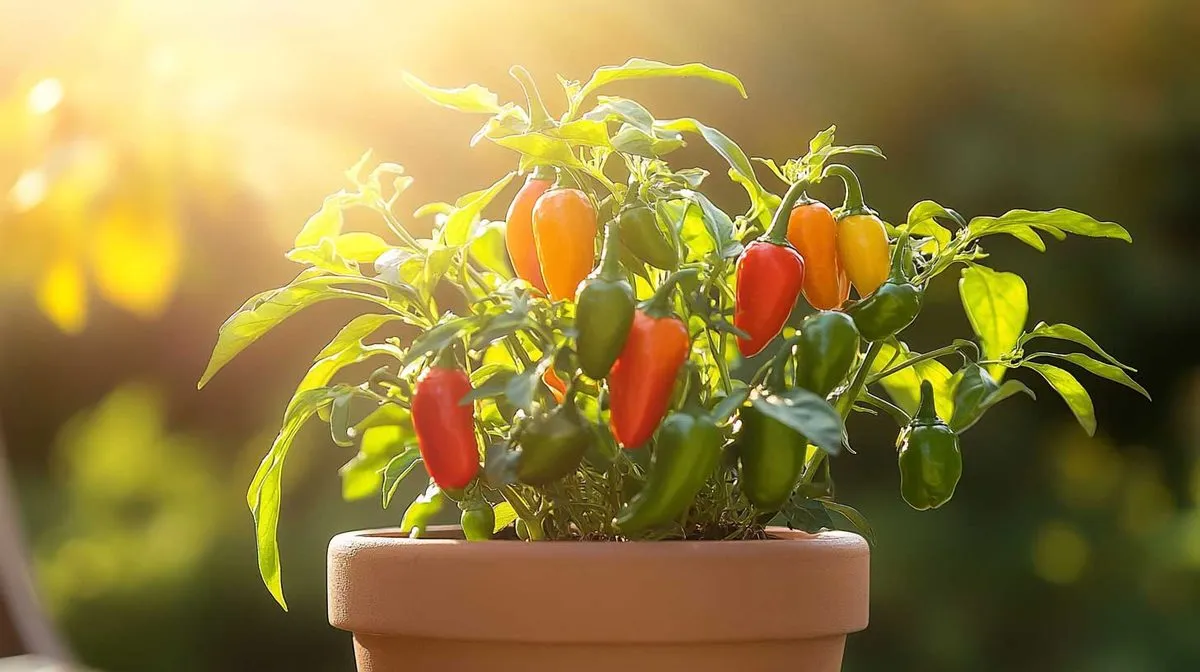
The mild yellow pepper for pickling and stuffing, and how it differs from a hot banana or a Hungarian wax.
A banana pepper is a mild, yellow, banana-shaped fruit of the species Capsicum annuum, the same species as capsicum, jalapeno and cayenne. The sweet banana pepper (also sold as sweet banana chilli) sits at roughly 0 to 500 Scoville units, so most people find it sweet with a faint tang. A hot banana pepper is a hotter selection of the same shape. In Australia you grow either one much like a capsicum: warm soil, full sun and a long season.
Short answer: banana peppers are easy, compact and heavy croppers. Sow the seed warm in spring, plant out after frost, and pick the fruit pale yellow for a crisp mild pepper or wait for orange and red for a sweeter one. This page covers what they are, how hot they are, and how to grow them in each Australian region. It is one of the child pages of our chilli and pepper varieties guide.
What a banana pepper is
The name describes the fruit, not the plant. A banana pepper is long, gently curved and tapered, usually 10 to 15 cm, with thick, waxy skin. The Seed Collection describes the 'Sweet Banana' it sells as starting pale yellow and maturing red, on compact plants about 60 cm tall. Because the walls are thick and the pith carries almost no heat, the fruit is crunchy and holds its shape when pickled or stuffed.
Two different things are sold under the banana pepper name, and the confusion causes most of the disappointment:
- Sweet banana pepper (also called sweet banana chilli or banana capsicum). Heat is effectively zero to very mild. This is the one on sandwiches and in jars on the supermarket shelf.
- Hot banana pepper. A selection with the same shape and a noticeable kick. Seed packets labelled this way are sometimes sold as hot banana or banana chilli, and the heat can sit anywhere from mild to around the level of a mild jalapeno.
Always read the packet. If the seller does not state a heat rating, treat the fruit as mild but taste a small piece before cooking a big batch. Heat also moves with the season: hot, dry, sunny weather and a little water stress push any chilli toward the top of its range, as our chilli heat scale guide explains.
How hot is a banana pepper?
The heat scale guide on this site places banana pepper at 0 to 500 Scoville Heat Units (SHU). That is the sweet type. The table compares it with its look-alikes and a benchmark, using the same figures as our heat scale picker. A jalapeno at roughly 2,500 to 8,000 SHU is the everyday benchmark.
| Pepper | Heat (SHU) | Colour as it ripens | Best use |
|---|---|---|---|
| Sweet banana pepper | 0 to 500 | Pale yellow, then orange and red | Pickling, sandwiches, salads, stuffing |
| Anaheim | 500 to 2,500 | Green, then red | Roasting, stuffing, sauces |
| Hungarian wax | 1,000 to 15,000 | Pale yellow, then orange and red | Pickling, frying, salsa |
| Jalapeno | 2,500 to 8,000 | Green, then red | Fresh, pickled, smoked |
The Scoville scale is a measure of capsaicin concentration. Seed sellers such as The Seed Collection also use a simple one to ten heat rating on their listings, which is easier to read at a glance but less exact than SHU.
Banana pepper or Hungarian wax?
This is the most common mix-up, and it is easy to see why. Both are Capsicum annuum, both are long and pale yellow when young, and both ripen to orange then red. The difference is mostly heat and the fruit wall:
- A sweet banana pepper is sweet to very mild, with a thick wall and a slightly curved, banana-like shape.
- A Hungarian wax pepper is mild to hot, with a thinner, waxier skin, a more pointed tip and fruit that carry real heat in the pith.
If you pick up an unlabelled yellow pepper at a market stall, a good test is to nibble a small piece of the pith near the stem. A sweet banana tastes of sugar and crunch. A wax pepper warms the mouth within seconds.
Flavour, colour and kitchen use
Banana peppers taste mild and slightly sweet, with a clean, tangy edge when they are picked pale. As the fruit ripens through orange to red, the sugars rise and the tang fades, so a red banana pepper is sweeter and softer than a yellow one. Most gardeners pick across the whole range, harvesting early to keep the plant producing and leaving the last fruit of the season to colour up.
In the kitchen the thick walls suit slicing raw into salads and sandwiches, pickling in rings, and stuffing whole. We do not give preserving recipes on this page, so see our preserving section for tested methods before you put any pepper in a jar.
When to sow banana peppers in Australia
The sweet banana pepper grows like a capsicum, so the best guide to timing is the capsicum data. Our capsicum plant page carries the same figures. The months below come straight from the live planting data.
| Region | Sowing months |
|---|---|
| South East Queensland | Aug to Feb |
| Northern Rivers NSW | Sep to Feb |
| Sydney & Coastal NSW | Jul to Nov |
| Melbourne & Victoria | Oct to Dec |
| Adelaide & SA | Aug to Oct |
| Perth & WA | Jul to Sep |
| Tasmania | Sep to Oct |
| Canberra & ACT | Oct to Nov |
| North Queensland | Apr to Aug |
| Darwin & Top End | Apr to Jul |
If you are growing a hot banana type, use the chilli months on the chilli plant page instead, since a hot selection behaves more like a chilli. The two sets overlap a great deal, so in practice the safe window is the same: the weather has warmed, frost is gone and nights stay mild.
Never plant out into cold soil. Banana peppers are frost tender, and a single frost on young plants will kill them. Check the last frost date for your area on our frost dates page, then count back to decide when to sow indoors. In the tropics (Darwin and North Queensland) the cooler, drier months are the main growing window because the wet season is too humid for good fruit set.
Germination and raising seedlings
The Seed Collection gives an ideal soil temperature of 22 to 35 degrees for 'Sweet Banana', with germination in 7 to 21 days. That is warm, which is why indoor sowing on a heat mat or a bright, warm windowsill works so well in cooler regions.
- Fill a seed tray with a fine seed-raising mix and sow the seed about 5 mm deep.
- Keep the mix evenly damp and warm. Cover the tray to hold humidity until the first seedlings appear.
- Give the seedlings strong light as soon as they emerge so they do not stretch.
- Pot them on when they are 5 to 10 cm tall, and harden them off for a week before planting out.
Slow or patchy germination is nearly always a temperature problem rather than a seed problem. Our guide to why seeds will not germinate covers the common causes.
Days to first fruit
Seed sellers usually count days from planting out rather than from sowing, so add the weeks the seedling spends in the tray. The Seed Collection lists 58 to 75 days for 'Sweet Banana', and Local Seeds lists about 60 to 75 days. Our live data gives 90 days to harvest for chilli in general, which allows for full ripening to red. Expect the first pale yellow fruit well before that, and red fruit toward the end of the range or later in a cool summer.
Plant size, spacing and staking
Banana pepper plants are compact, about 60 cm tall according to The Seed Collection, which suggests 50 cm between plants and 100 cm between rows. In a bed that works out to a tidy, productive hedge. A heavy crop of long fruit makes the branches brittle, so a single stake and a loose tie save a lot of snapped stems, especially in windy gardens. The same seller notes that some plants may need staking.
Growing banana peppers in pots
The compact habit makes banana peppers one of the better choices for containers. Use a pot at least 30 cm across with a good potting mix, put it in the sunniest spot you have and water as soon as the top of the mix dries. Pots dry out quickly in a heatwave, so check them daily in summer. Full container advice is in our guide to chillies in pots, and the same rules apply here.
Feeding and watering
Banana peppers are heavy croppers and respond to steady feeding. Dig compost into the bed before planting, then feed with a balanced fertiliser when the first flowers appear and again every few weeks while fruit sets. Too much nitrogen early gives a leafy plant with few flowers.
Water regularly and deeply, aiming for an even supply. Swings between dry and soaking soil cause blossom end rot, which shows as a sunken, leathery patch at the base of the fruit. If you see it, read our page on blossom end rot. Mulch the soil to keep the moisture steady, and keep the mulch off the stem.
Picking: pale or ripe?
You can pick banana peppers at any stage. A pale yellow fruit about 12 to 15 cm long is ready for pickling and salads. Leave a few fruit on the plant to turn orange then red for a sweeter flavour. Picking regularly is the best way to keep the plant flowering, which is why the seed listings all say to pick often. Use scissors or secateurs rather than pulling, because the branches snap easily.
Pests and problems
Seed sellers flag aphids and powdery mildew as the usual trouble with banana peppers, and our pest pages cover the common ones:
- Aphids cluster on soft new growth and can spread virus. Hose them off early and encourage predators.
- Thrips and spider mite thrive in hot, dry spells and scar leaves and fruit.
- Whitefly are common on potted plants against warm walls.
- Powdery mildew shows as a white coating on leaves in humid weather with poor airflow.
Fruit fly is the big one for ripe fruit. Our fruit fly tracker lists the status for each region. It shows fruit fly as established in South East Queensland, Northern Rivers, Sydney, Melbourne, Canberra, North Queensland and the Top End, Perth as having Mediterranean fruit fly, and Adelaide and Hobart as free of it. Where fruit fly is active, pick pale, bag or net the plants, and clear any fallen fruit. For registered controls, follow the label and your state department of agriculture.
Varieties sold in Australia
Banana pepper seed is easy to find, and the named varieties are mostly open-pollinated lines rather than hybrids. These are the listings we read:
- Sweet Banana: The Seed Collection lists 'Capsicum Sweet Banana' at 58 to 75 days, compact plants to about 60 cm and fruit to about 15 cm. Local Seeds also sells a Sweet Banana Pepper with 60 to 75 days to maturity and germination in 7 to 14 days. ABSeeds lists the variety too, though without a maturity time.
- For a hot banana type, look for seed labelled hot banana or hot wax and read the heat rating. Hungarian wax is the best known hot yellow pepper in this shape.
Availability changes, so check stock and any state restrictions on the seller page. Some sellers do not post seed to Western Australia or Tasmania.
Saving seed
Banana peppers are Capsicum annuum, and every annuum variety can cross with another in the garden. Insects do much of the crossing. If you grow a sweet banana beside a hot wax or a cayenne, the seed you save may give hotter fruit than you expect. To keep a line true, grow only one annuum variety, bag a few flowers before they open, or separate varieties by a good distance. Save seed from fully ripe red fruit, dry it on a plate out of the sun and store it cool and dry. Our seed saving guide covers the method.
Related guides
For general advice on the whole group, see how to grow chilli, growing hot peppers and how to grow capsicum. For the mild-to-hot comparison, see Anaheim chilli and Hungarian wax pepper.
Questions
Is a banana pepper hot?
A sweet banana pepper is very mild, about 0 to 500 Scoville Heat Units. A hot banana pepper is a hotter selection of the same shape, so read the seed packet for the heat rating.
Is a banana pepper the same as a banana chilli?
The names are used for the same type of long yellow Capsicum annuum. Sweet banana chilli means the mild form, and hot banana means a hotter selection.
Is a banana pepper the same as a Hungarian wax pepper?
No. They look alike, but a Hungarian wax has thinner skin and ranges from mild to hot (about 1,000 to 15,000 SHU), while a sweet banana pepper is sweet and thick-walled.
When do I pick banana peppers?
Pick when pale yellow and 12 to 15 cm long for a crisp mild pepper, or leave them to turn orange and red for a sweeter fruit. Picking often keeps the plant flowering.
Can I grow banana peppers in pots?
Yes. The plants are compact, about 60 cm tall, and suit a pot at least 30 cm wide in full sun. Water often in summer and stake heavily laden plants.
Can I save banana pepper seed?
Yes, from fully ripe red fruit. Peppers of the same species cross easily, so grow only one Capsicum annuum variety or bag the flowers if you want seed that comes true.
Sources
- The Seed Collection: Capsicum Sweet Banana
- Local Seeds: Sweet Banana Pepper
- Planting Season: Chilli and Pepper Heat Scale
Plant profile
The chilli profile has sowing times for your region, companion plants and common pests.