
Hungarian Wax Pepper: Heat, Banana Pepper Differences and How to Grow It
Updated November 2026
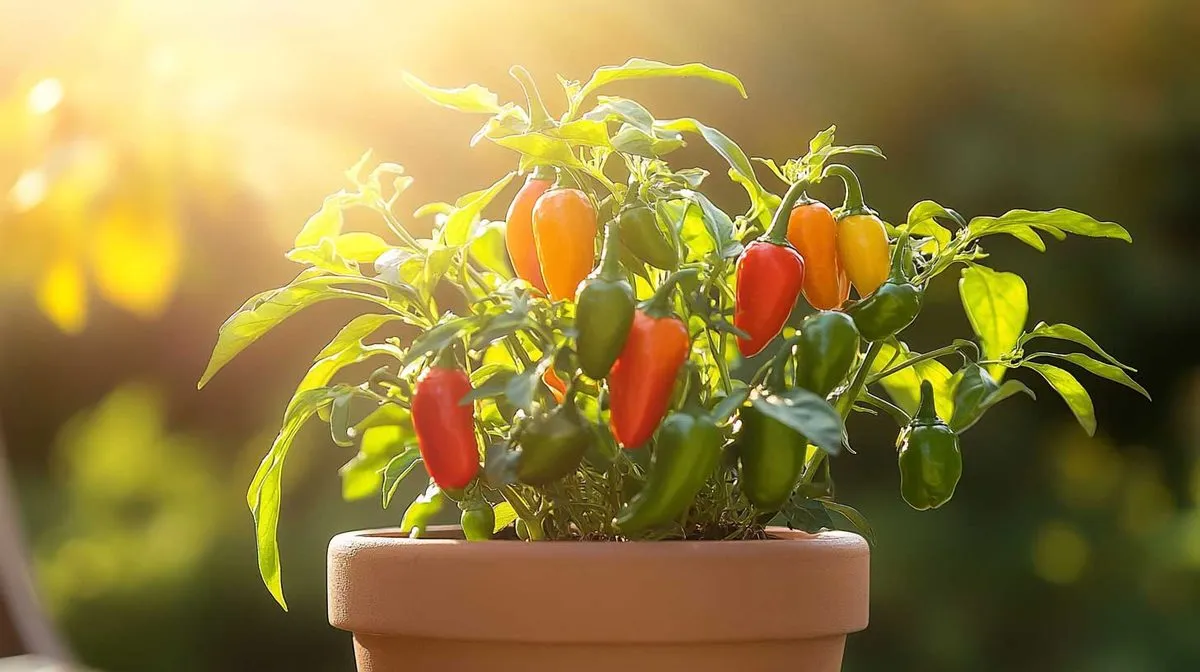
The yellow pepper with some kick, how it differs from a banana pepper, and how to grow it in Australia.
Hungarian wax pepper (also sold as Hungarian hot wax or Hungarian wax chilli) is a medium-heat Capsicum annuum with long, waxy, pale yellow fruit that ripen through orange to red. On our heat scale it runs from about 1,000 to 15,000 Scoville units, which is a wide range: a pale yellow fruit can be barely warm, and a fully red one can be as hot as a good jalapeno. It looks very like a banana pepper but carries more heat, a thinner wall and a more pointed tip.
Short answer: choose a Hungarian wax if you want a yellow pepper with some kick for pickling, frying and salsa. It is an easy, productive plant, and the fruit is ready weeks before most chillies. The mild banana pepper is the sweet look-alike. See the chilli and pepper varieties guide for the full group.
What a Hungarian wax pepper is
The Seed Collection describes 'Hungarian Yellow Wax' as long yellow tapered fruit with a waxy finish that mature red, up to about 20 cm, and rates its heat as medium, 4 out of 10. The wax in the name is the glossy, almost translucent skin of the young fruit. Because it is a thinner-walled pepper than a banana pepper, it fries and pickles quickly and breaks down well in salsa.
How it differs from a banana pepper
The two are the most frequently swapped peppers at markets and in seed catalogues. Both are Capsicum annuum, both are pale yellow when young and both turn red. The differences are practical:
| Hungarian wax | Sweet banana pepper | |
|---|---|---|
| Heat | About 1,000 to 15,000 SHU, mild to hot | About 0 to 500 SHU, sweet |
| Skin and wall | Thin, waxy, glossy | Thicker, crisp |
| Shape | Longer, more pointed tip | Shorter, gently curved, blunt tip |
| Plant | Medium, may need staking | Compact, about 60 cm |
| Best for | Pickling with heat, frying, salsa | Sandwiches, salads, stuffing, mild pickles |
If you want a mild yellow pepper, read our banana pepper page. If you like some warmth, grow the wax. If you are not sure which you have, taste a small piece of pith, because the heat sits there.
Heat range in more detail
A Hungarian wax is one of the most variable chillies on the heat scale, and the picking stage matters. Our heat scale guide lists it as 1,000 to 15,000 SHU and says the heat varies a lot with ripeness, from a mild green-yellow to a hot yellow-red. Other sources quote narrower bands, and none of them is wrong, because the season, the water supply and the stage of the fruit all shift the result. For comparison:
- A sweet banana pepper sits at 0 to 500 SHU.
- An Anaheim sits at 500 to 2,500 SHU.
- A jalapeno sits at roughly 2,500 to 8,000 SHU.
Heat usually builds as the fruit colours, and hot weather with a little water stress pushes it higher. Plan on the red fruit being the hottest you will pick.
Flavour, colour and use
Pale yellow fruit are crisp, bright and slightly tangy, with a clean, grassy heat. Orange fruit are sweeter and warmer. Red fruit are the sweetest and hottest of the three. In the kitchen the wax pepper is often pickled in rings, fried in a pan whole or sliced into salsa and relishes. This page does not give preserving recipes, so use a tested method from our preserving section before you jar any peppers.
When to sow Hungarian wax in Australia
Treat it as a chilli. The months below come from the live planting data for each region, and the same table sits on the chilli plant page.
| Region | Sowing months |
|---|---|
| South East Queensland | Aug to Feb |
| Northern Rivers NSW | Sep to Feb |
| Sydney & Coastal NSW | Jul to Nov |
| Melbourne & Victoria | Oct to Dec |
| Adelaide & SA | Aug to Oct |
| Perth & WA | Aug to Sep |
| Tasmania | Sep to Oct |
| Canberra & ACT | Oct to Nov |
| North Queensland | Apr to Sep |
| Darwin & Top End | Apr to Aug |
Hungarian wax is an early type, which makes it a good bet for cooler regions with a short summer, such as Melbourne, Canberra and Tasmania. Even so, it is frost tender, so wait until your last frost has passed. Look up the date for your area on the frost dates page. In the tropics, aim for the cooler, drier months and keep water even.
Germination
The Seed Collection lists an ideal soil temperature of 22 to 35 degrees and germination in about 7 to 21 days, with about 140 seeds per gram. Sow about 5 mm deep and keep the mix warm and damp. The most common reason for slow seed is a cold windowsill, not poor seed. A heat mat in early spring gets plants to a good size in time for planting out.
Days to first fruit
Seller figures vary because they count from different starting points and for different colours:
- Green Harvest lists about 58 days for pale yellow fruit and about 83 days for red fruit (from the search listing for its Hungarian Hot Wax; we could not open the page itself, so check the seller page).
- The Seed Collection gives 60 to 90 days, which it calls approximate.
- Australian Seed gives 10 to 12 weeks.
- Seeds of Plenty lists 70 to 110 days to harvest.
The best reading is that yellow fruit comes first, usually about two months from planting out, and red fruit comes a month or so later. Our live data gives 90 days to harvest for chilli in general.
Plant size, staking and spacing
The Seed Collection does not state a height for Hungarian wax, so treat it as a medium plant and allow about 50 cm between plants and 100 cm between rows, which is its stated spacing. The plants carry a heavy load of long fruit, and sellers note that some plants may need staking. A single stake and a loose tie solve it.
Pots
Hungarian wax does well in a large pot of at least 30 to 35 cm, in a sunny, sheltered spot. A pot suits cooler regions because you can move it against a wall for warmth. Full instructions are in our guide to chillies in pots.
Feeding and water
Feed with a balanced fertiliser when flowers begin and every few weeks through fruiting. Water deeply and regularly, because the thin-walled fruit is quick to show water stress, and uneven watering brings blossom end rot. A layer of mulch helps hold the moisture.
Picking pale or ripe
Pick when the fruit is full size and pale yellow for a milder pepper. Leave it on to turn orange, then red, for more heat and sweetness. Picking often keeps the plant flowering, so do not let a lot of fruit sit on the plant at once. Cut the stalk with scissors.
Pests and problems
The seller notes warn of aphids and mildew. The same chilli pest pages apply:
- Aphids on new growth.
- Spider mite and thrips in hot, dry weather.
- Powdery mildew in humid, still air.
Fruit fly attacks ripening fruit. Our fruit fly tracker lists it as established in South East Queensland, Northern Rivers, Sydney, Melbourne, Canberra, North Queensland and the Top End, with Mediterranean fruit fly in Perth. Adelaide and Hobart are listed as free. Where it is active, pick pale, since the yellow stage is picked before the fruit softens.
Varieties sold in Australia
- Hungarian Yellow Wax, The Seed Collection: 60 to 90 days, medium heat at 4 out of 10, fruit to about 20 cm. The listing was sold out when we read it.
- Chilli Hungarian Hot Wax, Green Harvest: 58 to 83 days depending on colour, per the listing summary.
- Chilli Hungarian Hot Wax, Australian Seed: 10 to 12 weeks.
- Chilli Pepper Hungarian Hot Mix, Seeds of Plenty: 70 to 110 days, sold as a mix, so heat may vary between plants.
Stock changes often. Check the seller page, and note that some sellers do not ship to Western Australia or Tasmania.
Saving seed
Hungarian wax is Capsicum annuum, so it crosses readily with banana pepper, Anaheim, jalapeno and cayenne. A sweet banana pepper grown beside a wax is the classic accident, giving a sweet plant with hot offspring. Grow one variety at a time, bag flowers, or separate varieties. Save seed from fully red fruit and dry it out of the sun. Our seed saving guide explains how.
Related guides
See how to grow chilli and growing hot peppers for the basics, and Anaheim chilli for the milder cousin.
Questions
How hot is a Hungarian wax pepper?
About 1,000 to 15,000 Scoville Heat Units, so mild to hot. Pale yellow fruit are milder and red fruit are the hottest.
What is the difference between a Hungarian wax and a banana pepper?
A Hungarian wax is hotter, has thinner skin and a more pointed tip. A sweet banana pepper is sweet, thick-walled and gently curved.
Is Hungarian wax a chilli or a capsicum?
Both belong to Capsicum annuum. A Hungarian wax is grown and sold as a chilli because it carries heat.
How long does a Hungarian wax take to fruit?
Sellers give about 58 to 83 days for yellow to red fruit, or 60 to 90 days overall, counted from planting out. Allow extra for the seedling stage.
Can I grow Hungarian wax in a cool climate?
Yes, it is an early chilli and suits short summers. Sow warm indoors, plant out after frost and give it a sunny, sheltered spot.
Will Hungarian wax cross with banana pepper?
Yes. Both are Capsicum annuum, so saved seed from plants grown side by side may not come true.
Sources
- The Seed Collection: Chilli Hungarian Yellow Wax
- Green Harvest: Chilli Hungarian Hot Wax
- Australian Seed: Chilli Hungarian Hot Wax
- Planting Season: Chilli and Pepper Heat Scale
Plant profile
The chilli profile has sowing times for your region, companion plants and common pests.