
Serrano Chilli: Heat, Flavour and How to Grow Serrano Peppers in Australia
Updated November 2026
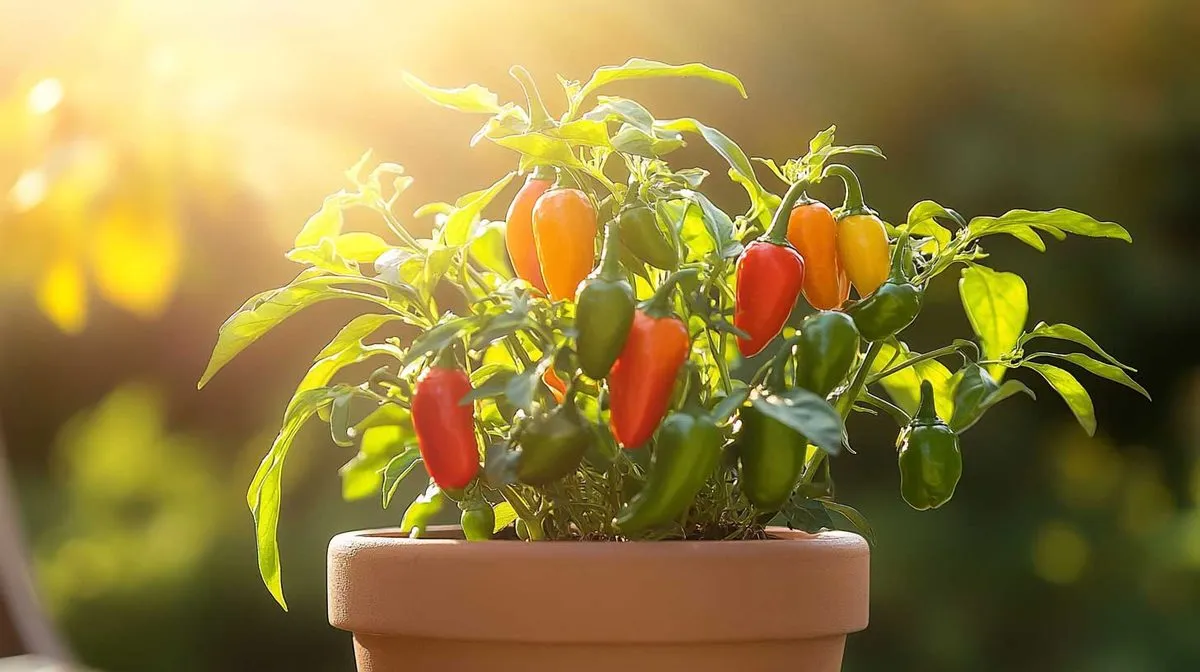
Heat compared with jalapeno and habanero, sowing months, pots, picking and varieties sold in Australia
A serrano is a small, slim, thin-walled chilli of the species Capsicum annuum, rated at roughly 10,000 to 23,000 Scoville heat units, so it is a clear step hotter than a jalapeno and well below a habanero. It is picked green or red, tastes crisp and bright, and is a reliable, productive plant for an Australian garden or a large pot.
Short answer: serrano is a hot (10,000 to 23,000 SHU), glossy green chilli about 5 to 6 cm long that turns red when ripe. Sellers list 75 to 85 days to maturity, and it grows like a jalapeno with a little more height.
What is a serrano chilli?
The serrano is a slender, cylindrical chilli with a pointed or slightly rounded tip. The word serrano means from the mountains in Spanish, and the chilli is associated with the highlands of central Mexico. The Seed Collection describes the plant as producing 6 cm glossy green fruit that turns red when mature.
It belongs to the same species as the jalapeno, so it grows in much the same way and is a good second chilli once you have grown a jalapeno. The big difference to a jalapeno is the wall. A serrano has thin, crisp flesh, which is why it is eaten fresh far more than it is dried or smoked.
How hot is a serrano?
Published Scoville charts put the serrano at about 10,000 to 23,000 Scoville heat units (SHU). On our chilli heat scale the jalapeno sits at about 2,500 to 8,000 and the habanero at about 100,000 to 350,000, so a serrano is roughly two to four times hotter than a typical jalapeno and many times milder than a habanero. The Seed Collection rates its serrano 7 out of 10 for heat.
Red serranos usually taste sweeter and are often hotter than green ones, and growing conditions move the heat around within the range. Seeds and the white pith carry the most capsaicin.
Flavour and kitchen use
Serrano has a clean, bright, slightly grassy taste with a sharp heat that arrives quickly and fades faster than a habanero. It is chopped raw into fresh salsas and guacamole, blended into green sauces, or sliced onto tacos and noodle dishes. Because the skin is thin, it does not need peeling.
When to sow serrano in Australia
Serrano is a chilli, so the sowing months below come from our chilli data. Seed raising is the same as for jalapeno, and the plant is of normal speed, so there is no need to chase the very earliest sowing that slow habanero types demand. Raise seedlings under cover and plant out when nights are warm and frost has passed.
| Region | Sowing months |
|---|---|
| South East Queensland | Aug to Feb |
| Northern Rivers NSW | Sep to Feb |
| Sydney & Coastal NSW | Jul to Nov |
| Melbourne & Victoria | Oct to Dec |
| Adelaide & SA | Aug to Oct |
| Perth & WA | Aug to Sep |
| Tasmania | Sep to Oct |
| Canberra & ACT | Oct to Nov |
| North Queensland | Apr to Sep |
| Darwin & Top End | Apr to Aug |
The Seed Collection says to sow in spring or after frost, and at any time in warm climates. In regions with a short warm season, such as Tasmania, start seed indoors early and grow the plant in a pot in the sunniest spot you have.
Germination and raising seedlings
Our data gives a germination range of 22 to 30 degrees Celsius, and the Seed Collection says 7 to 21 days at 22 to 35 degrees. The seed is small, about 160 seeds to the gram according to the listing, so sow thinly 5 mm deep, keep the mix evenly moist and thin or prick out into individual pots once seedlings are 5 to 10 cm tall. A seedling tray on a heat mat in a bright window is the easiest set-up. See the seed raising guide for the method and damping off for the main seedling disease.
Days to first ripe fruit
The Seed Collection lists 75 to 85 days to maturity for serrano, as an approximate figure that depends on weather, soil and climate. Green fruit comes first, and red fruit follows several weeks later. In our data chillies in general are listed at about 90 days to harvest, so give a cool spring a little longer.
Plant size and spacing
Serrano plants reach up to about 85 cm in the Seed Collection listing, and it suggests 50 cm between plants. A mature plant carries a large number of small fruit, so staking or a small cage keeps branches from snapping in wind or under a heavy crop. Three plants will usually give more serrano than a household can use fresh.
Growing serrano in pots
Serrano suits a pot of 30 cm or wider, and the listing says it can be grown in containers. Use a free-draining potting mix, keep the pot in six or more hours of full sun and expect to water more often in summer than for a plant in the ground. Our chillies in pots guide covers sizes and watering, and the potting mix guide explains what to buy.
Feeding and watering
Serrano wants steady moisture while it is flowering and setting fruit. Feed every couple of weeks once flowers appear with a fertiliser that is high in potassium, always to the label, and mulch beds to hold moisture. Over-feeding with nitrogen gives leaf instead of fruit. The fertilising guide sets out the basics.
Picking green or red
Pick serranos green when they are firm, glossy and about 5 to 6 cm long for the crisp, grassy flavour that cooks usually want, or leave them to colour to red for more sweetness and heat. Picking green keeps the plant flowering, so it is worth harvesting often. Cut the stalk with scissors or secateurs rather than pulling.
Overwintering in warm regions
In frost-free areas such as North Queensland, Darwin and the Top End and the frost-free coast of South East Queensland, serrano plants can crop for a second year. Prune them back by a third after the main harvest and feed again at the start of spring. Elsewhere, move pots under cover before the first frost, or grow serrano as an annual and save seed to start again.
Pests and diseases
The Seed Collection warns that serrano needs protection from aphids and is susceptible to mildew. Look under leaves for aphids, thrips and spider mite, and give plants good airflow to reduce powdery mildew. A registered product, used to the label, is the right choice if numbers get out of hand.
Fruit fly can attack ripe fruit in regions where it is established, and our fruit fly tracker shows the status for each region. Where it is a problem, net or bag the plant while fruit ripens and pick red fruit promptly.
Saving serrano seed
Choose a healthy, well-coloured fruit and leave it on the plant until fully red and slightly soft. Remove the seed, dry it for about two weeks on paper in the shade and store it in a labelled paper envelope in a cool, dry place. Serrano will cross with nearby chillies, so seed from a garden with several types may not come true. The seed saving guide has more.
Handling hot chillies
Wear disposable gloves when cutting a quantity of serranos, because capsaicin stays on skin and gets into eyes for hours. Wash knives and boards afterwards, do not touch your face and keep chillies away from small children and pets.
Serrano types sold in Australia
These listings were read on seller pages in November 2026. Several sellers do not post seed to Western Australia or Tasmania, so check shipping on each page.
| Seller | Listing | What it says |
|---|---|---|
| The Seed Collection | Chilli Serrano | Open pollinated, 75 to 85 days, up to 85 cm, 6 cm green fruit turning red, heat 7 out of 10. Not posted to Western Australia or Tasmania. |
| Happy Valley Seeds | Chilli Serrano seeds | A 15 seed packet from Sydney. |
| Southern Harvest | Chilli Serrano | A 30 seed packet. |
| Veggie Garden Seeds | Chilli Serrano | A 30 seed packet, shown as permitted for Western Australia. |
| Australian Seed | Chilli Serrano | A 25 seed packet. |
| Green Harvest and Daleys | Chilli Serrano | Serrano appears in both catalogues, seed at Green Harvest and a plant at Daleys. Pages not opened. |
Where serrano fits in the chilli family
For a comparison of the main chillies, see our chilli and pepper varieties guide. For general care, read how to grow chilli, growing hot peppers and the chilli plant page.
Questions
How hot is a serrano chilli?
A serrano is about 10,000 to 23,000 Scoville heat units, which is hotter than a jalapeno at 2,500 to 8,000 and far milder than a habanero.
Is serrano hotter than jalapeno?
Yes. A serrano is typically about two to four times hotter than a jalapeno, with a thinner wall and a sharper, crisper taste.
How long do serranos take to grow?
The Seed Collection lists 75 to 85 days to maturity for serrano, so expect green fruit about two and a half to three months after sowing or planting out.
Are serranos better green or red?
Green fruit is crisp and grassy, the usual cooking stage. Red fruit is sweeter and usually hotter. Both come from the same plant.
Can I grow serrano in a pot?
Yes. A free-draining pot at least 30 cm wide in full sun suits serrano, and it can be moved under cover before frost.
Where can I buy serrano chilli seed in Australia?
Several seed sellers list it, including The Seed Collection, Happy Valley Seeds, Southern Harvest, Veggie Garden Seeds and Australian Seed. Check shipping rules for Western Australia and Tasmania.
Sources
- Chili Pepper Madness, The Scoville Scale
- The Seed Collection, Chilli Serrano
- Happy Valley Seeds, Chilli Serrano
- Southern Harvest, Chilli Serrano
- Planting Season, Chilli heat scale
Plant profile
The chilli profile has sowing times for your region, companion plants and common pests.