
Greenhouse and Hothouse Guide for Australian Gardens
Updated November 2026
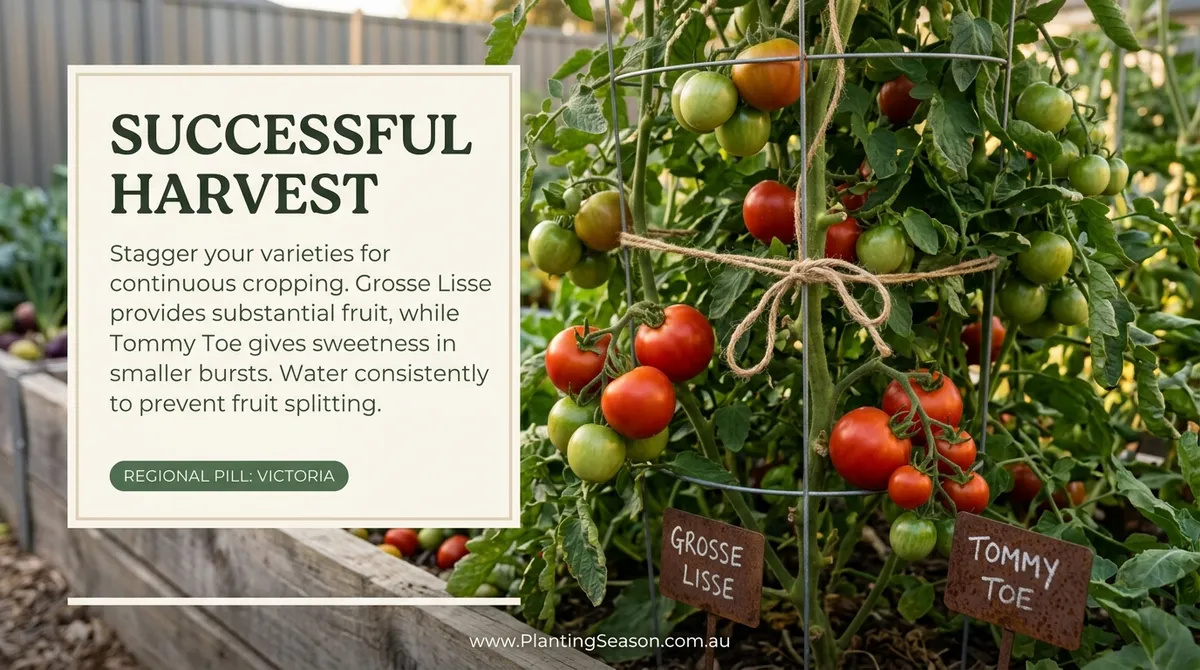
Beat the heat, protect from frost, and grow in every season.
In most of Australia a greenhouse (often called a hothouse) is a cooling problem before it is a heating one. A closed structure in a January afternoon can run far hotter than the plants can tolerate, so the first things to plan are vents, shade and airflow. Heating matters in the cold-winter south and in frosty inland districts, where a glasshouse or polytunnel lets you start tomatoes and chillies weeks early. This guide explains what to build for your region, how to stop it cooking, and what to grow in each season.
Short answer: outside the cold south and the high country, treat a greenhouse as a spring and autumn tool and a shade house in summer. Put big openings at the roof, add pale shade cloth outside the covering, and keep the structure tall enough to hold stable air. In Canberra, Tasmania and the frost belt, a covered structure adds a few degrees and several weeks to each end of the tomato season.
Greenhouse, hothouse, polytunnel or shade house?
The words overlap, so it helps to separate the structures by what they do.
- Greenhouse or hothouse: a rigid frame covered in glass, polycarbonate or film, designed to trap heat. It suits cool districts and the shoulder seasons.
- Polytunnel: a hoop frame covered in plastic film. It is cheap, quick to build and easy to roll up at the sides for ventilation.
- Shade house: a frame covered in shade cloth or netting rather than a sealed skin. It cuts sun and heat for lettuce, herbs, seedlings and tropical plants and is often the better answer in warm regions.
Many Australian gardeners end up with a hybrid: a polytunnel frame with film for winter and shade cloth or insect netting for summer.
The main problem is overheating
The NSW Department of Primary Industries stresses that good ventilation is critical to holding a workable growing environment, and notes that under-ventilated structures often overheat in the middle of the crop. Passive venting relies on warm air rising and leaving through the roof, and DPI says this chimney effect only becomes truly effective above about 3.5 metres. Most backyard houses are lower than that, so they usually need a fan as well as vents. DPI also says roof ventilation is better than side-wall ventilation, because it lets the hottest air out.
- Roof vents plus low inlets. Open ridge vents or roof windows with low side openings create airflow. Make the opening area generous, and fit insect screens if fruit fly or caterpillars are an issue.
- Automatic openers. A wax-cylinder opener raises a window as the air warms and needs no power. It copes with a hot afternoon when nobody is home.
- Exhaust and circulation fans. A thermostat-controlled fan in a gable end, with a louvred opening on the opposite end, moves large volumes of air. Small circulation fans keep the air from stagnating around the plants.
- Shade cloth. DPI's screens page says shade cloth is most effective for cooling when it is fitted outside the structure, and that pale colours reflect sun rather than absorbing heat. Whitewash painted on the covering is another way to cut radiation. Choose a density that keeps the crop productive; around 30 to 50 percent suits fruiting crops in summer.
- Siting for airflow. DPI's siting guidance puts cooling and airflow ahead of light gain in orientation, and warns that building against a tree line cuts light and yields.
If your tomatoes drop flowers in a heatwave, the cause is often high temperature, which is covered in our guide to blossom drop in heat and the page on capsicum not setting fruit.
Choosing the covering
| Covering | Light | Heat retention | Notes for Australian conditions |
|---|---|---|---|
| Glass | Very clear and direct | Low for single glazing | Long-lived and heavy. Direct sun can scorch leaves in summer, so shade is needed. |
| Twin-wall polycarbonate | Diffused, slightly lower than glass | Good | Best for cold districts such as Canberra and Tasmania. Light, strong and hail resistant. |
| Polyethylene film | Good when new, falls with age | Fair | Cheapest. Strong sun degrades film over a few seasons, so choose a UV-stabilised film and plan to replace it. |
| Shade cloth or insect netting | Reduced by the chosen density | None to speak of | Ideal in the tropics and warm temperate regions for cooling, and netting helps keep pests out. |
Size and siting
A larger, taller structure holds a steadier temperature, because a big volume of air changes slowly. DPI's building guidance notes that a taller roof gives a more stable environment, with cost as the trade-off. If you have only a small yard, a lean-to on a sunny wall or a compact polytunnel is more realistic than a walk-in glasshouse.
- Sun: in the southern states, choose the sunniest spot you have, facing north to get winter sun. In hot regions, pick a position with some afternoon shade from a deciduous tree or fence so that the structure is not under full western sun all afternoon.
- Wind: shelter from the coldest and strongest winds, but keep the vents open to a breeze in summer.
- Water and power: put the house near a tap, and on ground that drains. A power point is useful for fans and a seedling heat mat.
- Rules: check with your council. Small garden structures are often exempt, but height, size and boundary setbacks vary, and you may need approval in bushfire zones.
Frost and winter heat
An unheated glasshouse or tunnel gives a few degrees of protection on a frosty night, which is enough to save lettuce and silverbeet but not always enough for tomatoes, capsicums and chillies in a hard frost. In Canberra, Tasmania, the Southern Highlands, the Victorian high country and frost-prone inland towns, a second layer helps: a cloche or frost cloth over tender seedlings inside the house, or water drums that release heat overnight. See our page on frost dates by postcode, our frost protection guide, and the regional hubs for Canberra and Hobart for local timing.
If you add heating, use equipment designed for greenhouses and vent any fuel-burning appliance outdoors. A heater set only to keep the house just above freezing is far cheaper than one that holds summer temperatures through winter.
What to grow in each season
Late winter and spring
This is when a greenhouse earns its keep. Start tomato, capsicum, chilli and eggplant seed under cover with a heat mat, then plant out after the last frost. Check the timing for your region with our guide to when to start seeds and the seed raising guide. Tomatoes take around 85 days to harvest, so a head start under cover brings the first fruit forward by weeks. See growing tomatoes from seed.
Summer
In Sydney, Brisbane, Adelaide, Perth and inland districts the structure is often too hot for tomatoes, so swap the film for shade cloth or open the sides fully. Cucumbers and lettuce also appreciate the lighter, cooler conditions of a shade house. In Melbourne, Hobart and Canberra a greenhouse can still ripen tomatoes, capsicums and cucumbers well, provided it is vented. See the guides for tomatoes, capsicum, cucumbers and eggplant.
Autumn and winter
Autumn is the second tomato window in the warm north, and in the south the house carries lettuce, spinach, silverbeet and kale through winter. See lettuce, spinach and silverbeet.
Regional notes
| Region | Main issue | What suits |
|---|---|---|
| Darwin and North Queensland | Heat and humidity, wet season rain | Shade house or open-sided shelter that keeps rain off, strong airflow, tropical crops and leafy greens in the dry season |
| South East Queensland and Northern Rivers | Summer heat and humidity, mild winters | Polytunnel with roll-up sides, shade cloth in summer, a winter crop of tomatoes and greens |
| Sydney, Adelaide and Perth | Hot dry summers, mild winters | Well-vented greenhouse used in spring and autumn, shade over summer |
| Melbourne, Hobart and Canberra | Cool to cold winters, frosts, shorter summers | Twin-wall polycarbonate or film, a frost plan, and early starts for heat-loving crops |
Pests in a greenhouse
A warm, sheltered house suits pests as much as plants. The common ones are aphids, whitefly and two-spotted mites. Our pages on aphids and whitefly show how to recognise them, and the beneficial insects page explains the predators that help. Sticky yellow traps show whitefly early. Predatory mites and parasitic wasps are sold to home growers by Australian biological control suppliers, who will advise on release rates for your area. Fruit fly can get in through open vents, so use fine insect mesh on openings in fruit fly districts, and see our fruit fly guide. If you use a pesticide, choose a registered product and follow the label; many also harm the beneficials. We do not recommend homemade sprays.
Watering, humidity and pollination
Pots and beds dry out quickly in a covered house, so put them on drip irrigation with a timer. Our drip irrigation guide covers the set-up. Water in the morning, and open vents in the evening to let humid air out so that grey mould does not take hold, particularly in cool damp districts. Uneven watering also drives blossom end rot.
Tomatoes are self-fertile, but in still air the pollen may not move. Gently tap or vibrate the flower truss for a few seconds around midday. Some greenhouse cucumber varieties set seedless fruit without pollination, which is stated on the seed packet. If you grow a type that does need pollination, leave the vents open during the day so bees can visit, or move pollen from male to female flowers with a small brush.
A simple plan
- Choose a covering to match your winter: twin-wall or film in the cold south, shade cloth in the tropics.
- Fit generous roof vents and an automatic opener before you add heating.
- Use the house in spring and autumn, and shade or open it fully in summer.
- Water on a timer, ventilate in the evening and inspect leaf undersides each week.
Questions
Why does my greenhouse get so hot in Australia?
A closed structure traps solar heat, and Australian summer sun is strong. NSW DPI notes that under-ventilated structures overheat, and that roof vents work better than side vents. Add roof vents, a fan and pale shade cloth outside the covering.
What is the difference between a greenhouse and a hothouse?
In everyday use they mean the same thing, a covered structure that traps heat. Gardeners sometimes use hothouse for a heated one. A shade house is different, because it cuts sun and heat rather than trapping it.
Is a greenhouse worth it in a warm climate?
Often a shade house or open-sided polytunnel is the better choice in warm regions. A sealed greenhouse is most useful in cool districts, where it extends the tomato and capsicum season at both ends.
Do I need heating for frost?
An unheated house gives a few degrees of protection, which helps hardy greens but may not save tomatoes in a hard frost. In Canberra, Tasmania and frost-prone inland areas add frost cloth or a small greenhouse heater, and check your local frost dates.
How tall should the structure be?
Taller is better. NSW DPI notes that the chimney effect for passive venting only becomes effective above about 3.5 metres, so lower backyard houses usually need a fan.
Do greenhouse tomatoes need hand pollination?
Sometimes. In still air, tap or vibrate the flower truss for a few seconds around midday. Open the vents during the day as well, so air and bees can move through.
Sources
- NSW DPI: Greenhouse basics
- NSW DPI: Ventilation in greenhouses
- NSW DPI: Greenhouse screens
- NSW DPI: Orientation and siting a greenhouse
- NSW DPI: Types of greenhouses
Plant profile
The tomato profile has sowing times for your region, companion plants and common pests.