Blossom End Rot on Tomatoes, Capsicum and Zucchini
Updated June 2026
The sunken black patch on the bottom of your fruit is not a disease or a pest. It is a calcium problem, and it is almost always about watering.
You have been watching a tomato swell for weeks, and then you turn it over and the base has gone dark, sunken and leathery. It is heartbreaking, and it is incredibly common. This is blossom end rot, and the first thing to understand is what it is not. It is not a fungus, not a virus, not an insect, and you cannot spray it away. Reaching for a fungicide will do nothing but waste money.
Blossom end rot is a physiological disorder: a shortage of calcium reaching the far end of the fruit while it forms. The twist is that your soil almost certainly has plenty of calcium already. The plant just cannot deliver it to the fruit, and the usual reason is uneven watering. Get the watering steady and the problem usually disappears on its own. This guide shows you how to diagnose your exact situation and apply the real fix, and which popular remedies are myths.
Diagnose and Fix
Pick your crop and the situation that best matches your garden. The tool gives you an honest explanation and the fix that actually works, rather than the calcium-spray reflex.
Blossom End Rot: Diagnose and Fix
Choose your crop and what is happening. We will tell you the likely cause and the genuine fix.
How to Identify Blossom End Rot
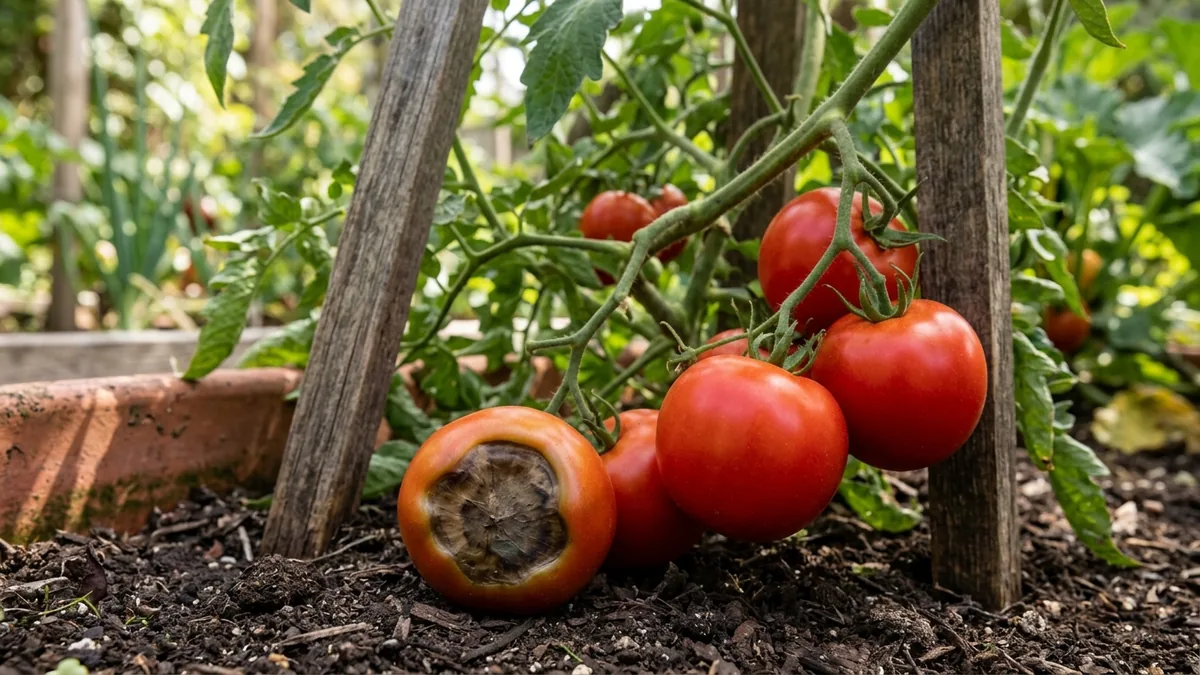
- Location. Always at the blossom end of the fruit, the bottom, opposite the stem. This is the single biggest clue.
- Look. Starts as a small water-soaked or tan spot, then enlarges into a sunken, dark brown to black, leathery patch. It can cover a third of the fruit.
- Texture. Dry and leathery rather than soft and oozing, unless a secondary mould later moves into the dead tissue.
- Pattern. Often hits the earliest fruit on a plant and may affect only some fruit while the rest of the plant looks healthy. It does not spread plant to plant.
The Cause: Calcium and Water
Calcium is the building block that holds plant cell walls together. The cells at the fast-growing blossom end of a fruit need a steady supply of it. Calcium moves through the plant dissolved in water, pulled along as the plant transpires. So anything that interrupts the flow of water interrupts the flow of calcium to the fruit, and the cells at the far end collapse.
In the vast majority of home gardens, the soil is not short of calcium at all. The breakdown is in delivery:
| Driver | What it does |
|---|---|
| Uneven watering (the main one) | Wet-then-dry swings stop and start water flow, so calcium delivery to the fruit stutters |
| Heat and wind | The plant loses water faster than the fruit can be supplied, especially on small or potted plants |
| Too much nitrogen | Pushes fast leafy growth that competes with fruit for the calcium that is moving |
| Root damage | Disturbed or cut roots cannot take up water and calcium efficiently for a while |
| Very acidic soil | At low pH, calcium becomes harder for the plant to take up (less common in most gardens) |
This is why the fix is almost never "add calcium." It is "fix the water so the calcium already in the soil can reach the fruit."
The Fix That Works
- Water deeply and evenly. Aim for consistently moist soil, never swinging from soaked to bone dry. A deep soak two or three times a week usually beats a daily splash. Potted plants may need water daily in summer heat.
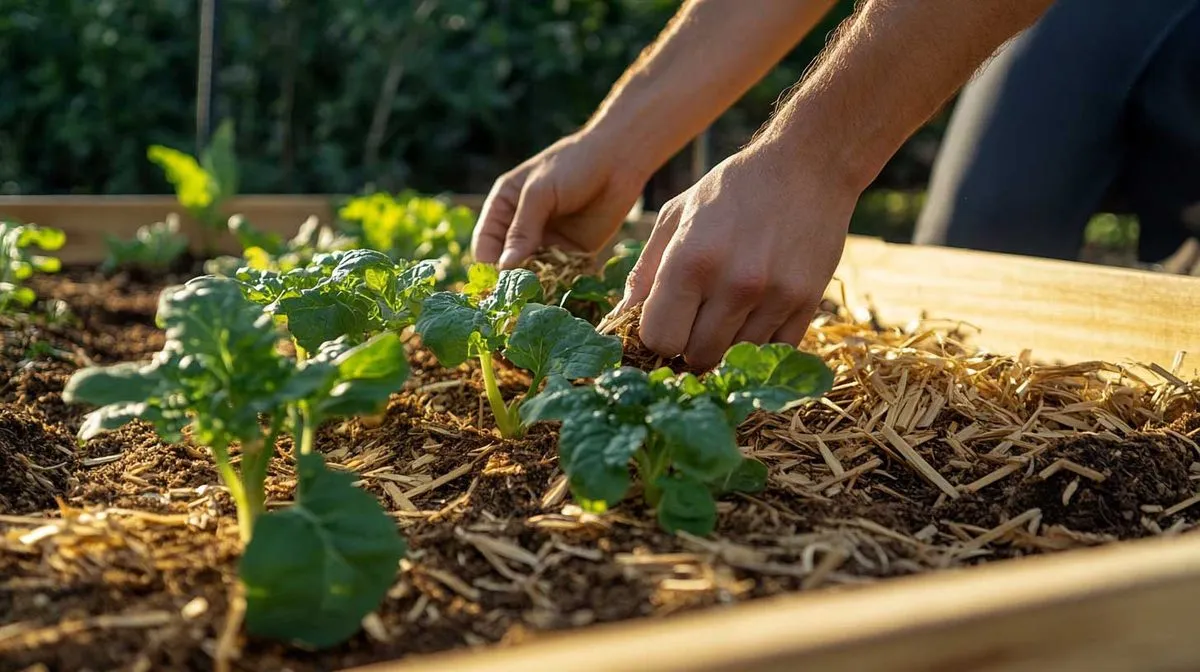
- Mulch. A good layer of mulch buffers soil moisture so it does not swing, which directly removes the main cause. This is one of the highest-value steps. See our mulching guide.
- Ease off the nitrogen. Stop pushing lush leafy growth with high-nitrogen feeds while fruit is forming. Use a balanced feed instead.
- Protect the roots. Avoid deep cultivation near the stem, and try not to let young plants dry out and wilt repeatedly.
- Remove affected fruit. Pick off the spoiled fruit so the plant directs energy into healthy fruit. New fruit set after you steady the watering should form cleanly.
- Only add calcium if a soil test confirms a real shortage, and then with garden lime or gypsum worked into the soil, not a foliar spray. For most gardens this step is unnecessary.
Busting the Myths (Responsibly)
Affected Plants
Blossom end rot shows up on fast-growing fruiting crops where calcium has to travel a long way to a swelling fruit:
- Tomatoes (the most common)
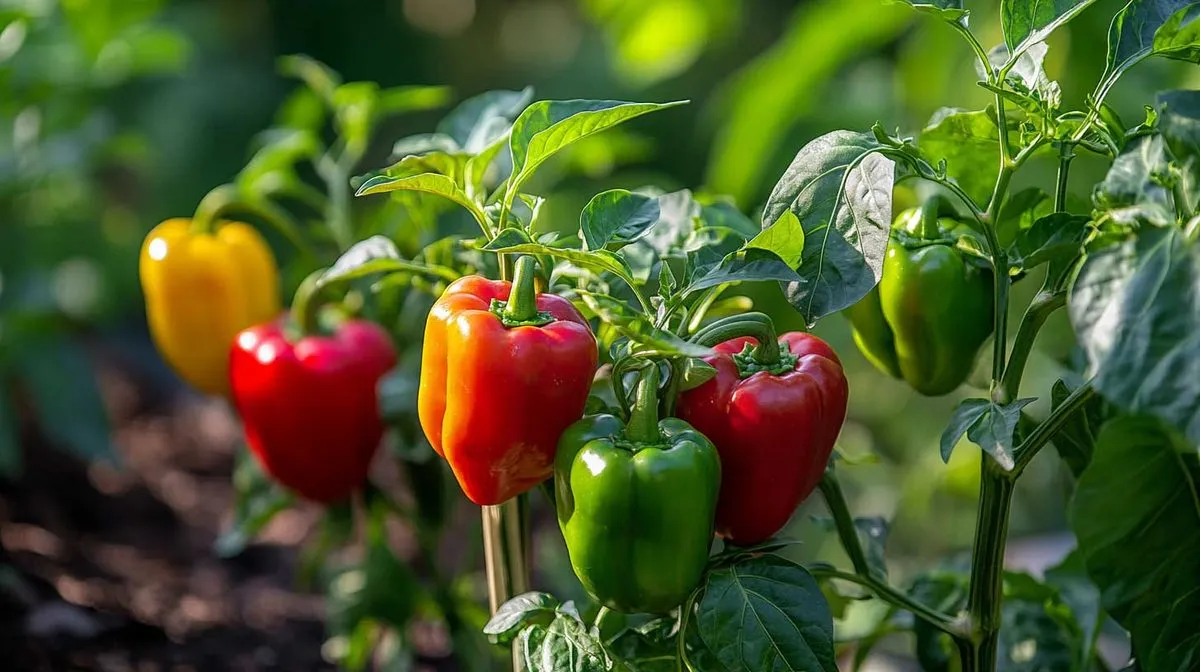
- Capsicum and chillies
- Zucchini, squash and other cucurbits
- Eggplant and, occasionally, melons
The mechanism is identical across all of them, so the fix is the same: steady, even moisture, mulch, and easing off heavy nitrogen.
When It Is Serious
For most gardeners blossom end rot is an early-season nuisance that fades once watering settles, and the plant itself stays perfectly healthy. Take it more seriously when:
- It keeps hitting fruit well into the season despite steady watering, which can point to a genuine soil issue worth testing for pH and calcium.
- Most fruit on most plants is affected, suggesting a watering or feeding system that needs a real rethink, not a tweak.
- You garden entirely in pots, where moisture swings and root restriction make it far more likely and call for closer watering attention.
Region Note (Australia)
Across Australia the trigger is the same everywhere, the swing between wet and dry, but our climate makes it especially common in hot, dry summers and through heatwaves, when plants transpire fast and soil dries quickly. Gardeners in hot inland and northern areas, and anyone growing in pots on a sunny balcony, should pay extra attention to even watering and a thick mulch. In cooler southern districts it tends to be an early-season problem on the first fruit while the weather is still bouncing around. Wherever you are, mulch and consistent watering do more than any product.
Keep Your Watering Steady with the App
Use the Planting Season app to log your tomatoes and set even-watering reminders, and the Harvest Planner to plan how much to grow this season.
Open the App →Frequently Asked Questions
Is blossom end rot a disease or a pest?
Neither. It is a physiological disorder, not caused by any fungus, bacteria or insect. The fruit cannot get enough calcium to the far end while it is forming, so the tissue there collapses. Because it is not a disease, fungicides and sprays do nothing for it, and it does not spread from plant to plant.
What actually causes blossom end rot?
A shortage of calcium reaching the developing fruit. In most home gardens the soil has plenty of calcium, but the plant cannot move it to the fruit because watering is uneven. Calcium travels with water, so when the plant dries out then gets flooded, delivery to the fruit stutters and the blossom end collapses. Heavy nitrogen feeding, root damage and very acidic soil can make it worse.
Will a calcium spray fix it?
Usually not, if the real cause is uneven watering. Foliar calcium sprays are largely ineffective because fruit takes up very little calcium through its skin, and the problem is delivery, not the amount in the soil. Fix the watering first. Calcium products only help in the rare case of a genuine soil calcium shortage confirmed by a test.
Should I throw out fruit with blossom end rot?
Remove affected fruit so the plant puts its energy into healthy fruit. The rest of an affected fruit is safe to eat once you cut away the spoiled end, since it is a disorder, not a contamination. New fruit that sets after you fix the watering should be fine.
Does adding crushed eggshells or milk help?
Not in any useful timeframe. Eggshells break down far too slowly to release calcium during the current crop, and milk does not deliver usable calcium to the fruit either. These are popular myths. Steady watering and mulch do far more than any kitchen remedy.
Why do only the first tomatoes get it?
Early in the season the plant is small and the root system is still establishing, and weather often swings between wet and dry, so calcium delivery is least reliable then. As the plant settles and you get watering steady, later fruit usually forms cleanly even though you changed nothing about the soil.
Can mulch really make a difference?
Yes, a big one. A layer of mulch buffers the soil moisture so it does not swing from soaked to bone dry between waterings. Since those swings are the main driver of blossom end rot, mulching is one of the most effective and easiest fixes you can apply.
My capsicum and zucchini have it too. Same fix?
Yes. Blossom end rot works the same way on capsicum, chillies, eggplant and zucchini as on tomatoes, and the fix is identical: steady, even moisture, mulch, and easing off high-nitrogen feeding. The disorder is about water-driven calcium delivery, which is the same in all of them.