
How to Control Fruit Fly in Australia
Updated June 2026
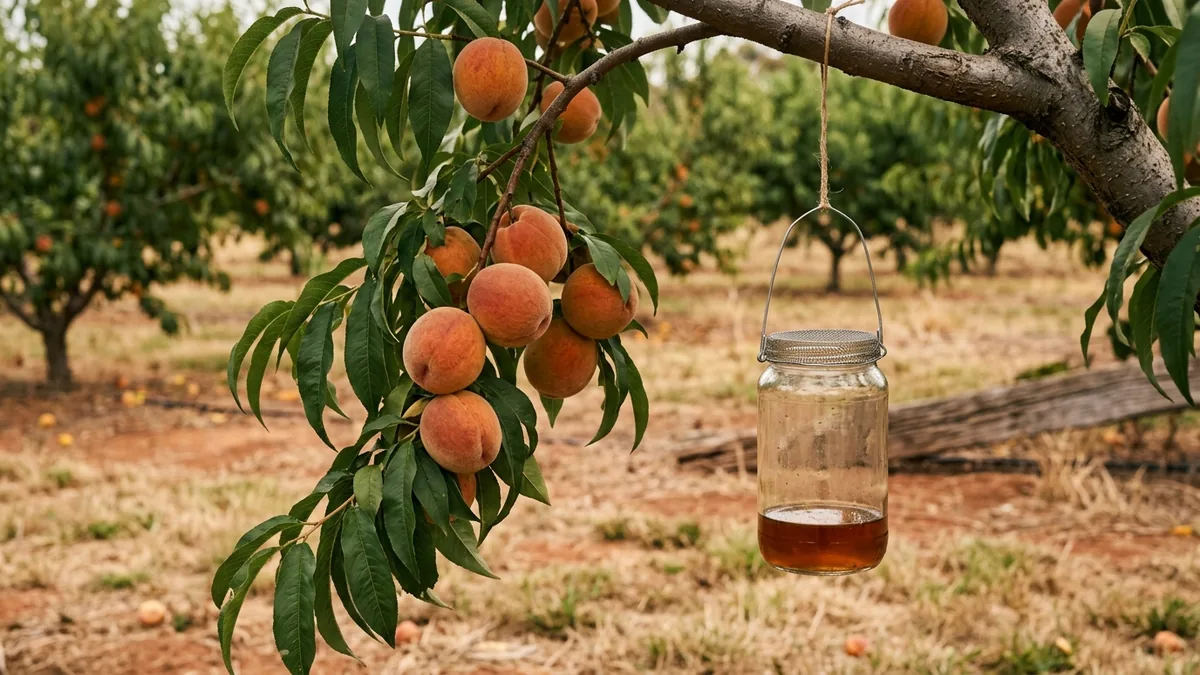
Identify it, understand its lifecycle, and beat it with an organic-first plan that is safe for bees and pets
Fruit fly is the single most destructive pest of home fruit in much of Australia. One unmanaged tree can ruin a whole season of stone fruit, citrus, tomatoes and more, often before you even realise the flies have arrived. The good news is that fruit fly is beatable in a backyard, as long as you act early, combine a few methods, and ideally get your neighbours doing the same.
This guide explains which fruit flies you are dealing with, how the lifecycle works, what the damage looks like, and a clear organic-first control plan. Use the tool below to build your plan around the stage you are at, whether you are trying to prevent fruit fly, beat it organically, or step up because it is already a problem.
Build your fruit fly control plan
Pick the approach that fits where you are right now. Every option here leads with hygiene and physical exclusion, and keeps any sprays or baits to bee-safe, low-risk methods used the right way.
Which fruit fly do you have?
Two species cause nearly all the damage in Australian gardens, and a third harmless lookalike causes a lot of confusion.
- Queensland fruit fly (Bactrocera tryoni). The main pest through eastern and northern Australia, and steadily pushing further south. It is a reddish-brown fly about 7 mm long with yellow markings and clear wings, a little larger than a house fly.
- Mediterranean fruit fly (Ceratitis capitata). The dominant species in Western Australia. It is smaller, with patterned, mottled wings and a more rounded body.
- Vinegar flies (the fruit bowl ones). The tiny flies hovering over bananas on the kitchen bench are vinegar flies. They feed on already-rotting fruit and do not sting sound fruit on the tree. They are a nuisance, not the orchard pest, and need no control beyond clearing old fruit.
If you are unsure which species you have, a yellow sticky trap or a purpose-made fruit fly trap will catch adults you can compare against photos, and the in-app Pest tool can help you confirm before you commit to a plan.
The lifecycle, and why timing matters
Understanding the cycle is what makes control work. The female fruit fly stings ripening fruit and lays eggs just under the skin. Those eggs hatch into maggots that feed inside the fruit, turning it to rot from the inside. The maggots then drop to the soil, pupate, and emerge as new adults to start again.
In warm conditions the whole cycle can run in around four to five weeks, so populations build fast over spring and summer. Adults can also fly several hundred metres to find fruit, which is why a neglected tree two doors down keeps reinfecting your garden. The practical lesson is simple: you have to break the cycle before fruit ripens, not after, and you have to keep at it across the whole warm season.
What the damage looks like
Fruit fly damage is sneaky because the worst of it happens out of sight.
- Sting marks. Small dimples or punctures on the skin where the female laid eggs, sometimes weeping a little.
- Premature drop and soft spots. Affected fruit colours early, goes soft and falls before it should.
- Maggots inside. Cut open a stung fruit and you find small white maggots and brown rot. Often the outside still looks fine.
Because the fruit can look almost normal until you open it, monitoring with traps and acting on the calendar beats waiting for visible damage.
The organic IPM ladder
Integrated pest management means starting with the gentlest, most reliable tools and only stepping up if you need to. For fruit fly the ladder looks like this.
1. Hygiene, the non-negotiable first step
Pick up every piece of fallen fruit, daily in the warm months, and never leave stung or unwanted fruit on the tree or ground. Do not compost infested fruit in an open heap, because the maggots simply pupate in your garden. Solarise it instead: seal fruit in a black plastic bag in the sun for at least a week, or freeze it, before it goes in the bin or a hot compost. This one habit removes the breeding ground.
2. Physical exclusion, the most reliable home control
If the female cannot reach the fruit, she cannot lay. Drape fine insect-exclusion netting over a whole tree, or slip individual exclusion bags and sleeves over bunches and single fruit. Bag while the fruit is still small and green, well before it starts to colour, and check there are no gaps. For a small backyard tree this is the single most effective thing you can do.
3. Monitoring traps
Hang fruit fly traps from late winter or early spring to tell you when adults arrive and how bad numbers are. Male lure traps and home-made traps baited with a yeast and sugar mix both work. Traps alone will not save a heavy crop, but they tell you when to escalate.
4. Protein baits
Protein baits exploit the fact that female flies need protein before they can lay. A registered protein bait, often mixed with a low-toxicity insecticide, is applied as spots on the trunk and lower foliage, not sprayed over the whole tree or over flowers. The flies feed on the spot and die before they breed. Used this way it is targeted and low risk to bees.
5. Male lures and male annihilation
Male annihilation uses a lure that attracts male flies to a small wick or block treated with insecticide, knocking down the breeding males so females go unmated. The lures and wicks come in registered home-garden kits, hung in the tree and replaced on the label schedule. Because the lure draws only male fruit fly to a contained point, it is targeted and poses little risk to bees. It pairs well with protein baiting, which targets females, so the two together hit both sexes.
6. Organic cover protection
Products such as kaolin clay sprays coat fruit in a fine film that deters egg-laying, and can be used through the susceptible window as an organic option. Reapply after rain.
7. Cover sprays, a genuine last resort
A registered cover spray that coats the whole tree is the heaviest option and the one to avoid wherever the steps above can do the job, because it is the least selective and the hardest on beneficial insects. If you ever reach for one, choose a product registered for fruit fly and home use, never spray it onto open blossom, and apply it only when bees are not foraging. For nearly every backyard, hygiene, exclusion, baiting and lures make a cover spray unnecessary.
How to prevent fruit fly next season
- Start traps early in late winter so you know the moment adults appear.
- Bag or net before colour. Cover fruit while it is still small and green, not once it is ripening.
- Keep the garden clean. No fallen fruit, no over-ripe fruit left on the tree.
- Pick early where you can. Many fruits will finish ripening indoors, away from flies.
- Work with your street. Encourage neighbours to manage their trees too. Area-wide effort beats a lone garden every time.
- Prune for access. A smaller, open tree is far easier to net, bag and harvest cleanly.
Susceptible plants
Fruit fly attacks a very wide range of fruit and fruiting vegetables. The most at-risk hosts in home gardens include:
- Stone fruit: peaches, nectarines, apricots, plums, cherries.
- Pome fruit: apples and pears.
- Citrus: oranges, mandarins, lemons and more, especially when thin-skinned.
- Subtropical and tropical: guava, fig, persimmon, loquat, mango, passionfruit.
- Fruiting vegetables: tomatoes, capsicum and chilli are all hosts, which surprises many gardeners.
- Grapes and other soft fruit in warmer districts.
See our guides to tomatoes, grapes and apples for crop-specific growing advice.
When it is serious
If you find maggots in fruit, or your monitoring traps are filling quickly, treat it as an active infestation: strip and destroy all affected fruit at once, bag or net everything still salvageable, and bait the whole season. If you are in or near a declared pest free area or exclusion zone, or you suspect fruit fly somewhere it has not been recorded before, report it to your state biosecurity service. Early reports help keep whole regions protected.
Time your fruit fly defence to the season
The Planting Season app includes a Pest Calendar that tells you when to hang traps, bag fruit and bait, tuned to your region, plus an in-app Pest tool to identify what is attacking your crop.
Open the App →Frequently Asked Questions
What does fruit fly damage look like?
You see a small sting mark or dimple on the skin where the female laid her eggs, often with a weeping or rotting patch around it. Inside, the fruit is full of small white maggots and brown rot. Affected fruit drops early or goes soft and inedible. The damage is done from the inside, so fruit can look almost normal until you cut it open.
Which fruit flies are in Australia?
The two that matter for home gardens are Queensland fruit fly (Bactrocera tryoni), found through eastern and northern Australia and spreading south, and Mediterranean fruit fly (Ceratitis capitata), the main species in Western Australia. Both attack a huge range of fruit and fruiting vegetables. The small vinegar flies around your fruit bowl are different and harmless to growing fruit.
Do exclusion bags and netting really work?
Yes. Physical exclusion is the most reliable home control. Fine insect netting over a whole tree, or individual exclusion bags or sleeves over bunches and single fruit, stops the female reaching the fruit to lay eggs. Put bags on while fruit is still small and green, well before it starts to colour, and make sure there are no gaps.
Are fruit fly baits safe for bees and pets?
Protein baits and traps used correctly are low risk to bees because they target flies, not flowers, and are applied as spots on foliage or trunks rather than sprayed over blossom. Keep any bait or trap out of reach of pets and children, and never spray bait onto open flowers. Choose products registered for home use and follow the label.
What is area-wide fruit fly management?
Fruit fly does not respect fences. Area-wide management means a whole street or neighbourhood controlling fruit fly together, with everyone trapping, baiting, netting and clearing fallen fruit at the same time. It works far better than one garden acting alone, because flies breed in any unmanaged tree nearby and reinvade.
Can I move homegrown fruit between regions?
Not always. Parts of Australia are fruit fly exclusion or pest free areas with quarantine rules, and moving host fruit in or out can be restricted or illegal. Check current state quarantine and biosecurity advice before carrying or posting homegrown fruit, and never take fruit across a quarantine boundary or interstate without checking the rules.
When should I act on fruit fly?
Start before the fruit is ripe. Hang traps in late winter or early spring to monitor, net or bag fruit while it is still small and green, and bait through the warm season. By the time you see stings or maggots it is too late for that fruit, so prevention timed to the season is everything.
See also: Pest and Disease Guide and How to Grow Tomatoes