Coffee Grounds in the Garden: What Actually Works
Updated June 2026
A practical guide to using used coffee grounds for plants, soil, compost, and worm farms
Australians drink over 6 billion cups of coffee each year. That produces a staggering amount of used coffee grounds, most of which end up in landfill. Gardeners have long claimed that coffee grounds are good for the garden, and they are right, but not always in the ways people think.
This guide covers what coffee grounds actually do to soil, which plants benefit from them, and the best methods for using them in your garden. There is plenty of misinformation floating around online, so we will stick to what is backed by research and real-world results.
What Coffee Grounds Actually Do to Soil
Used coffee grounds are an organic material with a carbon-to-nitrogen ratio of roughly 20:1. That makes them a "green" composting material, similar to grass clippings or kitchen scraps. They contain approximately 2% nitrogen, 0.3% phosphorus, and 0.3% potassium by weight. These nutrients are not immediately available to plants. They need to be broken down by soil microbes first.
Coffee grounds also improve soil structure. They add organic matter that helps sandy soils retain moisture and helps clay soils drain better. This is their real value. The nutrient content is modest, but the physical improvement to soil over time is genuine.
The pH Myth: Are Coffee Grounds Acidic?
This is the biggest misconception about coffee grounds in the garden. Most of the acid in coffee beans is water-soluble. The brewing process pulls it out and into your cup. Used coffee grounds have a pH of roughly 6.0 to 6.8, which is close to neutral.
Fresh, unused coffee grounds are a different story. They sit around pH 4.5 to 5.0, which is genuinely acidic. But you should not be putting unused grounds in your garden anyway (that is an expensive waste of coffee).
If you are trying to acidify soil for blueberries or azaleas, used coffee grounds alone will not do the job. You are better off using sulphur, pine bark mulch, or a purpose-made acidifying fertiliser. Composted coffee grounds can contribute a slight acidifying effect over time, but it is marginal.
Which Plants Love Coffee Grounds
Most garden plants respond well to composted coffee grounds worked into the soil. The nitrogen and organic matter benefit anything that needs rich, well-structured soil. These plants do particularly well:
- Tomatoes and other fruiting vegetables (capsicum, chilli, eggplant)
- Lettuce, spinach, and leafy greens
- Carrots, potatoes, and root vegetables
- Strawberries and raspberries
- Roses, camellias, gardenias, and azaleas
- Herbs like basil, parsley, and coriander
- Citrus trees (lemons, oranges)
Native Australian plants are worth mentioning separately. Many natives (especially Proteaceae family plants like grevilleas, banksias, and waratahs) are adapted to low-phosphorus soils. Coffee grounds contain low phosphorus, so they are safer than many fertilisers around natives. Still, keep applications light and always compost the grounds first.
Which Plants to Avoid Coffee Grounds Near
Some plants are sensitive to the compounds in coffee grounds or prefer conditions that coffee grounds work against:
- Seedlings and young transplants. Direct application of fresh grounds can inhibit germination. The caffeine in uncomposted grounds suppresses seedling growth. Keep grounds away from seed-raising areas.
- Plants that prefer alkaline soil. Lavender, rosemary (in some soils), and other Mediterranean herbs prefer a higher pH and lean soil. Coffee grounds push conditions in the wrong direction for them.
- Succulents and cacti. These plants need fast-draining, low-nutrient soil. Coffee grounds hold moisture and add nitrogen, which is the opposite of what they want.
How to Use Coffee Grounds in the Garden
1. Composting (best method)
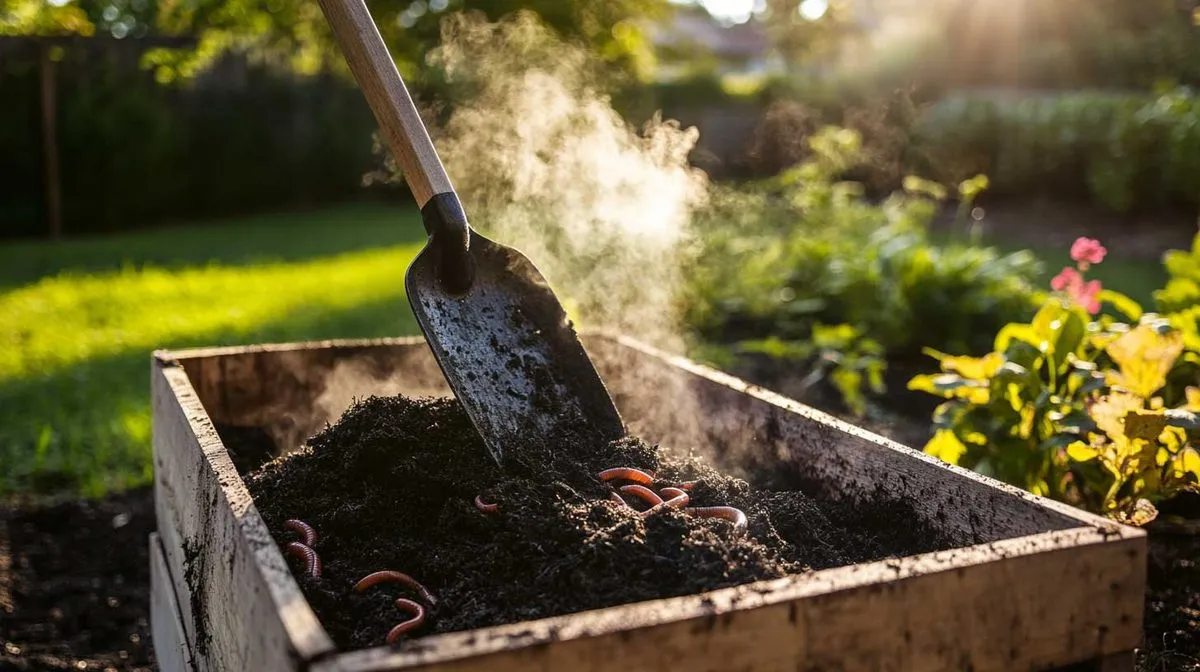
Adding coffee grounds to your compost bin is the most effective way to use them. Coffee grounds count as a green (nitrogen-rich) material. Mix them with brown materials like dry leaves, straw, shredded cardboard, or newspaper at a ratio of roughly 1 part grounds to 3 parts brown material by volume.
Coffee grounds break down quickly in a hot compost system. They help heat the pile because of their nitrogen content, and the fine particle size means they decompose faster than most other inputs. Filters can go in too, whether paper or unbleached.
2. Mulching (use sparingly)
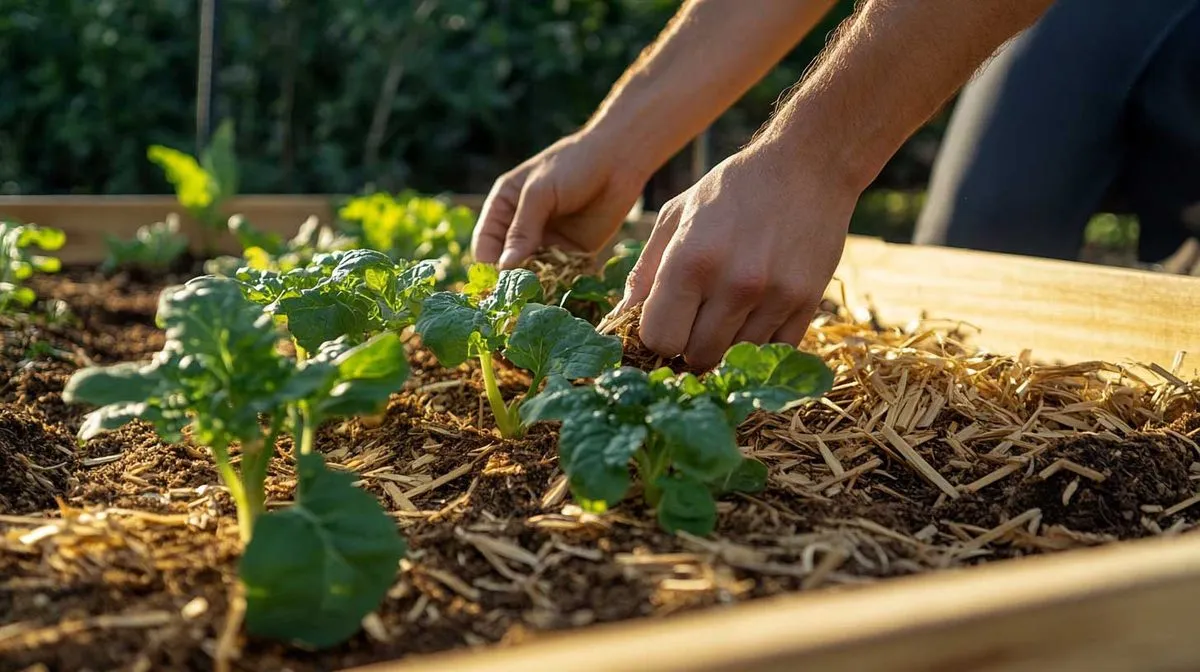
Coffee grounds can be used as a thin mulch layer around established plants, but there is an important rule: never apply them thicker than about 1 cm. Coffee grounds are fine-textured and compact easily. A thick layer will form a dense, water-repellent crust that stops rain and irrigation from reaching the soil.
The better approach is to mix coffee grounds with coarser mulch materials. Combine a handful of grounds with wood chips, sugarcane mulch, or straw and spread the mix around your plants. This prevents compaction while still getting the grounds into your garden.
3. Direct soil mixing
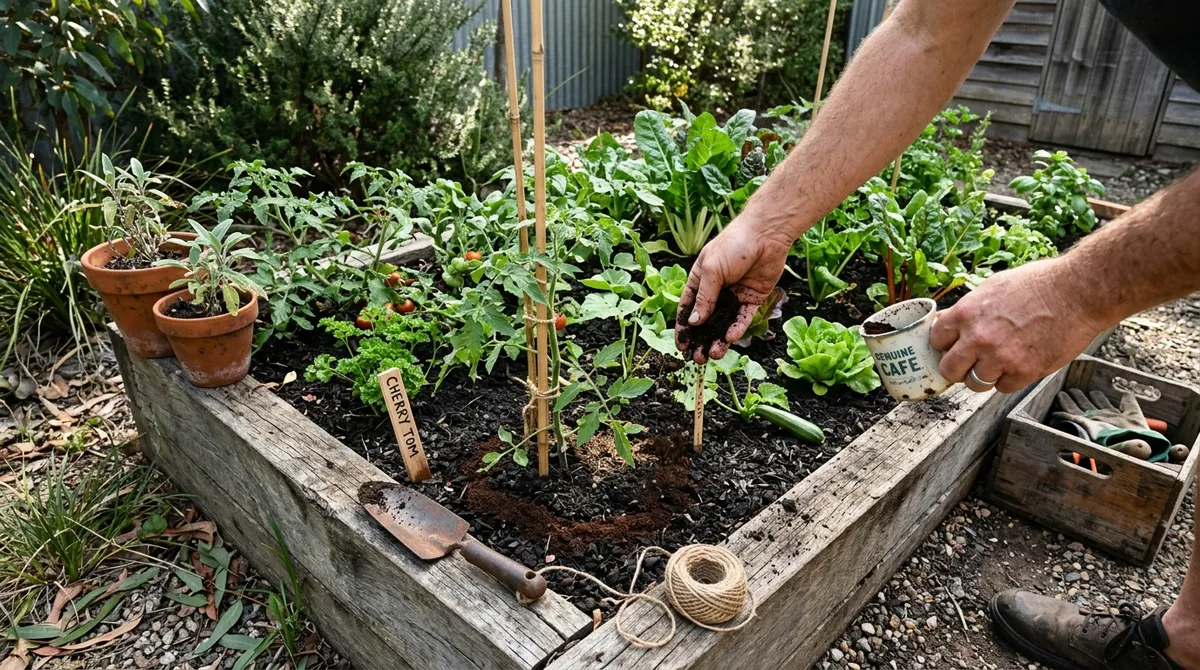
You can dig used coffee grounds directly into garden beds at a rate of roughly 10 to 20 percent by volume. Work them into the top 10 to 15 cm of soil along with other organic matter. This works well when preparing beds for a new planting season.
Avoid putting large quantities of uncomposted grounds around existing plants. The nitrogen in fresh grounds is tied up in organic form and soil microbes need to break it down. During that process, microbes temporarily use available nitrogen from the soil, which can cause a short-term nitrogen deficit for your plants.
Coffee Grounds and Compost Worms
Compost worms love coffee grounds. Red wrigglers and tiger worms will eat them readily, and the gritty texture helps their digestion (worms have gizzards, similar to chickens, and need grit to process food).
Coffee grounds are one of the best worm farm inputs, but they should make up no more than about 20 to 25 percent of the total feed. Too much at once can heat the worm farm as the grounds break down, and excessive acidity from large amounts can stress the worms.
Here is how to add them properly:
- Spread grounds in a thin layer across one section of the worm farm, not piled in one spot
- Mix with other food scraps, shredded newspaper, or cardboard
- Let the grounds cool completely before adding (hot grounds from the machine can harm worms)
- Include the paper filter if you use one. Worms eat it and it adds carbon to balance the nitrogen in the grounds
The resulting worm castings from a coffee-fed worm farm are excellent. They are rich in nutrients and beneficial microbes, and they make a top-quality soil amendment for potting mixes, garden beds, and seed-raising.
Common Mistakes with Coffee Grounds
Applying too much at once
More is not better. A thick layer of coffee grounds smothers soil, repels water, and can cause nitrogen drawdown as microbes work to decompose the material. Keep direct applications thin and always mix with other materials.
Using fresh (unbrewed) grounds
Fresh coffee grounds are acidic, high in caffeine, and contain compounds that inhibit plant growth. Always use spent grounds that have been brewed. The brewing process removes the problematic acids and most of the caffeine.
Expecting them to work as fertiliser
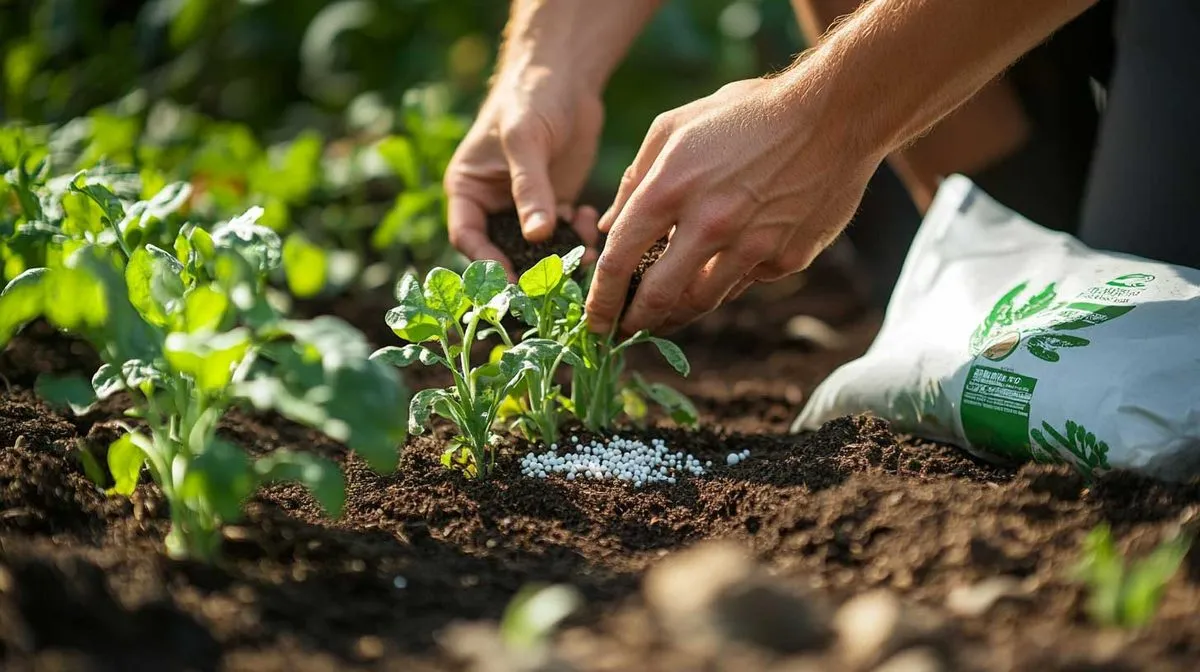
Coffee grounds contain nutrients, but the concentrations are low and they are not immediately available. Plants showing nutrient deficiencies need actual fertiliser, not coffee grounds. Think of grounds as a long-term soil builder, not a quick fix.
Believing they repel pests
The claim that coffee grounds repel slugs, snails, and cats is widespread but not well supported by evidence. Some gardeners swear by it, but controlled studies have produced mixed results at best. Do not rely on coffee grounds for pest management. Use proven methods instead.
Ignoring mould
Stored coffee grounds go mouldy quickly, especially in humid conditions like those across much of eastern Australia. Mould on composted grounds is fine and actually helpful in the compost process. But mouldy grounds spread directly around plants can introduce unwanted fungal problems. Compost them first, or use them fresh on the day.
How Much Is Enough?
A household producing one to two espresso pucks per day generates a modest amount of grounds. That quantity is perfectly manageable spread across a home garden through composting or worm feeding. Here are some rough guidelines:
- Compost bin: Coffee grounds should make up no more than 20% of total compost inputs by volume
- Worm farm: No more than 20 to 25% of total feed
- Direct mulch: Maximum 1 cm layer, mixed with coarser material
- Soil amendment: 10 to 20% by volume when mixed into beds
If you want larger quantities, most cafes will happily set aside their spent grounds. Some even bag them up for gardeners. A busy cafe can produce 10 to 20 kg of grounds per day, which is more than enough for even a large garden.
Frequently Asked Questions
Are coffee grounds good for the garden?
Yes, but with caveats. Used coffee grounds add organic matter, improve soil structure, and provide small amounts of nitrogen. They work best when composted first or added to a worm farm rather than applied directly to soil in large quantities. Fresh unused grounds are acidic and should be avoided.
Do coffee grounds make soil acidic?
Used coffee grounds are close to neutral pH (6.0 to 6.8). The brewing process removes most of the acid into your cup. Fresh, unused coffee grounds are acidic (pH around 4.5 to 5.0), but these should not be used in the garden. Used grounds will not significantly change your soil pH.
Which plants like coffee grounds?
Plants that benefit from the nitrogen and organic matter in composted coffee grounds include blueberries, azaleas, camellias, roses, tomatoes, and leafy greens like lettuce and spinach. Most fruiting vegetables also respond well when coffee grounds are composted into the soil.
Can I put coffee grounds directly on my garden?
Small amounts are fine when mixed into the soil or used as a thin mulch layer (no more than 1 cm deep). Thick layers of coffee grounds compact and form a water-repellent crust. For best results, compost them first or add them to a worm farm.
Do coffee grounds repel pests?
There is limited scientific evidence for this. Some gardeners report that coffee grounds deter slugs and snails, but controlled studies have not consistently confirmed it. Coffee grounds should not be relied on as a pest control method.