
Australian Native Plants for the Veggie Garden
Updated November 2026
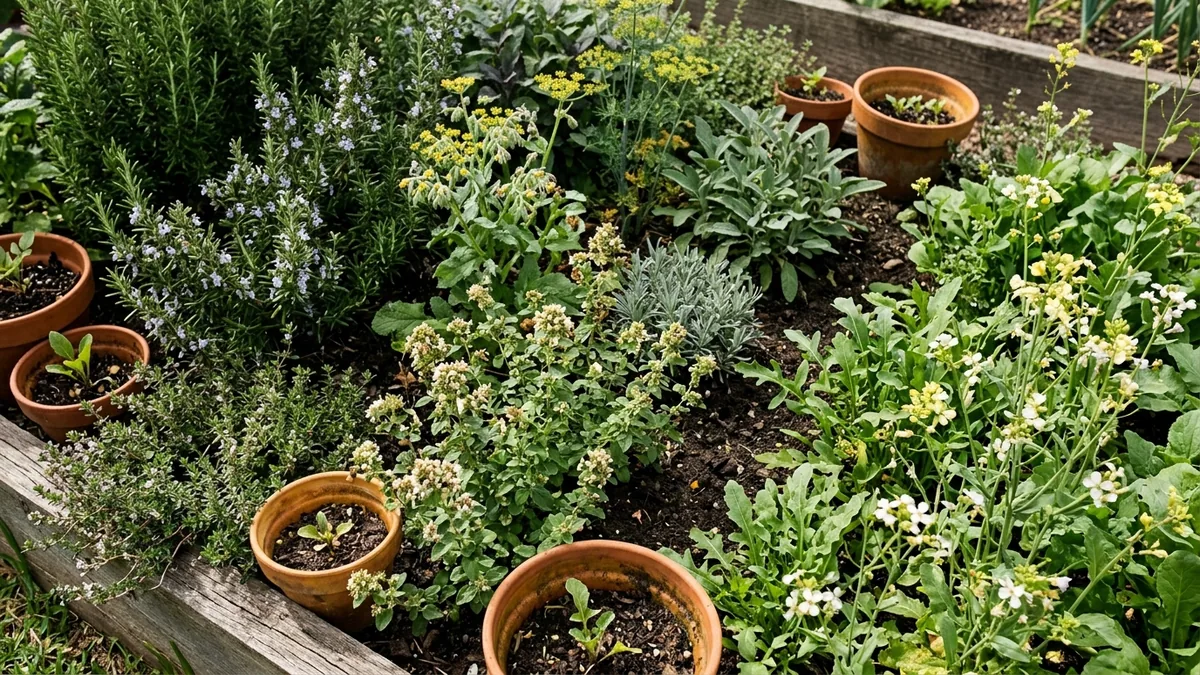
Natives that bring pollinators, shelter and helpful wildlife to your vegetable and fruit garden
Native plants belong around a food garden because they do jobs the vegetables cannot do for themselves: they feed pollinators, break the wind, shelter small birds and insects, cover bare soil and save water once they are established. This section covers the Australian natives that help a vegetable and fruit garden, and each page below answers a specific question, from when to plant to how to prune.
Why natives belong in a food garden
A vegetable bed is a short-lived crop of annuals, and it depends on the plants around it. Natives are the permanent framework of the garden, and they help in several practical ways.
- Pollinators. Fruiting crops such as pumpkins, zucchini, tomatoes and fruit trees need flower visitors. Natives with a long flowering season keep native bees, honeybees, hoverflies and other insects in the garden between crops. See native plants for bees.
- Shelter and windbreaks. A row of shrubs on the windward side slows the wind and cuts the drying effect on beds. See native windbreaks and hedges.
- Birds and beneficial insects. Dense shrubs give small insect-eating birds somewhere to shelter, and flowers feed adult hoverflies, lacewings and parasitic wasps. Natives do not control a named pest, but they build a garden where those animals live. See natives for birds and beneficial insects and our guide to good bugs.
- Living mulch and soil cover. Low growing natives hold soil and shade it. See native ground covers and our mulching guide.
- Low water use once established. Natives suited to your climate usually need far less water after the first summer than a lawn or a hungry vegetable. Our watering guide covers the beds themselves.
- Edible natives. A few natives are genuinely edible, and they sit comfortably among the fruit trees. See the bush tucker links further down.
There are two things to plan for. Large shrubs and trees have roots and shade that compete with the crops, so keep them well back from the beds. Silvereyes and some honeyeaters also peck soft fruit, so a native bird garden next to ripening berries still needs netting. Our birds in the garden guide covers that.
Every page in this section
Native plants for bees
This guide covers the flowering natives that bring bees and other pollinators to your vegetable and fruit crops. It matters because many crops, from pumpkins to fruit trees, only set a good harvest when pollinators visit.
Native windbreaks and hedges
It explains how to use native shrubs as a living fence that slows the wind and shelters the beds. It matters because wind dries soil and damages young plants, and a hedge placed well saves a lot of watering.
Natives for birds and beneficial insects
This page looks at the dense shrubs and flowers that give small birds and helpful insects a home near the crops. It also covers the honest downsides, because some birds will peck soft fruit.
When to plant natives
A table of planting windows for our 10 regions, with the reasoning behind each. It matters because timing is the biggest factor in whether a young native survives its first summer.
Native ground covers
It covers low growing natives that work as living mulch and soil cover around the garden. It matters because bare soil loses water and grows weeds, and a good cover cuts both.
Grevillea
This guide answers the common questions about growing and pruning grevilleas, and ties them to nectar for pollinators and shelter for birds. It also covers where to plant them in relation to the beds and which species can be weedy.
Bottlebrush
It covers growing and caring for bottlebrushes (callistemons), which are reliable flowering shrubs for screens and bees. It explains where they fit at the edge of a food garden and where some species are a weed risk.
Lilly pilly
This page covers lilly pilly hedges, how to look after them and what the berries are. It matters for the veggie patch because lilly pillies make dense screens and some are edible.
Westringia (coastal rosemary)
It covers this tough, clippable shrub as a low hedge or border beside the beds. It matters because it flowers for pollinators and copes with dry spells once it is established.
Kangaroo paw
This guide covers growing, pruning and flowering of kangaroo paws and what to plant with them. It matters because their nectar draws honeyeaters and other birds to the garden, with a few cautions about drainage.
Saltbush
It covers saltbushes and related low shrubs that tolerate dry, salty or poor soil. It matters for the veggie garden because they make hardy borders and shelter, and some are edible.
Correa
This page covers correas, the tough winter flowering shrubs sometimes called native fuchsias. It matters because they flower when little else does, which keeps nectar available for birds and insects.
Tea tree (Leptospermum)
It covers growing tea trees as hedges and screens, and which species suit which regions. It matters because some species are local favourites and others are environmental weeds outside their home range.
Which native for which job
This table matches common garden jobs to the natives that suit them. Check each page for the species that suit your region and for weed status before you plant.
| Job | Good natives to consider | Page |
|---|---|---|
| Flowers for bees and pollinators | Grevilleas, bottlebrushes, correas, tea trees | Native plants for bees |
| Windbreak on the exposed side of the beds | Tall dense shrubs such as lilly pilly, bottlebrush and tea tree, chosen for your region | Windbreaks and hedges |
| Low clipped hedge or border | Westringia, lilly pilly | Westringia |
| Shelter for small birds | Dense, prickly or twiggy shrubs such as grevilleas | Birds and beneficial insects |
| Living mulch and soil cover | Native violet, creeping saltbush and other low spreaders | Native ground covers |
| Winter flowers when little else blooms | Correas | Correa |
| Dry, poor or salty soil | Saltbushes | Saltbush |
| Nectar for birds near the garden | Kangaroo paws, grevilleas | Kangaroo paw |
| Edible fruit and leaves | Riberry, finger lime, lemon myrtle, midyim berry, warrigal greens | Bush tucker garden |
When to plant natives
Autumn is the best planting season in most of the country, because roots settle in before the first summer, while frosty and tropical regions have their own windows. Our when to plant natives guide gives a table for all 10 of our regions, and our frost dates page shows the dates behind it.
Edible natives and bush tucker
Some natives are food plants as well as helpers, and we cover them separately. The bush tucker garden guide is the starting point. Single plant guides cover riberry, finger lime, lemon myrtle, midyim berry, warrigal greens, ruby saltbush and native violet. Only eat a native plant when you are certain of the species, and use a guide that names the edible part.
Regional native edibles guides cover what suits each climate: South East Queensland, Northern Rivers, Sydney, Melbourne, Perth, Hobart, Canberra, North Queensland and Darwin. Native stingless bees also work well with native flowers, and our stingless bee guide covers keeping them.
Weeds and local provenance
Being native to Australia does not make a plant safe to plant everywhere. Several natives are environmental weeds outside their home range, and they can spread from seed into bushland and waterways. Examples include Cootamundra wattle, Sydney golden wattle and coast tea tree (Leptospermum laevigatum), and some grevilleas and bottlebrushes in particular regions. Before you plant, check your council weed list and your state weed information, such as NSW WeedWise, Agriculture Victoria or Business Queensland, and choose plants that are local to your area where you can.
Plants from your local area, known as local provenance, are adapted to your soil, rainfall and frost, and they are the plants your local insects and birds already use. A local native plant society or council native plant list is the best place to start, and the species pages in this section say which regions to avoid for each plant.
Where to start
If you are planning a new veggie garden, place any windbreak first, so it has a full season to grow, then plan the beds behind it, as covered in our guide to how to plan a vegetable garden. If you already have beds, add flowering shrubs and ground cover around the edges in your region's planting window, and keep large plants well back from the crops.
Questions
Why plant native plants in a vegetable garden?
They feed pollinators, shelter the beds from wind, give small birds and beneficial insects a home, cover bare soil and use little water once established. A few are also edible.
Do native plants attract pests to the veggie garden?
A mixed planting supports many kinds of insects and birds, but natives do not control a named pest for you. Keep large shrubs back from the beds and watch for pests as you would anyway. Our pest guides cover each one.
Can natives be weeds?
Yes. Some natives spread from seed outside their home range. Check your council weed list and choose plants local to your area.
What are the best edible Australian native plants for a home garden?
Riberry, finger lime, lemon myrtle, midyim berry, warrigal greens, ruby saltbush and native violet all have guides on our site. Be certain of the species and the edible part before eating.
How far should natives be from the vegetable beds?
Keep large shrubs and trees well back, because their roots take water and their shade falls on the crops. Low ground covers and small shrubs can sit closer.