
5 Native Edibles Every SEQ Garden Should Have
Grow Australian bushfood plants that thrive in Brisbane heat and humidity. No frost worry, minimal input, pure flavour.
Most edibles you grow in SEQ come from overseas: lettuce from southern Europe, tomatoes from the Americas, capsicums from Central America. They work, but they demand constant feeding, hand-holding through heat spells, and careful variety selection. Native Australian edibles are different. They're built for this climate. Plant them once and they produce for decades with barely a glance. Here are the five natives worth space in every Brisbane garden.
🌱 Plants in this guide: Lemon Myrtle, Davidson Plum, Mountain Pepper, Pigface and Native Raspberry. Each plant profile has sowing times for your region, companion plants and common pests.
1. Lemon Myrtle: The Highest-Citral Herb on Earth
Lemon Myrtle (Backhousia citriodora) has the highest natural citral content of any plant on the planet. That means intensely lemon-scented leaves that smell like bottled lemon concentrate. One leaf flavours a whole pot of tea or dessert.
Where to plant: Full sun, well-drained soil. Lemon Myrtle prefers slightly acidic soil (pH 5.0-6.5). Brisbane's sandy loam is perfect. Allow 3 metres spacing from other plants, as mature trees reach 3m tall and wide.
When to plant: Spring or autumn are ideal. Plant a grafted specimen from Daleys Fruit or specialty native nurseries for faster harvest (1-2 years vs 3-4 years from seed).
How to harvest: Leaves are harvestable within 1-2 years if you buy a grafted plant. Pick individual leaves or small sprigs. The tree keeps producing. Dry extras in the shade for 2+ months of shelf life.
Kitchen uses: Fresh or dried leaves into teas, syrups, and baking. Add to cheesecake bases, shortbread, or ice cream. Use in Asian curries or as a rub for fish and chicken. Dried and ground, it's a substitute for lemon zest without the bitterness.
Why it's worth growing: Dried lemon myrtle costs $5-10 per small jar at specialty shops. One tree produces an annual harvest worth hundreds of dollars. Completely hands-off once established. No pests or diseases to speak of in SEQ.
2. Davidson Plum: Australia's Native Superfruit
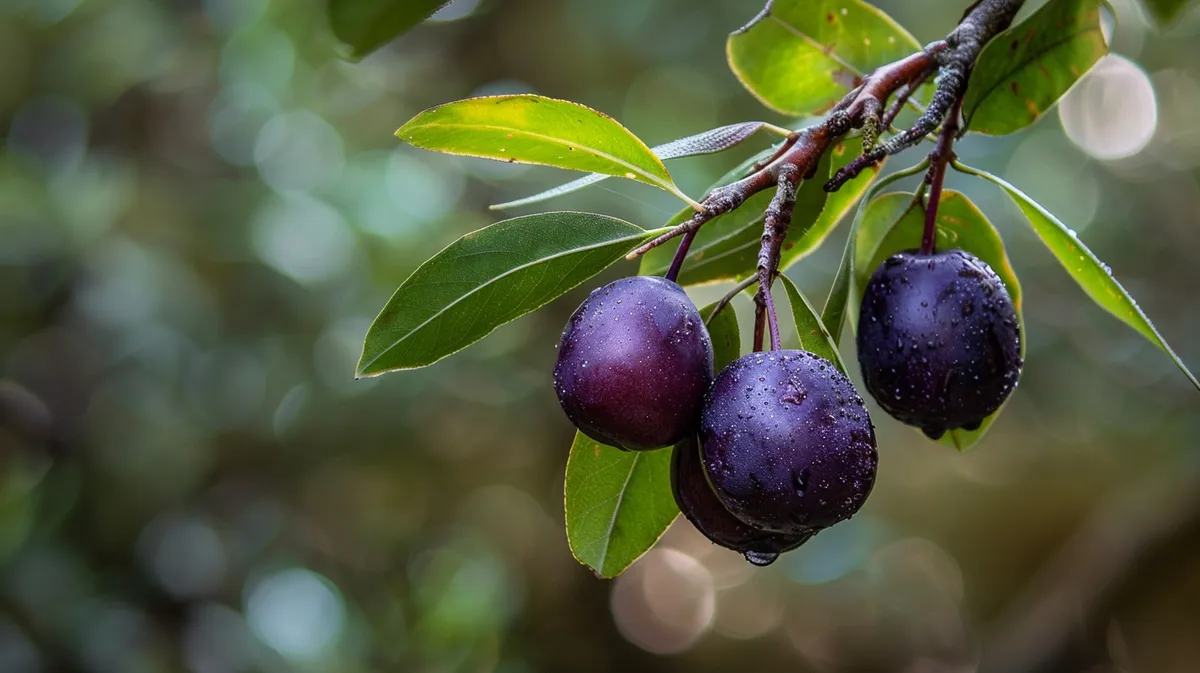
Davidson Plum (Davidsonia pruriens) grows wild in North Queensland rainforest. The fruit is intensely sour, deep purple, and packed with antioxidants. You won't eat it raw, but jams, sauces, desserts, and glazes become extraordinary.
Where to plant: Part shade is actually preferred. Davidson Plum is a rainforest understory tree that handles dappled light under larger trees. Plant 4 metres from others. Prefers rich, moist soil with good drainage. Slightly acidic (pH 5.0-6.5).
When to plant: Spring or autumn. Buy a grafted plant from specialty nurseries like Daleys Fruit. Seedlings are slow (5+ years to fruit), grafted trees fruit in 3-4 years.
How to harvest: Fruit ripens in late autumn (May to June). Pick when fully dark purple, otherwise it's painfully sour. A mature tree produces 10 to 20kg per season.
Kitchen uses: The only kitchen use is cooking. Make jam with equal parts fruit and sugar, or sauce for roasted meat. Add to ice cream, cheesecake, or native-inspired dressings. The intense tartness makes it a perfect foil for rich desserts.
Why it's worth growing: Premium native fruit. Specialty shops sell small punnets for $15-20. One mature tree produces a harvest you can preserve in jars. Unique, rarely available commercially, and impressively tough. Handles SEQ humidity and shade naturally.
3. Mountain Pepper: The Native Peppercorn
Mountain Pepper (Tasmannia lanceolata) is not a true pepper, but its small black berries have hot, peppery bite. The leaves are edible too, fresh with a peppery zing. It's bushfood spice in its purest form.
Where to plant: Part shade to full shade works best. Mountain Pepper is a cool-climate native but tolerates SEQ mild summers. It prefers shadier, cooler positions, so tuck it under taller trees or on south-facing sides of buildings. Hinterland and Scenic Rim zones are ideal for healthiest plants. Space 2 metres apart.
When to plant: Spring or autumn. Sourcing is harder than other natives. Specialty nurseries and seed suppliers like Green Harvest stock it. Grow from seed (takes longer) or cuttings (faster establishment).
How to harvest: Leaves are harvestable year-round once the plant is established (2-3 years old). Pick fresh, use immediately. Berries form in summer, ripen to black in autumn. Harvest and dry for spice storage. A mature plant yields a handful of dried berries per season.
Kitchen uses: Dried berries ground as a native pepper replacement. Fresh leaves used in peppery rubs for meat and fish. Infuse berries into oils or vinegars. Use sparingly: it's genuinely hot.
Why it's worth growing: Premium native spice rarely found in supermarkets. Once established, it's pest-free and low-water. Adds sophisticated local flavour to everyday cooking. Slow grower, but long-lived (50+ years).
4. Pigface: The Drought-Proof Native Groundcover
Pigface (Carpobrotus glaucescens) is a succulent native to Australia's coastal regions. Incredibly drought-hardy, it thrives in hot, sandy, salty spots where almost nothing else survives. The leaves are salty and succulent (eat raw), the pink-purple flowers are sweet, and the fruit tastes like a salty fig.
Where to plant: Full sun, poor sandy or rocky soil, hot dry corners. This is where Pigface shines. Use it as a groundcover in impossible spaces. Space plants 40cm apart. It spreads via creeping stems, covering ground in one season.
When to plant: Year-round from cuttings. Spring and autumn are easiest. Cuttings root in 2-3 weeks with almost zero care.
How to harvest: Flowers appear spring and summer. Pick petals for sweet snacks. Leaves are harvestable anytime. Pick tender young leaves for salads (salty crunch). Fruit forms in summer, eat fresh (salty-sweet fig flavour). Flowers and leaves regenerate immediately after picking.
Kitchen uses: Edible flowers eaten fresh as a sweet snack. Succulent leaves tossed raw in salads (salty, mineral flavour). Fruit eaten fresh. Leaves cooked lightly as a native green vegetable in curries or stir-fries.
Why it's worth growing: Free garden asset. Cuttings root so easily you'll have dozens to share. It requires zero feeding, zero watering, zero maintenance. Perfect for dry shade under eaves or hot paving edges. The edible flowers and leaves mean even unused space is productive.
5. Native Raspberry: Queensland Rainforest Berry
Native Raspberry (Rubus probus) is an Australian native bramble with sweet, fragrant berries. Like other raspberries it has prickly canes that can form a thicket, so keep it pruned. It is evergreen in SEQ, fruiting spring through autumn.
Where to plant: Part shade to full shade. It's an understory scrambler in native rainforest. Plant in dappled light under larger trees. Space 1 metre apart if you're planning a line, or give it a trellis or support structure (it grows 1-2m tall and spreads). Moderate moisture preferred, well-drained soil.
When to plant: Spring or autumn. Source cuttings from specialty nurseries or native plant suppliers. Seeds germinate slowly, cuttings are faster.
How to harvest: Flowers appear spring, fruit follows summer through autumn. Berries ripen dark purple-black. Pick ripe fruit by gently rolling berries off into your hand (they're delicate). A single plant easily produces 1-2kg per year with minimal management.
Kitchen uses: Eat fresh straight from the plant. Make jam (equal parts fruit and sugar). Blend into smoothies. Add to desserts and fruit salads. Freeze whole for winter use.
Why it's worth growing: Premium native berry. Specialty shops sell small punnets for $5-10. Evergreen and reliably productive, though the canes are prickly. Handles SEQ shade naturally. One plant feeds a family fresh berries for months.
Why Native Edibles Are the Smarter Choice
Native edibles ask almost nothing of you. No frost protection. No frost-tender tantrums when spring frosts strike. No daily fussing over water schedules. They handle SEQ's humidity without constant disease management. They're designed to live here, so they thrive here.
Lemon Myrtle and Mountain Pepper tolerate poor soil. Pigface laughs at drought. Davidson Plum handles our shade and humidity. Native Raspberry produces fruit without a fuss. This is the opposite of growing tomatoes and capsicums, which demand rich feeding, careful watering, pest vigilance, and disease management.
Plant all five in different corners of your garden (or containers, if space is tight). In 3-5 years, you've built a native edible production system that pays you in fruit, leaves, and flowers indefinitely.
Frequently Asked Questions
Can I eat the leaves from all native edible plants?
No. Lemon Myrtle and Mountain Pepper both have edible leaves and berries, and you can harvest leaves continuously. Pigface leaves, flowers, and fruit are all edible. But Davidson Plum and Native Raspberry only produce edible fruit from the tree or bush, not leaves. Always verify which part of a plant is edible before eating it.
How long until native fruit trees produce a crop?
Lemon Myrtle leaves are harvestable 1-2 years after planting a grafted tree. Mountain Pepper takes 2-3 years. Pigface is harvestable within 12 months if grown from cuttings. Davidson Plum and Native Raspberry are slow, taking 3-5 years before significant fruit, but both are long-lived and worth the wait. Buy grafted plants to speed fruit production.
Do native edibles need special soil or feeding in Brisbane?
Native plants are adapted to SEQ soil naturally. Lemon Myrtle and Mountain Pepper prefer slightly acidic soil (pH 5.0-6.5), which Brisbane's sandy loam provides. Plant into compost-rich holes at planting time and then leave them alone. Once established, they need minimal feeding. Avoid high-nitrogen fertilisers, which push leaf growth over flowers and fruit. A light mulch and occasional compost top-up is all most natives need.
Plant profiles
Each profile has sowing times for your region, companion plants and common pests.
Free Monthly Planting Calendar
Get a personalised email each month with what to plant, seasonal tips, and harvest reminders for your region.
We send one email per month. Unsubscribe any time.