Good Bugs vs Bad Bugs: A Photo Guide for Australian Gardens
Published October 2026
Not every insect on your vegetables is a pest. Ladybirds, lacewings, hoverflies, parasitic wasps, assassin bugs, predatory mites, spiders and native bees all work for you, and a few of them look a lot like the pests they help control. This guide puts the common mix-ups side by side with real photos, so you can check what you have before you squash or spray it.
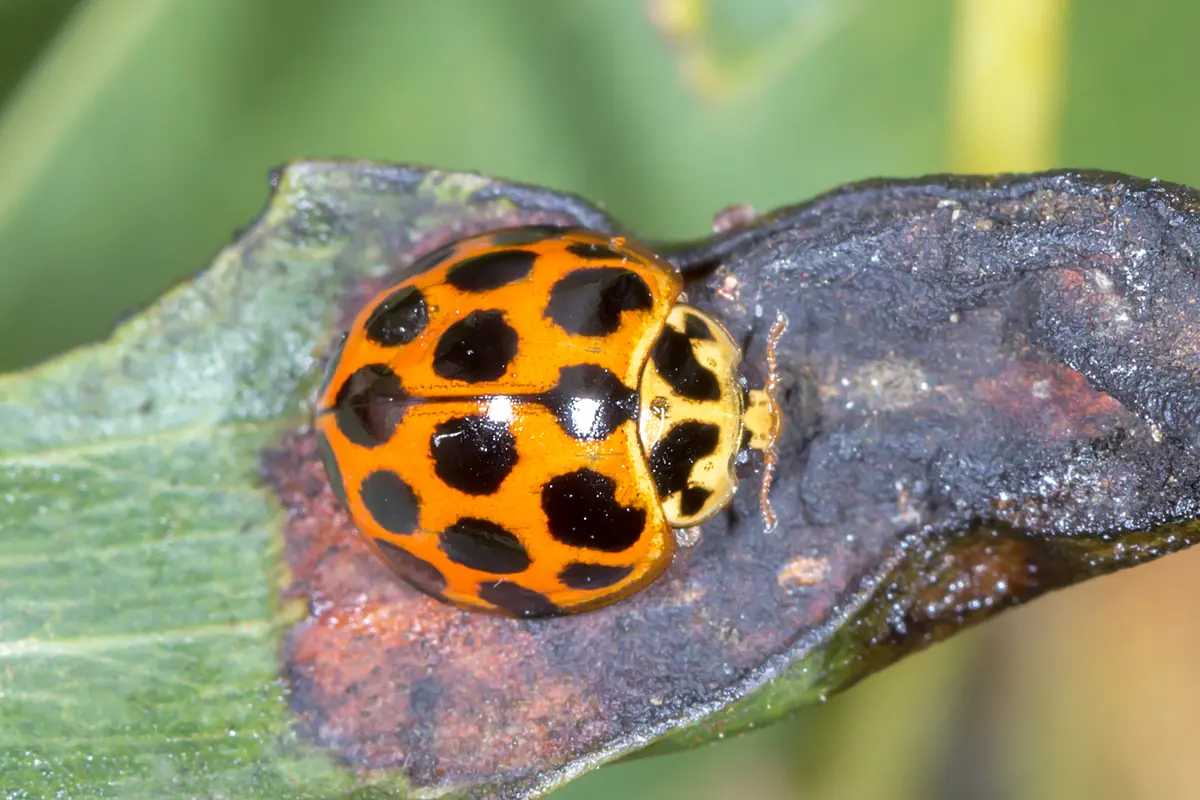
Quick check: what am I looking at?
| What you see | Most likely | What to do |
|---|---|---|
| Orange-brown beetle with many black spots on lacy, grazed leaves | 28-spotted ladybird (pest) | Hand-pick adults and larvae; squash the yellow egg clusters |
| Smaller, shinier ladybird near aphids | Helpful ladybird | Leave it |
| Dark, alligator-shaped larva with orange spots | Ladybird larva (helper) | Leave it |
| Spiky yellow larva on grazed potato, tomato, bean or pumpkin leaves | 28-spotted ladybird larva (pest) | Hand-pick it |
| Striped fly hovering dead still over flowers | Hoverfly (helper) | Leave it |
| Brown, wasp-sized fly with yellow markings on ripening fruit | Queensland fruit fly (pest) | Bag fruit or net plants |
| Swollen tan aphids that no longer move | Aphid mummies (parasitic wasps at work) | Hold off on sprays |
| Shield-shaped bugs clustered on citrus, with a foul smell | Bronze orange bug (pest) | Wear goggles; knock them into soapy water |
| Fine webbing and pale stippling on leaves in hot, dry weather | Spider mites (pest) | Hose leaf undersides; protect predatory mites |
28-spotted ladybird (pest) vs helpful ladybirds
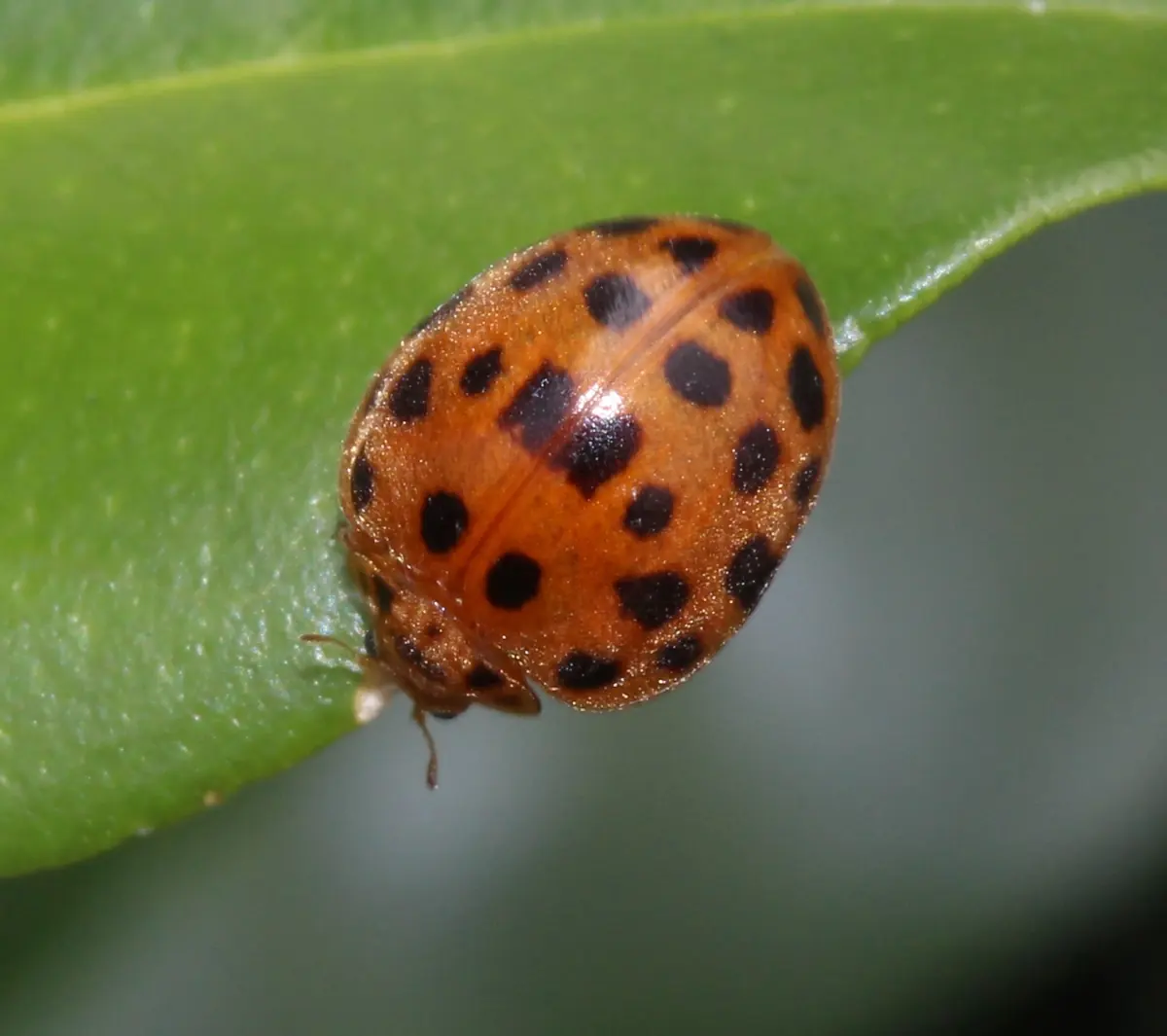
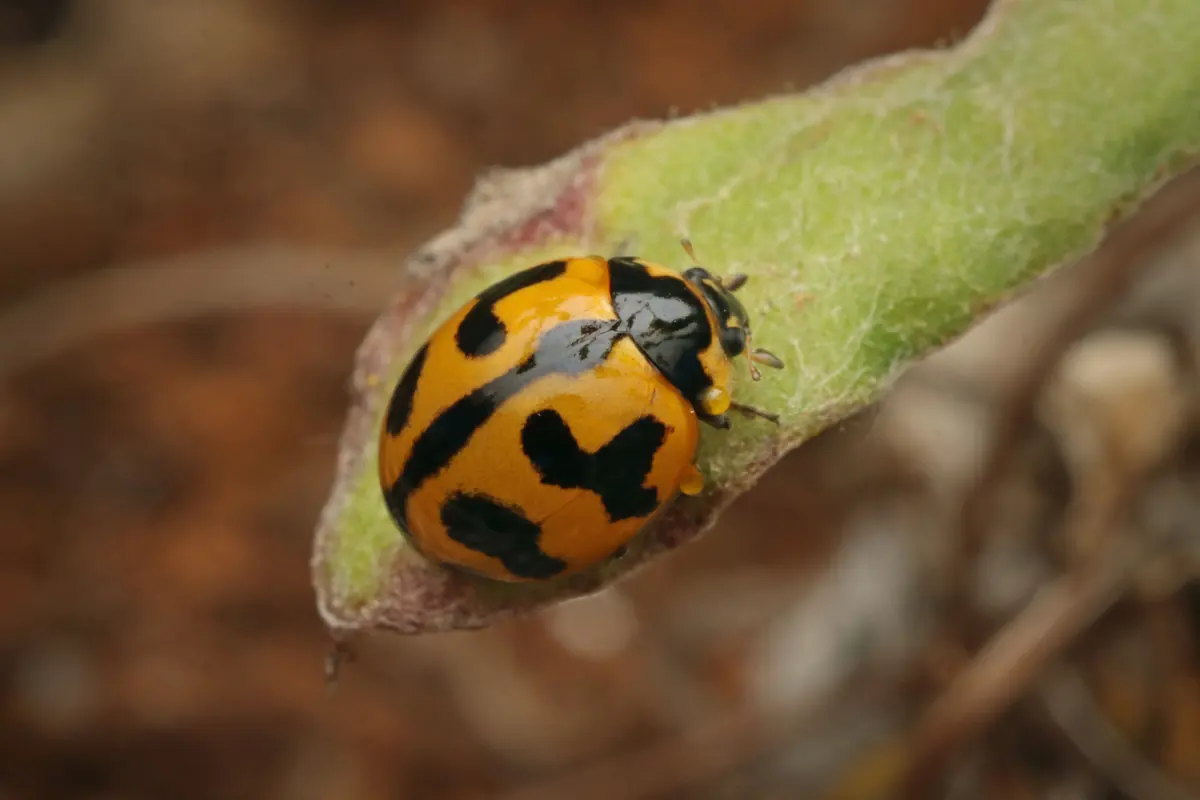
How to tell them apart. Most ladybirds are on your side, but the 28-spotted ladybird is the rare plant-eating one. It is a dome-shaped, orange-brown beetle covered in black spots, larger and duller than the helpful ladybirds, which are smaller, shinier and have fewer spots.
The surest sign is the damage. Adults and larvae of the 28-spotted ladybird graze the leaves of potatoes, tomatoes, beans and pumpkins, leaving a lacy skeleton between the veins, while helpful ladybirds eat aphids. The spotted ladybird (Harmonia conformis) and the transverse ladybird shown here are both helpers. In the photo, the transverse ladybird carries black bands and patches rather than round spots.
Ladybird larvae (good) vs 28-spotted ladybird larvae (pest)
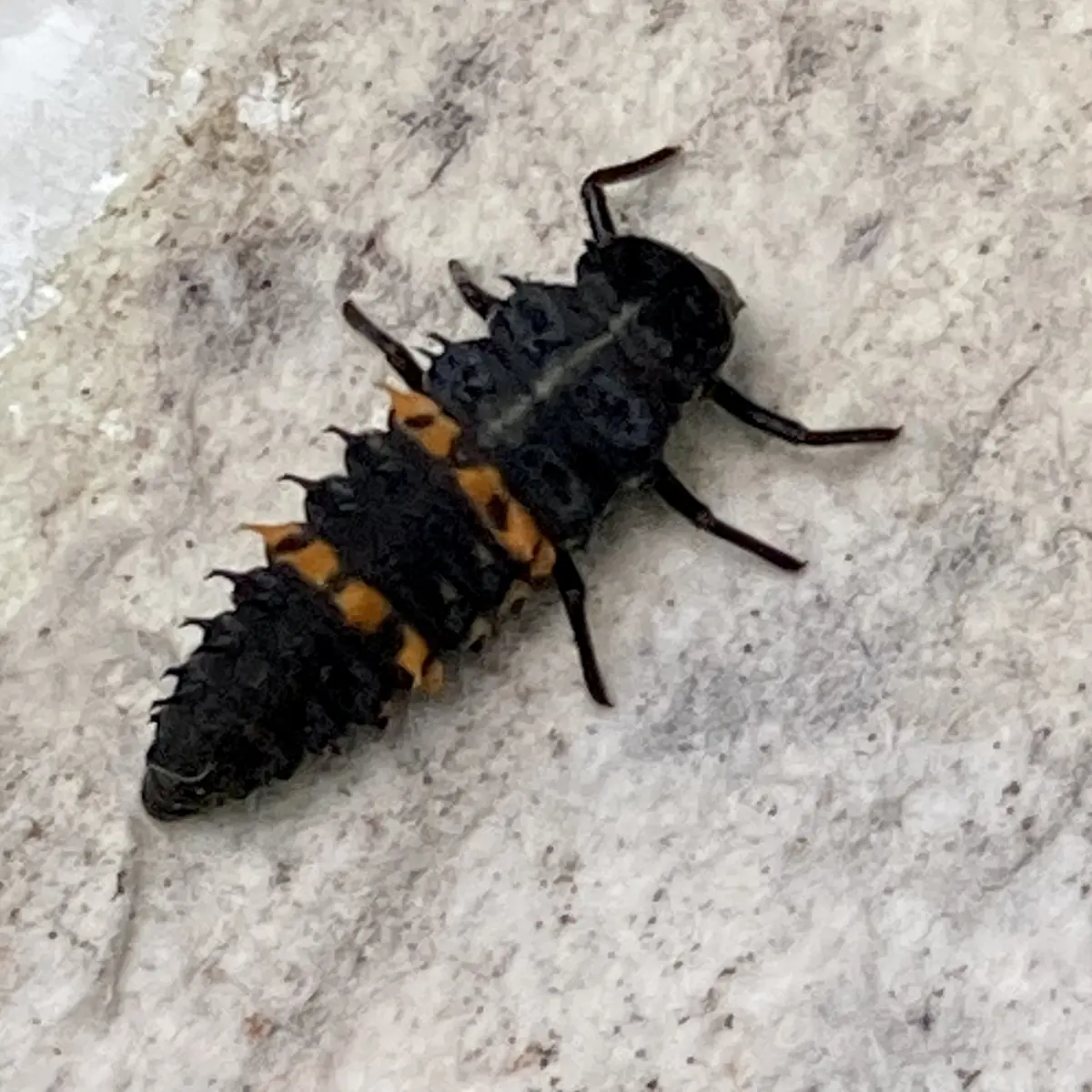
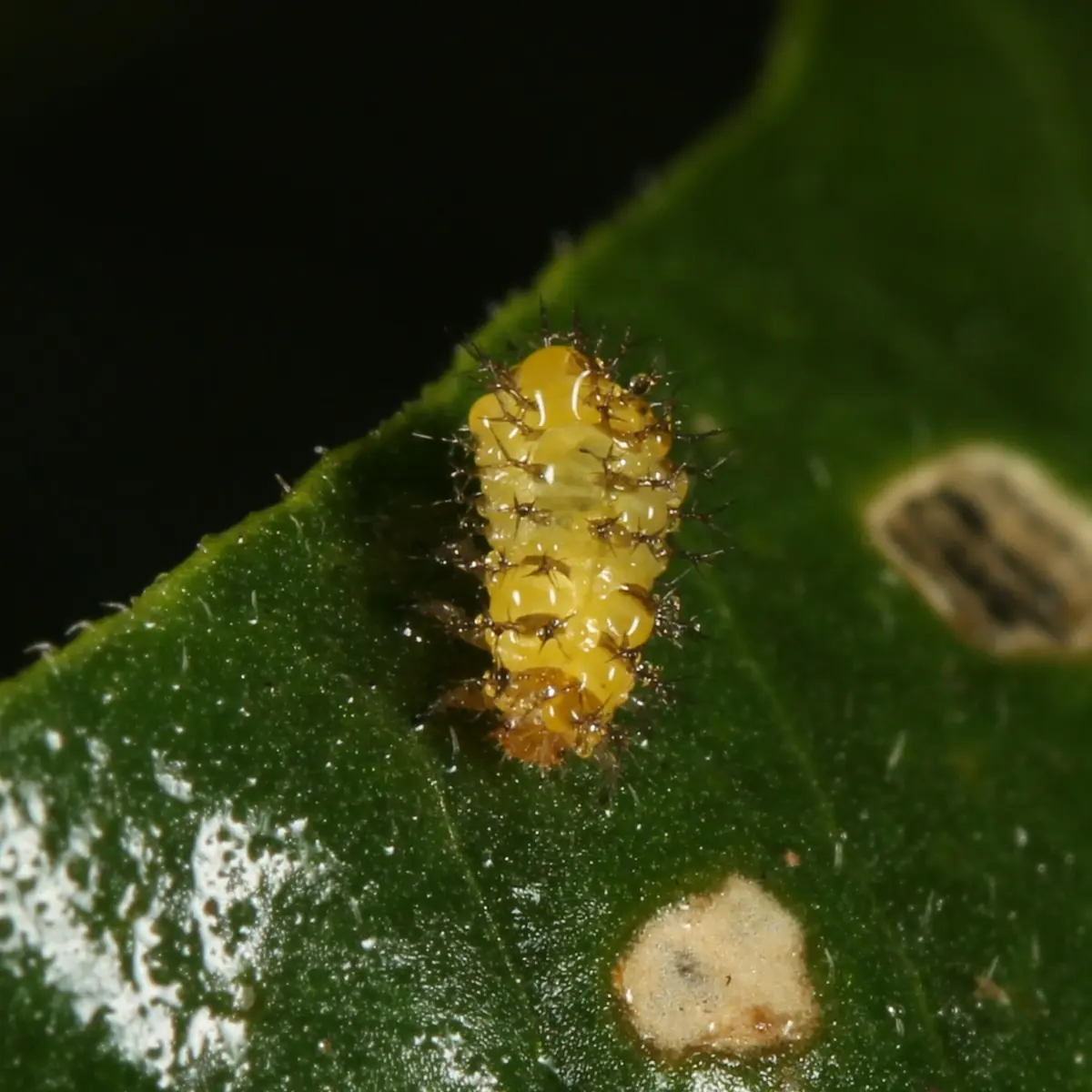
How to tell them apart. Ladybird larvae look nothing like the adult beetles, which is why they get squashed by mistake. Helpful ladybird larvae are little blue-grey alligators with orange spots, and they eat aphids.
The larvae of the 28-spotted ladybird are spiky and yellowish. They feed on leaf undersides, beside the same lacy grazing the adults leave. A dark, alligator-shaped larva near an aphid colony is a helper, so leave it. A spiky yellow larva on a grazed potato, tomato, bean or pumpkin leaf is a pest, so hand-pick it.
Hoverflies (good) vs Queensland fruit fly and European wasps
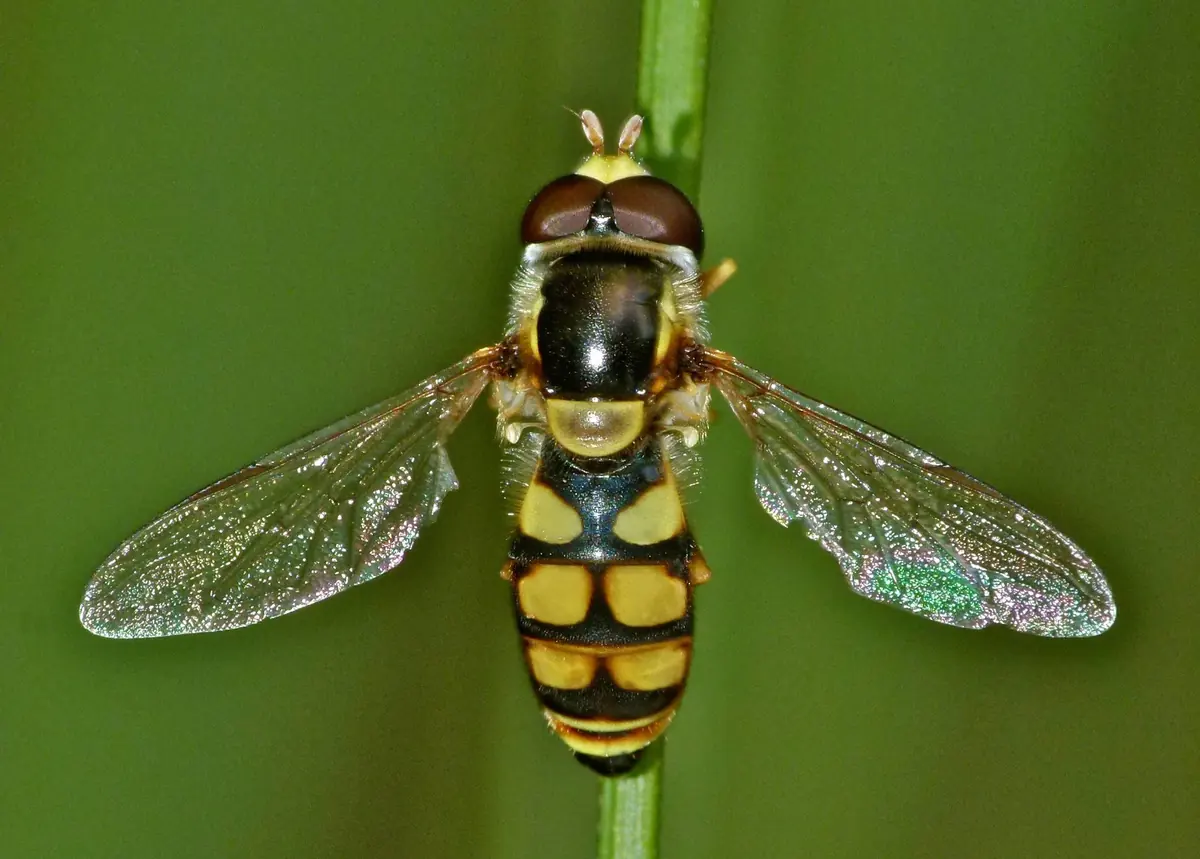
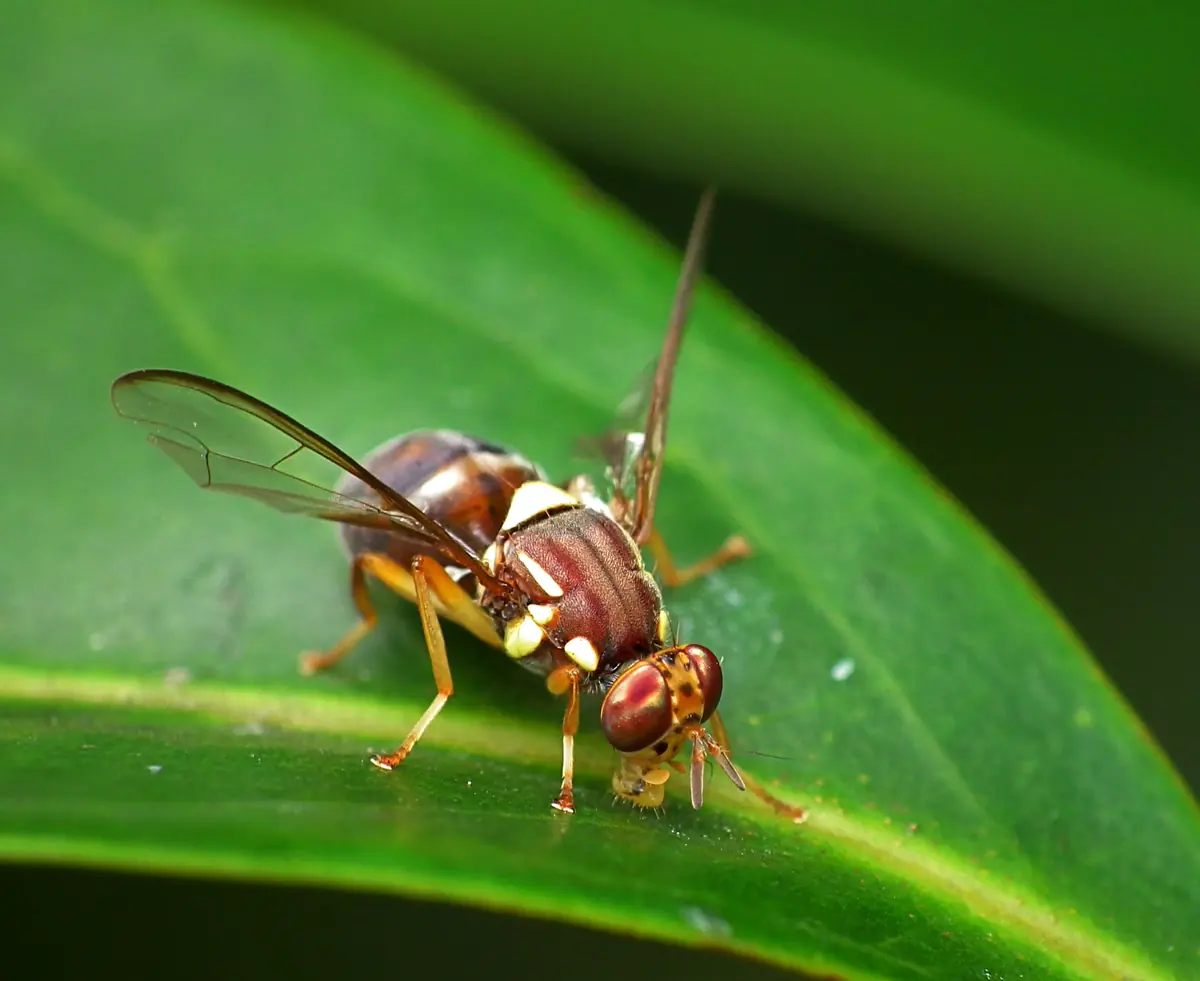

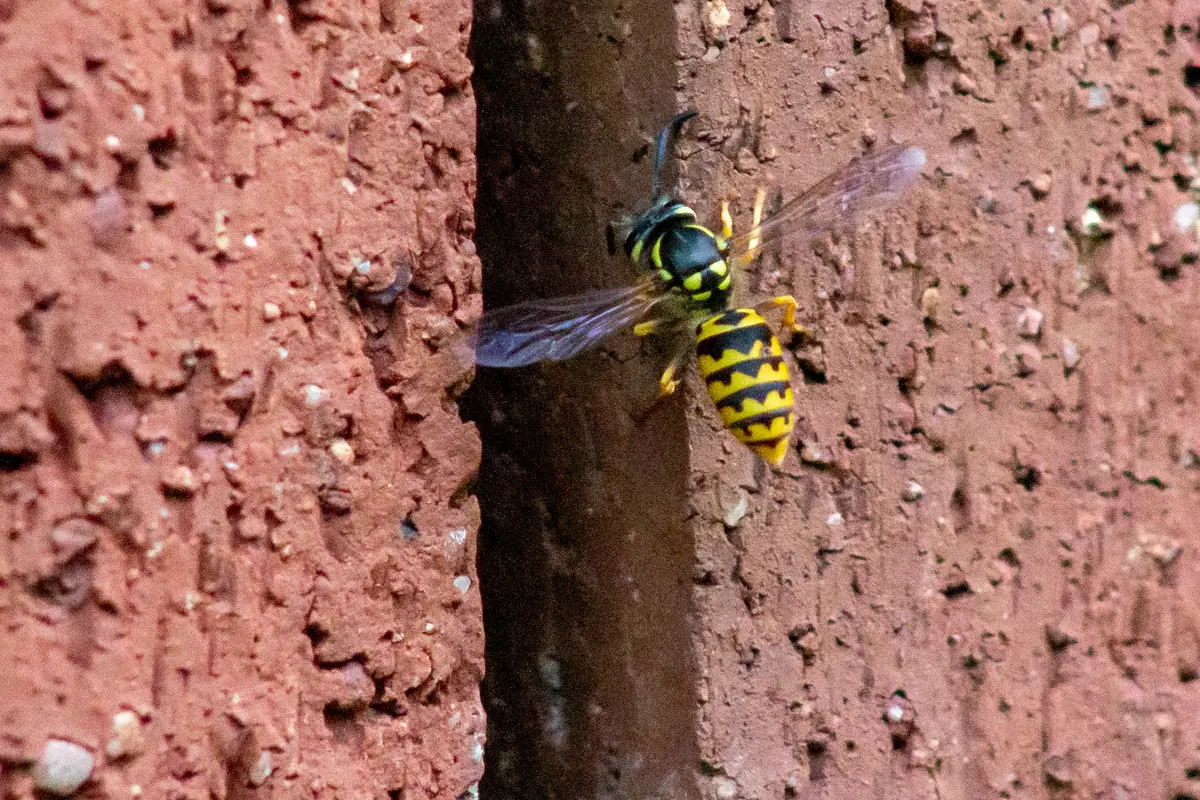
How to tell them apart. Hoverflies are the great imposters of the garden. They are coloured like a bee or a wasp, but they have one pair of wings, enormous fly eyes and stubby antennae, and they hover dead still in the air before darting away. Adults pollinate, and their larvae eat aphids by the hundred.
Queensland fruit fly is wasp-sized and brown, with clear wings and yellow markings on the body. You usually find it on or near ripening fruit, where the females sting the skin to lay eggs inside. The European wasp is bright lemon-yellow and black, smooth and nearly hairless, with a narrow waist, and it folds its wings along its body at rest. It is drawn to meat, sweet drinks and pet food rather than flowers, and it can sting repeatedly. Never block a nest entrance; report nests to your council or a pest controller.
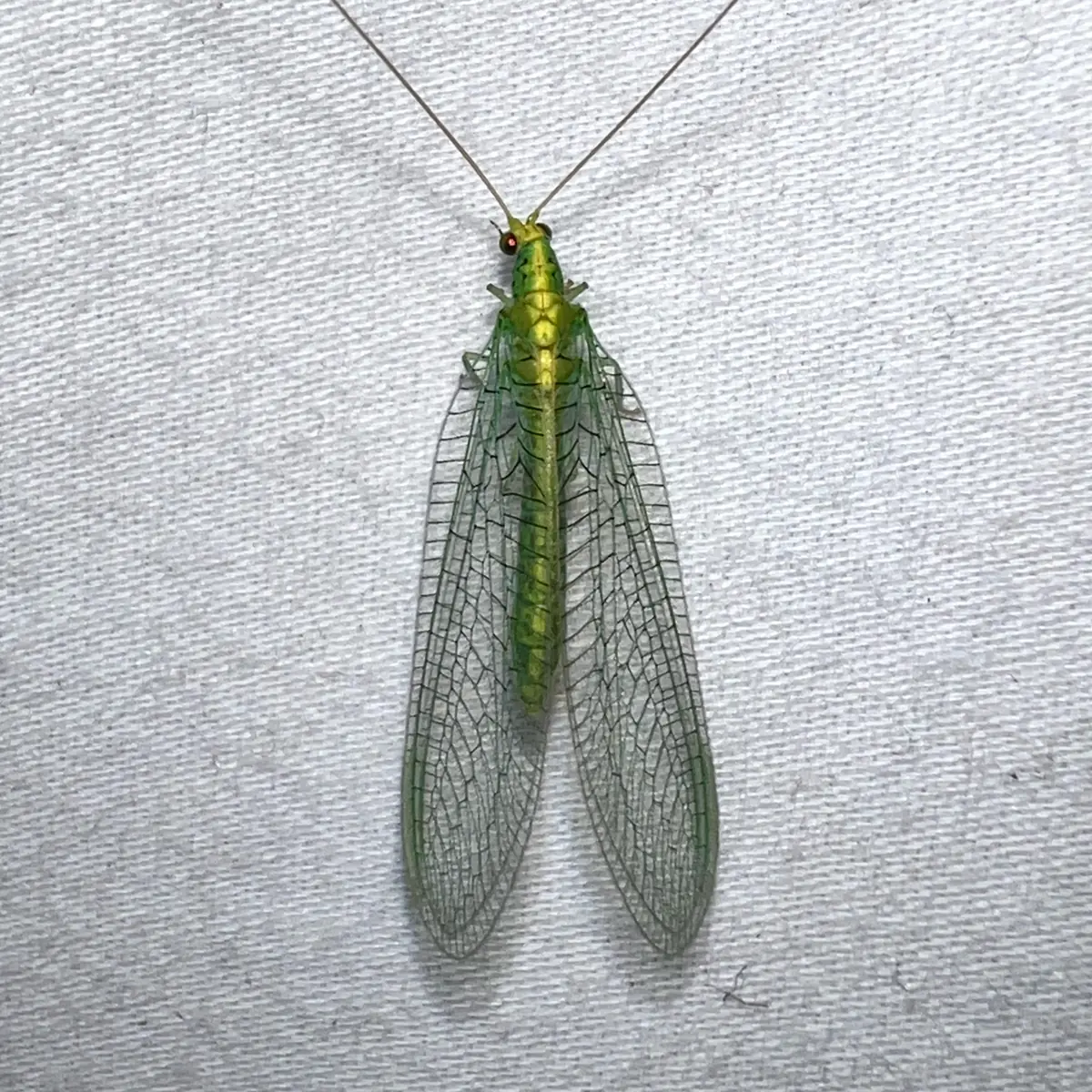
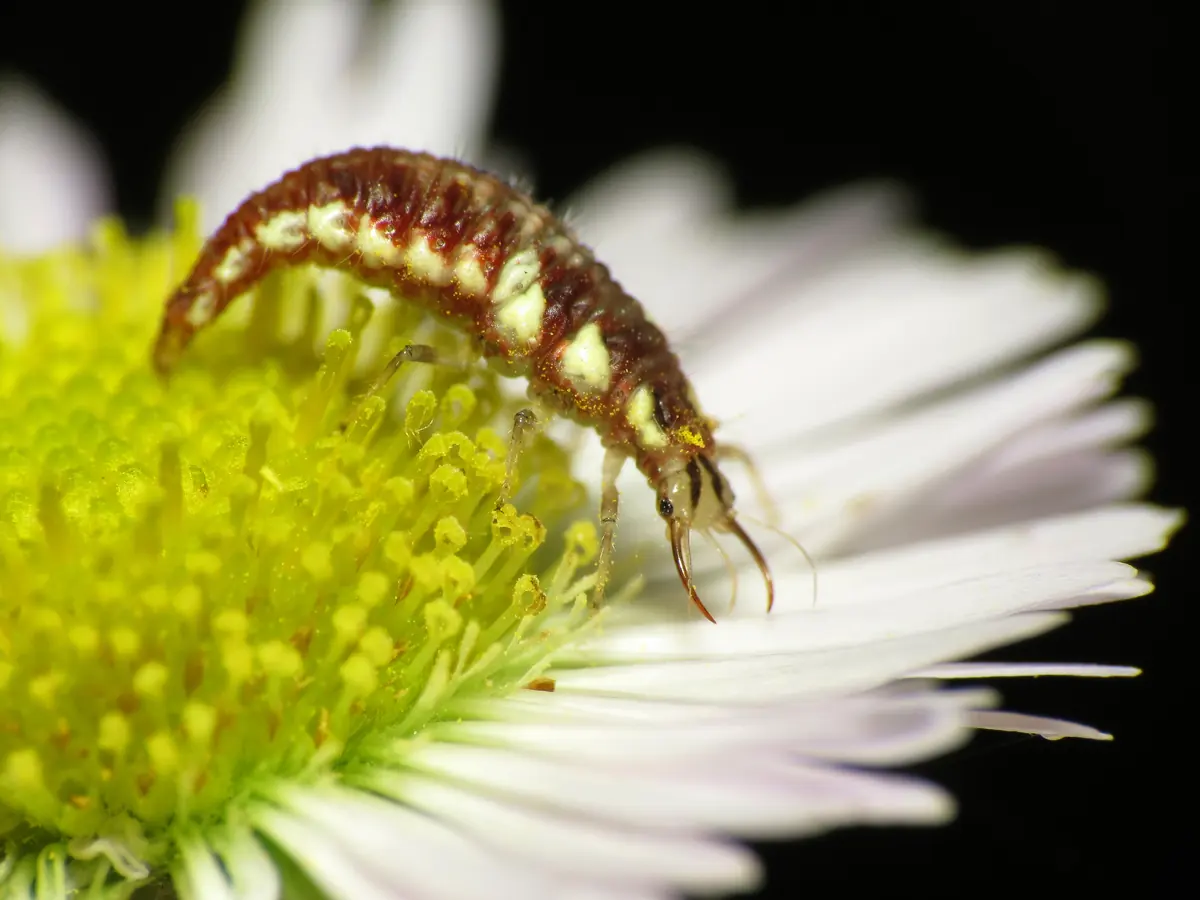
Lacewings and their larvae (good)
.jpg)
How to tell them apart. Lacewings and ladybirds each eat dozens of aphids a day. In the photo, the adult lacewing is a slender green insect with long antennae and large clear, net-veined wings. The larvae are spiky and fast, and they hunt aphids on leaves and flowers.
Small-flowered plants such as alyssum, dill, fennel and yarrow feed lacewings and keep them in the garden, and avoiding harsh sprays lets their numbers build.
Assassin bugs (good) vs bronze orange bugs and green vegetable bugs (pests)
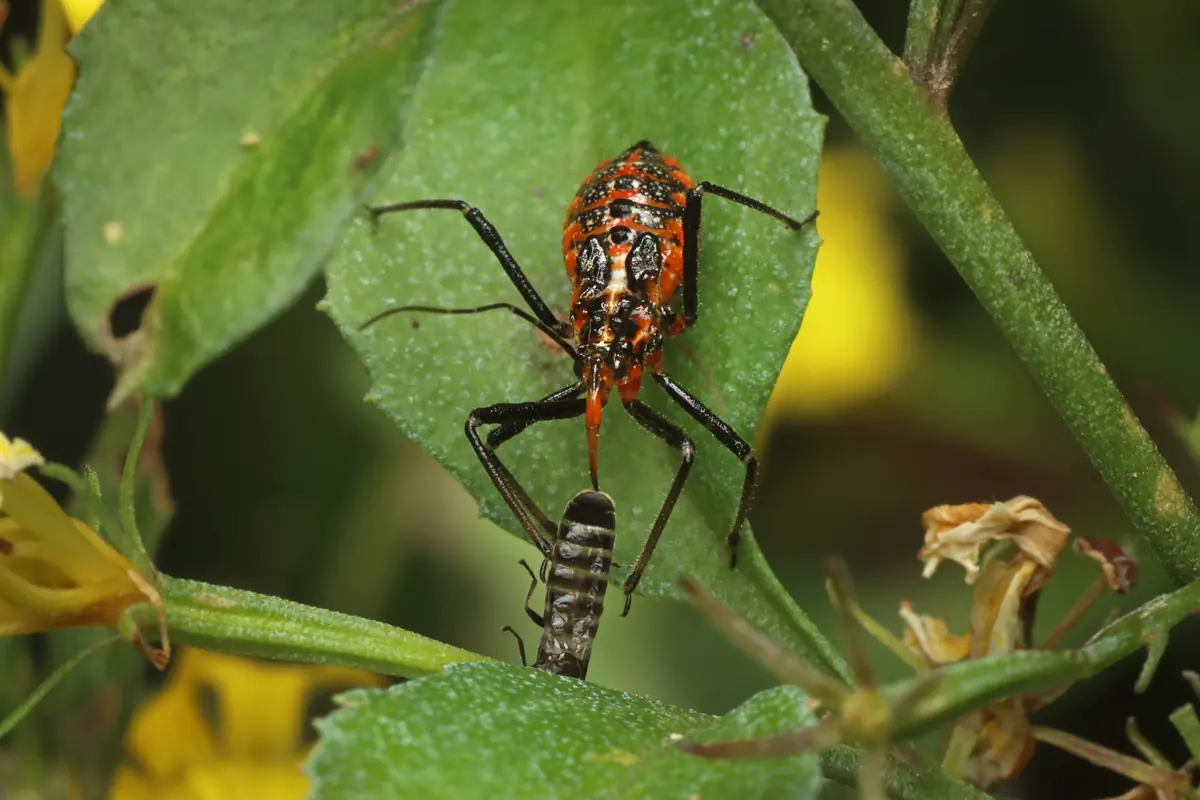
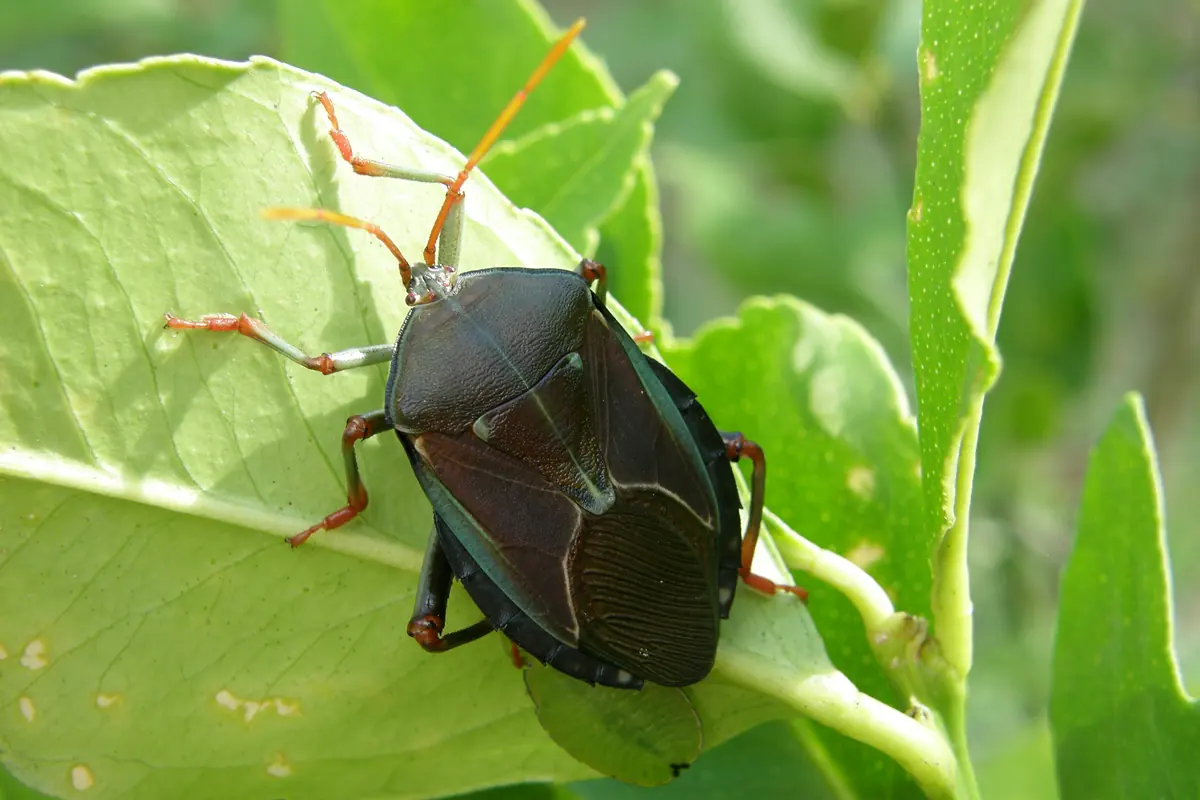

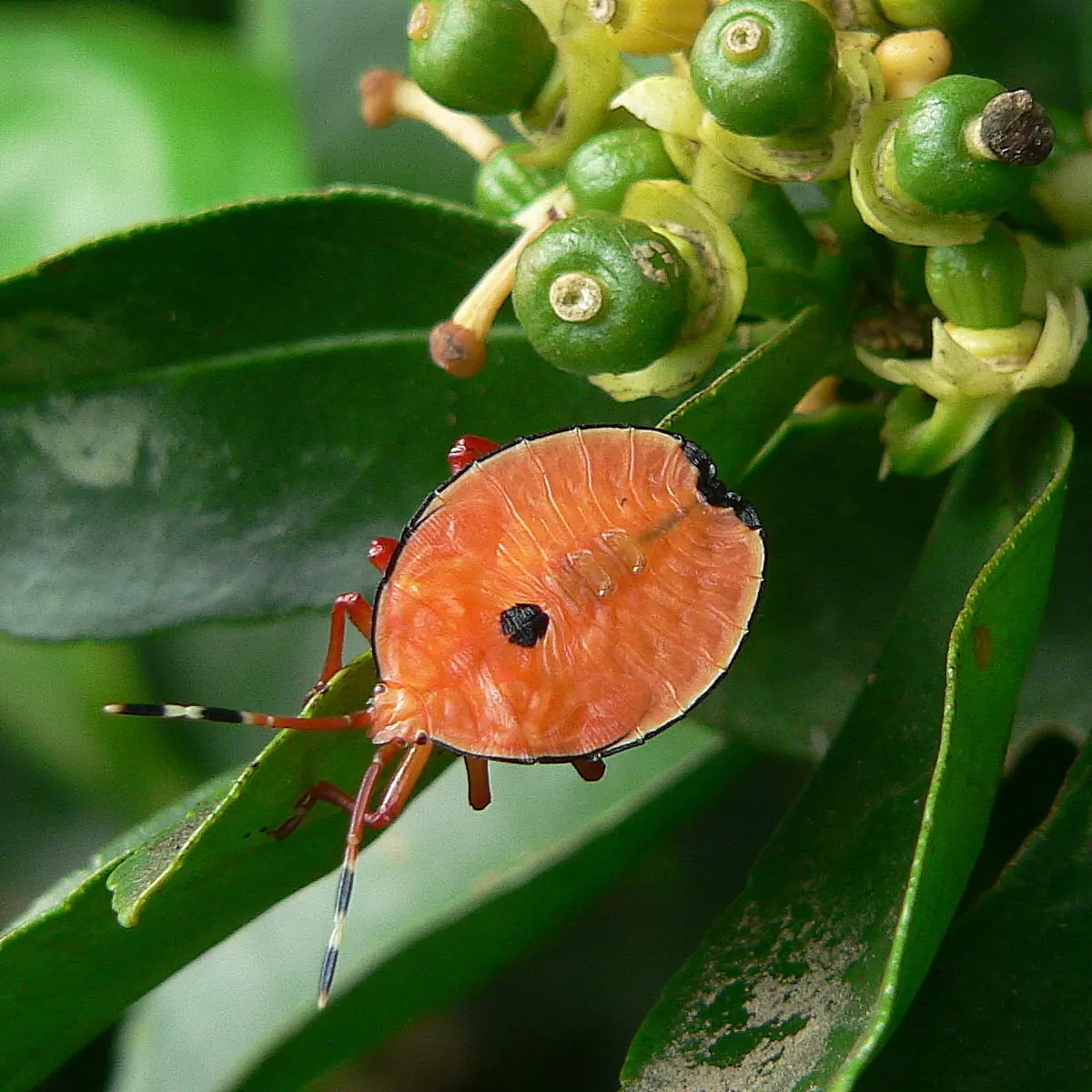
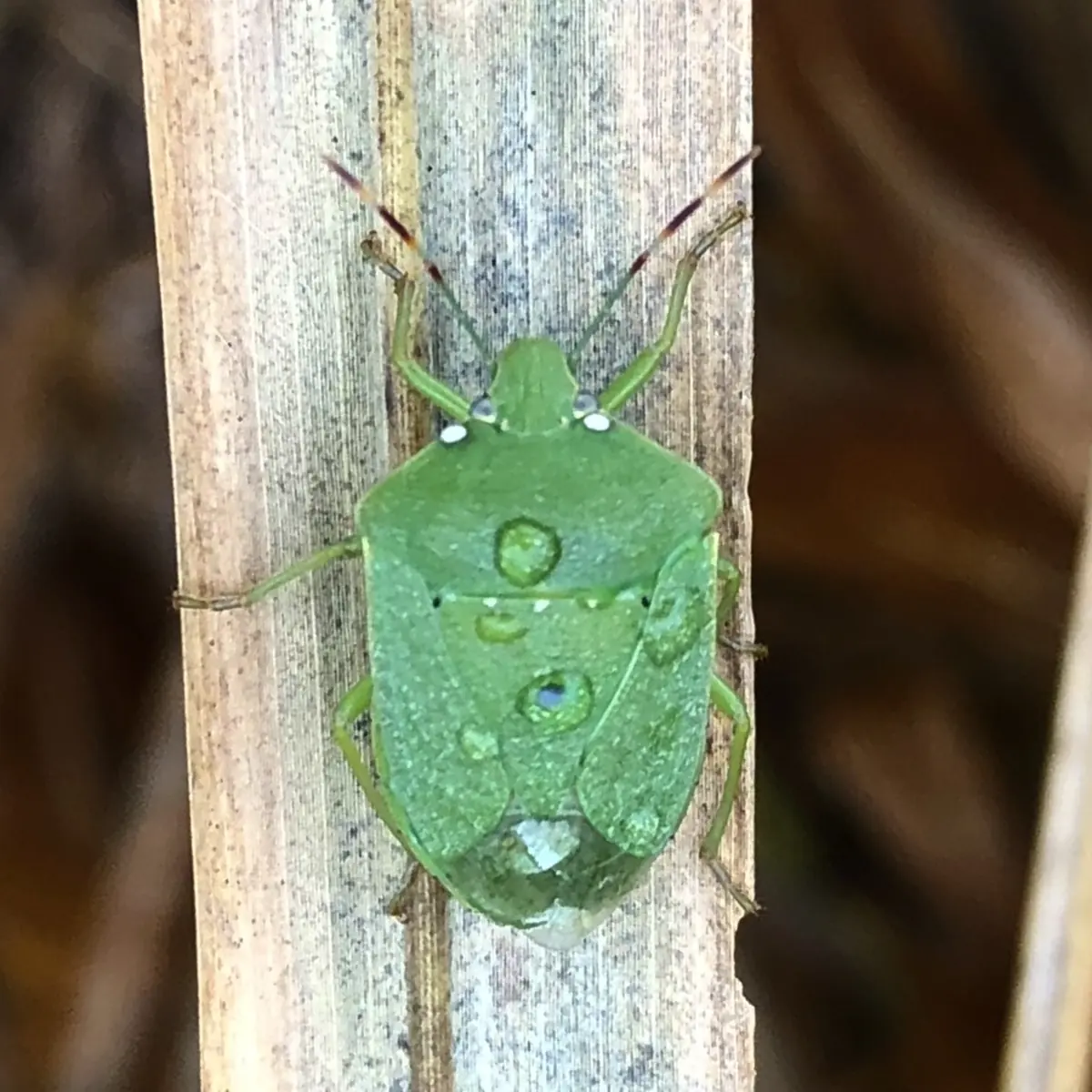
How to tell them apart. These can look alike at a glance. Bronze orange bugs are shield-shaped bugs that cluster on citrus stems and new growth. They are green when young, turn orange, then become bronze-black as adults. They give off a strong foul smell and a caustic spray that can burn skin and eyes, so wear goggles, gloves and long sleeves when you deal with them.
The green vegetable bug is another shield-shaped stink bug. In South East Queensland it is drawn to sunflowers, so a few sunflowers work as a trap crop. Assassin bugs are predators that help keep these pests down. In the photo, the assassin bug has a narrow head and long legs rather than a broad shield. Avoid broad sprays so assassin bugs and other predators can do their work.
Praying mantis (good)
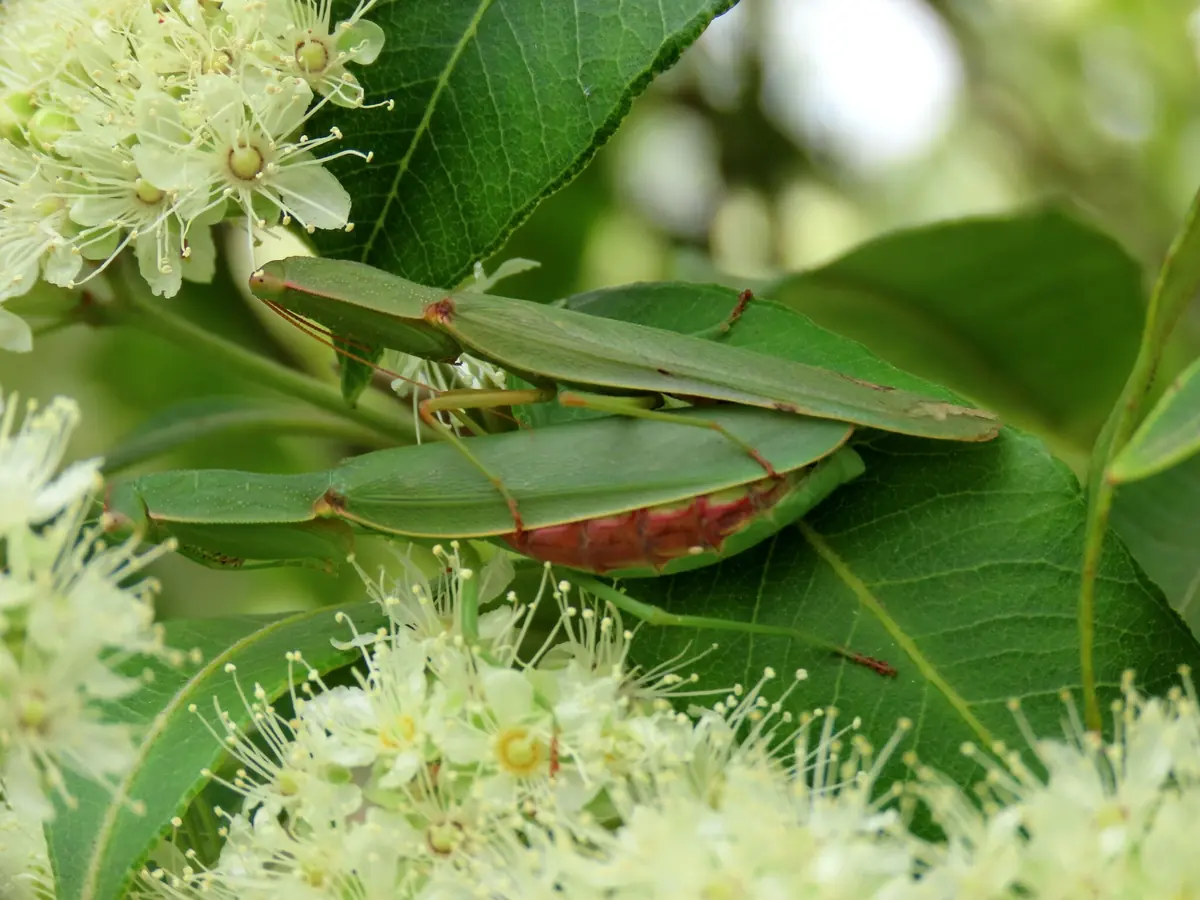
How to tell them apart. Our pest management guide lists the praying mantis among the beneficial insects to welcome. In the photo, the garden mantis is bright green and sits among flowers. If you find one, leave it where it is. Broad-spectrum insecticides kill beneficial insects along with the pests, so keep them for a last resort.
Parasitic wasps and aphid mummies (good) vs live aphids (pest)
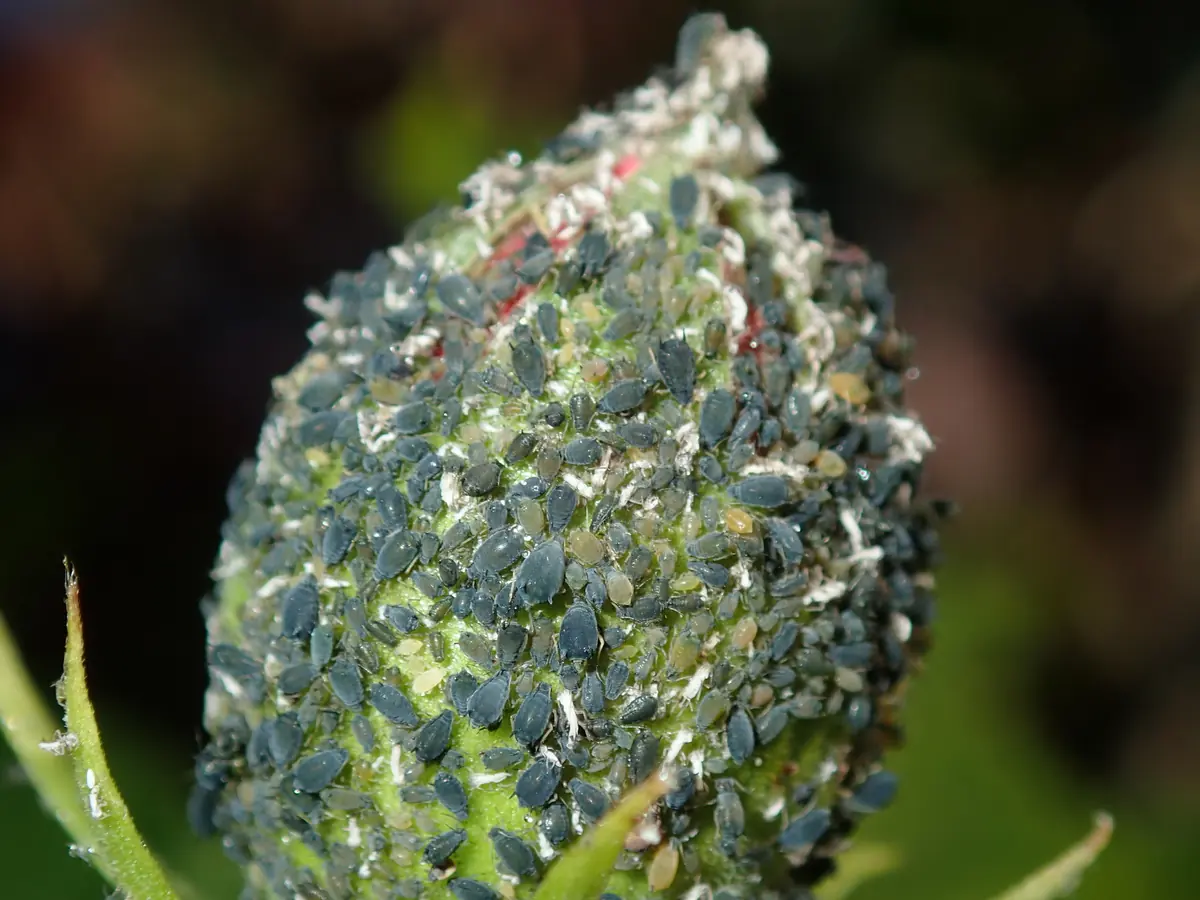
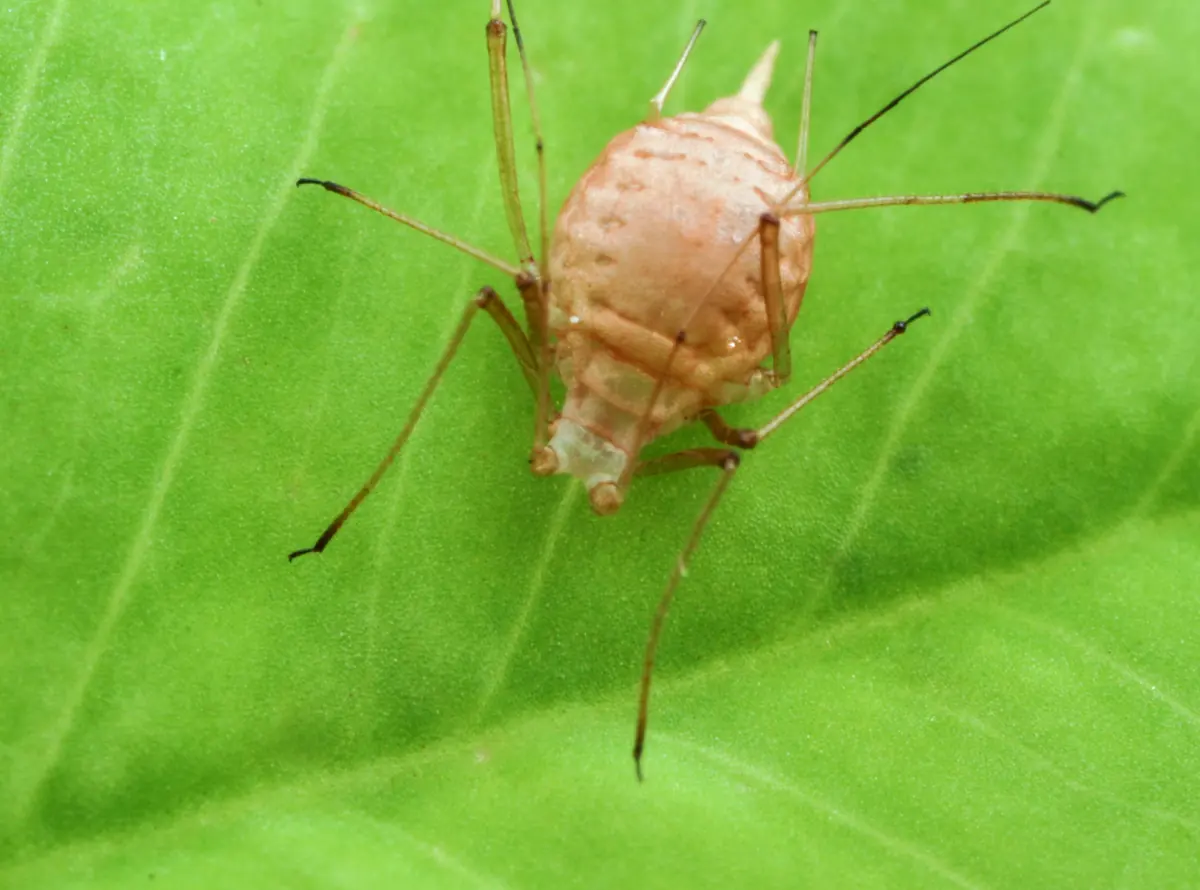

How to tell them apart. Parasitic wasps are tiny and easy to miss, but you can see their work. They lay their eggs inside caterpillars and aphids, and an aphid mummy is the hollow shell of an aphid killed by a parasitoid wasp. In the photo, the mummy is a swollen, tan aphid that no longer moves, while live aphids are soft and cluster on new shoots and leaf undersides.
Mummies among a colony mean the wasps have found it, so hold off on sprays and let them work. Flowering dill, coriander and fennel attract parasitic wasps.
Predatory mites and spiders (good) vs spider mites (pest)
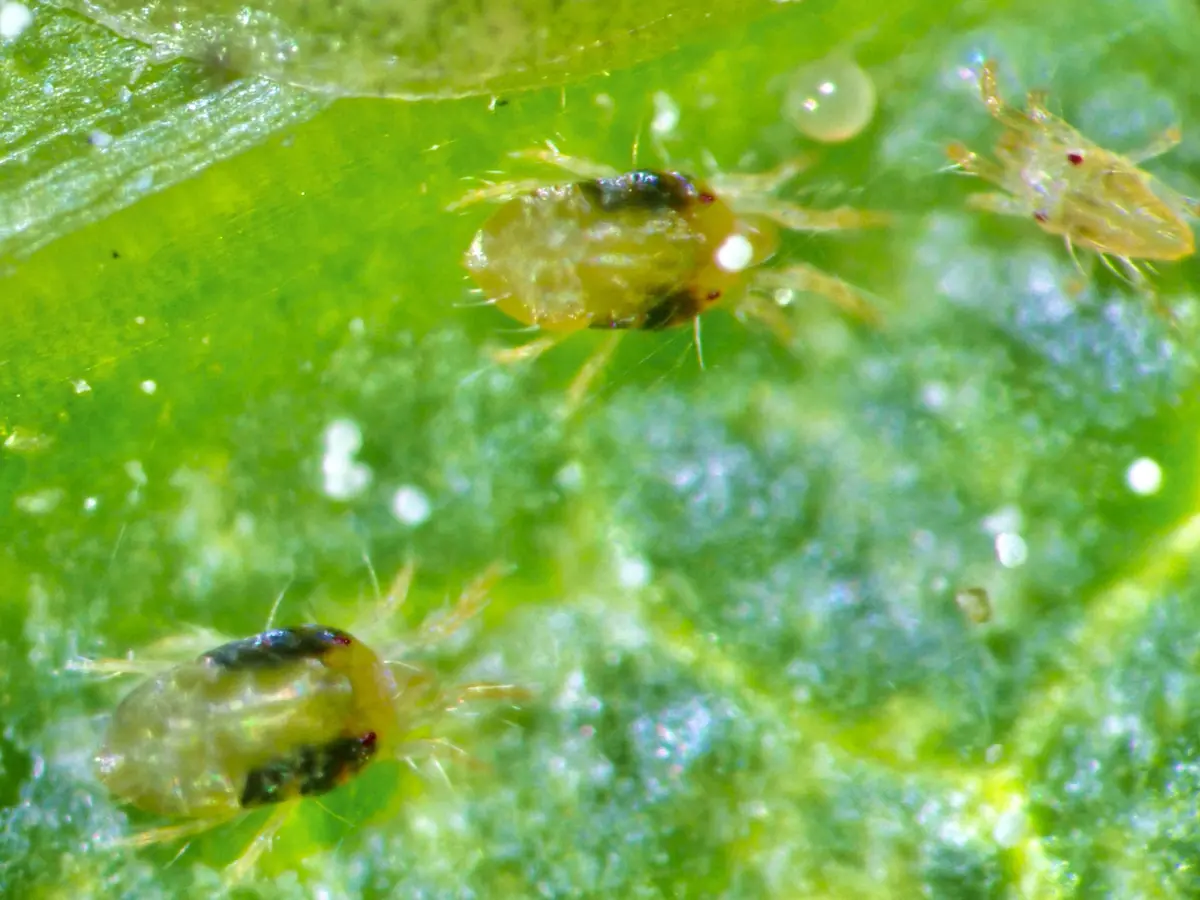
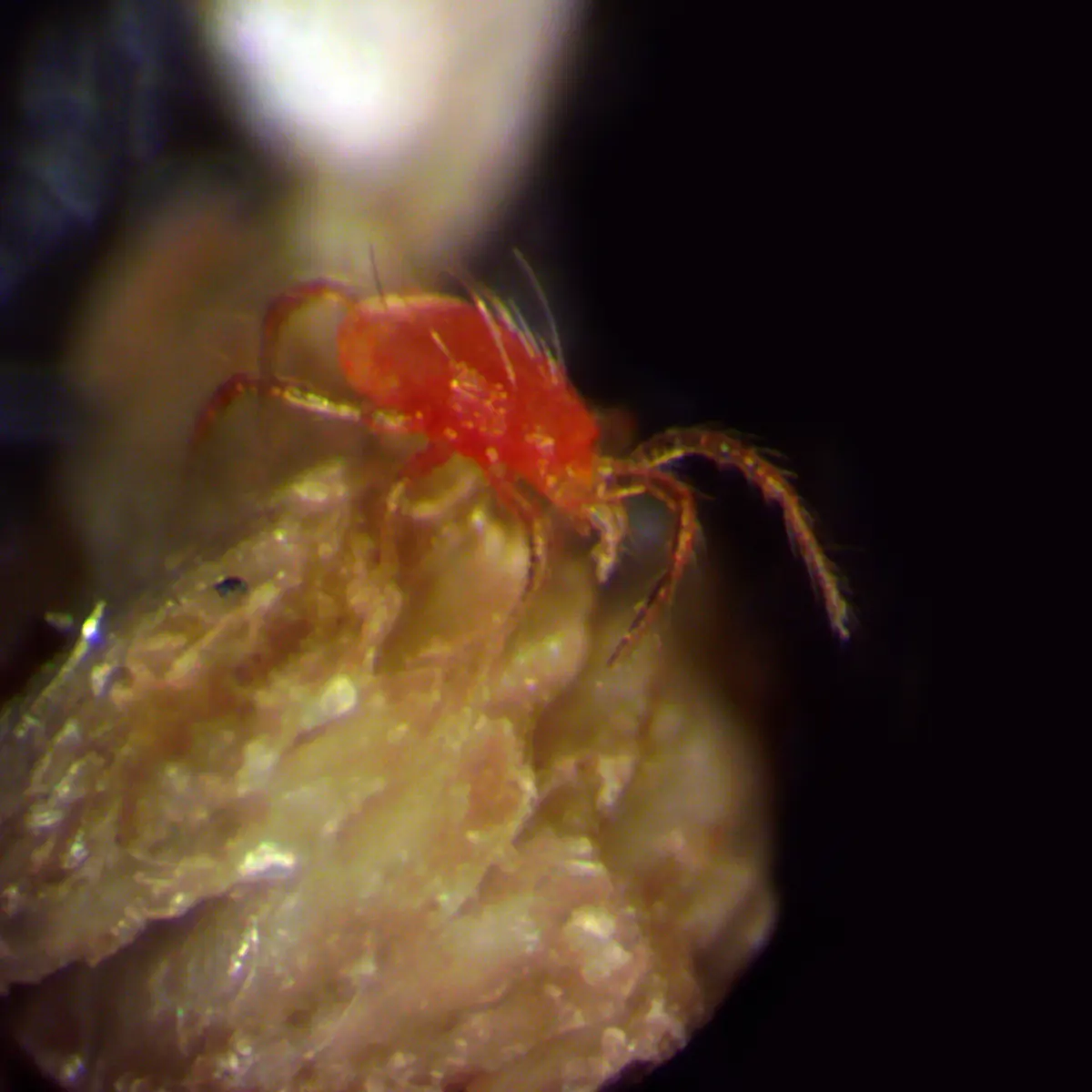

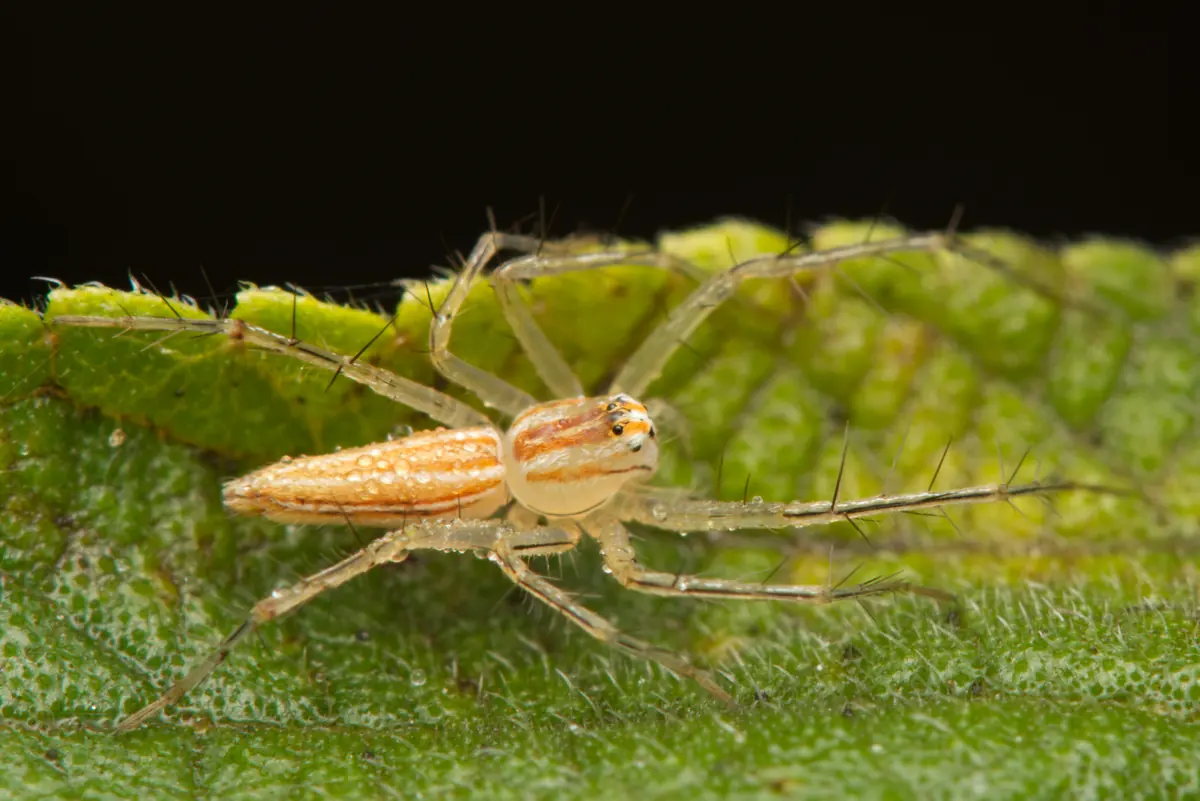
How to tell them apart. Two-spotted spider mites are tiny sap-sucking mites. They leave fine pale stippling on the upper leaf surface and, in bad cases, fine silken webbing on leaf undersides and shoot tips. You can see them as tiny moving specks under a hand lens. Predatory mites eat them, and releasing predatory mites in a greenhouse gives lasting biological control. In the photo, the predatory mite Phytoseiulus persimilis is orange-red.
Spiders are garden predators too, including of leaf-eating beetles. A small patch of undisturbed mulch, a few logs or some hollow stems gives spiders and predatory insects shelter.
Blue-banded bees and native bees (good)
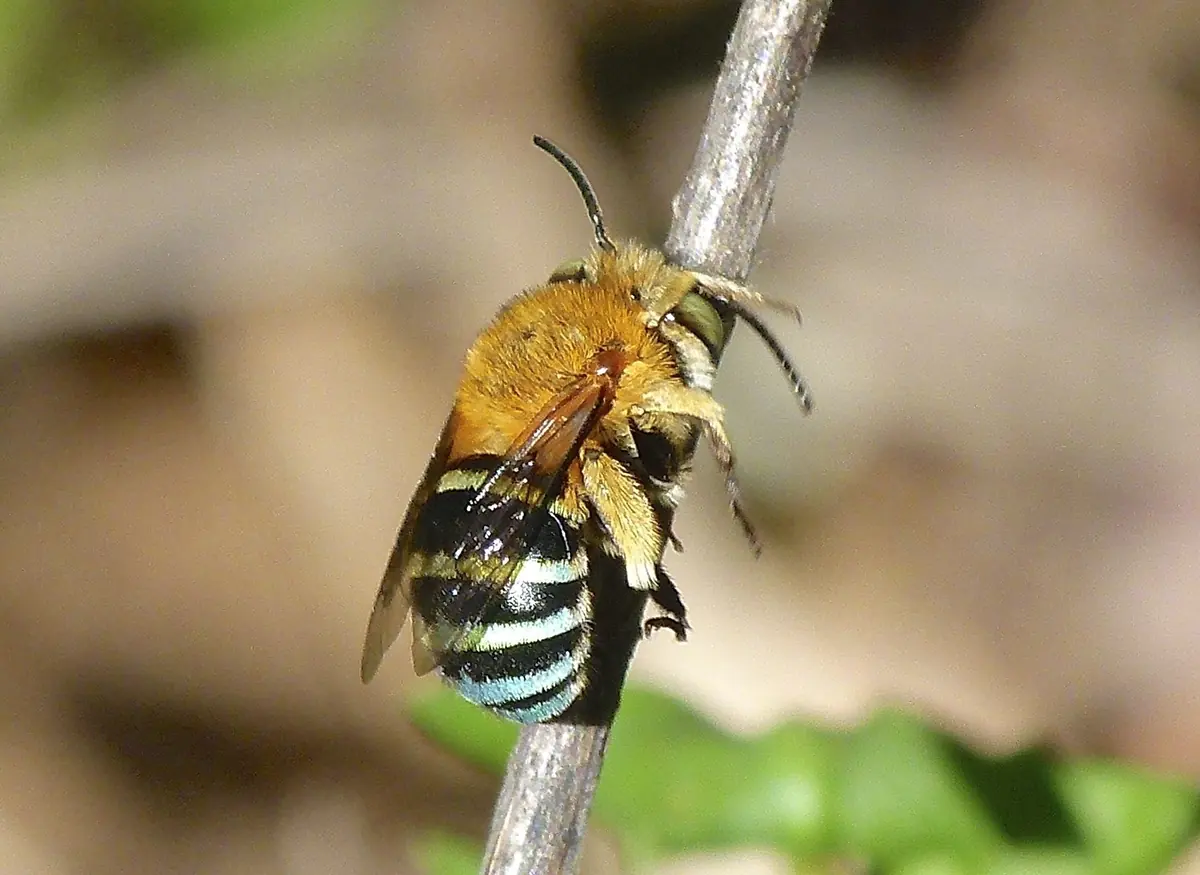
How to tell them apart. The blue-banded bee has metallic blue bands across a black abdomen, a golden furry thorax and big green eyes, and it darts and hovers rather than crawling. It is the star of buzz pollination: it vibrates flowers, which tomatoes, eggplants and chillies need for full fruit set.
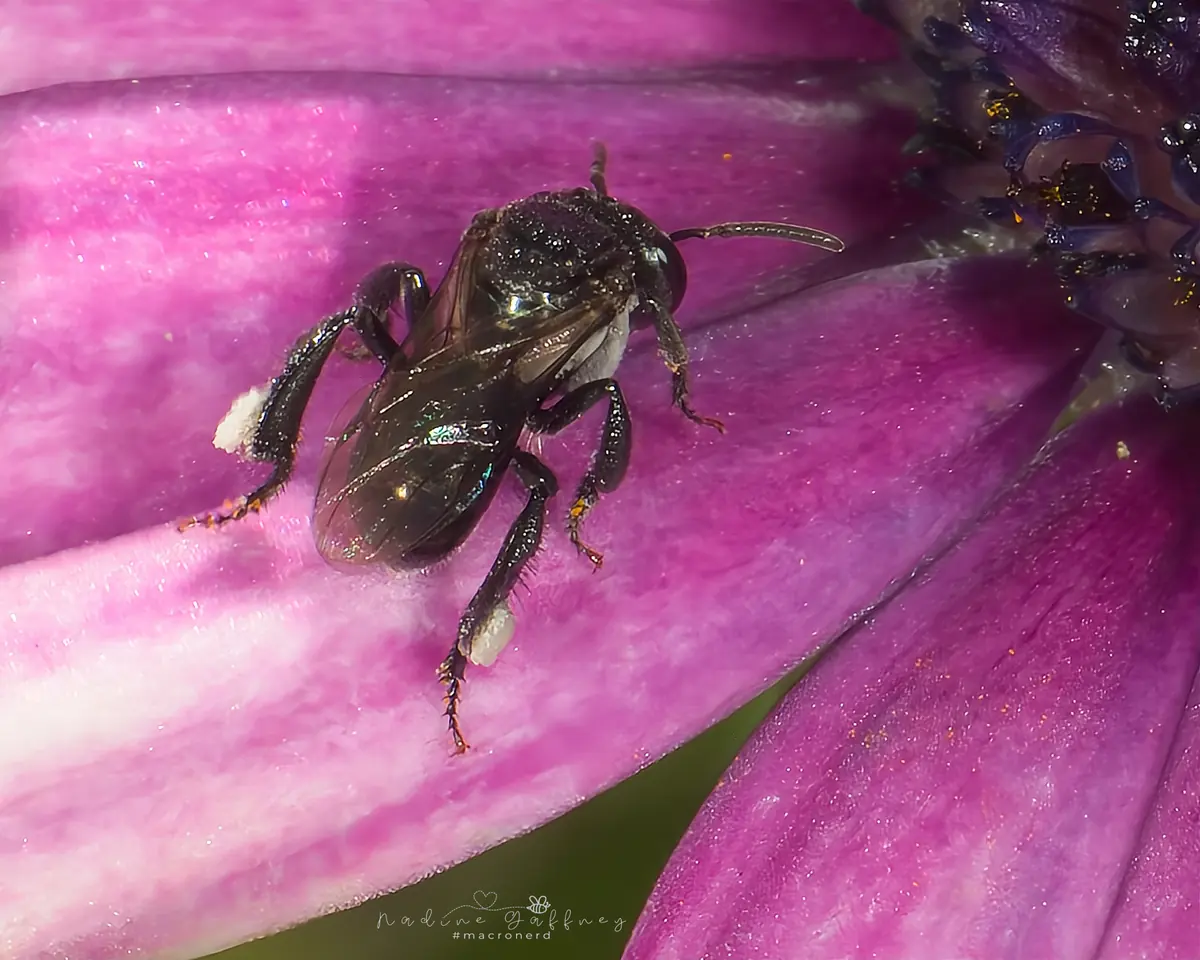
Stingless bees are tiny jet-black bees the size of a grain of rice, with no stripes and no sting, found in coastal Queensland, northern New South Wales, the Northern Territory and northern Western Australia. Protect native bees by keeping something in flower in every season, and if you must use pyrethrum, spray at dusk to spare bees. Our bee identifier covers more species.
Frequently asked questions
Are all ladybirds good for the garden?
No. The 28-spotted ladybird is the rare plant-eating ladybird. It is larger and duller than helpful ladybirds and covered in black spots, and its adults and larvae graze the leaves of potatoes, tomatoes, beans and pumpkins into a lacy skeleton. Helpful ladybirds are smaller, shinier and have fewer spots, and they eat aphids.
What does a ladybird larva look like?
Helpful ladybird larvae are little blue-grey alligators with orange spots. They look nothing like the adult beetle, so check before you squash. Spiky yellowish larvae on grazed leaves of potatoes, tomatoes, beans or pumpkins are 28-spotted ladybird larvae, which are pests.
How can I tell a hoverfly from a wasp or a fruit fly?
A hoverfly hovers dead still and then darts, and it has one pair of wings, enormous fly eyes and stubby antennae. Queensland fruit fly is wasp-sized and brown with clear wings and yellow markings, and it is usually found on ripening fruit. A European wasp is bright lemon-yellow and black, smooth and nearly hairless, with a narrow waist, and it folds its wings along its body at rest.
What are the swollen brown aphids that do not move?
They are aphid mummies. An aphid mummy is the hollow shell of an aphid killed by a parasitoid wasp, which lays its eggs inside aphids. Mummies in a colony mean the wasps have found it, so hold off on sprays and let them work.
Should I spray when I see insects on my plants?
Identify them first. Products that kill anything that moves also kill ladybirds, lacewings, hoverflies and bees. Start with the gentlest step, such as hosing aphids off or hand-picking, and if you must use pyrethrum, spray at dusk to spare bees.