Caterpillars: identify, prevent, control
Updated June 2026
Active through the warm growing season, peaking late spring to autumn, October to April.
Caterpillars are the larvae of moths and butterflies and include loopers, armyworm, corn earworm and cluster caterpillars. They chew leaves, bore into fruit and cobs, and can strip a crop quickly, so we catch them while they are still small.
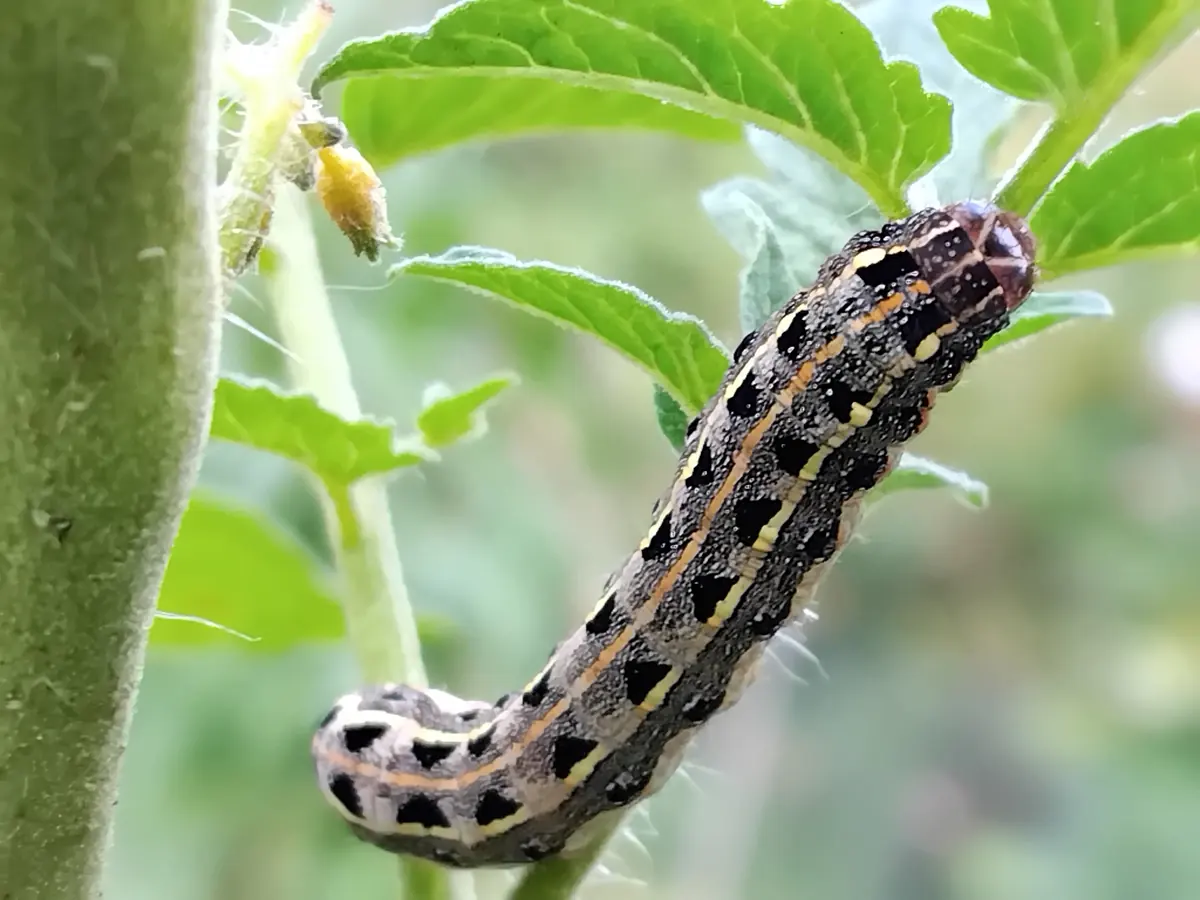
How to identify it
- Chewed leaves, ragged holes and stripped patches
- Dark droppings on leaves and in leaf crevices
- Holes bored into fruit, pods and corn cobs
- Green, brown or striped caterpillars feeding mostly at night or on undersides
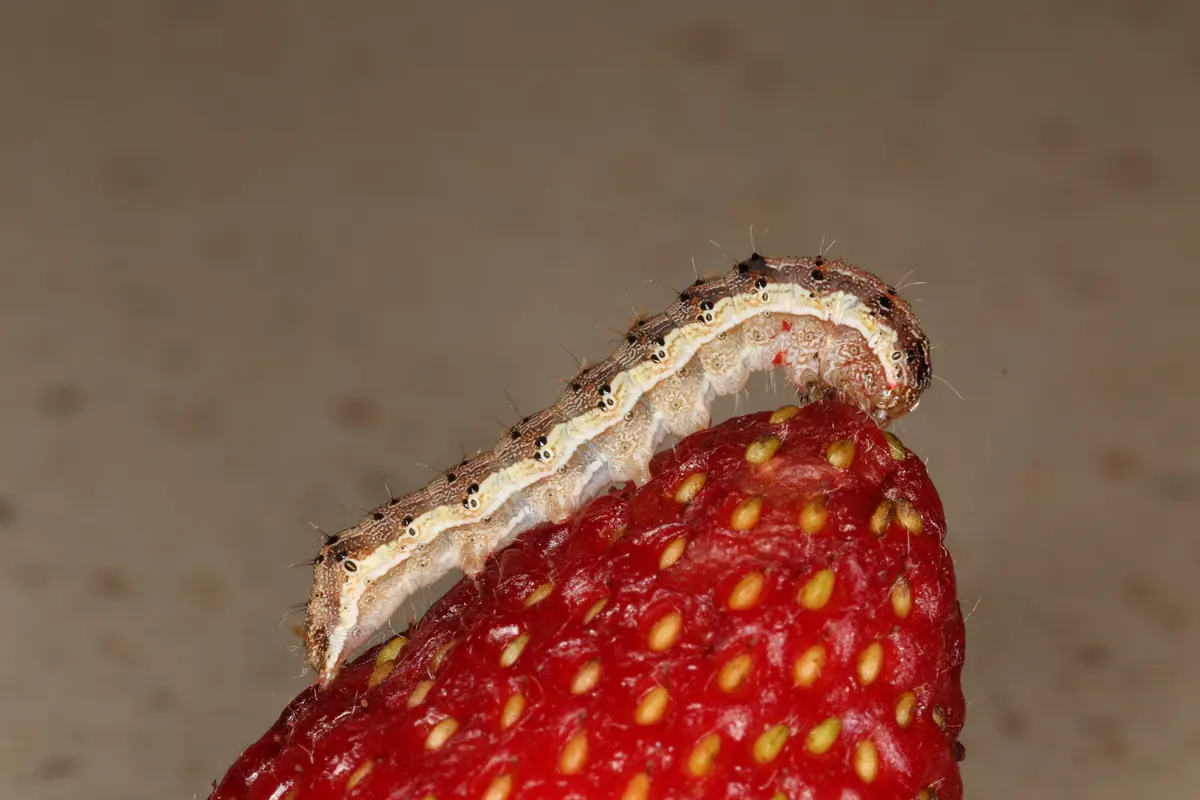
How to prevent it
- Cover crops with fine exclusion netting to stop moths laying eggs
- Check plants weekly and squash egg clusters on leaf undersides
- Clear spent crops and weeds where caterpillars shelter and pupate
- Encourage birds, predatory bugs and parasitic wasps by keeping the garden diverse
Organic control, step by step
- Hand-pick caterpillars, checking undersides and growing tips
- Spray Dipel or another Bacillus thuringiensis product, which targets only caterpillars and is safe for bees and people
- Mix Dipel fresh, spray late in the day and reapply every 7 to 10 days and after rain
- Use eco-neem as an alternative to deter feeding and egg-laying
- Apply pyrethrum at dusk for a fast knockdown of severe outbreaks
- Encourage and protect parasitic wasps and predatory shield bugs
Plants it attacks
Track it in the app. The free Planting Season planner lists the pests and diseases to watch for on every plant in your garden, tuned to your region.