
What to Plant in October, Melbourne & Victoria
94 crops you can sow in October across Melbourne & Victoria.
In Season This Month
Fruiting (26)
 Beans (bush)
 Bitter Melon
 Capsicum
 Chilli
 Choko
Choko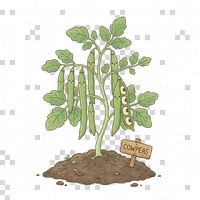 Cowpeas (Southern Peas)
 Cucumber
 Edamame
 Eggplant
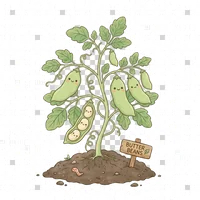 Lima (Butter) Beans
 Luffa
Luffa Okra
Okra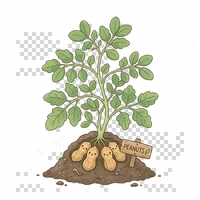 Peanuts
 Popcorn
 Pumpkin
 Quinoa
 Rockmelon
 Scarlet Runner Bean
 Snake Beans
 Squash
 Sweet Corn
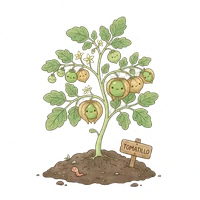 Tomatillo
 Tomato
 Watermelon
 Winged Beans
 Zucchini
Fruit (24)
 Avocado
 Blood Orange
 Bush Tomato
 Cape Gooseberry
 Carob
Carob Cumquat
 Finger Lime
 Grapefruit Tree
 Honeydew Melon
 Jaboticaba
 Lemon Tree
 Lime Tree
 Loquat
 Macadamia
 Mandarin
 Midyim Berry
 Orange Tree
 Passionfruit
 Pepino
 Quandong
 Riberry
 Tamarillo
 Tangelo
 White Sapote
Herb (17)
 Aloe Vera
 Basil
Basil Bay Laurel
 Lemon Balm
 Lemon Verbena
 Marjoram
 Mint
Mint Oregano
 Rosemary
 Shiso (Perilla)
 Stevia
 Summer Savory
 Tarragon
 Thai Basil
 Thyme
Thyme Vietnamese Coriander
 Vietnamese Mint
Flower (10)
Root (6)
Leafy (5)
Micro (4)
Mushroom (2)
All October Crops at a Glance
| Plant | Category | Harvest | Spacing | Companions |
|---|---|---|---|---|
| Aloe Vera | Herb | 365d | 40cm | Succulents, Herbs |
 Alyssum Alyssum | Flower | 55d | 20cm | Lettuce, Brassicas, Beans |
 Amaranth Amaranth | Leafy | 30d | 30cm | Corn, Onion |
| Avocado | Fruit | 1095d | 700cm | n/a |
| Basil | Herb | 65d | 25cm | Tomato, Capsicum, Oregano |
| Bay Laurel | Herb | 365d | 200cm | n/a |
| Beans (bush) | Fruiting | 65d | 20cm | Corn, Carrot, Cucumber |
 Beetroot Beetroot | Root | 65d | 10cm | Lettuce, Onion, Brassicas |
| Bitter Melon | Fruiting | 70d | 100cm | Corn, Beans |
| Blood Orange | Fruit | 730d | 400cm | Comfrey |
 Broccoli Sprouts Broccoli Sprouts | Micro | 7d | 1cm | n/a |
| Bush Tomato | Fruit | 180d | 100cm | Native plants |
| Cape Gooseberry | Fruit | 90d | 60cm | Tomato, Basil |
| Capsicum | Fruiting | 100d | 45cm | Basil, Tomato, Carrot |
| Carob | Fruit | 1825d | 600cm | n/a |
| Chilli | Fruiting | 90d | 45cm | Basil, Tomato, Carrot |
| Choko | Fruiting | 120d | 200cm | n/a |
 Comfrey Comfrey | Flower | 60d | 60cm | Tomato, Potato, Fruit trees |
 Cosmos Cosmos | Flower | 60d | 30cm | Tomato, Beans, Capsicum |
| Cowpeas (Southern Peas) | Fruiting | 70d | 15cm | Corn, Sorghum, Cucumber |
| Cucumber | Fruiting | 60d | 50cm | Beans, Corn, Nasturtium |
| Cumquat | Fruit | 730d | 200cm | Comfrey |
 Dahlia Dahlia | Flower | 90d | 60cm | Marigold, Zinnia, Cosmos |
 Echinacea Echinacea | Flower | 120d | 40cm | Lavender, Yarrow, Rudbeckia |
| Edamame | Fruiting | 80d | 15cm | Corn, Cucumber, Marigold |
| Eggplant | Fruiting | 100d | 60cm | Beans, Marigold, Thyme |
| Finger Lime | Fruit | 730d | 300cm | n/a |
| Grapefruit Tree | Fruit | 730d | 500cm | Comfrey |
| Honeydew Melon | Fruit | 100d | 90cm | Corn, Nasturtium, Radish |
| Jaboticaba | Fruit | 1095d | 400cm | Tropical fruit trees |
 Jerusalem Artichoke Jerusalem Artichoke | Root | 150d | 40cm | Corn, Beans, Sunflower |
 Jicama (Yam Bean) Jicama (Yam Bean) | Root | 150d | 30cm | Corn, Beans |
| Lemon Balm | Herb | 60d | 30cm | Tomato, Brassicas, Fruit trees |
| Lemon Tree | Fruit | 730d | 300cm | Comfrey |
| Lemon Verbena | Herb | 90d | 100cm | Tomato, Beans |
| Lima (Butter) Beans | Fruiting | 90d | 20cm | Corn, Cucumber, Sunflower |
| Lime Tree | Fruit | 730d | 300cm | Comfrey |
| Loquat | Fruit | 365d | 400cm | Fruit trees |
| Luffa | Fruiting | 120d | 150cm | Beans, Corn |
| Macadamia | Fruit | 1095d | 700cm | n/a |
| Mandarin | Fruit | 730d | 400cm | Nasturtium, Marigold |
 Marigold Marigold | Flower | 50d | 25cm | Tomato, Beans, Capsicum |
| Marjoram | Herb | 75d | 25cm | Capsicum, Tomato, Beans |
| Midyim Berry | Fruit | 365d | 100cm | Native plants, Lemon myrtle |
| Mint | Herb | 70d | 30cm | Cabbage, Tomato |
 Nasturtium Nasturtium | Flower | 50d | 30cm | Cucumber, Zucchini, Pumpkin |
 Native Violet Native Violet | Flower | 90d | 20cm | Native plants, Ferns |
| Okra | Fruiting | 75d | 40cm | Basil, Capsicum |
| Orange Tree | Fruit | 730d | 400cm | Comfrey |
| Oregano | Herb | 90d | 30cm | Capsicum, Tomato |
 Oyster Mushroom Oyster Mushroom | Mushroom | 21d | 0cm | n/a |
| Passionfruit | Fruit | 400d | 200cm | n/a |
 Pea Shoots Pea Shoots | Micro | 12d | 1cm | n/a |
| Peanuts | Fruiting | 140d | 30cm | Corn, Cucumber, Sunflower |
| Pepino | Fruit | 120d | 60cm | Tomato, Capsicum |
 Pigface Pigface | Leafy | 60d | 40cm | n/a |
| Popcorn | Fruiting | 120d | 30cm | Beans, Pumpkin, Lettuce |
 Potato Potato | Root | 90d | 30cm | Beans, Nasturtium, Marigold |
| Pumpkin | Fruiting | 120d | 150cm | Corn, Beans, Nasturtium |
| Quandong | Fruit | 1460d | 500cm | Native plants, Host tree (semi-parasitic) |
| Quinoa | Fruiting | 120d | 30cm | Corn, Beans |
 Radish Sprouts Radish Sprouts | Micro | 8d | 1cm | n/a |
| Riberry | Fruit | 730d | 400cm | Native plants, Finger lime, Lemon myrtle |
| Rockmelon | Fruiting | 85d | 100cm | Corn, Nasturtium |
| Rosemary | Herb | 180d | 60cm | Sage, Carrot |
| Scarlet Runner Bean | Fruiting | 70d | 20cm | Corn, Lettuce, Radish |
 Shiitake Shiitake | Mushroom | 60d | 0cm | n/a |
| Shiso (Perilla) | Herb | 50d | 30cm | Eggplant, Tomato |
 Silverbeet Silverbeet | Leafy | 60d | 30cm | Beans, Onion, Lettuce |
| Snake Beans | Fruiting | 55d | 20cm | Carrot, Corn |
 Spring Onion Spring Onion | Root | 60d | 10cm | Carrot, Lettuce, Tomato |
| Squash | Fruiting | 65d | 80cm | Corn, Beans, Nasturtium |
| Stevia | Herb | 90d | 30cm | Herbs |
| Summer Savory | Herb | 60d | 20cm | Beans, Onion |
 Sunflower Sunflower | Flower | 80d | 50cm | Cucumber, Corn, Tomato |
 Sunflower Microgreens Sunflower Microgreens | Micro | 10d | 1cm | n/a |
| Sweet Corn | Fruiting | 90d | 30cm | Beans, Pumpkin, Zucchini |
 Sweet Potato Sweet Potato | Root | 150d | 50cm | Beans, Corn, Marigold |
| Tamarillo | Fruit | 540d | 300cm | n/a |
| Tangelo | Fruit | 730d | 400cm | Comfrey |
| Tarragon | Herb | 75d | 40cm | Most vegetables |
| Thai Basil | Herb | 60d | 25cm | Tomato, Capsicum, Eggplant |
| Thyme | Herb | 120d | 30cm | Cabbage, Strawberry |
| Tomatillo | Fruiting | 85d | 60cm | Basil, Marigold, Coriander |
| Tomato | Fruiting | 85d | 60cm | Basil, Carrot, Marigold |
| Vietnamese Coriander | Herb | 40d | 30cm | Chilli, Eggplant |
| Vietnamese Mint | Herb | 60d | 30cm | n/a |
 Warrigal Greens Warrigal Greens | Leafy | 60d | 60cm | n/a |
 Watercress Watercress | Leafy | 40d | 15cm | Mint, Lettuce |
| Watermelon | Fruiting | 90d | 150cm | Corn, Nasturtium |
| White Sapote | Fruit | 1095d | 600cm | n/a |
| Winged Beans | Fruiting | 65d | 30cm | Corn, Sweet potato, Basil |
 Zinnia Zinnia | Flower | 60d | 25cm | Tomato, Beans, Cucumber |
| Zucchini | Fruiting | 60d | 80cm | Nasturtium, Corn, Beans |
Print the October calendar
One-page A4 landscape PDF with every October crop for Melbourne & Victoria.
Download PDF →Frequently Asked Questions
What vegetables can I plant in October in Melbourne?
October in Melbourne is spring, so focus on crops suited to cool temperate conditions at this time of year. Check the full planting list above for every vegetable, herb, and fruit you can sow or transplant this month, with spacing and harvest timing included.
When should I start planting spring crops in Melbourne?
October is a great time to get spring crops in the ground in Melbourne. Warm-season seedlings like tomato, capsicum, chilli, eggplant, and zucchini can go in once the risk of frost has passed. Check your last frost date and soil temperature before planting heat-lovers.
How often should I water my vegetable garden in October in Melbourne?
Watering frequency depends on your soil type and weather. In October in Melbourne, check the soil moisture by pushing your finger 5 centimetres into the soil. If it feels dry, water deeply. Mulch reduces watering needs significantly. Most vegetable gardens need deep watering two to three times per week rather than light daily sprinkles.
How do I deal with Melbourne's unpredictable weather in October?
Melbourne is known for variable conditions. Keep shade cloth and frost cloth on hand so you can respond quickly to temperature swings. Succession planting every two to three weeks ensures you always have crops at different growth stages, reducing the risk of losing an entire planting to a sudden weather event.
Never miss a planting window
The free app shows what to sow in Melbourne & Victoria this week and keeps track of what you have planted. Open the app.