
When and How to Prune Fruit Trees in Australia: Month Table by Region
Updated November 2026
More fruit growing help: Backyard Fruit Trees in Australia, with the best fruit for each region and when to plant it.
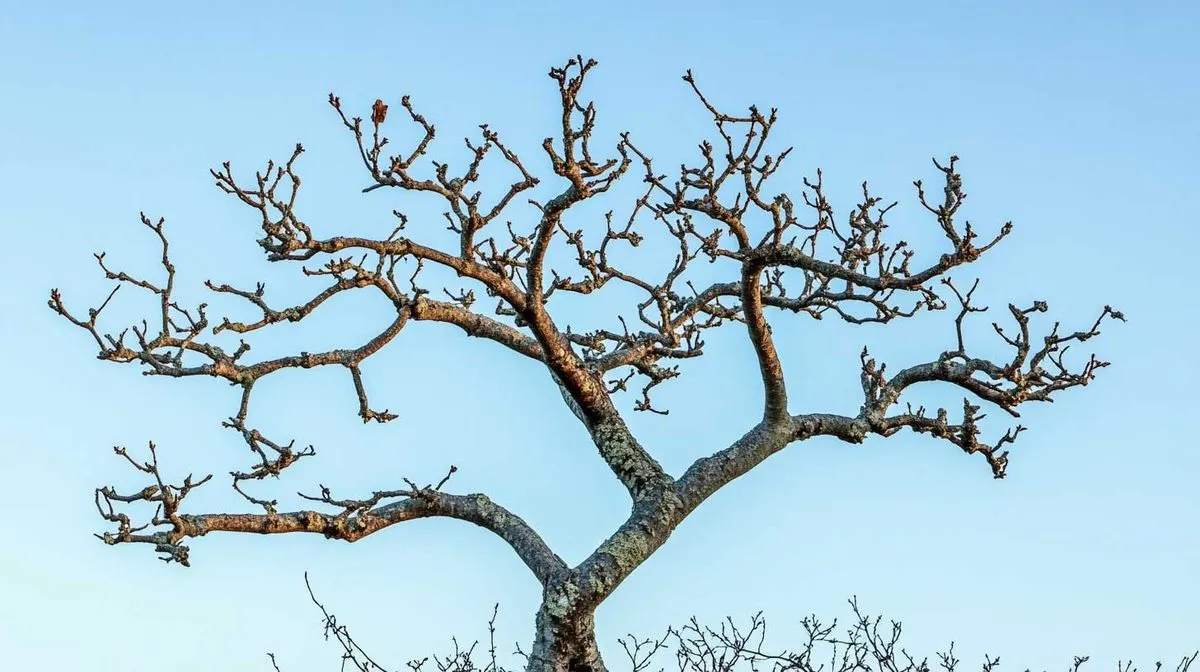
The month to prune a fruit tree in Australia depends on the kind of fruit and on where you live. Apples, pears and figs are pruned in winter, while the trees are dormant. Stone fruit, meaning peaches, nectarines, apricots, plums and cherries, is pruned in summer after harvest, because winter cuts let silver leaf and bacterial canker in. Citrus is pruned lightly in late winter and spring once frost danger has passed. The table below gives the months for each of our regions and the diagrams show what to cut at each age.
Fruit Tree Pruning Months by Region
These months combine the winter dormant period, the stone fruit harvest window in each region and the citrus calendar on our lemon guide. Cooler regions sit later in each range. If your fruit ripens early or late, move the stone fruit prune with it, because the rule is simply to prune soon after picking, on a dry, warm day.
| Region | Apples and pears | Stone fruit, after harvest | Figs | Citrus |
|---|---|---|---|---|
| South East Queensland | June to July | December to February | June to August | Late August to September |
| Northern Rivers NSW | June to July | December to February | June to August | Late August to September |
| Sydney and coastal NSW | June to August | January to March | June to August | September to October, after frost danger |
| Melbourne and Victoria | June to August | January to March | June to August | October, after the last frost |
| Adelaide and SA | June to August | January to March | June to August | September to October |
| Perth and WA | June to August | January to March | June to August | August to October |
| Tasmania | June to August | February to March | July to August | October, and marginal outdoors |
| Canberra and ACT | July to August | February to March | July to August | October, and marginal outdoors |
In North Queensland and Darwin, apples, pears and stone fruit are not suited, so only figs and citrus apply. Prune figs in the dry season, from May to July, and citrus in the late winter window shown for South East Queensland. Each group has its own page: apple and pear pruning, stone fruit pruning, fig pruning and citrus pruning. Our wider pruning guide also covers berries and other plants.
Why Stone Fruit Is Pruned in Summer
Silver leaf is a fungal disease that enters fresh wounds in damp, overcast weather, mostly from autumn to early spring, and plums and cherries are especially prone. Bacterial canker and eutypa dieback enter the same way in apricots, cherries and almonds. The NSW Department of Primary Industries advice on silver leaf, as published by Australian Tree Fruit, says to avoid winter pruning, especially on damp, overcast days, and the Royal Horticultural Society silver leaf page recommends routine pruning of susceptible trees in summer, when spores are less common. The same cuts on an apple tree in winter are safe. See our silver leaf and bacterial canker pages for the symptoms.
Pruning by Tree Age
A young tree is pruned to build a strong frame, and an older tree is pruned to keep that frame open to sun and air. Apples and pears are usually grown with a central leader, which is a main stem with branches spiralling out from it.
Stone fruit is usually grown as an open vase with no central stem, so sun reaches the middle of the tree and the fruit colours evenly.
The Cuts That Matter on Any Fruit Tree
- Cut out dead, damaged and diseased wood first, back to healthy tissue.
- Remove branches that cross or rub, keeping the better placed one.
- Remove vertical water shoots and shoots growing into the centre.
- Prefer thinning cuts, which take off a whole branch at its base, over heading cuts, which shorten a branch and trigger a rush of bushy regrowth. When in doubt, thin it out.
- Cut just above an outward facing bud, and leave the swollen collar at the base of a removed limb.
- Wipe blades with methylated spirits between trees, and before and after cutting into diseased wood.
Bypass secateurs handle shoots up to about 2 cm, loppers up to about 5 cm, and a folding saw takes anything thicker. Spread a big renovation over two or three years, because one hard prune gives a flush of vigorous growth that carries no fruit.
More Fruit Tree Help
Frequently Asked Questions
When should I prune fruit trees in Australia?
Prune apples, pears and figs in winter, from June to August, while they are dormant. Prune stone fruit after harvest, from about December to March depending on your region, on a warm, dry day. Prune citrus lightly from late August to October, once frost danger has passed.
Why shouldn't I prune plums and apricots in winter?
Silver leaf, bacterial canker and eutypa dieback enter fresh cuts in cool, wet weather. Pruning after harvest in summer, when it is dry and the cuts seal quickly, greatly lowers the risk.
How much can I prune off a fruit tree at once?
Aim to take off no more than about a third of the tree in a year. Remove dead, crossing and inward growing wood first. A badly overgrown tree is best renovated over two or three seasons.
What is the difference between a heading cut and a thinning cut?
A heading cut shortens a branch and stimulates bushy regrowth below the cut. A thinning cut removes a whole branch back to its origin, which opens the tree without triggering a flush of new shoots.
Sources: the NSW Department of Primary Industries advice on silver leaf, as published by Australian Tree Fruit, the Royal Horticultural Society silver leaf page, and our own pruning guide, lemon guide and pest pages. The month table is our guide and not a government schedule. For your nearest chill hours figure use the Queensland DPI Chill and Thermal Time Calculator.
Natives for the veggie garden: Correa.