Using Grass Clippings as Garden Mulch
Updated June 2026
The best free mulch is growing in your front yard every week
Every time you mow the lawn, you produce a pile of green material that most people bag up and throw away. That material is nitrogen-rich, moisture-retentive, and breaks down into organic matter that feeds your soil. Grass clippings are one of the best free mulches available to Australian home gardeners.
There are right ways and wrong ways to use grass clippings as mulch. Pile them on thick and wet, and you get a smelly, slimy mat that does more harm than good. Apply them correctly, and they suppress weeds, hold moisture, feed the soil, and save you money on bought mulch.
What Grass Clippings Provide
Fresh grass clippings are roughly 80% water by weight. The dry matter contains approximately 3 to 4% nitrogen, 0.5% phosphorus, and 2% potassium. That nitrogen content makes them a valuable soil amendment as well as a mulch.
As clippings break down on the soil surface, they release their nutrients slowly. A standard suburban lawn produces enough clippings across the year to provide a meaningful amount of nitrogen to a small vegetable garden. Over time, the organic matter improves soil structure, water-holding capacity, and microbial activity.
Fresh vs Dried Clippings
Fresh clippings
Straight from the mower, clippings are wet, dense, and stick together. Applied thickly, they compact into a mat that sheds water, generates heat as they decompose, and can produce an ammonia smell. Fresh clippings should only be applied in thin layers (2 to 3 cm at most). At this thickness, they dry in place without matting and break down within a few weeks.
Dried clippings
Spread fresh clippings on a tarp, driveway, or concrete path and leave them in the sun for one to two days. They shrink to about a quarter of their fresh volume and lose their sticky, matting quality. Dried clippings can be applied thicker (up to 5 cm), do not smell, and are easier to spread evenly. They behave more like straw or hay at this point.
Dried clippings are better mulch in every way. The only downside is the extra step of drying them. If you have the space and patience, it is worth doing.
How to Apply Grass Clipping Mulch
Thickness
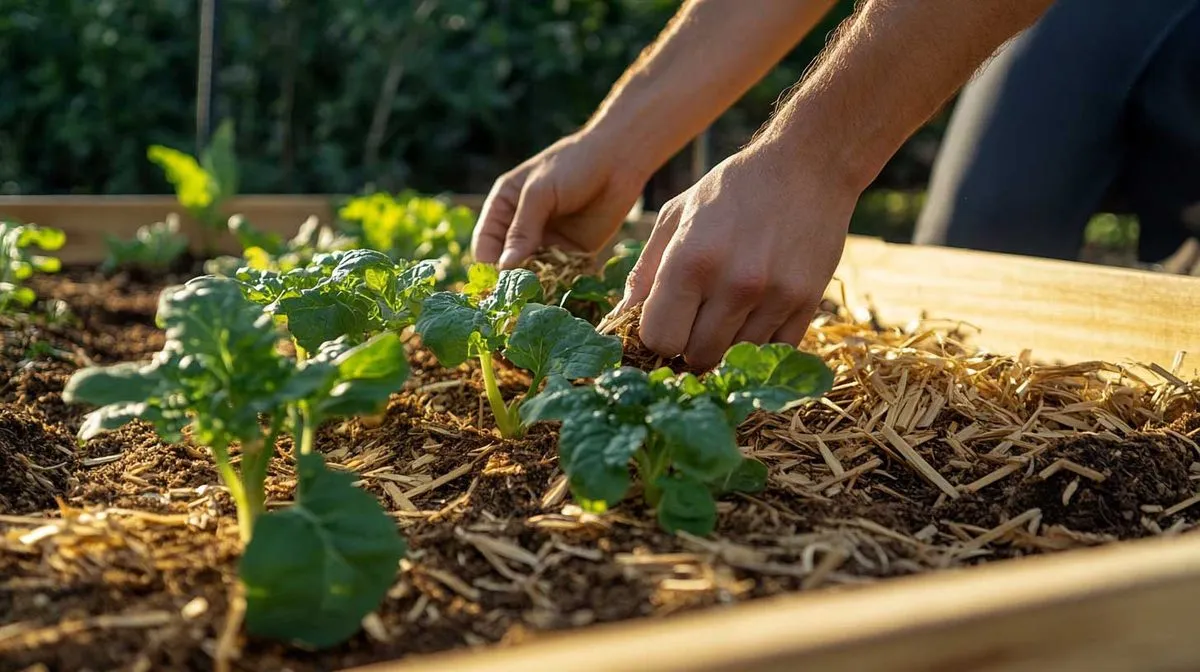
Apply fresh clippings 2 to 3 cm thick. Apply dried clippings 3 to 5 cm thick. Build up layers over time rather than dumping a thick layer all at once. Each mowing adds another thin layer on top of the previous one as it breaks down.
Keep away from stems
Leave a gap of 3 to 5 cm around the base of each plant. Fresh clippings decomposing against soft plant stems can cause collar rot. This is especially important for tomatoes, capsicum, cucumbers, and other tender-stemmed vegetables.
Mix with other materials
Grass clippings work best when combined with coarser materials. A mix of half grass clippings and half sugar cane mulch, straw, or dry leaves gives you the nitrogen from the clippings and the structure from the coarser material. This mix does not compact, holds moisture well, and breaks down at a moderate pace.
Time your application
The best time to apply grass clipping mulch is in the morning on a dry day. The clippings will start drying immediately and are less likely to form a mat. Avoid applying on rainy days or in the evening when humidity is high and drying is slow.
Nitrogen Burn Risk
This is the most common concern with grass clipping mulch, and it is a real risk if you apply too much at once. Fresh grass clippings are high in nitrogen. As they decompose rapidly, they can release enough ammonia to damage nearby plant roots and foliage.
The risk is highest when:
- Clippings are piled more than 5 cm deep
- Clippings are packed tightly against plant stems
- The weather is hot and humid, speeding decomposition
- The lawn was recently fertilised with a high-nitrogen feed
Prevention is straightforward: thin layers, drying before application, and keeping clippings away from stems. If you follow these rules, nitrogen burn is not a problem.
Weed Seed Concerns
Grass clippings can introduce weed seeds and grass runners into your garden. This happens when:
- The lawn has gone to seed before mowing (common in spring when grass grows fast)
- Broadleaf weeds like bindii, clover, or oxalis have set seed in the lawn
- Couch grass or kikuyu runners are included in the clippings (these can root and spread)
To minimise weed seed risk, mow the lawn regularly before it sets seed. If your lawn has visible seed heads, compost the clippings in a hot compost system instead of using them directly as mulch. A hot compost pile (60 to 65 degrees at its core) kills weed seeds within a few days.
Another option is to let clippings dry in the sun for a few days before applying. This does not kill all seeds, but the drying and UV exposure reduces the viability of many weed seeds.
Which Garden Beds Benefit Most
Vegetable beds
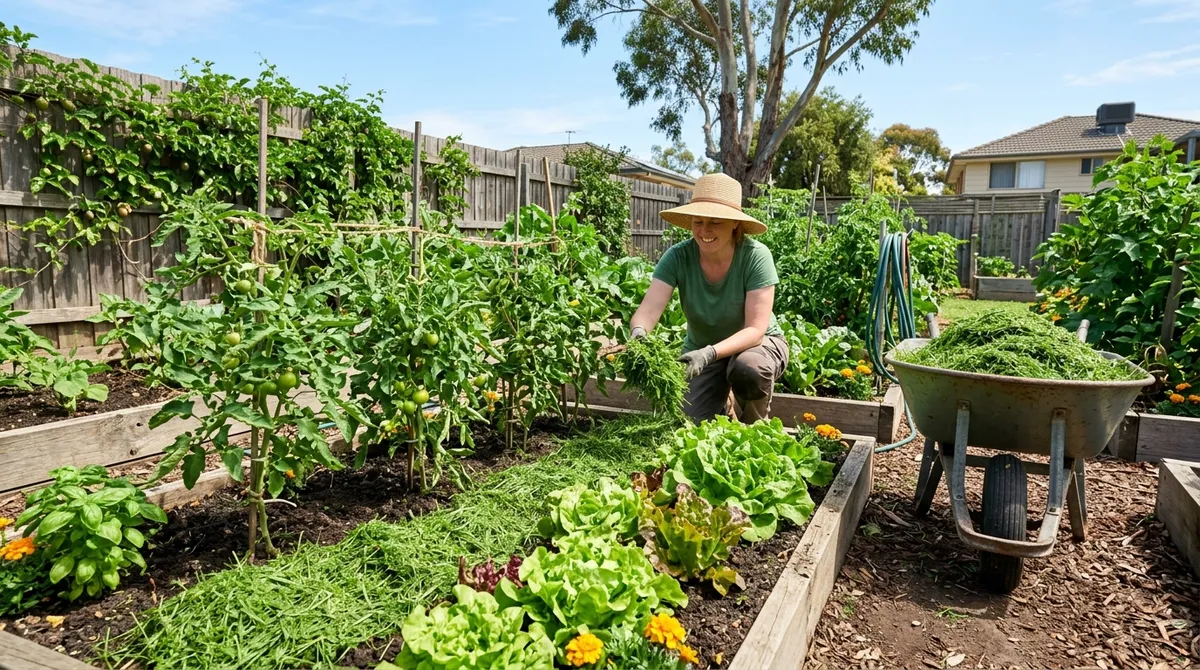
Grass clipping mulch is ideal for vegetable gardens. The nitrogen release benefits heavy feeders like tomatoes, cucumbers, beans, and leafy greens. Apply thin layers between rows and around established plants throughout the growing season.
Fruit trees
Scatter dried clippings under the canopy of fruit trees, mixed with woodchip mulch. The clippings add nitrogen that feeds the tree, while the wood chips provide long-lasting coverage. Keep all mulch 15 to 20 cm away from the trunk.
New garden beds
Use thick layers of dried grass clippings (10 to 15 cm) on new beds over winter as a sheet mulch to suppress weeds and build soil. By spring, the clippings will have largely decomposed and can be dug in before planting.
Compost activator
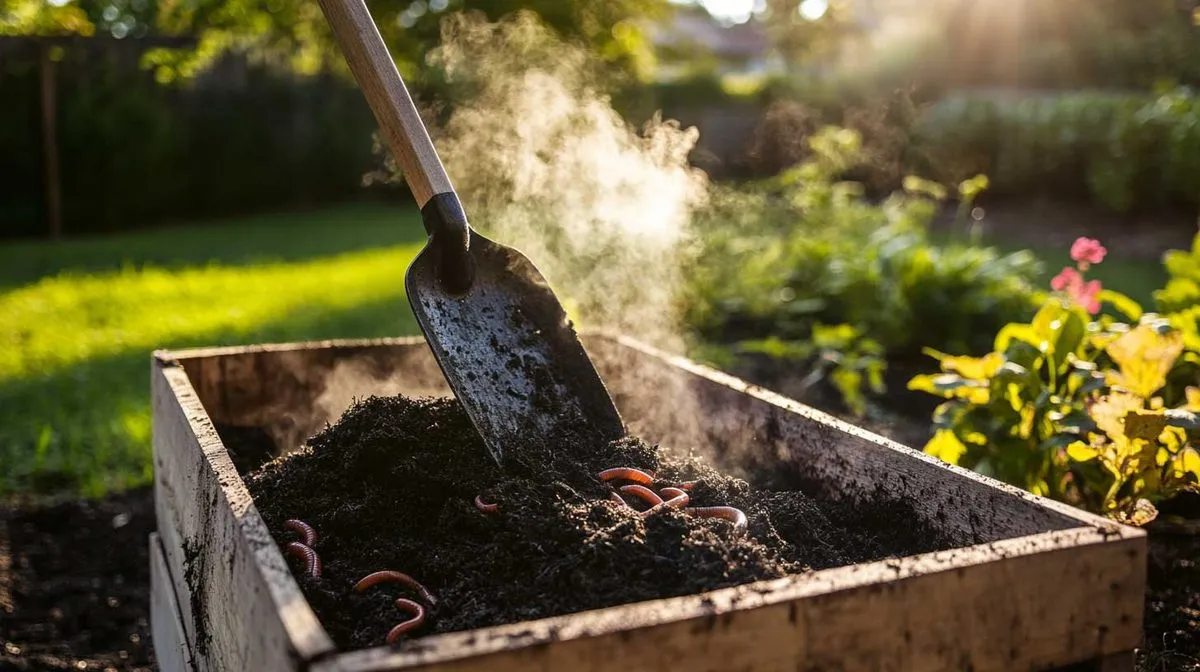
Grass clippings are one of the best "green" additions to a compost pile. Their high nitrogen content heats up the pile and speeds decomposition of brown materials like cardboard, dry leaves, and straw. Add clippings in thin layers between brown layers rather than dumping them all in one mass.
Where to Avoid Using Grass Clippings
- Seed beds and newly sown areas. Fresh clippings can smother emerging seedlings and the ammonia can inhibit germination. Wait until seedlings are well established before mulching.
- Herb gardens with Mediterranean herbs. Rosemary, thyme, lavender, and oregano prefer lean, well-drained soil. The nitrogen from grass clippings can cause excessive soft growth and reduced flavour in these herbs.
- Around succulents and cacti. These plants need dry conditions at the root zone. Grass clippings hold moisture, which can cause root rot in succulent plants.
- If herbicides were used on the lawn. Some lawn herbicides (particularly those containing clopyralid or aminopyralid) persist in grass clippings and can damage sensitive vegetables like tomatoes, beans, and lettuce. If you spray your lawn with broadleaf weed killer, do not use those clippings on your vegetable garden.
A Simple Weekly Routine
The easiest way to use grass clippings as mulch is to build it into your weekly mowing routine:
- Mow the lawn on the weekend.
- Spread clippings on a tarp or driveway to dry for one to two days.
- Collect the dried clippings and apply a thin layer to garden beds.
- Repeat weekly throughout the growing season.
Over a full mowing season, this routine deposits a substantial amount of organic matter on your garden beds. The beds build up gradually, the soil improves underneath, and you never need to buy mulch for your vegetable garden.
Frequently Asked Questions
Can you use grass clippings as mulch?
Yes. Grass clippings make excellent free mulch for vegetable gardens and flower beds. Apply in thin layers (2 to 5 cm) and let each layer dry before adding more. Avoid thick piles of fresh clippings, which can heat up, smell, and form a slimy mat that repels water.
How thick should grass clipping mulch be?
Apply grass clippings 2 to 5 cm thick. Thinner layers of fresh clippings (2 to 3 cm) dry faster and avoid matting. Dried clippings can go slightly thicker (up to 5 cm) because they do not compact as much. Never pile fresh clippings more than 5 cm deep.
Do grass clippings burn plants?
Fresh grass clippings piled thickly against plant stems can cause heat damage as they decompose. The rapid breakdown generates heat and can also produce ammonia, which burns tender stems. Keep clippings a few centimetres away from plant stems and apply in thin layers to avoid this.
Will grass clippings bring weeds into my garden?
If your lawn has gone to seed before mowing, the clippings will contain weed and grass seeds. Mow regularly before seed heads form to minimise this risk. Alternatively, compost the clippings first in a hot compost system that kills seeds before using the finished compost as mulch.
Should I use fresh or dried grass clippings as mulch?
Dried clippings are better for mulching because they do not mat together or generate heat. Spread fresh clippings on a tarp or driveway for a day to dry before applying. Fresh clippings can be used directly if applied in thin layers (2 to 3 cm) and not piled around stems.