Call Ducks in Australia: The Australian Call, Noise and Eggs
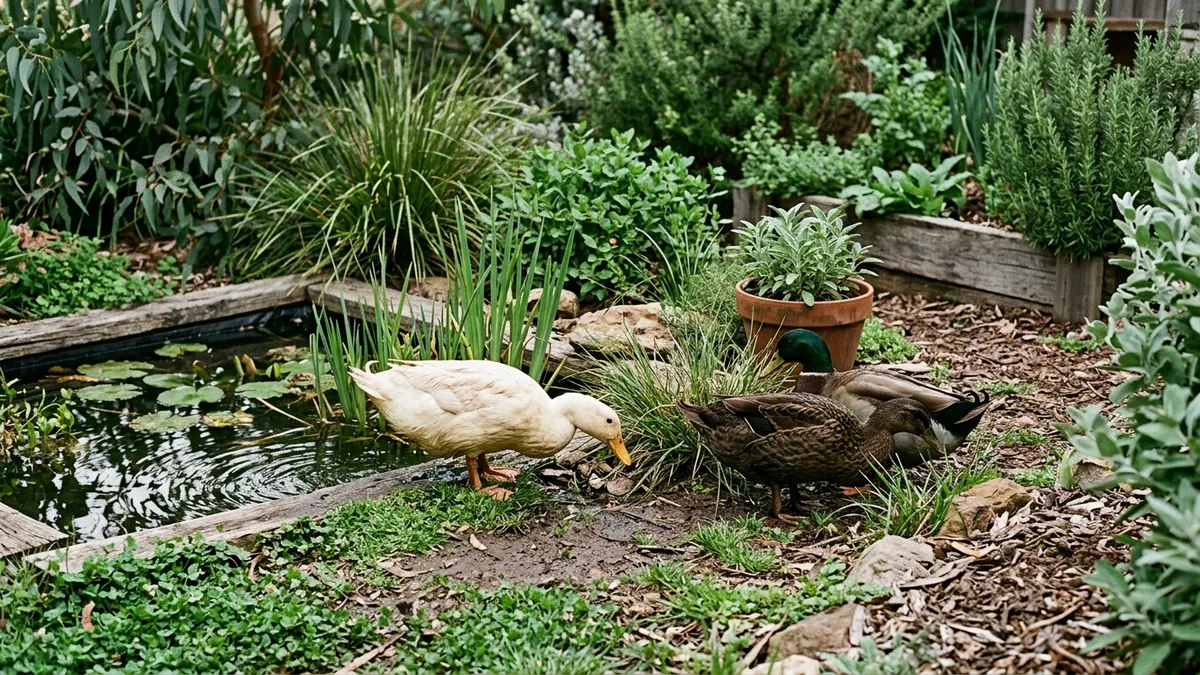
The small ducks sold as Call ducks in Australia are classed as the Australian Call in the Australian Poultry Standards. The 2011 edition renamed the breed after the standards committee concluded that Australian Calls are genetically distinct from the overseas Call duck. They are bantams, light enough to cradle, and they are popular as pets and show birds, with the hens known for a loud, repeated call.
Fact panel
- Class
- Bantam
- Adult weight
- about 450 to 700 g
- Eggs a year
- A modest number of small eggs, mostly in spring and summer
- Egg colour
- White or tinted
- Noise
- Very loud, especially the females
- Flight
- Can fly short distances
- Temperament
- Friendly and active
- Mothering
- Fair
- Best for
- Pets and exhibition
Keeping Calls in Australia
Calls cope with an Australian climate if they have shade, a tub of clean water and a house that is shut at night. They are small enough for foxes, dogs, cats, goannas and birds of prey to take, so a covered run and a solid floor or buried mesh apron are worth the effort.
To find birds, start with your state poultry club or the Victorian Poultry Fanciers Association, which publishes the standard, and with breeders who show Australian Calls. Our existing duck breed guide also lists Call ducks as pets rather than a laying breed.
Care notes
- Feed a waterfowl pellet with enough niacin, or add brewer's yeast to chick feed, and never give ducklings medicated chick starter.
- Give a tub deep enough to dip their heads, set on gravel or pavers so the water drains away.
- Think about the neighbours before you buy. The hens are loud, and a duck house on a small block can annoy people quickly.
How the Call compares
| Breed | Adult weight | Eggs | Noise | Best for |
|---|---|---|---|---|
| Call duck | about 450 to 700 g | A modest number of small eggs, mostly in spring and summer | Very loud, especially the females | Pets and exhibition |
| Pekin duck | about 3.6 to 4.1 kg | About 150 to 200 large eggs in a good year | Loud, females quack heavily | Eggs, meat and pets |
| Muscovy duck | drakes 4.5 to 5.4 kg, ducks 2.3 to 2.7 kg | Seasonal laying in clutches, fewer eggs than the best layers | Quiet, hisses and low trills | Pest control, meat and broody mothers |
| Indian Runner duck | drakes about 2 kg, ducks about 1.8 kg | 200 or more eggs a year in good strains | Females quack, drakes only rasp | Eggs and slug patrol |
| Cayuga duck | drakes about 3.6 kg, ducks about 3.2 kg | About 100 to 150 large eggs a year | Moderate, females quack | Eggs, meat and ornamental |
| Rouen duck | drakes about 4.5 kg, ducks about 3.6 kg for the traditional type | About 30 to 125 eggs a year, fewer than the light layers | Moderate, females quack | Meat, ornamental and some eggs |
Common questions
Are Call ducks loud?
The females are, yes. The breed was developed as a decoy that called wild ducks in, and the hens have a high, repeated voice. The drakes are quiet by comparison.
Are Call ducks good for eggs?
Not really. They lay a modest number of small eggs, mostly in spring and summer, so Pekins and Indian Runners are better if eggs matter.
What is the Australian Call?
It is the name the Australian Poultry Standards give to the Call ducks in Australia, which the standards committee decided are a breed in their own right.
Can Call ducks fly?
They can fly short distances. Keep the run covered or ask an experienced keeper about managing flight.
- The Livestock Conservancy, Quick Reference Guide to Heritage Ducks, for weights, egg numbers and egg colours of the Cayuga, Rouen and Indian Runner.
- eXtension, Selecting a duck breed for small or backyard poultry flocks, for Pekin, Muscovy, Rouen and Indian Runner facts on growth, weight, flight and noise.
- Mississippi State University Extension, Care and Incubation of Hatching Eggs (Dr Tom W. Smith), for incubation periods.
- Australian Poultry Standards (2nd edition, 2011, Victorian Poultry Fanciers Association), for breed classes, and the Rare Breeds Trust of Australia, rare duck list, for breed classes and status in Australia.
Weights and egg numbers are typical ranges and vary by strain, feed and daylight.
Keep reading
All duck breedsKeeping ducksWhat ducks can eatDuck keeping guideIncubating eggsHow to keep ducks