Bantam Chickens in Australia: Breeds, Eggs, Space Needs and Care
60 to 150 eggs a year, bantam (group of small breeds), varies from very tame (pekin, silkie) to flighty (sebright)
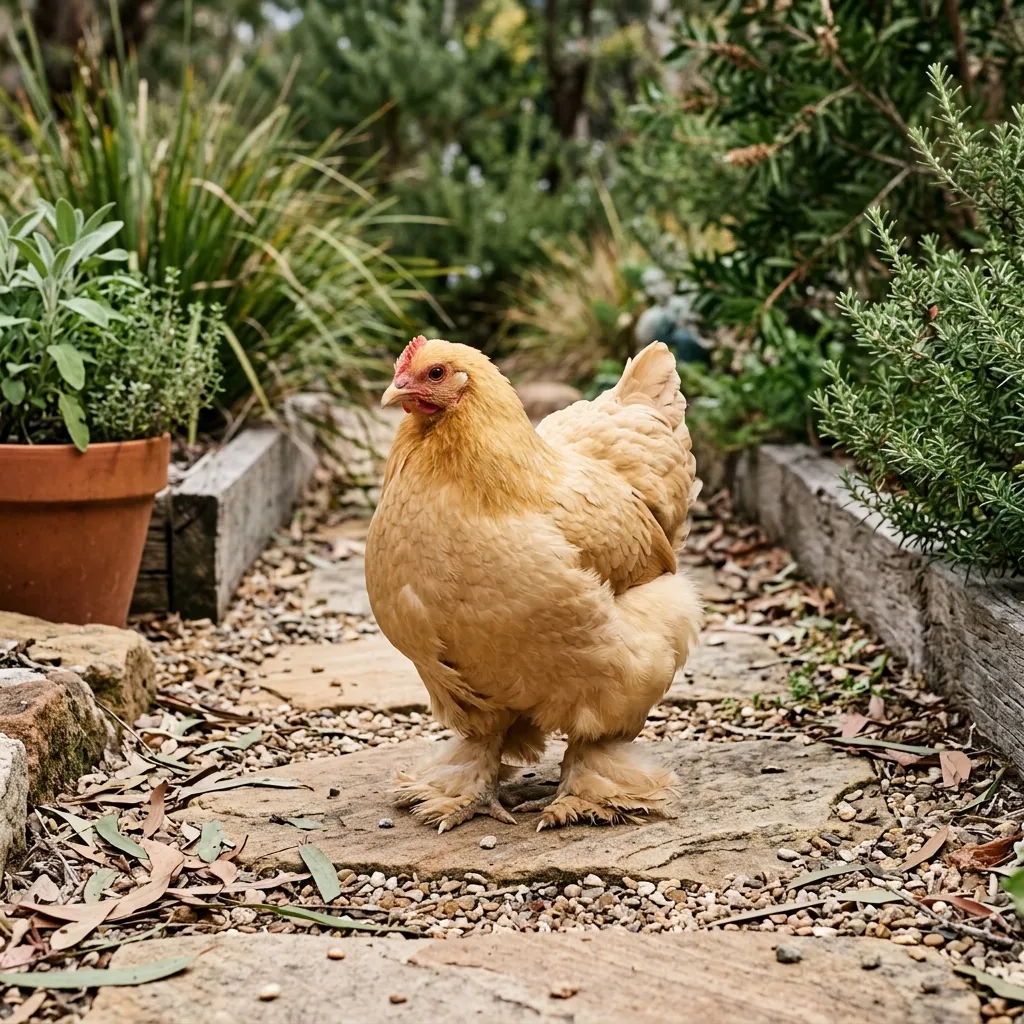
Bantams are miniature chickens, from tiny true bantams such as the Pekin and Sebright to small versions of full-size breeds like the Silkie and Wyandotte. Most hens lay roughly 60 to 150 small eggs a year, so they are kept more for charm than output. They suit children, small yards and keepers with limited space or tight council limits.
Fact panel
- Size
- Bantam (group of small breeds)
- Size and weight
- Typically about 450 to 900 g, depending on the breed
- Eggs a year
- 60 to 150
- Egg colour
- Small, white, cream or tinted depending on the breed
- Temperament
- Varies from very tame (Pekin, Silkie) to flighty (Sebright)
- Cold tolerance
- Fair, small birds cope with cold if the house is dry and draught-free
- Heat tolerance
- Fair, small bodies cope better than heavy breeds but still need shade
- Broodiness
- Often
- Comb and features
- Varies by breed, from single and rose combs to walnut combs
Origin and looks
In Australian poultry circles the word bantam covers two quite different groups. True bantams, such as the Pekin, the Sebright, the Japanese, the Belgian and the Rosecomb, are naturally small and have no large fowl equivalent. Other bantams are scaled-down versions of large breeds, for instance the Silkie, the Wyandotte and the Orpington, bred to look like the full-size bird at roughly a fifth to a quarter of the weight.
The Australian Poultry Standards classify breeds by feather type and weight class, and the breed list notes that the Pekin and the Sebright are true bantams, with the Pekin a heavy soft-feather type and the Sebright a light one. Colours vary widely, and some breeds have dozens of recognised varieties, so check the current Standards or a state poultry club before you buy for show. A true bantam usually weighs well under a kilogram, and the Pekin and Sebright figures are around 570 g for a hen and 620 to 680 g for a rooster.
Show bantams are bred for shape, feather pattern and a very particular type, and the Sebright, with its laced feathers and rooster that looks like a hen, is a good example. Utility bantams are more relaxed in type and are often better layers and better mothers. The best choice depends on whether you want something to show, to hatch eggs, to keep the children company or to put on the lawn.
Eggs and laying
Egg numbers vary between breeds, but they are usually low compared with a hybrid. Pekins are not noted layers, Silkies produce perhaps 60 to 100 eggs a year, and Sebrights about 60 to 80. Wyandotte bantams and other bantams of dual-purpose breeds lay a little more, though the exact figure depends on the line.
Bantam eggs are small, roughly half to two-thirds the size of a standard egg, and are cream, white or tinted. Most pullets begin laying at five to seven months, and many lay more heavily in spring than in the cooler months. A flock of four hens may give two or three small eggs a day at the peak.
Broodiness is a major feature. Silkies and Pekins are famous for it, and many bantam hens will sit through a hot summer, but a few breeds such as the Sebright are poor mothers. If you want a hen to hatch eggs, give her a quiet box and read the broody hen guide. If you do not, collect eggs daily and interrupt the habit. See the egg guide for storing small eggs.
Temperament
Temperament depends strongly on the breed. Pekins and Silkies are famously tame, easy to pick up and good with children, while Sebrights and many show bantams are active, flighty and can fly into trees. Bantam roosters are often feisty for their size and can be loud, so they are not always the quiet option that people assume.
Bantams do best with their own kind, because large breeds can bully small hens. They are sharp foragers if left alone on a lawn, but they are also quick to hide and can be hard to catch. A secure run with a roof is safer than free ranging, since a small bird is an easy meal for a hawk or a cat, and many can fly over a normal fence.
Care notes
- Build a house with enough perch space and a good roof, since bantams still need to roost off the ground and keep dry. The coop building guide explains space per bird, and bantams need about half what a large hen does.
- Cover the run, because small birds are more likely to fly out and easier targets for hawks, and use fine wire, since bantams can slip through standard mesh.
- Feed a complete layer or grower feed in small amounts and give grit and clean water. The feeding guide covers choices, and bantams eat much less than large birds, so avoid overfeeding or leaving feed out for rats.
- Feathered-leg breeds, such as the Pekin and Silkie, need dry runs, because mud clings to the feathers and invites skin trouble.
- Provide a dust bath, check under the wings and around the vent for mites and lice every few weeks and keep bedding dry. Ask a vet or use a registered product to the label if you find any. The health guide lists what to look for.
- Shut the birds in each night, since foxes, snakes, birds of prey and rats all take small chickens.
- See a vet who treats poultry if a bird is lethargic, struggles to breathe or stops eating.
Australian climate fit
Tropical north and the inland (north Queensland, Darwin, outback)
Small bodies lose heat more easily than heavy breeds, so many bantams are a reasonable fit, but fluffy birds such as Silkies and Pekins suffer. Provide shade all day, ventilation and water. See the heat and shade notes, the north Queensland hub and the Darwin hub.
South-east Queensland and northern NSW
Humidity and storms are the main challenge, and a roofed run and a raised house keep small birds dry. See the south-east Queensland hub and Northern Rivers hub.
Sydney, Canberra and Adelaide
Moderate winters suit most bantams, and Canberra's frost is manageable in a dry, draught-free house. Heatwaves in all three call for shade and water. See the Sydney hub, Canberra hub and Adelaide hub.
Melbourne and Hobart
Cold, wet weather is the challenge here, and Sebrights in particular dislike damp. Use a dry house and covered run, and see the Melbourne hub and Hobart hub.
Perth
Dry heat suits small, lightly feathered bantams better than fluffy breeds, but all need shade. See the Perth hub and check the frost dates if you are inland.
Buying and choosing birds
Bantams are among the easiest birds to find through registered breeders, poultry clubs, shows and poultry sales. Decide first whether you want a true bantam such as a Pekin or Sebright, or a small version of a large breed such as a Silkie or Wyandotte, and ask the breeder which type they hold. See the Pekin page, Silkie page and Wyandotte page for details.
Ask about age, colour, lines and whether the birds are show or utility. Check the local council rules before you buy, because limits vary, roosters are often restricted and small birds usually count towards the total.
Chicks are cheap but need warmth, so beginners often prefer pullets or point-of-lay birds. Sexing bantam chicks is unreliable until the comb develops, so expect cockerels. Hatching eggs work if you have a broody hen. On arrival, check for bright eyes, clean feathers around the vent and no lice or mites, and keep the new birds apart from the flock for a few weeks.
How the Bantam compares
| Breed | Weight | Eggs a year | Egg colour | Temperament | Heat | Cold | Broody |
|---|---|---|---|---|---|---|---|
| Bantam | Typically about 450 to 900 g, depending on the breed | 60 to 150 | Small, white, cream or tinted depending on the breed | Varies from very tame (Pekin, Silkie) to flighty (Sebright) | Fair | Fair | Often |
| Silkie | About 0.6 to 0.9 kg for bantam birds | 60 to 100 | Cream to tinted, small | Gentle, trusting, easily handled | Fair | Fair | Very often |
| Pekin Bantam | Maximum about 680 g rooster and 570 g hen | 100 to 140 | White to cream, small | Docile, friendly and easily tamed | Fair | Fair | Very often |
| Cochin | 4.5 to 5.9 kg cock, 4.1 to 5.0 kg hen | 120 to 180 | Brown to tinted, medium | Very docile, slow and calm | Poor | Good | Very often |
Silkie compared Pekin Bantam compared Cochin compared All breeds
Common questions
What is the difference between a bantam and a chicken?
A bantam is a small chicken, either a true bantam with no large equivalent or a miniature version of a large breed.
Do bantams lay many eggs?
Usually not. Most lay roughly 60 to 150 small eggs a year, depending on the breed.
Which bantam is best for children?
Pekins and Silkies are the usual choices, since they are tame and easy to handle.
Are bantams quieter than large chickens?
Hens are quieter, but bantam roosters can crow loudly, and rooster rules still apply.
Can bantams live with large chickens?
It is usually better to keep them separate, because larger birds can bully or injure them.
How much space do bantams need?
Less than large hens, but they still need a secure, roofed run and a dry house.
Do bantams count towards council limits?
Usually yes, so check the local rules.
- List of breeds in the Australian Poultry Standards, Wikipedia
- Bantam (chicken), Wikipedia
- Pekin (chicken), Wikipedia
- Livestock Conservancy: Sebright
- Silkie chicken, Wikipedia
- Planting Season's own chicken pages for feeding, coop and flock sizing.
Egg figures are typical ranges for a healthy flock in the first two years of lay. They vary by strain, line, feed and daylight, and every breed lays less as it ages. Weights are typical ranges from the sources above and from breeder descriptions. The Australian Poultry Standards were not checked line by line for this page, so confirm current show weights and recognised colours with a poultry club or a judge before you buy for exhibition.
Keep reading
Chicken breed pickerHow to start keeping chickensHow many chickens to keepCoop guideCan chickens eat...?Chicken healthBackyard eggs