Chicken Breeds in Australia: The Backyard Guide
All 18 breeds you'll actually find at Australian breeders and produce stores, compared honestly.
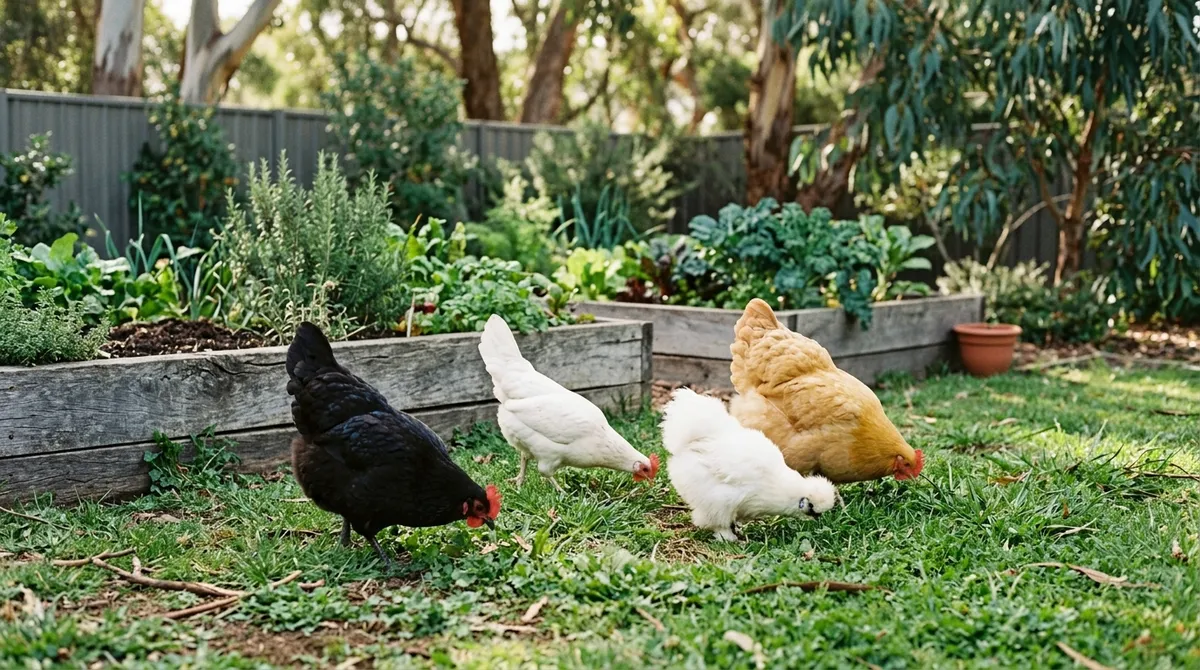
Australia's backyard flocks are built from a surprisingly short list of breeds, and choosing between them comes down to three questions: how many eggs do you want, what's your climate, and are these production birds or family pets? The table jumps to any breed; the breed picker narrows it to your region and goals in two taps.
| Breed | Eggs/yr | Egg colour |
|---|---|---|
| ISA Brown | ~300 | brown |
| Hy-Line Brown | ~300 | brown |
| Australorp | ~250 | light brown |
| Leghorn | ~280 | white |
| Sussex (Light) | ~250 | cream |
| Rhode Island Red | ~260 | brown |
| Plymouth Rock (Barred) | ~230 | brown |
| Wyandotte | ~200 | brown |
| Orpington (Buff) | ~180 | light brown |
| Silkie | ~100 | cream or tinted |
| Pekin Bantam | ~120 | cream |
| Polish | ~150 | white |
| Brahma | ~150 | brown |
| Frizzle | ~150 | tinted |
| Ancona | ~220 | white |
| Welsummer | ~180 | dark terracotta |
| Araucana | ~180 | blue-green |
| Langshan (Australian) | ~200 | brown with plum bloom |
The breeds
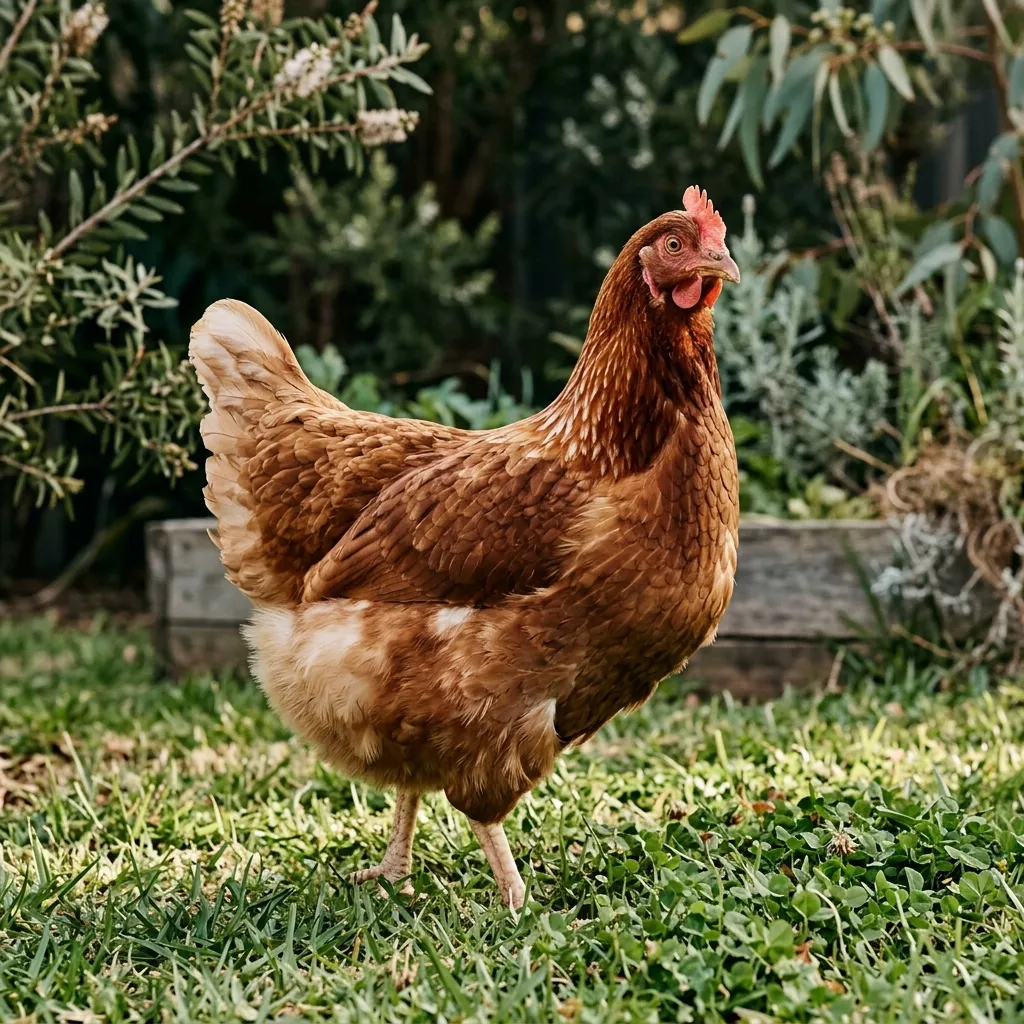 ISA Brown →
~300 brown eggs a year
The Australian backyard default and the breed most likely already in your neighbour's yard. Bred for production: expect an egg most days for the first 2 to 3 years, then a sharp slowdown. Friendly, low-fuss, cheap to buy and ideal for first-timers who want the fridge full fast.
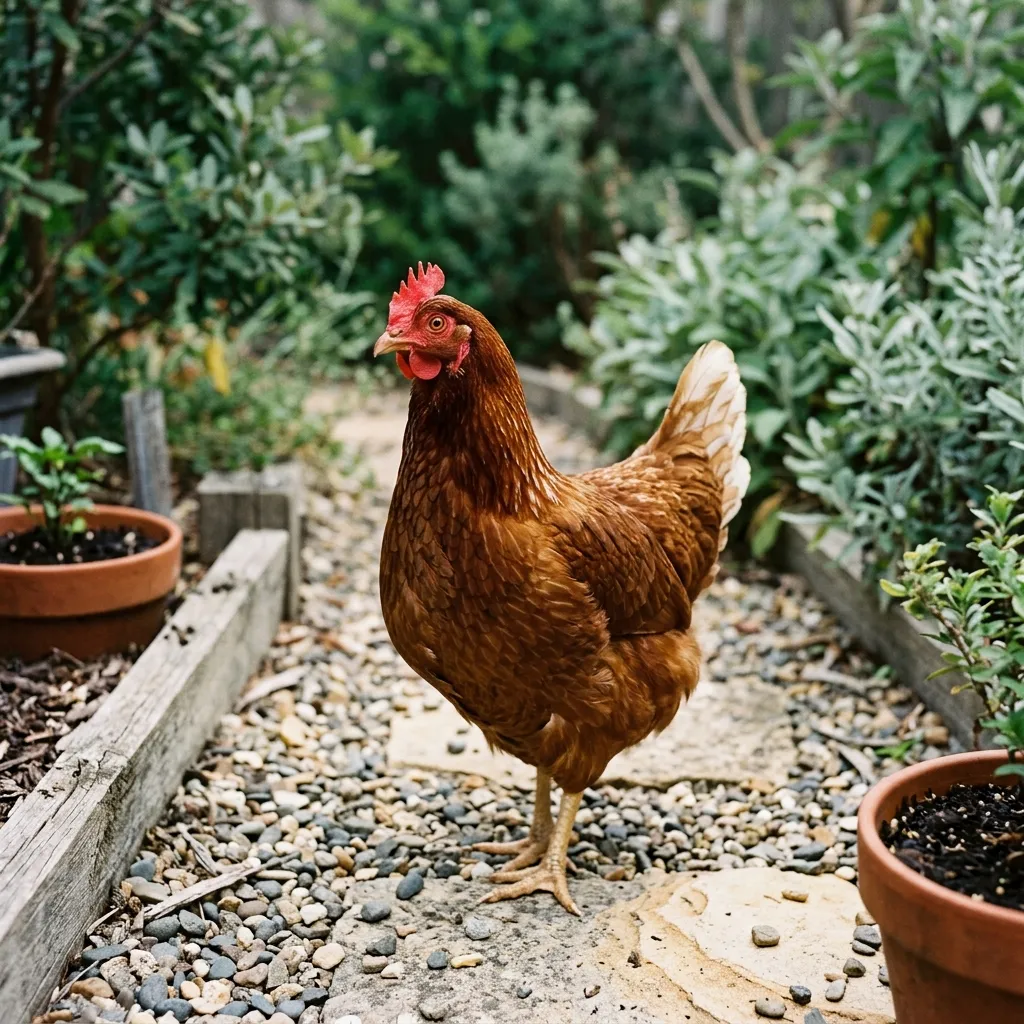 Hy-Line Brown →
~300 brown eggs a year
The other commercial brown layer, near identical to the ISA in output. Usually described as slightly calmer and very people-oriented. If a supplier offers Hy-Lines instead of ISAs, take them without hesitation.
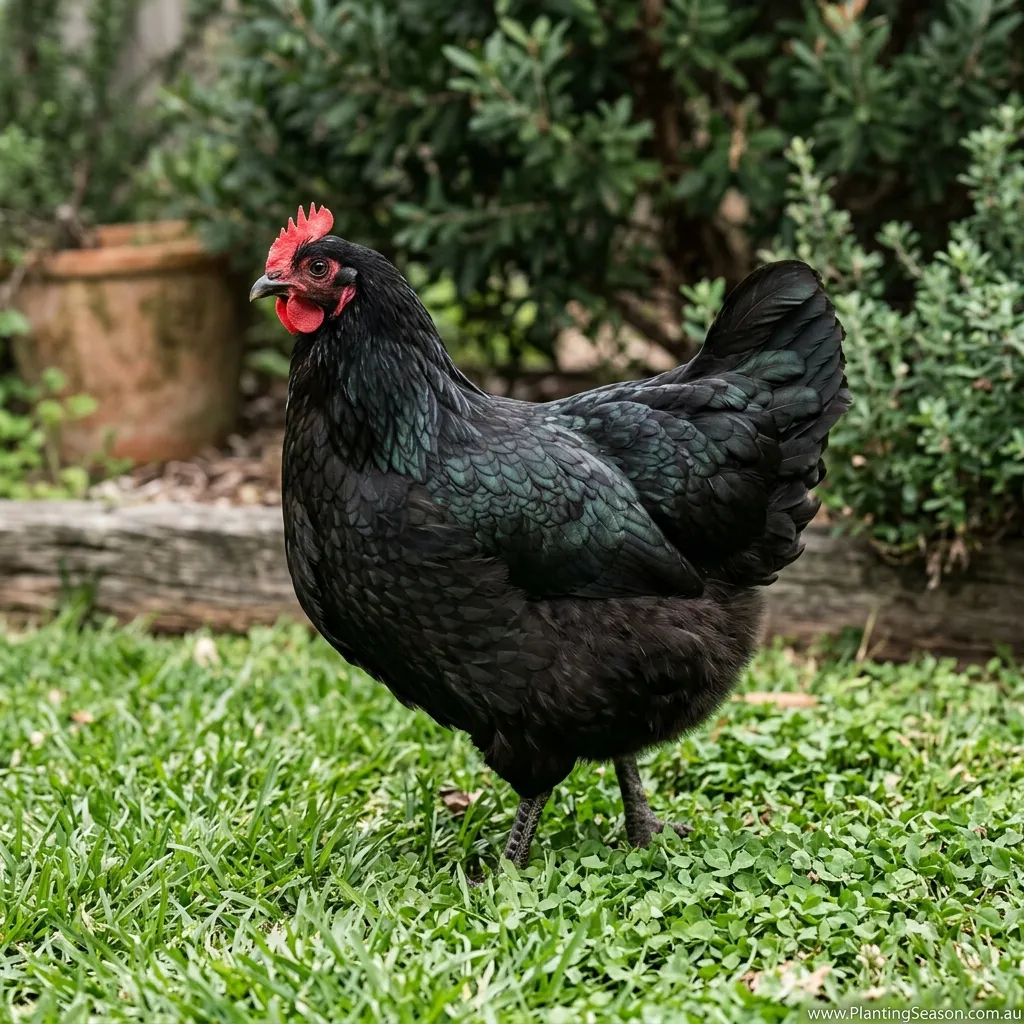 Australorp →
~250 light brown eggs a year
Australia's own breed and the holder of the world egg-laying record (364 eggs in 365 days). Glossy black, gentle, quiet, brilliantly cold-hardy and a steadier long-term layer than the commercial hybrids. The black feathers absorb heat, so give them proper shade north of Sydney.
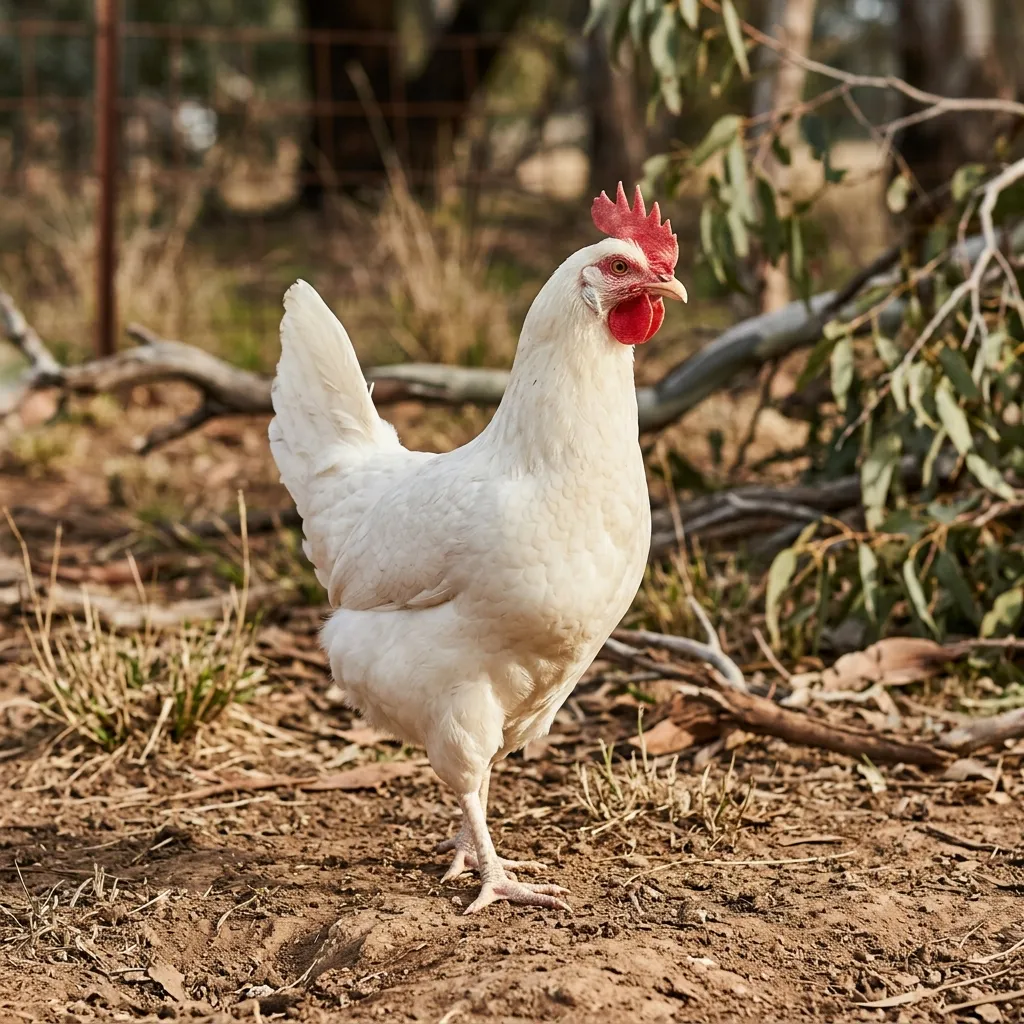 Leghorn →
~280 white eggs a year
The best hot-climate layer in the country. Big white eggs on a small appetite, which makes them the most feed-efficient bird on this list. Flighty and independent rather than cuddly, they need space and a decent fence.
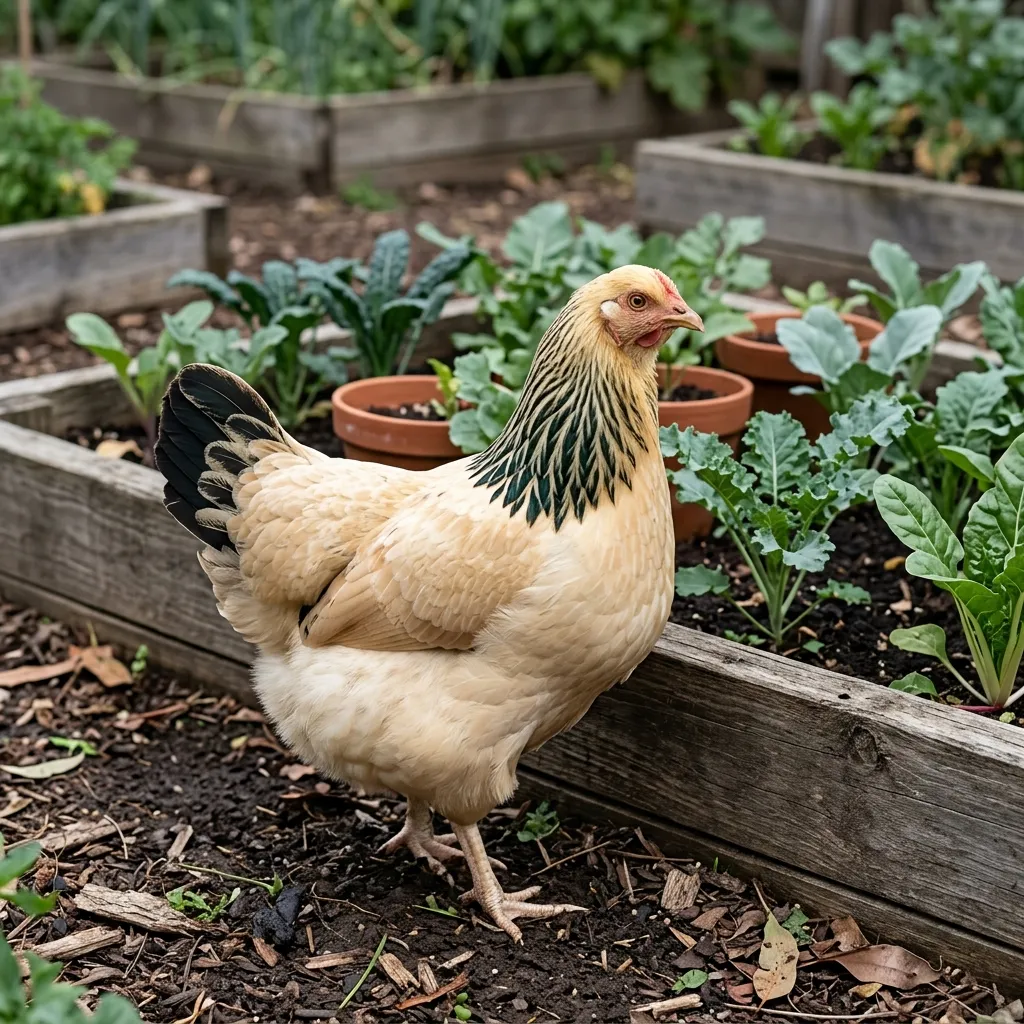 Sussex (Light) →
~250 cream eggs a year
The classic dual-purpose English breed: friendly, curious, a strong forager and one of the best winter layers, which matters in Melbourne, Canberra and Tasmania where most breeds slow right down.
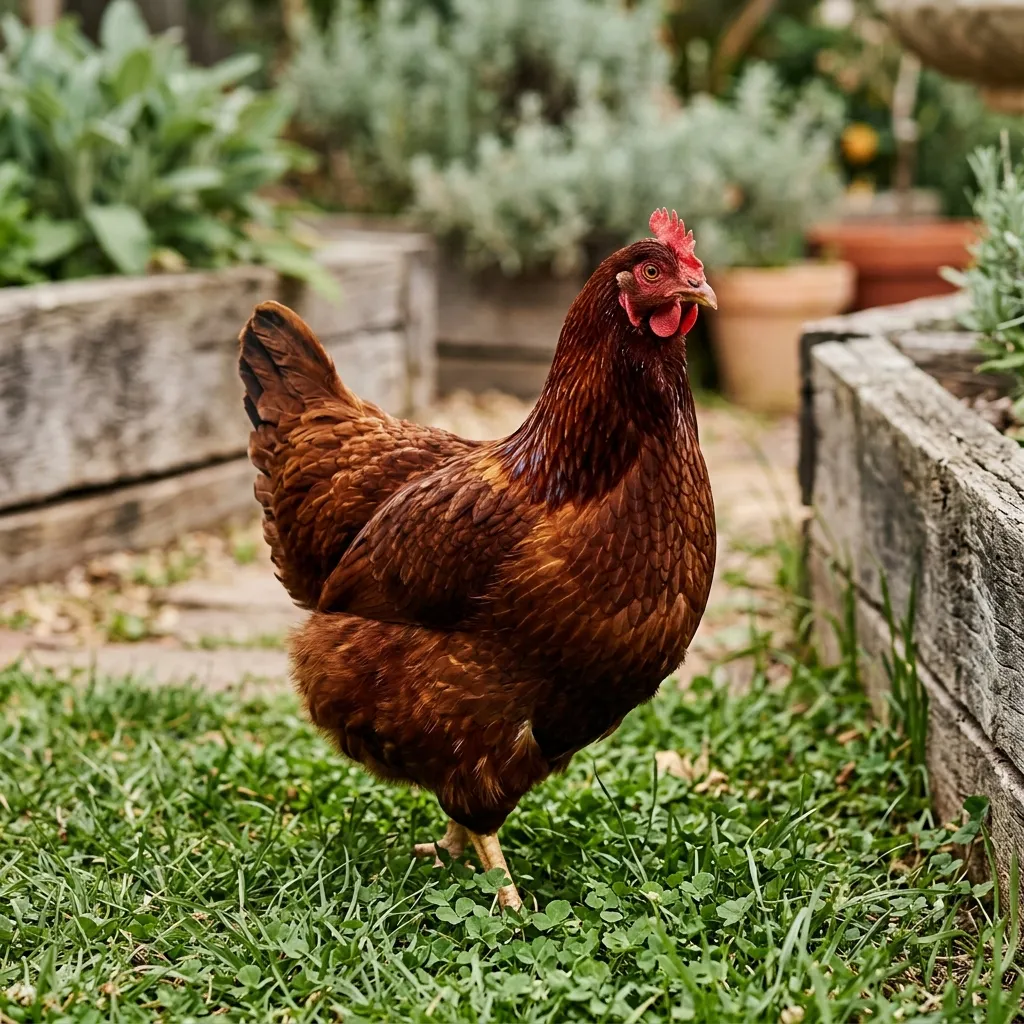 Rhode Island Red →
~260 brown eggs a year
Tough as old boots, productive for more years than the hybrids, and confident to the point of bossiness. Keep an eye on them in mixed flocks with timid breeds.
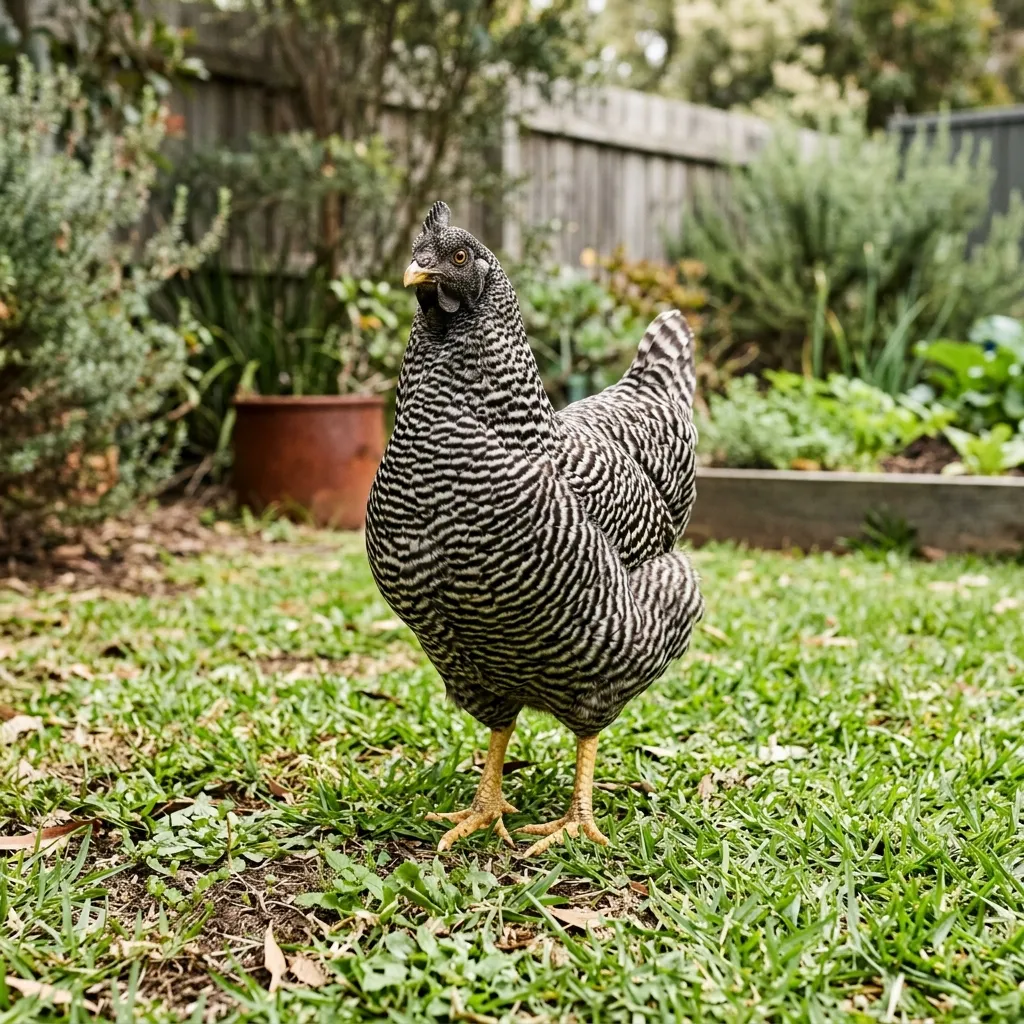 Plymouth Rock (Barred) →
~230 brown eggs a year
The striped charmer of the chicken world. Calm, kid-friendly, steady year-round laying and big enough to handle cold southern winters easily.
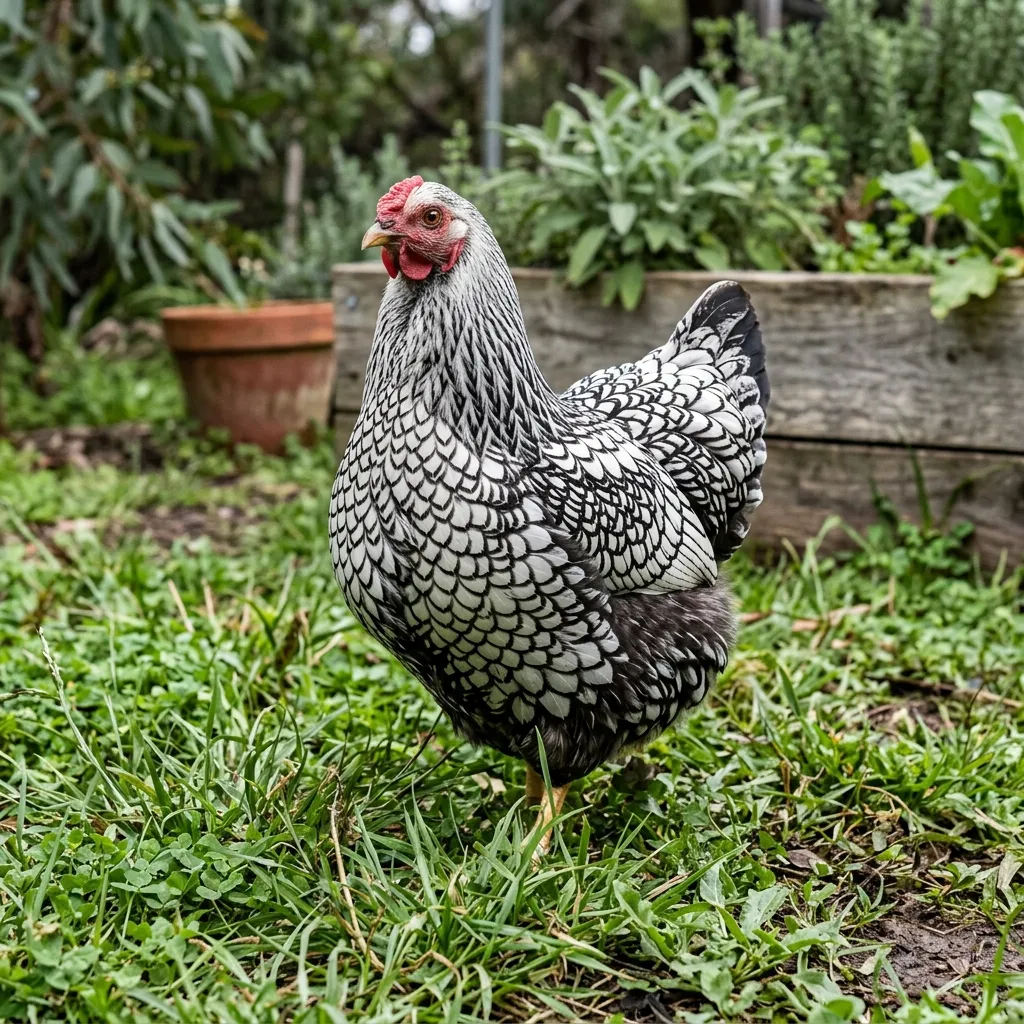 Wyandotte →
~200 brown eggs a year
Stunning laced feathering and built for the cold, a Tasmanian and highlands favourite. The dense coat that keeps them warm makes them genuinely struggle in humidity; not a bird for Brisbane.
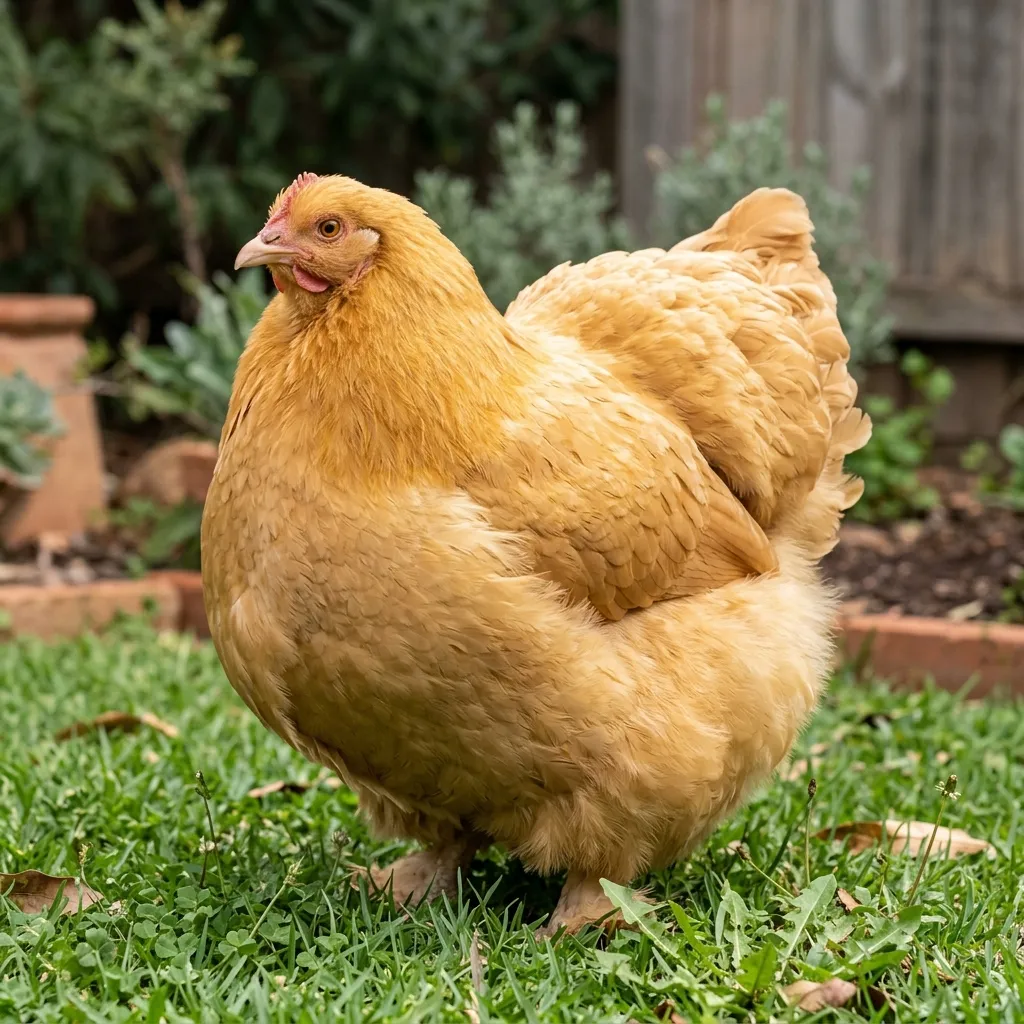 Orpington (Buff) →
~180 light brown eggs a year
The golden retriever of chickens: huge, placid and happy to be carried around by children. The trade-off is fewer eggs and a real heat-stress risk; north of Sydney they need deep shade and cool water as non-negotiables.
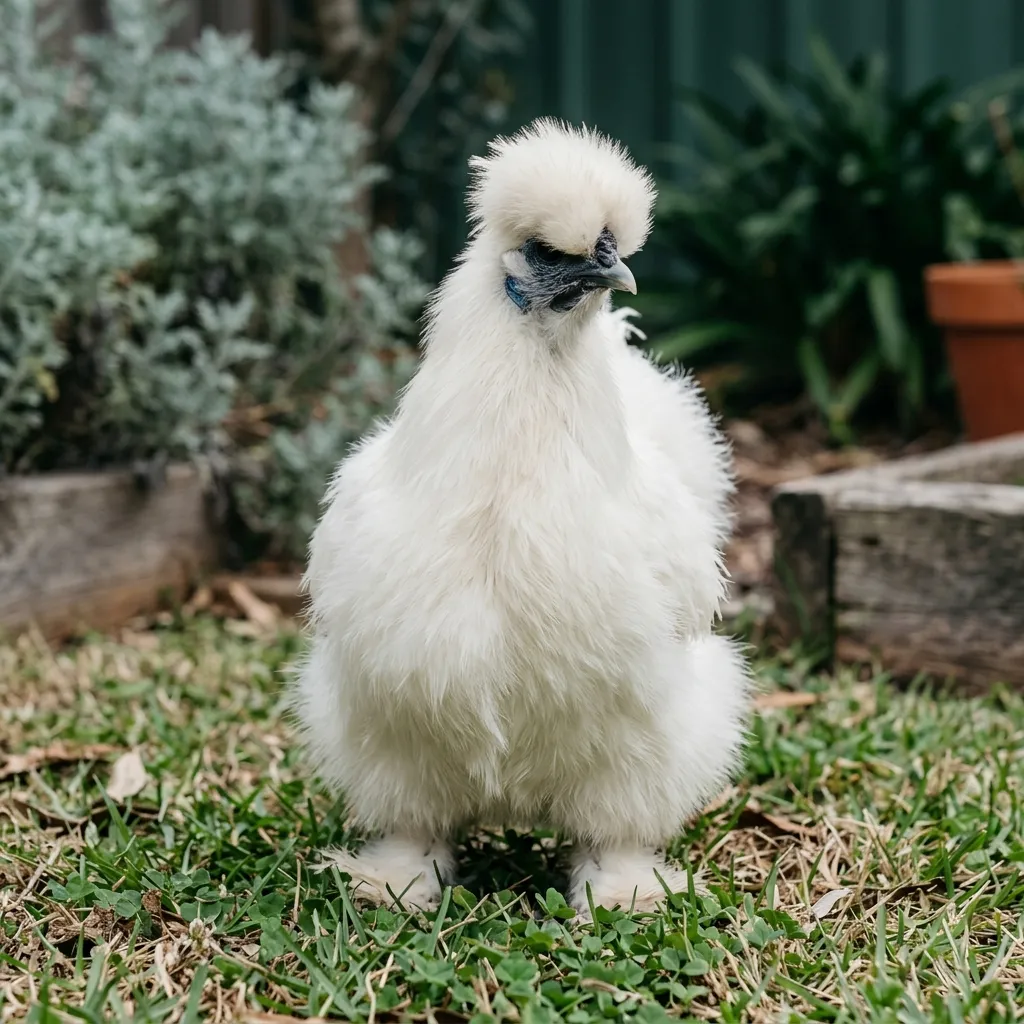 Silkie →
~100 cream or tinted eggs a year
The fluffy lap chicken. Silkies lay modestly but go broody constantly, which makes them the best natural incubators you can own; many keepers run one Silkie purely to hatch other hens' eggs. Their fur-like feathers aren't waterproof, so they need dry shelter. Wonderful with kids.
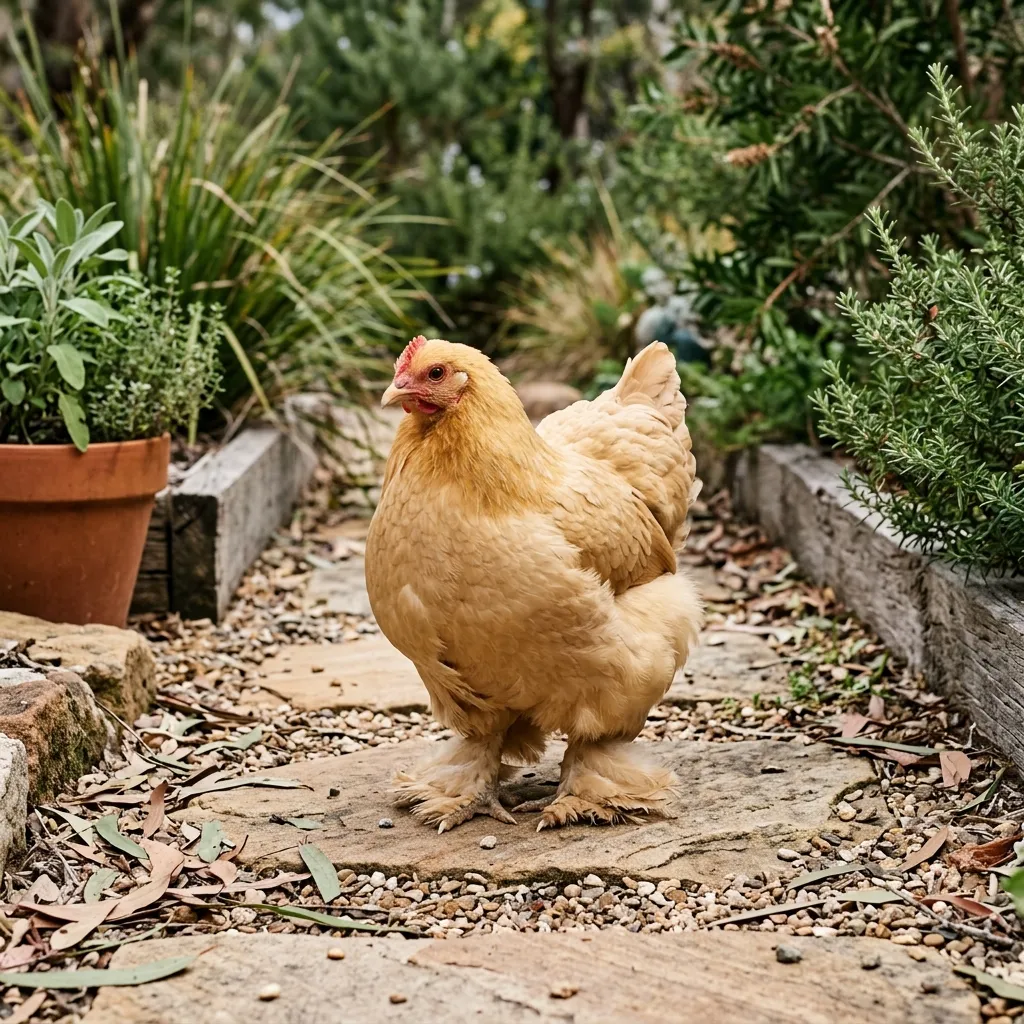 Pekin Bantam →
~120 cream eggs a year
Tiny, tame, and the gentlest bird on a garden bed thanks to feathered feet that barely scratch. Small eggs, enormous personality, perfect for courtyard blocks.
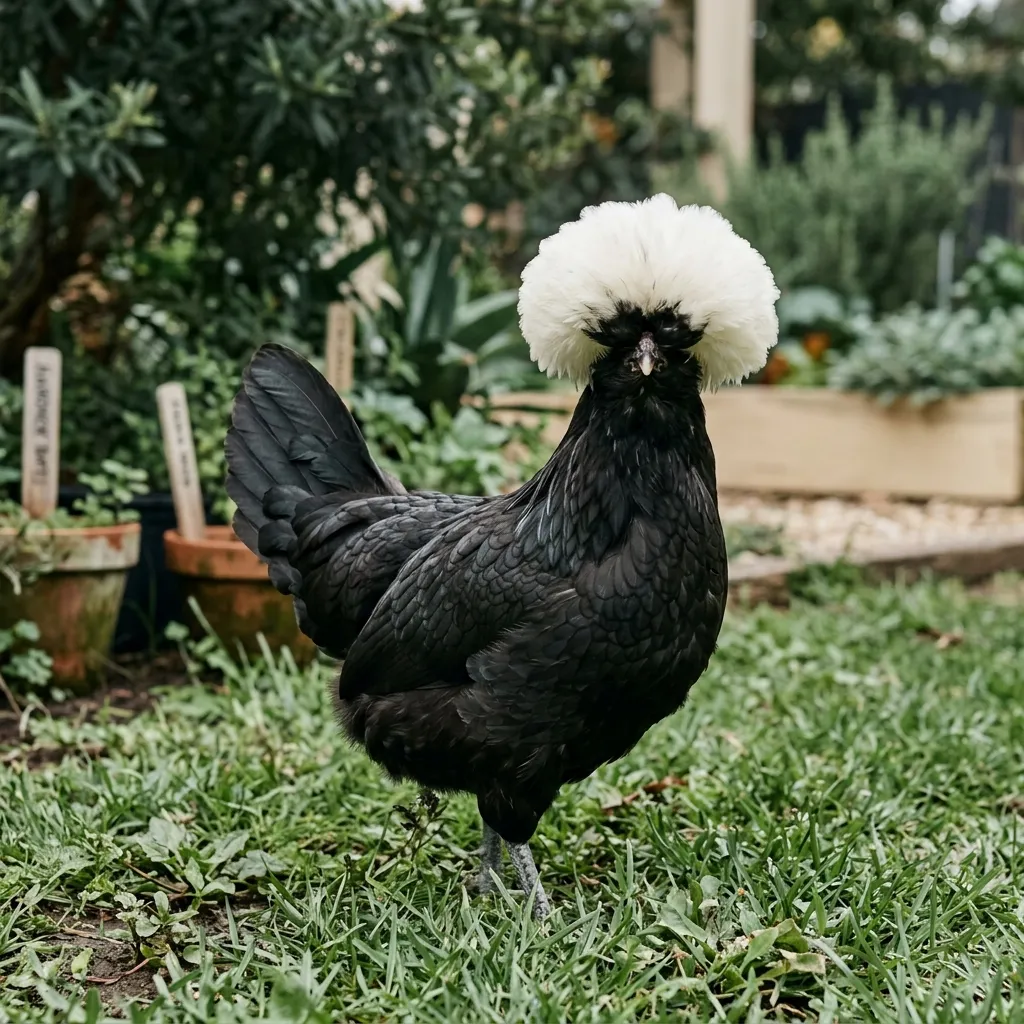 Polish →
~150 white eggs a year
The pompom-crested showstopper. Sweet-natured but the crest blocks their vision, making them easy prey; keep them in a covered run. Crests that stay wet cause trouble in cold, damp winters.
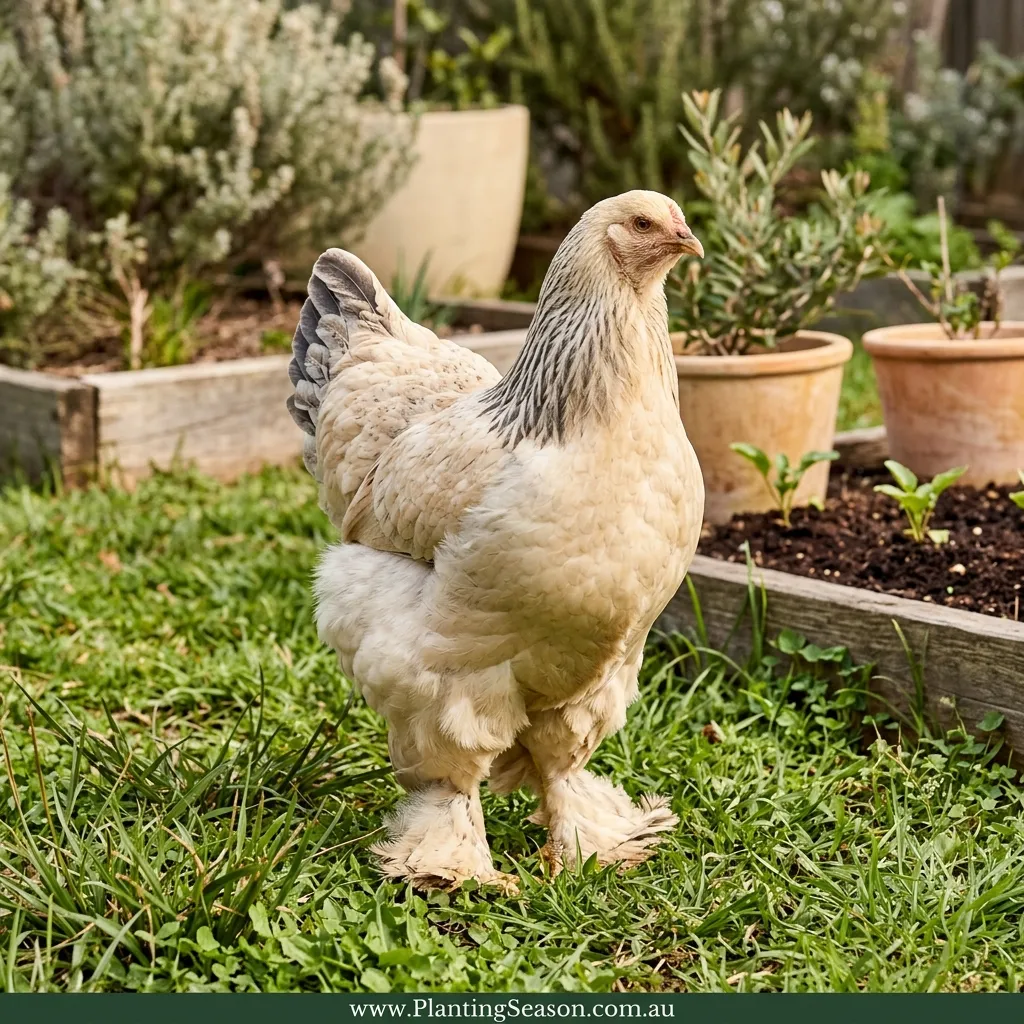 Brahma →
~150 brown eggs a year
The gentle giant, sometimes knee-high to a toddler. Magnificent in cool climates, calm with everything, big appetite. Feathered feet hate mud, so sort your drainage first.
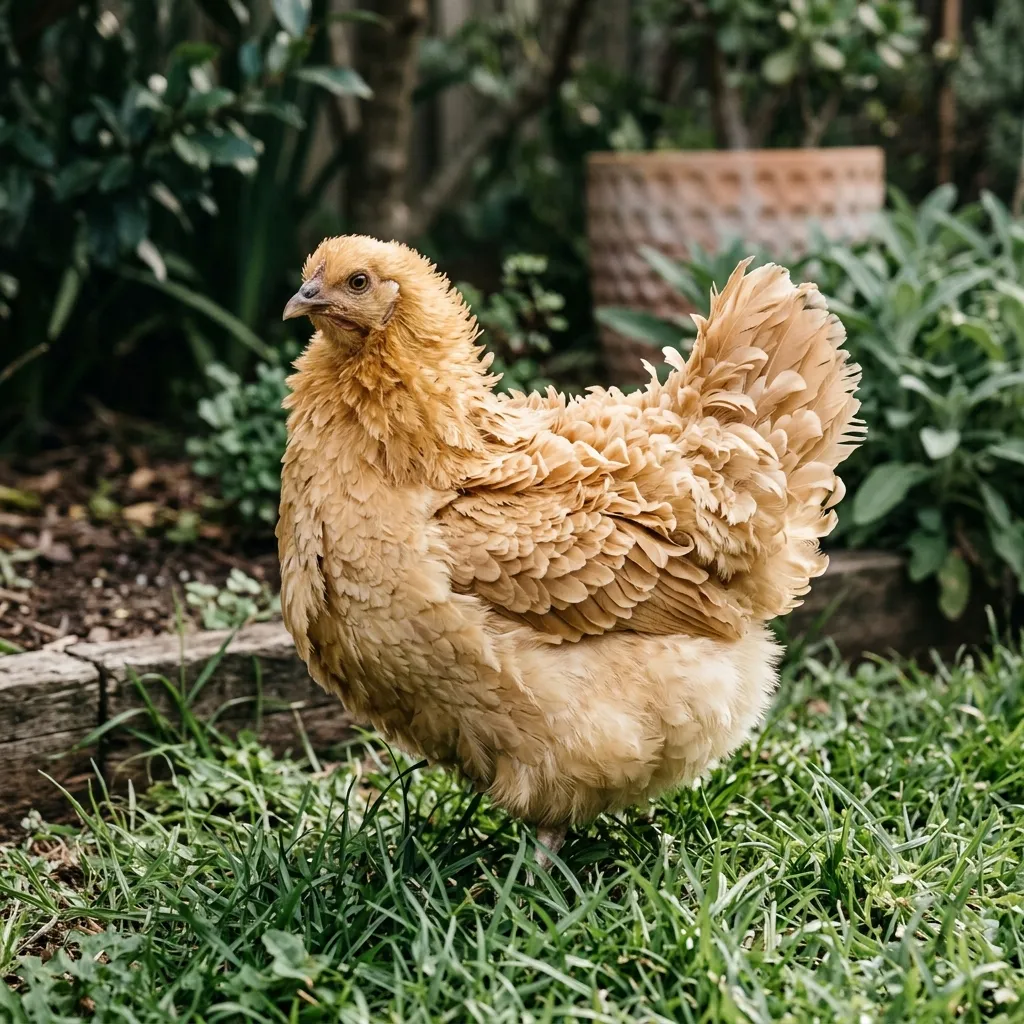 Frizzle →
~150 tinted eggs a year
Every feather curls backward, and the look stops traffic. Those curls neither insulate nor shed rain, so Frizzles need weather protection in both directions. A bird you keep for love, not logistics.
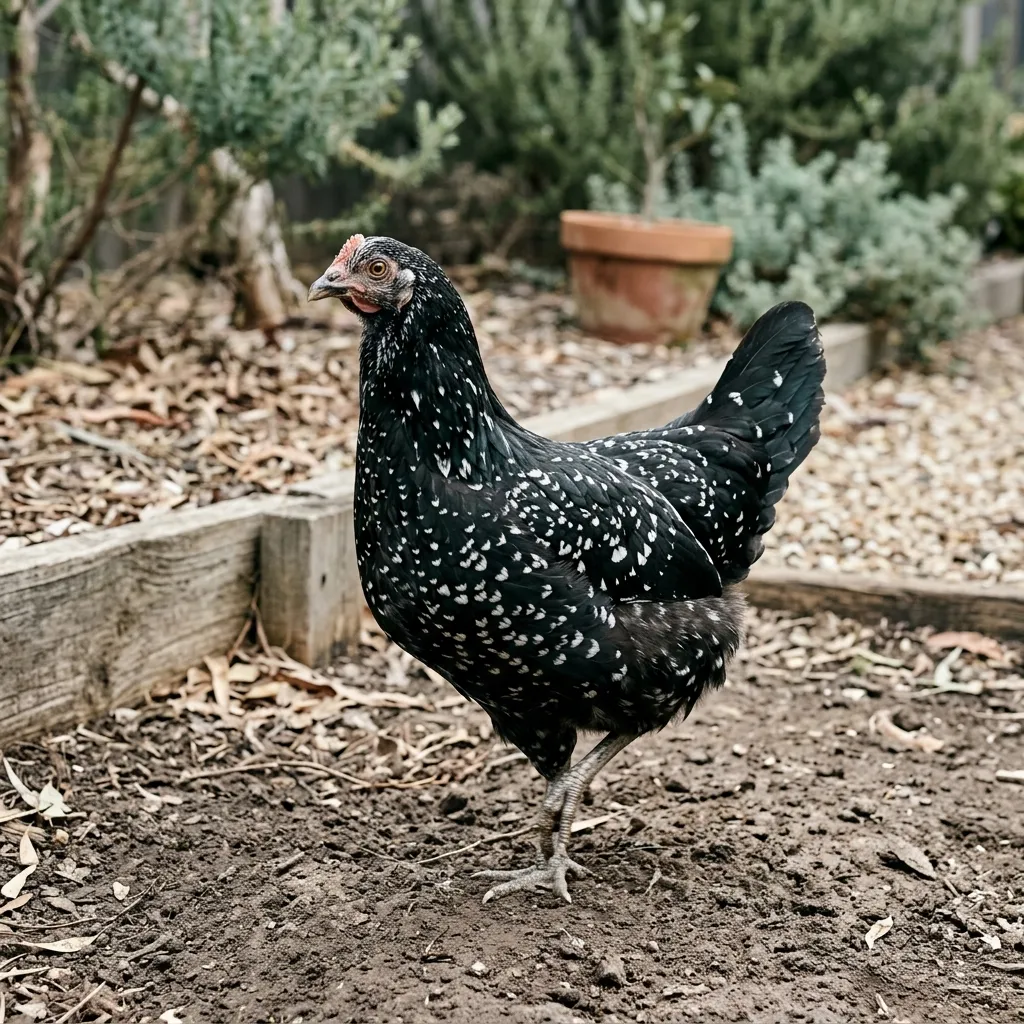 Ancona →
~220 white eggs a year
A spotted Mediterranean forager that thrives in dry heat, ideal for Perth and Adelaide. Active and alert rather than affectionate.
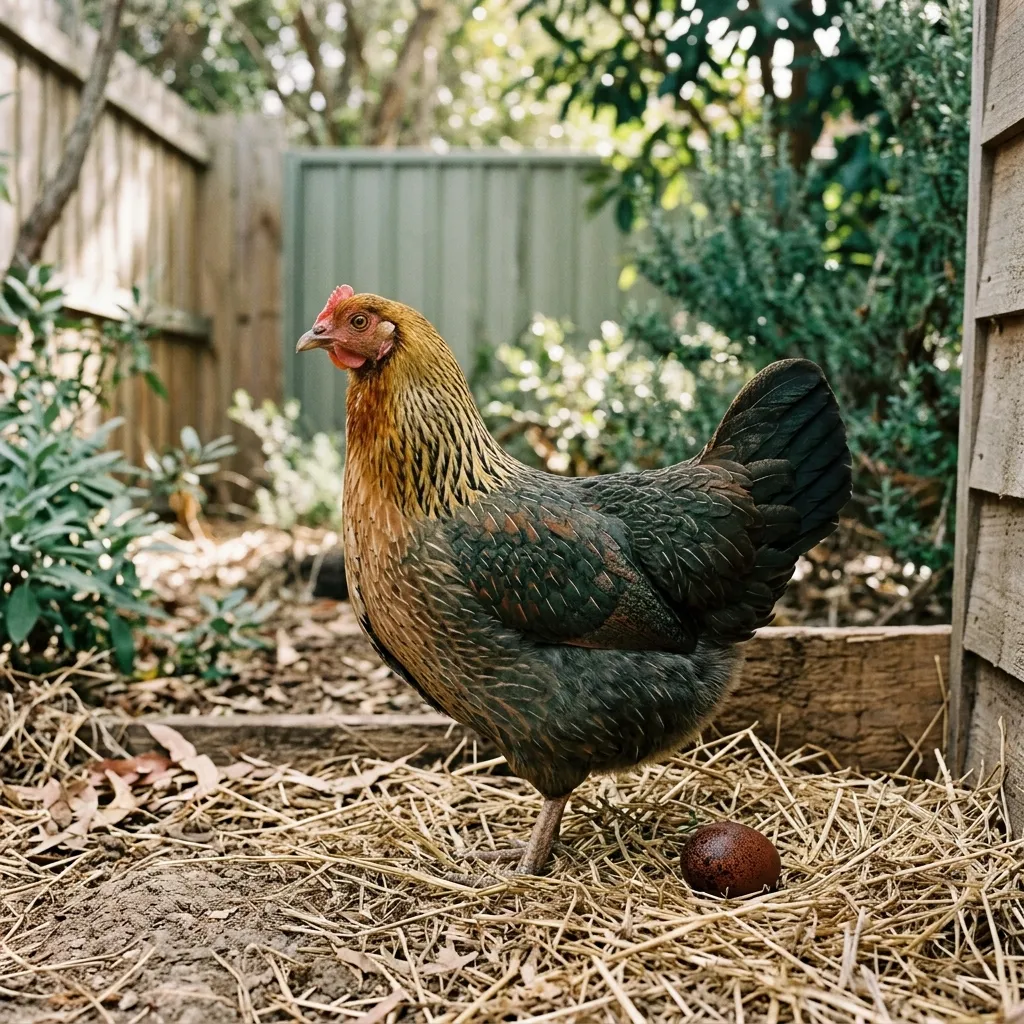 Welsummer →
~180 dark terracotta eggs a year
The breed behind the gorgeous dark-speckled eggs at farmers markets. Friendly, clever, and steady rather than spectacular in output.
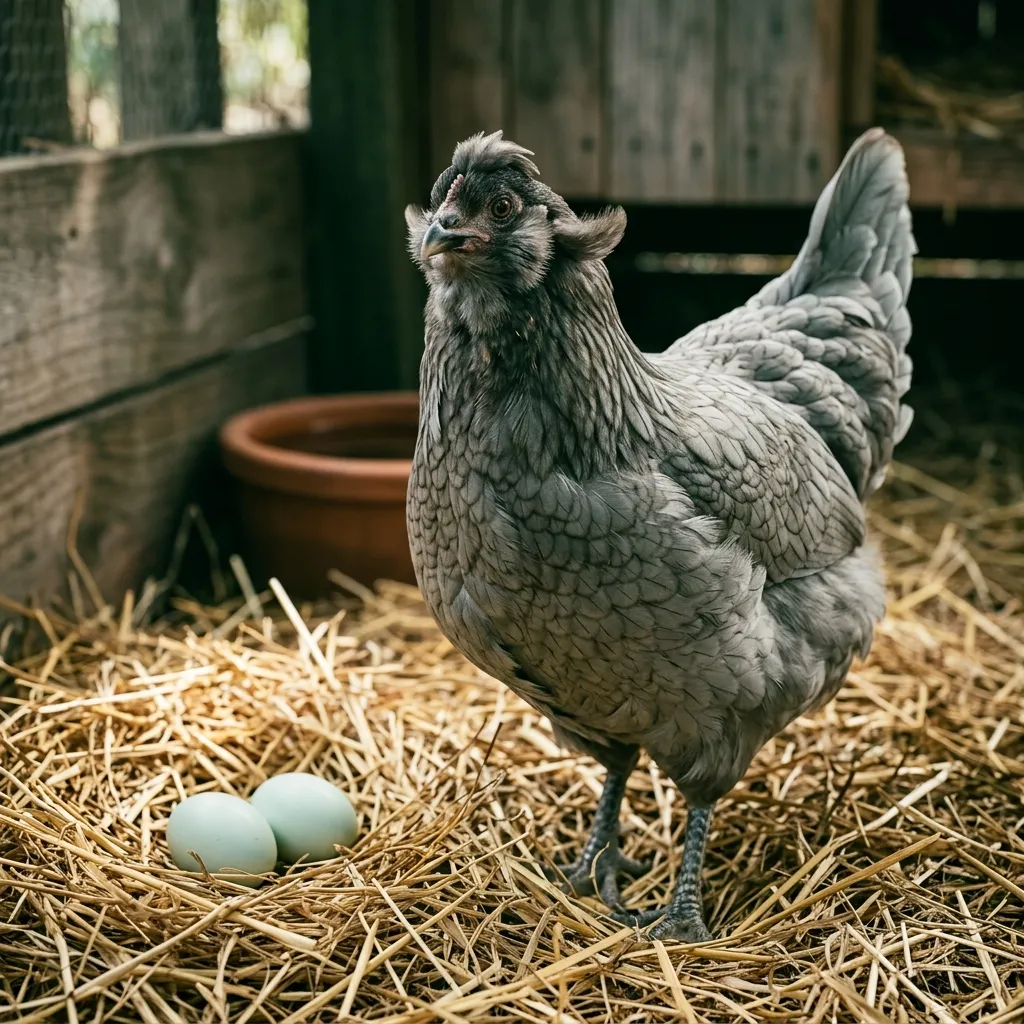 Araucana →
~180 blue-green eggs a year
The blue egg specialist. A hardy forager whose quality varies a lot between breeder lines, so buy from someone who shows you their flock.
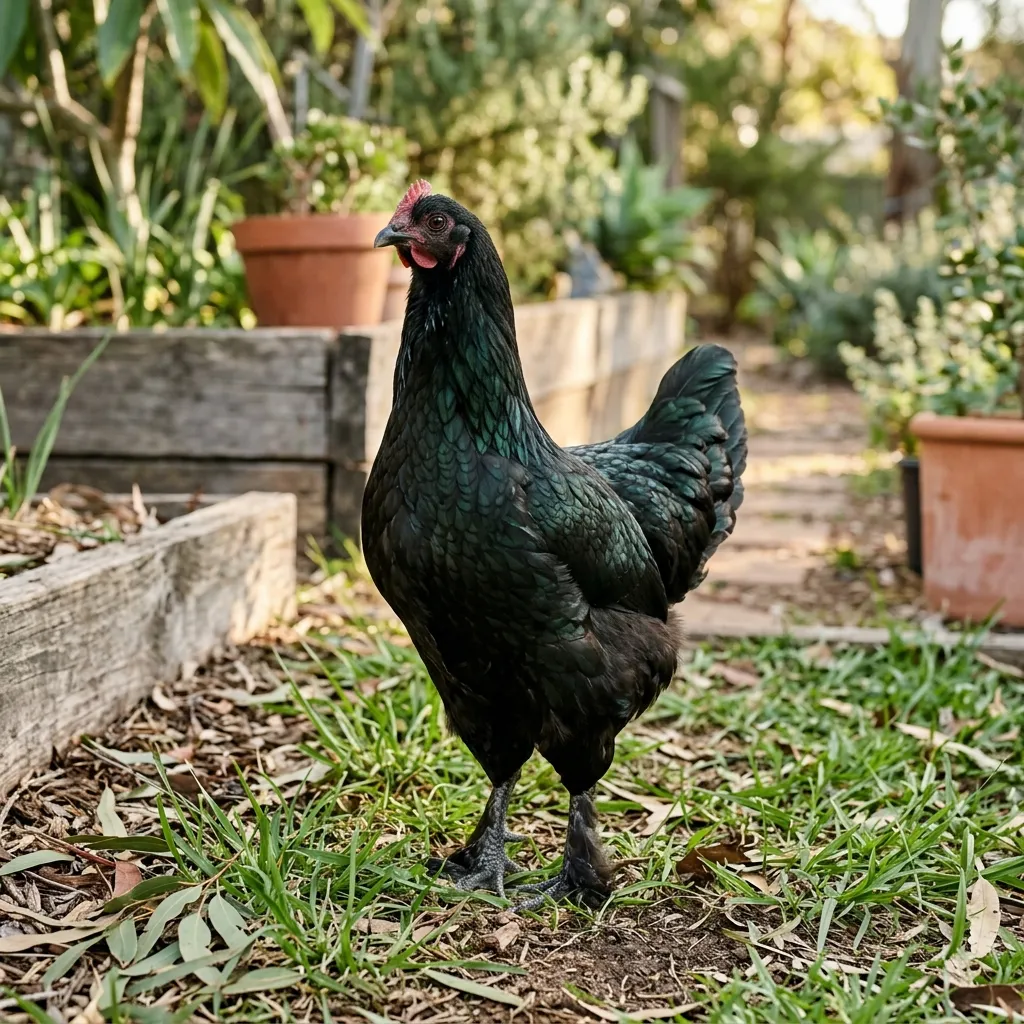 Langshan (Australian) →
~200 brown with plum bloom eggs a year
An old Australian favourite: tall, elegant and reliable through southern winters. The eggs carry a distinctive plum-coloured bloom.
What to plant, flock and hive jobs for the month, in one short email. No spam.
Unsubscribe any time.