How to Grow Redcurrant in Australia
Updated September 2026
Glossy strings of sharp red berries for cool southern gardens
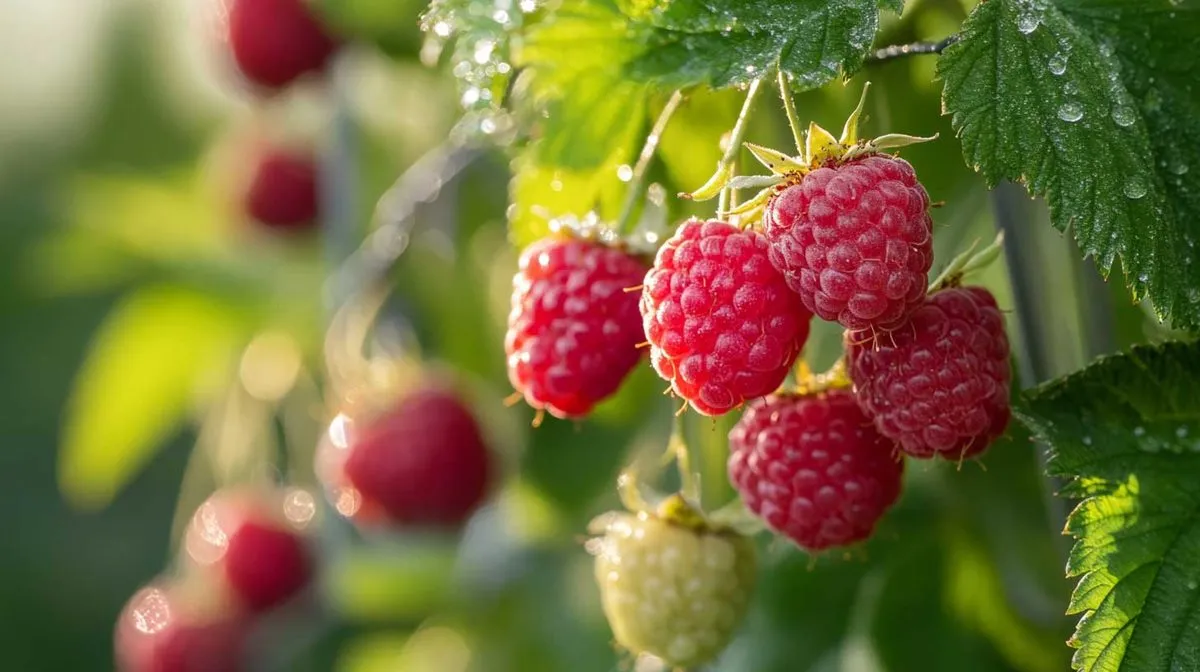
Redcurrants are small, tough, deciduous bushes that hang strings of glossy, translucent red berries in early summer. The fruit is sharp rather than sweet, which is exactly why it makes the clearest, brightest jelly in the pantry and sits so well with rich meats and desserts.
The bushes are compact at 1 to 1.8 m, tolerate part shade, and can be trained flat against a fence or a cool wall. White currants are a pale form of the same plant and are grown the same way.
When to Plant in Your Region
Redcurrants are planted as dormant bare-root or potted bushes in winter. Plant from June to August in Melbourne & Victoria, Adelaide & SA, Tasmania and Canberra & ACT. It is not suited to South East Queensland, Northern Rivers NSW, Sydney & Coastal NSW, Perth & WA, North Queensland and Darwin & Top End. Choose your region below for the local calendar and any regional note.
Climate and Where It Grows in Australia
Currants need a long, cold winter to flower and fruit well, and they dislike hot, humid summers.
The site lists redcurrants as suited to Melbourne, Adelaide, Tasmania and Canberra, planted in winter. Tasmania and the cooler hills of Victoria and South Australia suit them best; in warmer spots give them afternoon shade and steady water. They are not reliable on the Sydney coast, where the upper Blue Mountains is the place to grow them, or in Perth, where winters lack chill and summer heat scorches the bush, leaving only the cooler south west. South East Queensland, the Northern Rivers and the tropics are too warm.
- South East Queensland: not suited. Not viable in SEQ. Currants need hundreds of chill hours and mild summers.
- Northern Rivers NSW: not suited. Not viable. Needs hundreds of cold winter hours the Northern Rivers never gets.
- Sydney & Coastal NSW: not suited. Not reliable on the coast. Needs cold winters and mild summers; grow it in the upper Blue Mountains instead.
- Melbourne & Victoria: plant from June to August.
- Adelaide & SA: plant from June to August.
- Perth & WA: not suited. Not reliable in Perth. Winters lack chill and summer heat scorches the bush. Cooler south west only.
- Tasmania: plant from June to August.
- Canberra & ACT: plant from June to August.
- North Queensland: not suited. Not viable. Currants need hundreds of chill hours. Impossible in the tropics.
- Darwin & Top End: not suited. Not viable. Currants need winter chill and dormancy. No chill in Darwin.
Choosing a Variety
Red Lake
A long established redcurrant with long strings of large, bright berries and reliable crops.
Rovada
A late season redcurrant with very long strings of fruit, which makes picking quick.
White Versailles
A white currant: the same plant with pale, translucent, slightly sweeter berries. Grow and prune it exactly like a redcurrant.
Planting
Plant in winter while bushes are dormant. Redcurrants like moist, rich, well drained soil with a pH of about 6 to 6.8, and a spot with morning sun and afternoon shade in all but the coolest gardens.
- Space bushes about 1.5 m apart.
- Grow on a short leg. Unlike blackcurrants, redcurrants are grown on a single short stem, with the branches starting a hand width or so above the soil. Remove any shoots lower than that.
- Cut back after planting. Shorten each branch by about half, to an outward facing bud, to build a strong framework.
- Water in and mulch thickly to keep the shallow roots cool and moist.
Against a fence or a cool wall, redcurrants can be trained as a flat fan of stems tied to wires, which saves space and makes netting easy.
Care
Watering
Currants have shallow roots and suffer quickly in dry soil. Keep the soil evenly moist from spring, especially while the fruit is swelling, and keep a thick layer of mulch over the root zone.
Feeding
Spread compost around the bush in late winter. Redcurrants respond well to potassium, so a fertiliser for fruiting plants, or a little sulphate of potash, supports the crop. Avoid heavy nitrogen, which gives soft growth that mildew loves.
Pruning
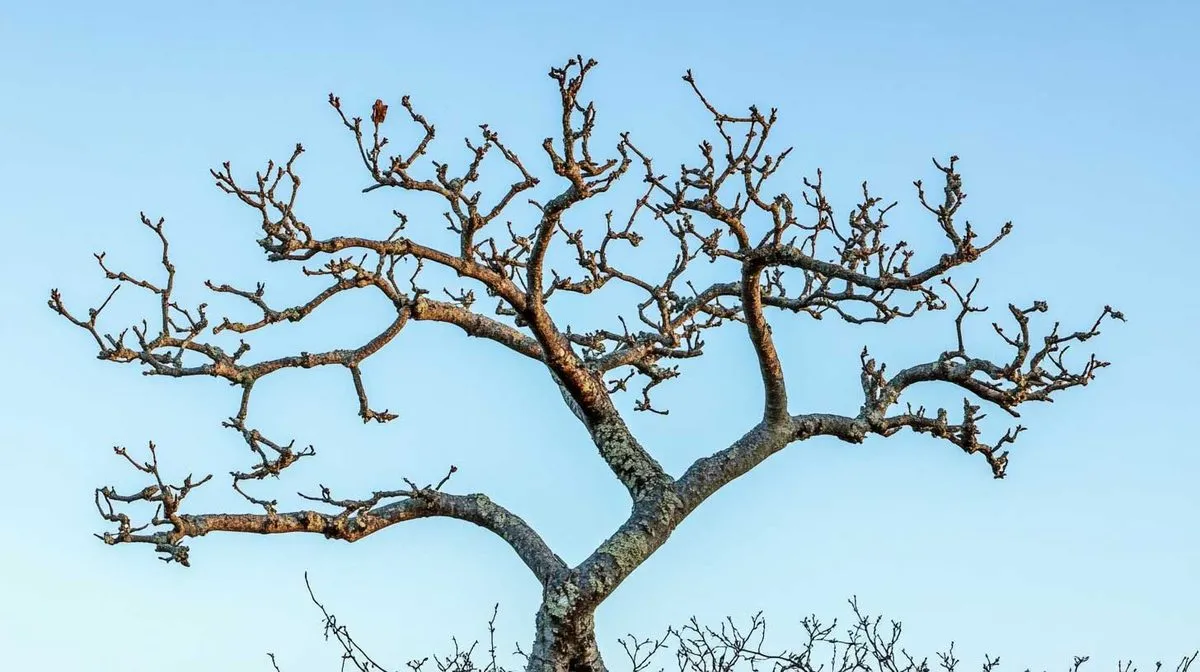
Redcurrants fruit on short spurs on older wood and at the base of last year's shoots, so they are pruned to keep a permanent framework.
- Shape. Keep an open goblet of eight to ten main branches on the short leg, with the centre clear.
- Winter. Shorten side shoots back to one or two buds, and shorten the main branch tips by a third or so.
- Renewal. Cut out any main branch older than about four years and let a strong young shoot replace it.
- Summer. After harvest, shorten the new side shoots to about five leaves to let light and air into the bush.
Pollination
Redcurrants are self-fertile, so a single bush fruits on its own.
Pests and Diseases
- Birds. The main problem by far. Birds strip ripe currants in a morning. Net the bushes before the fruit colours.
- Aphids. Clusters on new shoot tips and under leaves in spring, sometimes causing puckered, reddish leaves. Hose off or squash, and let predators build up.
- Currant borer. Moth larvae that tunnel inside stems, causing shoots to wilt and die in spring and summer. Cut affected stems back to healthy wood, below the hollow centre, and burn or bin them.
The two diseases to watch are powdery mildew, a white coating on shoots and leaves that thrives where air is still, and leaf spot, which causes brown spots and early leaf fall in wet seasons. An open pruned bush, watering at the base and raking up fallen leaves in autumn keep both in check.
Harvest and Storage
Redcurrants ripen in early summer. Wait until the whole string, called a strig, is fully coloured, then pick the strig whole by its stalk rather than picking single berries, which bruise. Strip the berries off later by running a fork down the stalk.
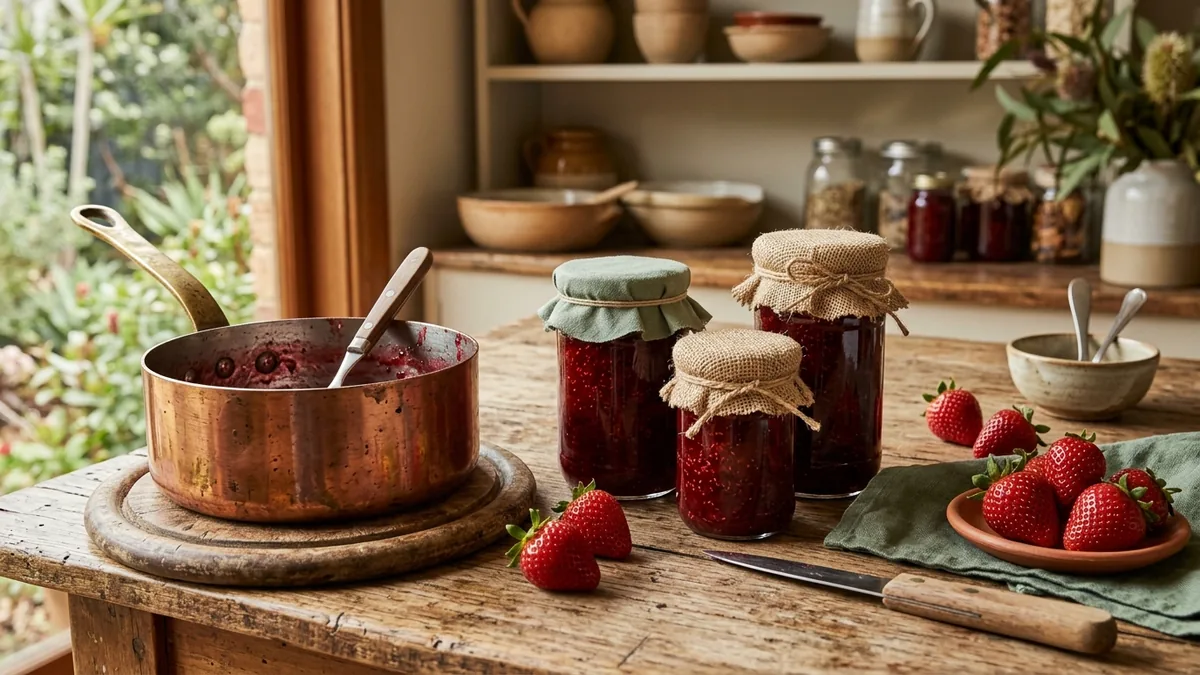
Fresh currants keep in the fridge for a few days. They freeze very well: spread them on a tray, freeze, then bag. Redcurrants are high in pectin and set easily into jelly. See our Jam and Jelly guide.
New bushes are easy to raise from hardwood cuttings taken in winter and pushed into the ground where they are to grow.
Track Your Redcurrants
Add redcurrants to your garden in the Planting Season app and get reminders for planting, care and harvest, tuned to your region.
Open the App →Frequently Asked Questions
When should I plant redcurrants in Australia?
It depends on your region. Plant from June to August in Melbourne & Victoria, Adelaide & SA, Tasmania and Canberra & ACT. It is not suited to South East Queensland, Northern Rivers NSW, Sydney & Coastal NSW, Perth & WA, North Queensland and Darwin & Top End. Choose your region in the calendar on this page for the local window.
Can I grow redcurrants in a pot?
Yes. Redcurrants grow well in a pot at least 40 cm wide with a quality potting mix. Keep the mix moist, especially in summer, and give the pot afternoon shade in warmer districts.
How do I prune a redcurrant bush?
In winter, keep an open goblet of eight to ten main branches on a short stem, shorten side shoots to one or two buds, and remove main branches older than about four years. After harvest, shorten new side shoots to about five leaves.
What is the difference between redcurrants and blackcurrants?
Redcurrants fruit on spurs on older wood and are grown on a short single stem, so pruning keeps a permanent framework. Blackcurrants fruit best on young wood and are grown as a bush from below ground, with the oldest stems cut out each winter. Redcurrants are also sharper and make clearer jelly.
See also: Redcurrant in the Plant Library, and How to Grow Blackcurrant, which is pruned differently.