How to Grow Blackcurrant in Australia
Updated September 2026
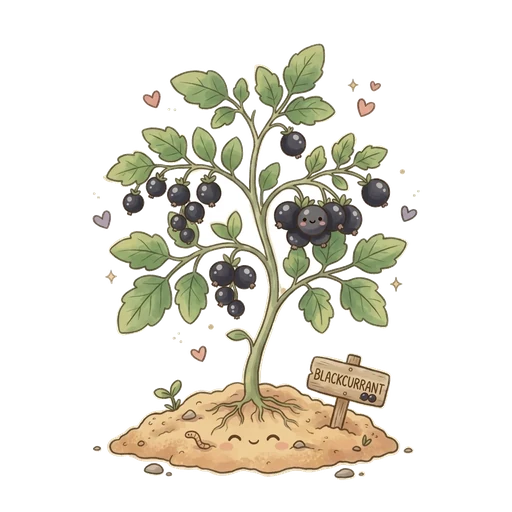
Intense, aromatic berries for cool gardens, rarely sold fresh
Blackcurrants are the most intensely flavoured of the bush fruits: aromatic, sharp and very high in vitamin C. They are hard to find fresh in Australian shops, so growing a bush or two is the only way most people get them for jam, cordial, pies and baking.
The bushes are compact at 1 to 1.8 m, cope with part shade and start fruiting within about two years. They are a cool climate plant, and they are pruned quite differently from redcurrants, which this guide explains.
When to Plant in Your Region
Blackcurrants are planted as dormant bare-root or potted bushes in winter. Plant from June to August in Melbourne & Victoria, Adelaide & SA, Tasmania and Canberra & ACT. It is not suited to South East Queensland, Northern Rivers NSW, Sydney & Coastal NSW, Perth & WA, North Queensland and Darwin & Top End. Choose your region below for the local calendar and any regional note.
Climate and Where It Grows in Australia
Blackcurrants need hard winters and mild summers. Too little winter cold and they flower poorly; too much summer heat and humidity and the bushes struggle with disease.
The site lists blackcurrants as suited to Melbourne, Adelaide, Tasmania and Canberra, planted in winter. Tasmania, with its long history of growing them, and the cooler hills of Victoria and South Australia give the best crops. They are not reliable on the Sydney coast, where there is too little chill and too much humidity; the upper Blue Mountains suits them. Perth is not reliable either, and only the cooler south west suits currants. South East Queensland, the Northern Rivers and the tropics are too warm and humid.
- South East Queensland: not suited. Not viable in SEQ. Currants need hundreds of chill hours and mild summers.
- Northern Rivers NSW: not suited. Not viable. Currants need hard winters and mild summers. Too warm and humid here.
- Sydney & Coastal NSW: not suited. Not reliable on the coast. Too little winter chill and too much humidity. The upper Blue Mountains suits currants.
- Melbourne & Victoria: plant from June to August.
- Adelaide & SA: plant from June to August.
- Perth & WA: not suited. Not reliable in Perth. Needs cold winters and mild summers; only the cooler south west suits currants.
- Tasmania: plant from June to August.
- Canberra & ACT: plant from June to August.
- North Queensland: not suited. Not viable. Currants need hundreds of chill hours. Impossible in the tropics.
- Darwin & Top End: not suited. Not viable. Currants need winter chill and dormancy. No chill in Darwin.
Choosing a Variety
Ben Sarek
A compact bush that crops heavily for its size, which suits small gardens and pots.
Ben Lomond
Flowers later than many blackcurrants, which helps it avoid damage from late frosts. Good crops of large berries.
Choosing locally
Blackcurrant varieties come and go from nurseries. Whatever is on offer, pick a named variety from a cool climate grower rather than an unnamed cutting.
Planting
Plant in winter. Blackcurrants like rich, moist but well drained soil with a pH of about 6 to 6.8, and cope with part shade. In warmer districts, afternoon shade is a real help.
- Space bushes about 1.5 m apart.
- Plant deeper than it grew. Set the plant about 5 cm deeper than it sat in the pot. Blackcurrants are grown as a stool, with new shoots coming from below the ground.
- Cut hard after planting. On a young bare-root plant, cut every shoot back to a couple of buds above the soil. You lose the first summer's fruit but get a far stronger bush.
- Water in and mulch thickly.
Care
Watering
Keep the soil evenly moist from spring through harvest. Blackcurrants have shallow roots and dry soil gives small berries and poor growth. Mulch generously.
Feeding
Blackcurrants are hungrier than redcurrants and respond well to nitrogen. Spread compost and well rotted manure around the bush in late winter, and top up the mulch.
Pruning
Blackcurrants fruit best on wood that grew the previous summer. The aim of pruning is a steady supply of young stems.
- Each winter, cut out about a third of the bush, taking the oldest, darkest stems right down to ground level.
- Keep the strong, pale, young stems, which carry next summer's fruit.
- Remove weak, low and crossing shoots so air moves through the bush.
Pollination
Blackcurrants are largely self-fertile, so a single bush crops on its own. Bees and a mild spell at flowering help set.
Pests and Diseases
- Birds. They take ripe berries quickly. Net before the fruit colours.
- Aphids. On shoot tips and leaf undersides in spring. Hose them off and encourage predators.
- Currant borer. Larvae tunnel inside stems and shoots wilt. Cut affected stems out at ground level, which fits neatly with the usual pruning.
Powdery mildew coats young shoots and leaves white, especially in still, humid air and on bushes fed too much nitrogen late in the season. Rust shows as orange spots under the leaves in late summer. Open pruning, watering at the base and raking up fallen leaves in autumn reduce both.
Harvest and Storage
Blackcurrants ripen in early summer. Berries on each string ripen over a week or two, the top ones first. For the best flavour, wait until the whole string is black and the berries are slightly soft, then pick strings whole.
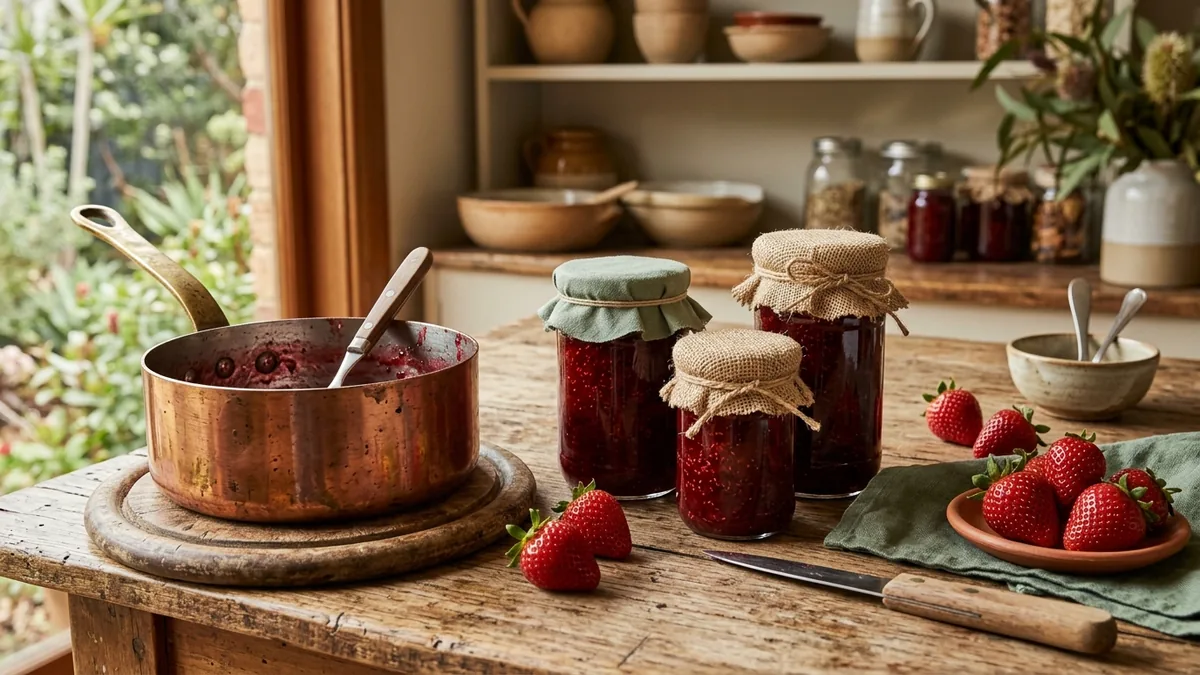
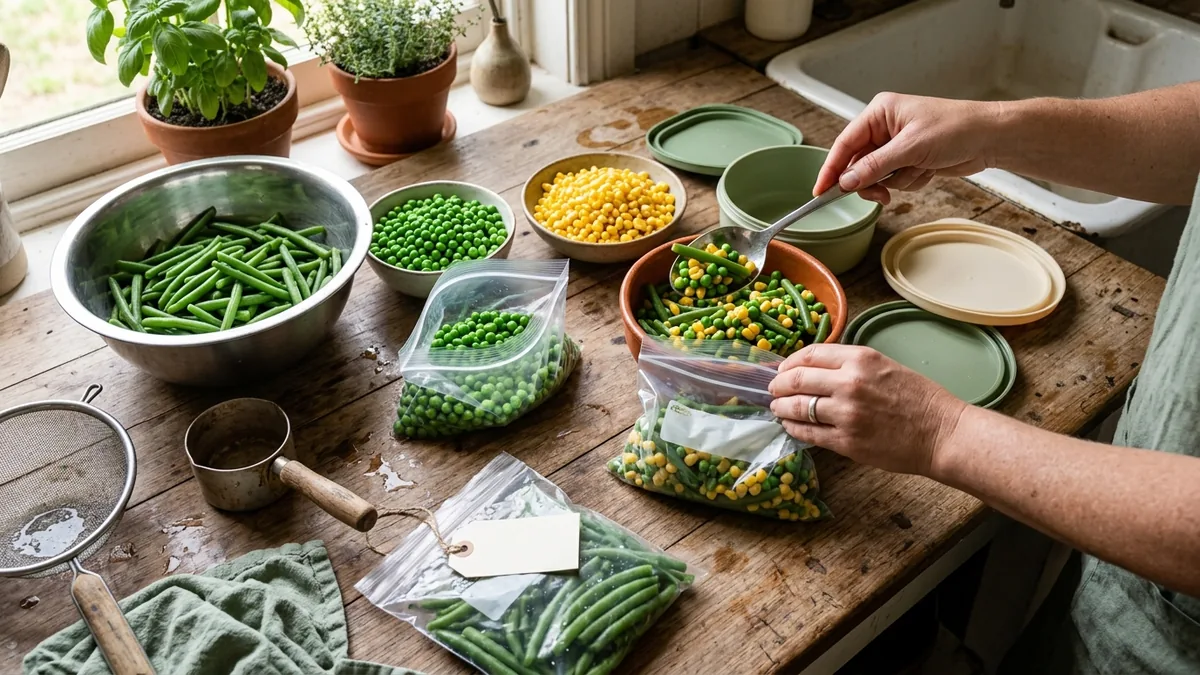
Fresh blackcurrants keep for a few days in the fridge. They freeze brilliantly: freeze on a tray, then bag. Use them in jam, cordial, pies and puddings. See our Jam and Jelly and Freezing the Harvest guides.
Track Your Blackcurrants
Add blackcurrants to your garden in the Planting Season app and get reminders for planting, care and harvest, tuned to your region.
Open the App →Frequently Asked Questions
When should I plant blackcurrants in Australia?
It depends on your region. Plant from June to August in Melbourne & Victoria, Adelaide & SA, Tasmania and Canberra & ACT. It is not suited to South East Queensland, Northern Rivers NSW, Sydney & Coastal NSW, Perth & WA, North Queensland and Darwin & Top End. Choose your region in the calendar on this page for the local window.
How do I prune a blackcurrant?
Each winter, cut about a third of the bush down to ground level, taking the oldest, darkest stems first. Blackcurrants fruit best on young wood, so this keeps a steady supply of new fruiting stems.
Can I grow blackcurrants in a pot?
Yes. A compact variety grows well in a pot at least 40 cm wide with a rich potting mix. Keep the mix moist and feed in late winter, and give the pot afternoon shade in warmer areas.
How long until a blackcurrant bush fruits?
Blackcurrants usually give their first real crop in about their second summer. Cutting a new bush hard after planting delays the first fruit a little but gives a stronger, more productive plant.
See also: Blackcurrant in the Plant Library, and How to Grow Redcurrant.