How to Grow Gooseberry in Australia
Updated September 2026
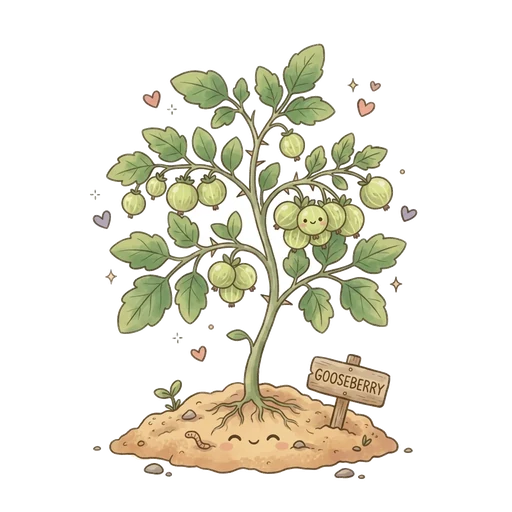
A thorny cool climate bush with fruit for cooking and eating
The European gooseberry is a thorny, deciduous bush grown for its fruit, which starts hard, green and sour, ideal for cooking, and softens, sweetens and often blushes red or yellow if left to ripen. One bush gives both a cooking crop and a fresh eating crop.
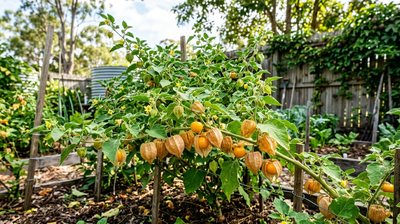
It is not related to the cape gooseberry, the fruit in a papery lantern that belongs to the tomato family. This guide covers the cool regions gooseberries need, planting, pruning so you can pick without being stabbed, mildew, and harvest.
When to Plant in Your Region
Gooseberries are planted as dormant bare-root or potted bushes in winter. Plant from June to August in Melbourne & Victoria, Adelaide & SA, Tasmania and Canberra & ACT. It is not suited to South East Queensland, Northern Rivers NSW, Sydney & Coastal NSW, Perth & WA, North Queensland and Darwin & Top End. Choose your region below for the local calendar and any regional note.
Climate and Where It Grows in Australia
Gooseberries need cold winters and mild summers. Summer humidity brings powdery mildew, which is the main reason they fail on warm coasts.
The site lists gooseberries as suited to Melbourne, Adelaide, Tasmania and Canberra, planted in winter. They are not reliable on the Sydney coast, where humid summers bring mildew and winters lack chill, so the upper Blue Mountains is the place for them. Perth's hot, dry summers scorch the bush and its winters lack chill, so only the cooler south west suits them. South East Queensland, the Northern Rivers and the tropics are not suited.
- South East Queensland: not suited. Not viable in SEQ. Needs cold winters; summer humidity brings mildew.
- Northern Rivers NSW: not suited. Not viable. Needs cold winters and mild summers, and summer humidity brings mildew.
- Sydney & Coastal NSW: not suited. Not reliable on the coast. Humid summers bring mildew and winters lack chill. Upper Blue Mountains only.
- Melbourne & Victoria: plant from June to August.
- Adelaide & SA: plant from June to August.
- Perth & WA: not suited. Not reliable in Perth. Hot dry summers scorch the bush and winters lack chill. Cooler south west only.
- Tasmania: plant from June to August.
- Canberra & ACT: plant from June to August.
- North Queensland: not suited. Not viable. Needs cold winters and mild summers. Impossible in the tropics.
- Darwin & Top End: not suited. Not viable. Needs winter chill and mild summers. No chill in Darwin.
Choosing a Variety
Invicta
A heavy cropping green gooseberry with good resistance to powdery mildew, which makes it a reliable first choice.
Hinnonmaki Red
A hardy variety with red fruit that sweetens well when ripe, and good mildew resistance.
Captivator
Red fruit on a bush with very few thorns, which makes picking far more pleasant.
Planting
Plant in winter in moist, well drained soil with a pH of about 6 to 6.8. Morning sun and afternoon shade suit gooseberries in most districts.
- Space bushes about 1.5 m apart, a little more if you want room to pick around them.
- Grow on a short leg. Like redcurrants, gooseberries are grown on a short single stem with branches starting a hand width above the soil. It keeps fruit off the ground and lets air move under the bush.
- After planting, shorten each branch by about half to an outward bud.
- Mulch thickly to keep the shallow roots cool and moist.
Care
Watering
Keep the soil evenly moist, especially while fruit is swelling in spring. Water at the base, never over the leaves, which encourages mildew.
Feeding
Spread compost around the bush in late winter. A fertiliser for fruiting plants, with more potassium than nitrogen, suits gooseberries. Too much nitrogen gives soft, sappy growth that mildew attacks first.
Pruning
Gooseberries fruit on spurs on older wood and at the base of last year's shoots. Prune for an open bush, both for airflow and so you can reach in to pick.
- Winter. Keep an open goblet of main branches with a clear centre. Shorten side shoots to two or three buds and cut out low branches that droop to the ground.
- Renewal. Remove old, unproductive main branches and let young shoots replace them.
- Summer. Shorten new side shoots to about five leaves after harvest.
Wear thick gloves. Gooseberry thorns are sharp.
Pollination
Gooseberries are self-fertile, so one bush crops on its own.
Pests and Diseases
- Birds. They take ripening fruit. Net before the berries soften.
- Aphids. On shoot tips in spring. Hose off or squash.
- Leaf eating larvae. Caterpillar like larvae, listed in the plant library as sawfly, can strip leaves from the centre of a bush outwards in spring. Check inside the bush from mid spring and pick them off before they spread.
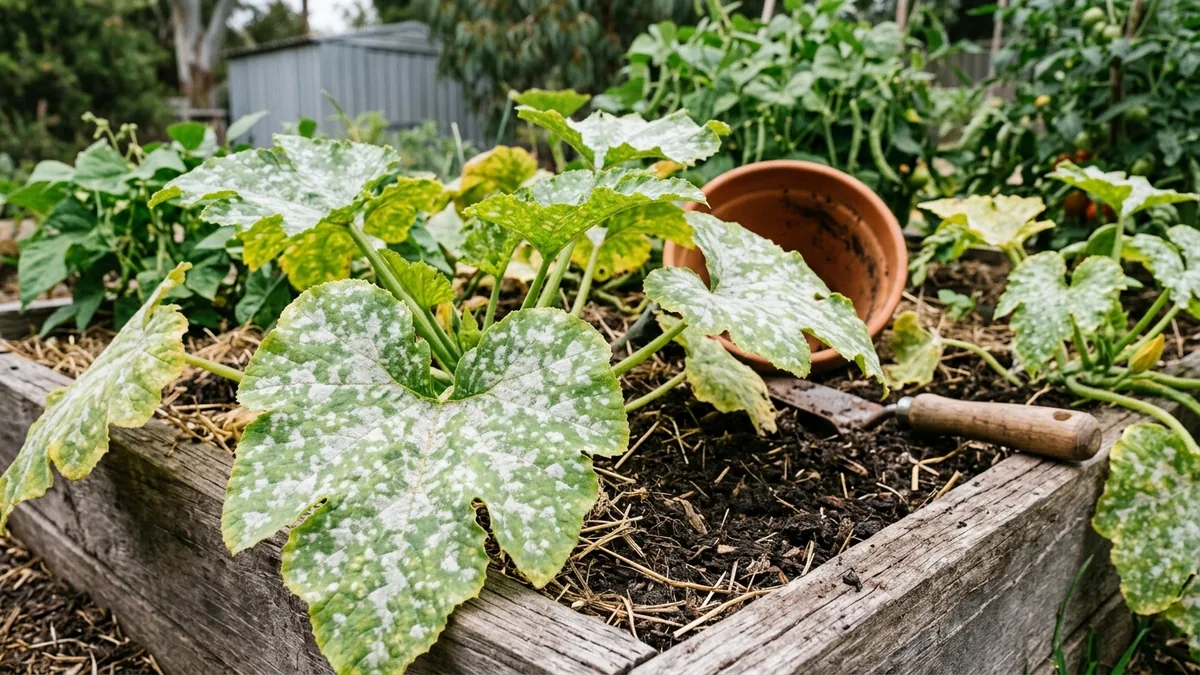
Powdery mildew is the main disease: a white, felty coating on shoot tips, leaves and fruit that later turns brown. Choose resistant varieties, prune for an open bush, avoid excess nitrogen and cut out affected shoot tips. Leaf spot causes brown spots and early leaf fall in wet seasons; rake up and remove fallen leaves in autumn.
Harvest and Storage
Gooseberries give two harvests from one bush.
- Green for cooking. In early summer, pick every second berry while still firm and green. They are sour, and perfect for crumbles, fools, sauces and jam. This also thins the crop.
- Ripe for eating. Leave the rest on the bush. Over the next few weeks they swell, soften and sweeten, and red and yellow varieties colour up.
Fresh gooseberries keep in the fridge for up to a week and freeze well.
Track Your Gooseberries
Add gooseberries to your garden in the Planting Season app and get reminders for planting, care and harvest, tuned to your region.
Open the App →Frequently Asked Questions
When should I plant gooseberries in Australia?
It depends on your region. Plant from June to August in Melbourne & Victoria, Adelaide & SA, Tasmania and Canberra & ACT. It is not suited to South East Queensland, Northern Rivers NSW, Sydney & Coastal NSW, Perth & WA, North Queensland and Darwin & Top End. Choose your region in the calendar on this page for the local window.
Is gooseberry the same as cape gooseberry?
No. The European gooseberry is a thorny, cool climate bush in the currant family. The cape gooseberry is a soft, frost tender plant in the tomato family, with fruit wrapped in a papery husk. They are grown quite differently.
Can I grow gooseberries in a pot?
Yes. Gooseberries grow well in a pot at least 40 cm wide with a quality potting mix. Keep the mix moist and give the pot afternoon shade in warm weather.
Why do my gooseberries have white powder on them?
That is powdery mildew. It thrives in still, humid air and on soft growth. Prune the bush open, water at the base, avoid too much nitrogen, and choose a resistant variety such as Invicta when replacing bushes.
See also: Gooseberry in the Plant Library, How to Grow Redcurrant and How to Grow Blackcurrant.