
Container Gardening in Brisbane and SEQ: What to Grow in Pots
Complete guide to container gardening in South East Queensland. Minimum pot sizes, best crops for balconies, and what needs a garden bed. Sized for Brisbane, Gold Coast, and Sunshine Coast.
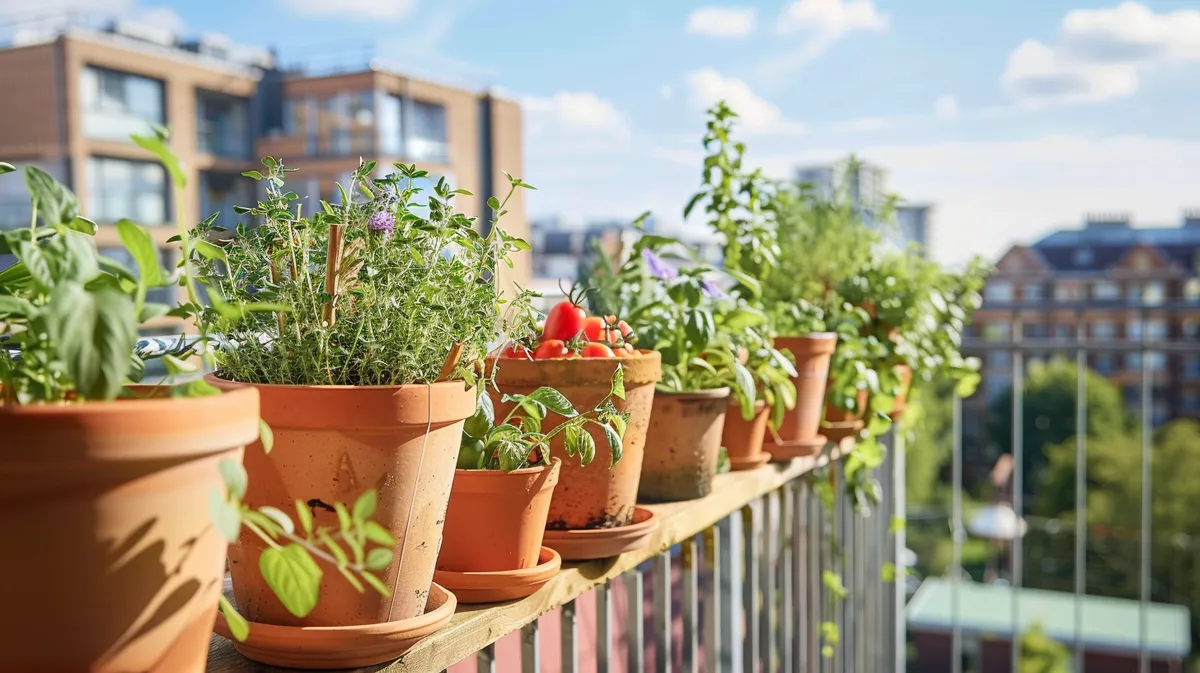
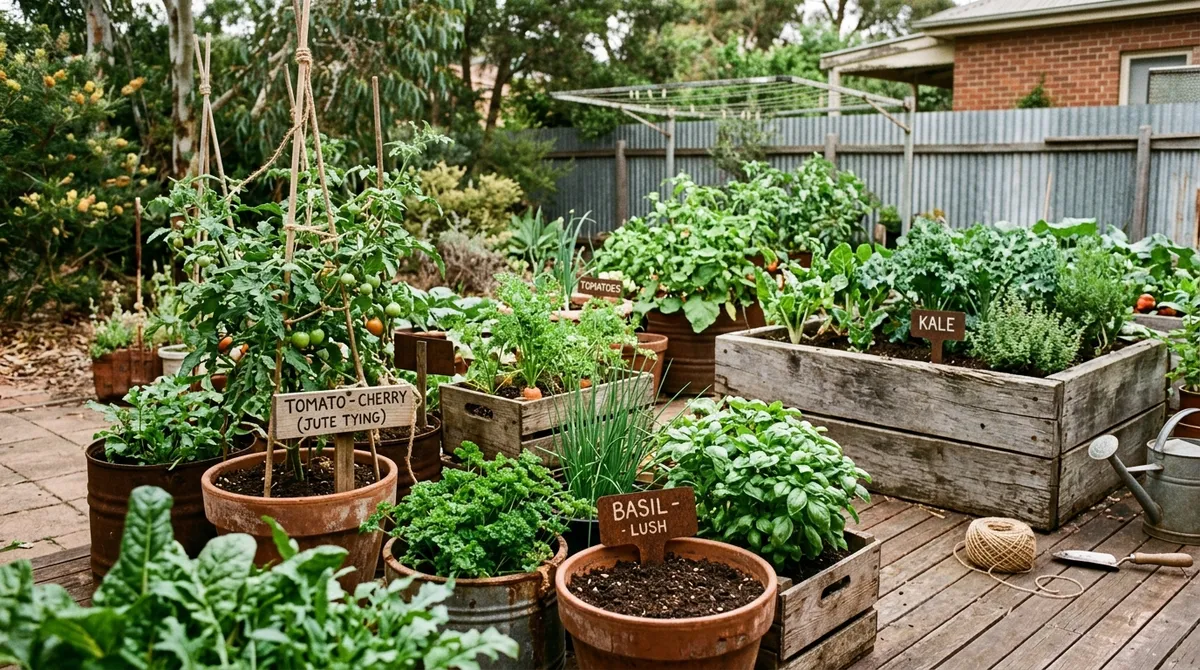
Container gardening solves space problems. Balconies, small courtyards, and patios all work. SEQ's subtropical climate is actually ideal for containers. You control the soil mix, moisture, and aspect. Pots dry faster in heat but you compensate by watering more frequently. The minimum pot size matters more than the exact size. Use at least the volume specified or your plants will be root-bound and produce poorly.
Premium potting mix is essential. Garden soil compacts in containers and drains poorly. Use premium potting mix designed for containers, which drains quickly while retaining adequate moisture. Add perlite or coarse sand to improve drainage if your soil is staying too wet.
Excellent in Containers (15-20L Pots)
| Plant | Minimum Pot Size | Container Growing Notes |
|---|---|---|
| All Herbs | 10-15L | Perfect in containers. Basil, parsley, coriander, mint all thrive. Herbs can stay in pots permanently or be moved around the garden. |
| Lettuce | 15L | Shallow roots, perfect for containers. Succession sow in multiple pots for continuous supply. Keep in shade in warm months. |
| Silverbeet | 15L | Cut-and-come-again. Single pot produces for months. Tolerates some shade. One plant feeds a family indefinitely. |
| Kale | 15L | Compact varieties perfect for pots. Lower pest pressure than in garden. Grows well in part shade. |
| Rocket | 10L | Fast, shallow roots. Successive sowings in same pot work well. Shade tolerant in warm months. |
| Radish | 10L | Shallow containers work. Ready in 4-6 weeks. Succession sow pots weekly for continuous harvest. |
| Spring Onion | 10L | Grow from scraps or seed. Regrows from base after harvest. Single pot provides indefinitely. |
| Cherry Tomatoes | 20L | Much better than large tomatoes in containers. Indeterminate types produce for months. Use cage support. Water consistently. |
| Chilli | 15L | Excellent pot plant. Perennial in SEQ, keep pot on patio year-round. No pests in containers. Loves heat. |
| Strawberry | 15L | Hanging baskets or standard pots work. Runners need managing. Produces for years from same plants. |
| Bush Beans | 15L | No trellis needed. Direct sow. Prolific harvest. Nitrogen fixing benefits soil mix for next crop. |
| Capsicum | 20L | One plant per pot. Slow to establish. Benefits from warmth. Protect in cooler months if growing year-round. |
| Eggplant | 20L | Compact varieties work well. One plant per pot. Needs consistent heat and moisture. |
| Finger Lime | 30L+ | Slow growing citrus. Can stay in pot for years. Premium potting mix essential. Move pots to sunny spot. |
| Dwarf Citrus | 40L+ | Lemon, lime, mandarin as dwarf varieties. Half wine barrels ideal. Produces for years from same pot. |
Works in Large Containers (30-40L)
| Plant | Minimum Pot Size | Container Growing Notes |
|---|---|---|
| Tomato (Indeterminate) | 30-40L | 40L better than 30L. Need robust cage support. Water daily in warm months. Single plant provides month of harvest. |
| Cucumber | 30L | Must have trellis. Vertical growing saves space. Water daily. Shade cloth in extreme heat helps prevent bitter fruit. |
| Zucchini | 30L | One plant per pot maximum. Very prolific. Water daily in warm months. Shade cloth in extreme heat. |
| Beetroot | 20L | Shallow roots but needs loose soil. Multiple plants per pot work. Thin seedlings for better bulbs. |
| Carrot | 30L+ | Deep pot essential. Loose potting mix prevents forked roots. Multiple plants per pot. Thin heavily. |
| Broccoli | 30L | One plant per pot. Side shoots extend harvest. Water consistently. Watch for pests in warm months. |
| Peas | 20L | Needs trellis. Short season window in SEQ. Water regularly but don't overwater. Mulch to keep roots cool. |
Needs Garden Beds (Too Large or Sprawling for Containers)
| Plant | Why It Needs Garden Space |
|---|---|
| Pumpkin | Sprawling vines 2-3 metres. Heavy fruit. Needs ground space and support. Container gardening not practical. |
| Corn | Block planting required for pollination. Tall plants need space. Wind pollination needs dense spacing. Garden beds essential. |
| Sweet Potato | Spreading vines. Takes space. Very heavy feeder. Garden bed allows root development and nutrient cycling. |
| Cassava | Large, deep roots. Takes space. Long-term plant (1-2 years). Garden bed essential. |
| Taro | Consistent moisture, significant space. Garden bed allows consistent watering and nutrient supply. |
| Banana | Large root system. Takes years to establish. Garden location essential for stability and nutrient cycling. |
| Mango | Full-size tree. Needs space. Years to first fruit. Permanent garden location essential. |
| Avocado | Full-size tree. Needs space. Deep roots. Phytophthora risk in containers with poor drainage. |
| Watermelon | Sprawling vines 2-3 metres. Heavy fruit weight. Needs ground support. Container gardening not viable. |
Container Gardening Tips for SEQ Success
Use premium potting mix, not garden soil. Garden soil compacts in containers and drains poorly, leading to root rot. Premium potting mix is aerated, drains quickly, and retains appropriate moisture.
Water more frequently than garden beds. Containers dry faster, especially in warm months. Check soil daily. Water when top 2cm is dry. In peak summer, daily watering is standard. Add mulch on top to slow evaporation.
Move pots to optimise conditions. Shade pots in extreme heat (January, February). Move containers to sunny positions as seasons change. This flexibility is a major advantage over garden beds.
Use drip irrigation where possible. Self-watering systems or dripper stakes reduce daily maintenance. SEQ heat makes consistent moisture critical for container crops.
Feed regularly. Potting mix nutrients leach faster than garden soil. Add balanced liquid fertiliser every 2-3 weeks during growing season. Fish emulsion and seaweed spray work well in SEQ heat.
Frequently Asked Questions
What size pot do I need for growing vegetables?
Pot size must match root depth and spread. Shallow roots (lettuce, radish, herbs) need 10-15L. Moderate roots (tomato, capsicum) need 20-30L. Deep roots (carrot, beetroot) need 30L+ of depth. Volume matters more than height or width. A 30L container that's deep and narrow works better for root crops than one that's shallow and wide. Use at least the minimum listed or plants will be root-bound and stunted.
Can I grow anything in containers in SEQ?
Almost anything small enough to fit in a pot. What doesn't work are sprawling vines (pumpkin, watermelon) that need space, and large trees (mango, avocado) that need ground space. Block pollinators (corn) need space for wind pollination. Everything else that fits in a pot will grow. Container gardening is actually superior for some crops in SEQ because you control moisture and can move pots to optimal sun or protection.
How often do I water container gardens in SEQ?
More often than garden beds. Containers dry faster, especially in warm months. Check soil moisture daily. Water when top 2cm is dry. In peak summer (December to February), daily watering is normal. In cooler months, every 2-3 days. Use premium potting mix that retains moisture better than garden soil. Add mulch on top to reduce evaporation. Drip irrigation or self-watering systems reduce maintenance significantly.
Free Monthly Planting Calendar
Get a personalised email each month with what to plant, seasonal tips, and harvest reminders for your region.
We send one email per month. Unsubscribe any time.