
🥬 Kale, Growing Guide for SEQ
Everything you need to grow Kale in South East Queensland's subtropical climate.
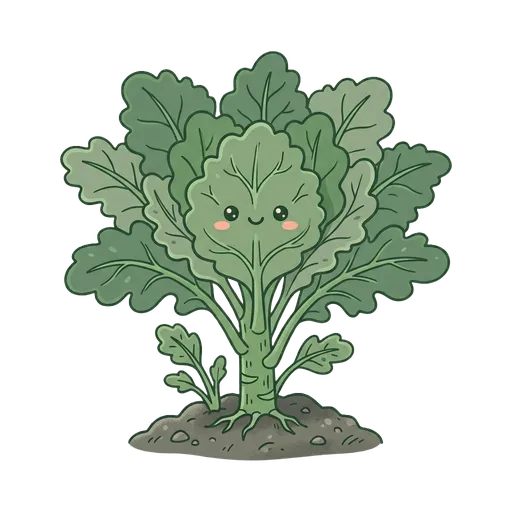
🌱 Plant profile: Kale, with sowing times for your region, companion plants and common pests.
When to Sow in SEQ
Best planted autumn through early winter. Taste improves after a cool night.
Growing Requirements
Good Companions (Friends)
Keep Apart (Enemies)
Recommended Varieties for SEQ
Tuscan (Cavolo Nero)
Dark, narrow strap-like leaves. The classic Italian lacinato kale. Handles SEQ heat better than curly types.
Red Russian
Grey-green leaves with purple veins. Tender, mild, excellent raw in salads. Cold-hardy heirloom.
Curly Kale (Dwarf Blue Scotch)
The supermarket standard with tightly curled blue-green leaves. Compact, reliable, beginner-friendly.
Kitchen Uses
- Massaged raw in salads with lemon
- Baked into crispy kale chips
- Wilted into pasta or stir-fries
- Blended into green smoothies
Health Benefits
- Extremely high in vitamins K, A, C
- Powerful antioxidants and anti-inflammatory
- Supports heart and bone health
- Low calorie, high in fibre
- Contains sulforaphane compounds
Pests & Diseases in SEQ
Common Pests
- Cabbage moth
Common Diseases
- Downy mildew
- Clubroot
Storage
Fridge in a sealed bag, up to 5 days. Blanch and freeze well
Value
Saves ~$3-6/week vs supermarket bunches
Related Guides
Track Kale in Your Garden
Drag Kale into your garden bed, get weekly reminders for watering, feeding, and harvesting.
Add Kale to My Garden →Frequently Asked Questions
When should I plant Kale in Brisbane?
In South East Queensland, Kale can be sown in February, March, April, May, June, July, August. Best planted autumn through early winter. Taste improves after a cool night.
What are good companion plants for Kale?
Good companions for Kale in SEQ include Beetroot, Onion, Celery, Dill, Nasturtium. Avoid planting near Strawberry, Tomato.
What are the best Kale varieties for Queensland?
Top varieties for SEQ include Tuscan (Cavolo Nero), Red Russian, Curly Kale (Dwarf Blue Scotch).
Plant profile
The kale profile has sowing times for your region, companion plants and common pests.