
What to Plant in Winter in Brisbane
SEQ's ideal growing season: cool, dry, pest-free, and perfect for your best harvests
Most Australian gardeners think winter is the slow season. Brisbane gardeners know better. Winter is when growing gets easy.
From June to August, Brisbane's subtropical climate shifts. Temperatures drop to 15 to 20 degrees. Rain stops. Humidity crashes. Pests disappear. Fruit fly becomes irrelevant. Fungal diseases that plague summer gardens simply don't occur. You're left with ideal growing conditions and reliable harvests. This is why many experienced SEQ gardeners produce their best vegetables in winter, not summer.
The trick is understanding which crops thrive in cool weather and planting them early enough to mature during the winter window.
🌱 Plants in this guide: Peas, Tomato and Capsicum. Each plant profile has sowing times for your region, companion plants and common pests.
Why Winter Is SEQ's Best Growing Season
Summer in Brisbane brings heat, humidity, and pest pressure that dominate every gardening decision. Tomatoes need netting to exclude fruit fly. Lettuce bolts immediately. Cucumbers suffer powdery mildew. Heat stress slows everything down. You're constantly watering and fighting disease.
Winter flips this. Cool nights mean plants grow steadily without heat stress. Low humidity means no fungal diseases. No fruit fly means tomatoes, capsicums, and eggplants grow clean without netting. Cruciferous crops like broccoli and cabbage thrive. Root vegetables germinate reliably. Leafy greens stay tender instead of bolting to seed.
The absence of pressure is remarkable. You plant seeds and they simply grow. No weekly spray programs. No monitoring traps. No netting over every plant.
Winter vegetables also taste better. The cool nights concentrate sugars. Lettuce is sweeter. Carrots are sweeter. Tomatoes develop flavour instead of racing to ripen in heat. This is why professional vegetable growers worldwide favour cool-season production.
Brassicas: The Winter Superstars
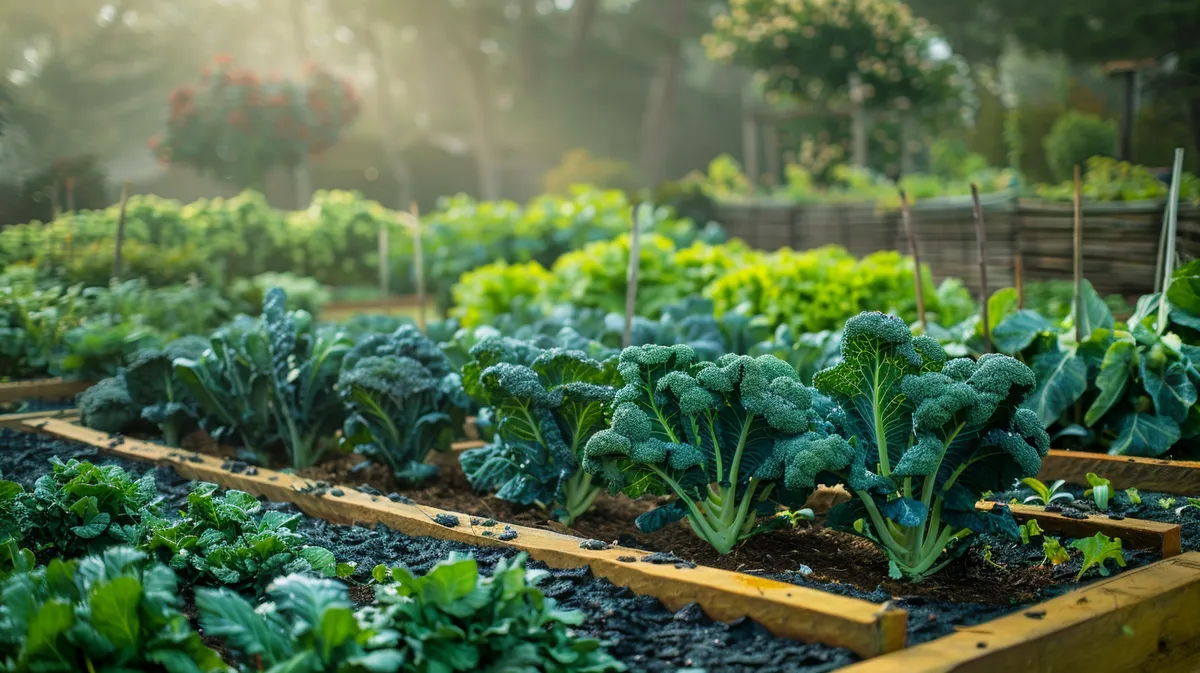
Brassicas are the heroes of Brisbane winter. Broccoli, cabbage, cauliflower, Brussels sprouts, and kale all reach their peak in cool weather. Plant seedlings in March and April. They grow through May and June. Harvest peaks in July and early August. Each plant produces a substantial head or multiple harvests. A single cabbage plant can feed a family for weeks.
Start from seedlings rather than seeds for fastest results. Nurseries stock brassica seedlings in March and April. Plant them 60 centimetres apart in well-prepared soil rich in organic matter. Water consistently but don't overwater. Apply mulch to retain moisture and keep roots cool. Brassicas appreciate feeding with a balanced fertiliser every 4-6 weeks.
Pests are minimal in winter, though cabbage moths occasionally show up. Cover young plants with fine netting for complete protection. By the time plants are established, they can usually tolerate the odd moth.
Root Vegetables: The Easy Harvest
Carrots, beetroot, radish, parsnip, and daikon all grow beautifully in winter. Direct sow seeds in April and May. They germinate reliably in cool soil and grow steadily through winter. Harvest starts in June and continues into August.
The advantage of winter root vegetables is germination reliability. Summer soil is too warm and may crust over, preventing germination. Winter soil is perfectly moist and cool. Radish germinates in a week and is ready to harvest in 4-5 weeks. Carrots take longer but grow straight and flavourful in loose, prepared soil.
Prepare the bed by removing stones and breaking up compacted soil. Mix in compost or aged manure. Sow seeds directly at the spacing specified on the packet. Keep soil consistently moist during germination. Once seedlings are established, thinning to final spacing is the main work.
Leafy Greens: Non-Stop Harvest
Lettuce, spinach, silverbeet, and other greens are the backbone of winter gardens. Plant seedlings in March and April for early harvests. Direct sow seeds in April and May for continuous supply. Harvest by picking outer leaves or cutting the whole head at the base.
Greens tolerate crowding, so you can plant them densely. Pick-and-cut varieties like silverbeet and perpetual spinach produce for months from a single planting. Leaf lettuce varieties mature faster than iceberg types.
In winter, bolting is not an issue. Cool temperatures keep plants in productive mode for 8-10 weeks instead of the 3-4 weeks you get in summer heat. This extended harvest window is the reason many gardeners focus on greens in winter.
Water consistently. Mulch around plants. Greens appreciate regular feeding with a balanced or slightly nitrogen-heavy fertiliser every 3-4 weeks.
Peas: The Productive Crop
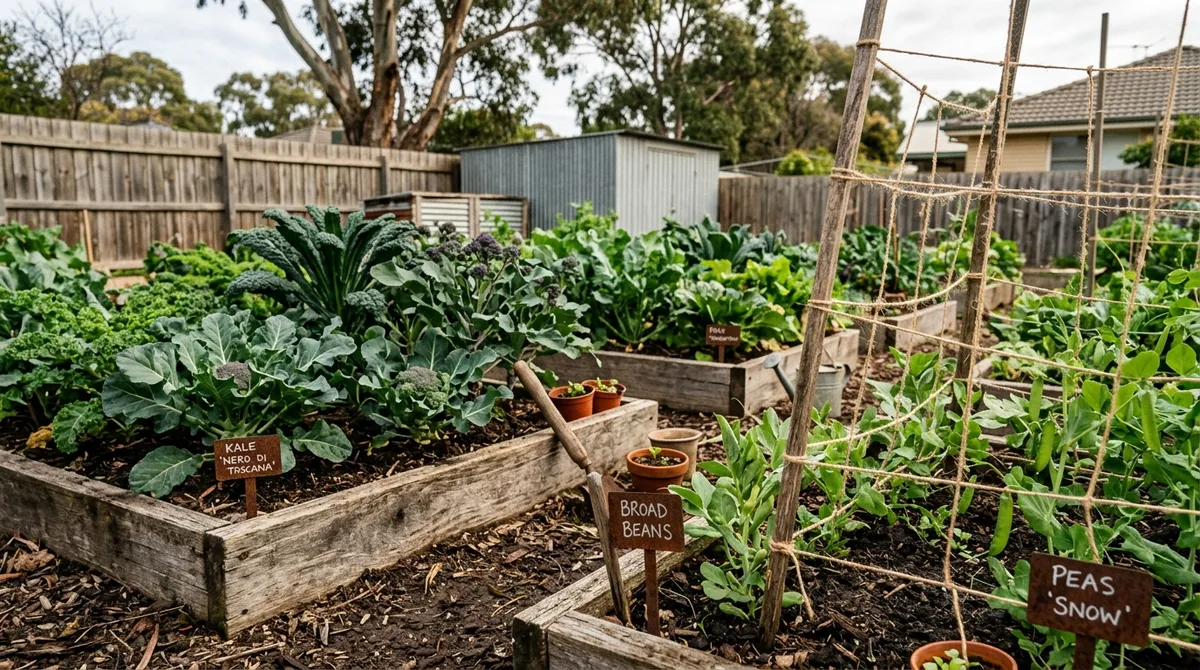
Snow peas, sugar snap peas, and shelling peas are winter crops that produce abundantly. Sow seeds directly in April and May. They germinate in cool soil and climb stakes or trellises through June and July. Harvests are prolific.
Provide sturdy stakes or a trellis system. Peas produce for 6-8 weeks if you pick regularly. Each plant produces dozens of pods. The harvest is continuous if you pick every few days.
Peas fix their own nitrogen, so they don't need heavy feeding. A light application of balanced fertiliser is sufficient. Keep soil consistently moist during flowering and pod development.
Herbs: Year-Round Production
Parsley, coriander, and chives all thrive in winter. Plant seedlings in March and April for long harvests. Coriander especially loves winter. It grows for months without bolting, producing abundant tender leaves for cooking.
Italian basil is at its best from February through August. Plant seedlings in February and early March for winter production. Peak harvest is May to July. By August it starts to slow as days shorten.
Rosemary and thyme are year-round performers but appreciate the cool season. They produce vigorously with minimal pest pressure.
Tomatoes and Capsicums: The Winter Strategy
You can grow tomatoes and capsicums in winter, but it requires a different approach than summer. Plant seedlings in March or early April. They grow slowly through the cool months of May, June, and July. Flowering and fruit set is slower, but the fruit that develops is clean and disease-free because there's no fruit fly pressure and minimal fungal disease.
Accept that winter tomatoes and capsicums produce smaller total yields than summer crops. The trade-off is reliability. You don't need netting. You don't need intensive baiting. Disease pressure is nearly zero. The fruit is clean and unblemished.
This is actually the smart growing strategy in SEQ. Grow your premium tomatoes in winter when they're easy. Avoid summer tomatoes entirely or use them for less critical purposes.
Maximising the Cool Dry Season
Plant in March and April. This is the critical window. Start seeds indoors in February. Plant seedlings in late March and April. The goal is to have established plants before winter arrives in June. Fast-maturing crops like radish and lettuce can be direct-seeded in April for June harvest.
Succession plant. Don't plant everything at once. Plant lettuce and spinach every 2-3 weeks from April through June for continuous harvest through winter into early spring.
Prepare soil thoroughly. Winter crops need good soil. Dig in compost and aged manure in February and March. Your winter crops will reward you with vigorous growth.
Group by water needs. Plant greens and root vegetables together. Plant peas in a dedicated space. This lets you tailor watering to each crop's needs.
Use mulch. Apply 5-7 centimetres of mulch around plants. It keeps soil cool, retains moisture, and suppresses weeds. In winter, mulch also protects roots from occasional cold snaps.
Water consistently but don't overwater. Winter rainfall is minimal. Your irrigation is the main water source. Keep soil moist but not waterlogged. Established plants may need watering only twice a week.
Linking to Related Information
For specific planting dates and care guides for each crop, visit the individual plant pages. The June, July, and August monthly guides on the website detail what's at peak season and what to harvest when. The Fruit Fly Management guide explains why winter is pest-free. The Winter Vegetables guide provides detailed care for each crop.
Frequently Asked Questions
Why is winter the best growing season in Brisbane?
Winter in SEQ (June to August) offers cool, dry conditions with no fruit fly and minimal fungal pressure. Temperatures stay mild (15-20 degrees), perfect for brassicas, root vegetables, and leafy greens. The cool nights actually help vegetables taste better. There's low rainfall, so watering is controlled. Pests slow down. Diseases that plague summer gardens simply don't occur. You get reliable, problem-free harvests.
What's the best time to plant winter crops in Brisbane?
The ideal planting window is April to May for winter crops. Plant seedlings in April for early harvests. Direct sow seeds (lettuce, spinach, radish, carrot) in late April or May for harvests starting June. Cold-hardy crops can even be planted into June. Most crops are harvestable by July and into August. By late August, as temperatures warm, many crops bolt or slow down, so focus harvesting by mid-August.
Can I grow tomatoes and capsicums in Brisbane winter?
Yes, but on a delayed schedule. Plant tomato and capsicum seedlings in March or April for winter harvests. They grow slowly through cool months (May, June, July) but produce clean fruit without fruit fly or disease pressure. Peak harvests come June and July. Growth slows in late August. Winter is actually the best time to grow these crops in SEQ because you avoid the December to March fruit fly season entirely. Accept slower growth, plant early, and plan for smaller total yields than summer crops.
Plant profiles
Each profile has sowing times for your region, companion plants and common pests.
Free Monthly Planting Calendar
Get a personalised email each month with what to plant, seasonal tips, and harvest reminders for your region.
We send one email per month. Unsubscribe any time.